

Why do dogs eat leaves is a question most dog owners end up asking during a fall walk, watching their pup snatch a crunchy leaf right off the ground.
It can look harmless one moment and worrying the next, especially when you are not sure what kind of plant it came from.
What Does It Mean When a Dog Eats Leaves
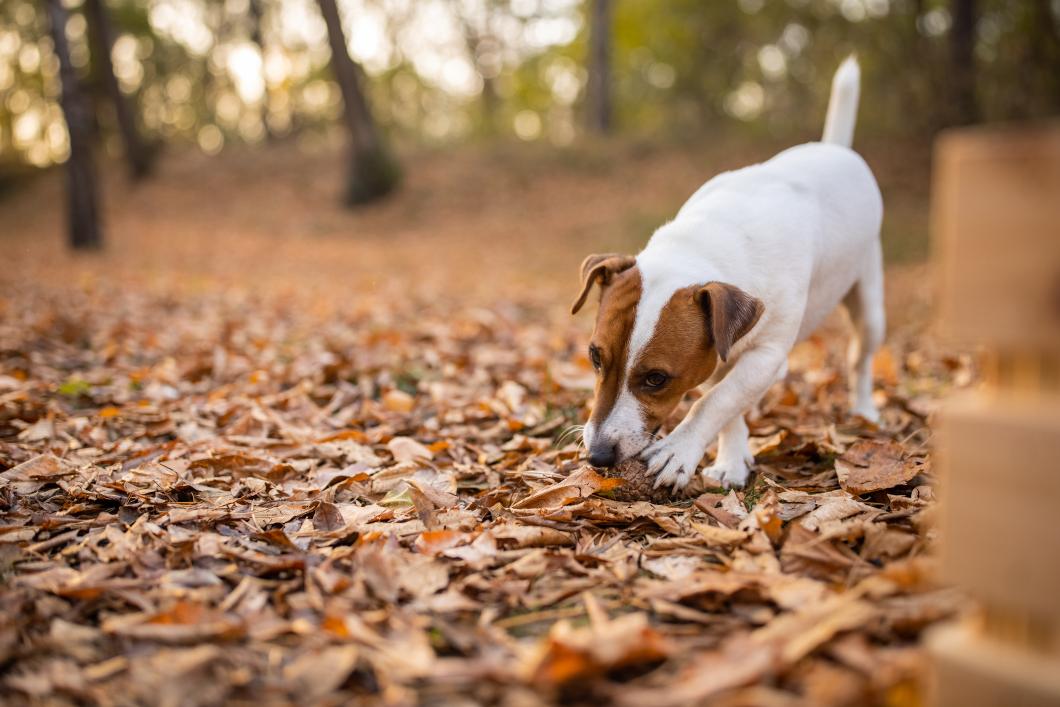
In most cases, a dog eating leaves is a harmless behavior rooted in curiosity, boredom, or mild instinct rather than a sign of illness. Dogs use their mouths to explore the world, and a crunchy leaf blowing across the yard is an easy target.
That said, eating leaves in large amounts, or eating leaves from a toxic plant, can lead to real health problems.
The Short Answer
Dogs eat leaves mainly out of curiosity, boredom, or a mild instinct to add fiber or roughage to their diet. Some dogs also eat leaves to help themselves vomit when they feel nauseous.
Occasional leaf eating from a known safe plant is usually nothing to worry about, but frequent or large-quantity eating is worth watching closely.
Common Reasons Dogs Eat Leaves
Veterinarians and behaviorists point to several overlapping explanations for this behavior.
Curiosity and Exploration
Puppies especially use their mouths the way human babies do, tasting and testing new objects. A leaf that rustles, moves in the wind, or has an interesting texture naturally draws their attention.
Boredom or Lack of Stimulation
Dogs without enough mental or physical exercise often look for their own entertainment. Eating leaves can become a repetitive habit simply because it gives them something to do.
Instinct and Ancestral Behavior
Wild canine ancestors were omnivorous and occasionally ate plant material as part of a varied diet. Some experts believe modern dogs retain a mild version of this instinct even though it serves no real nutritional purpose today.
Nausea or Upset Stomach
Many dogs eat grass or leaves when they feel nauseous, seemingly using it to trigger vomiting and relieve discomfort. This is one of the more commonly cited medical explanations, though it does not apply to every case.
Nutritional Gaps
Some veterinarians suggest dogs missing fiber or certain nutrients may instinctively seek out plant material to compensate. This theory is debated, since most complete commercial dog foods already meet a dog’s nutritional needs.
Pica
When a dog regularly eats non-food items like leaves, rocks, or fabric, this pattern is called pica. Pica can be behavioral, but it can also point to an underlying medical issue that is worth mentioning to your vet.
Attention-Seeking
If eating leaves consistently gets a big reaction from you, some dogs learn to repeat the behavior simply because it works. Dogs are quick to notice which actions reliably get your attention.
Is Eating Leaves Dangerous for Dogs

Not all leaf eating is risky, but several factors change the level of danger involved.
| Factor | Lower Risk | Higher Risk |
|---|---|---|
| Plant type | Common grasses, known safe leaves | Oak, cherry, azalea, oleander, black walnut |
| Quantity eaten | A few leaves occasionally | Large amounts or repeated daily eating |
| Leaf condition | Fresh, dry leaves | Moldy, decaying, or pesticide-treated leaves |
| Dog’s symptoms | No symptoms afterward | Vomiting, diarrhea, lethargy, drooling |
Even non-toxic leaves can cause stomach upset or intestinal blockages if eaten in large quantities.
Leaves and Plants That Are Toxic to Dogs
Several common trees and shrubs contain compounds that are genuinely harmful if a dog eats their leaves.
| Plant | Toxic Compound | Possible Symptoms |
|---|---|---|
| Oak | Tannins | Digestive upset, potential liver issues |
| Cherry or peach | Cyanogenic glycosides | Poisoning, breathing difficulty |
| Azalea and rhododendron | Grayanotoxin | Vomiting, abnormal heart rhythm, weakness, seizures |
| Oleander | Cardiac glycosides | Vomiting, arrhythmias, collapse |
| Black walnut | Mold toxins from decaying nuts | Digestive upset, seizures |
Because toxicity depends on the plant, the dog’s size, and how much was eaten, it is safest to treat any unidentified leaf as a potential risk.
Signs of Leaf Toxicity to Watch For
If your dog eats an unknown leaf, keep an eye out for these warning signs over the following hours.
- Vomiting or diarrhea
- Excessive drooling
- Lethargy or sudden weakness
- Abnormal heart rate
- Tremors or seizures
- Loss of coordination
Any of these symptoms after eating leaves is a reason to contact your veterinarian right away.
What to Do If Your Dog Eats Leaves

A calm, methodical approach helps you respond appropriately without overreacting to a harmless nibble.
- Try to identify the plant the leaves came from.
- Check how many leaves your dog actually ate.
- Watch closely for any symptoms over the next several hours.
- Remove access to the plant if it is toxic or unknown.
- Call your vet or a pet poison hotline if you notice any warning signs.
How to Reduce Leaf-Eating Behavior
If leaf eating has become a frequent habit rather than an occasional nibble, a few changes often help.
- Increase daily exercise to burn off extra energy.
- Add interactive toys or puzzle feeders to reduce boredom.
- Keep your dog on a leash near leaf piles during walks.
- Rotate toys regularly to keep things interesting.
- Talk to your vet about your dog’s diet if pica is suspected.
Best Practices and Mistakes to Avoid
A few simple habits make a real difference in keeping leaf eating safe.
| Do This | Avoid This |
|---|---|
| Learn which plants in your yard are toxic to dogs | Assuming all leaves are automatically safe |
| Supervise dogs during walks near unfamiliar plants | Letting dogs roam freely through leaf piles |
| Contact your vet if symptoms appear | Waiting to see if symptoms “go away on their own” |
| Address boredom with exercise and enrichment | Punishing the behavior without addressing the cause |
Puppies vs Adult Dogs
Puppies are especially prone to eating leaves simply because they explore everything with their mouths. This tends to decrease naturally as they mature and learn what is and is not food.
Adult dogs who suddenly start eating leaves more than usual may be signaling boredom, anxiety, or a change worth mentioning at their next vet visit.
Key Takeaways
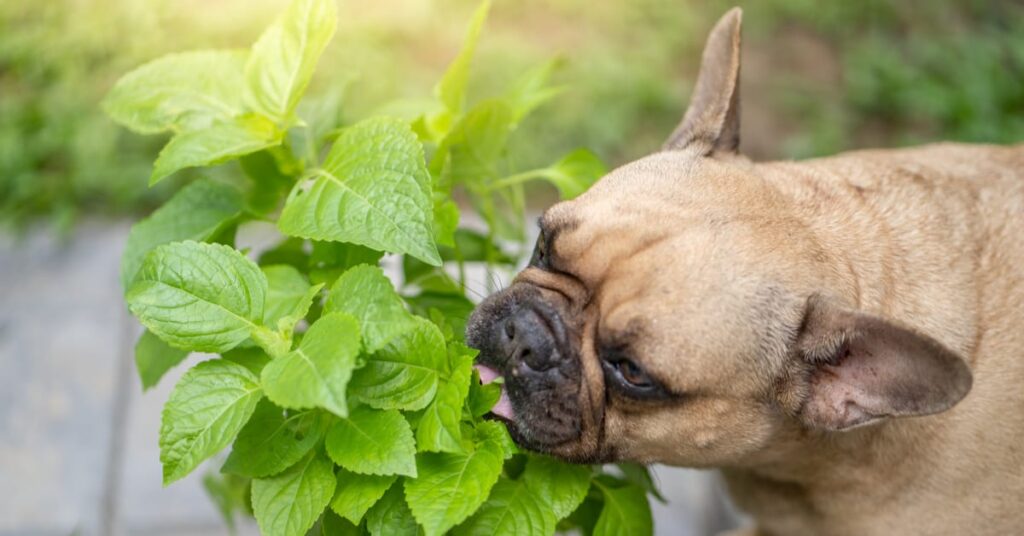
- Most leaf eating comes from curiosity, boredom, mild instinct, or an attempt to relieve nausea.
- Leaves from oak, cherry, azalea, oleander, and black walnut trees are toxic and should be avoided entirely.
- Even safe leaves can cause stomach upset or blockages if eaten in large amounts.
- Watch for vomiting, drooling, lethargy, or abnormal heart rate after your dog eats an unknown leaf.
- Increasing exercise and mental stimulation often reduces boredom-driven leaf eating.
Also Read
- Why Do I Have a Hump on the Back of My Neck?
- Why Are My Gums Purple?
- Why Do Canadians Speak French?
- Why Is Vanilla So Expensive?
- Why Does My Bearded Dragon Lick Me?
- Why Is It Called House Music?
- Why Do My Eyelids Itch?
- Why Do My Nails Hurt After Getting Acrylics?
- Why Can’t Horses Throw Up?
- Why Won’t My Car Turn Over?
- Why Does My Voice Sound Different on Video?
- Why Is the Left Ventricle Thicker Than the Right?
- Why Is It Called the Twin Cities?
- Why Are Earwigs in My House?
- Why Am I So Hairy?
- 50+ Plant Puns That’ll Leaf You Laughing
- Cheesy Pizza Puns That’ll Make You Crust Laugh
- 100+ Fishing Puns That Will Reel You In
- 50+ Blooming Flower Puns to Brighten Your Day
- Bad Puns That Are So Awful, They’re Hilarious
- The Best Animal Puns That Are Paws-itively Funny
- 71 Inches to cm: A Simple Conversion Guide
- 61 Inches to Feet: Easy Conversion Guide
- 36cm to Inches: Your Ultimate Guide
- 45mm to Inches: Your Complete Guide
Frequently Asked Questions (FAQs)
Why do dogs eat leaves?
Dogs typically eat leaves out of curiosity, boredom, or mild instinct. Some dogs also eat leaves to help relieve an upset stomach.
Is it normal for dogs to eat leaves?
Yes, occasional leaf eating from a known safe plant is common and usually harmless. Eating large amounts or unknown plants is what raises concern.
Which leaves are toxic to dogs?
Oak, cherry, azalea, oleander, and black walnut are among the most commonly cited toxic leaves. Symptoms can range from mild digestive upset to serious heart or nervous system problems.
Can eating leaves make my dog vomit?
Yes, some dogs instinctively eat grass or leaves to help trigger vomiting when they feel nauseous. This is a widely observed behavior, though it does not explain every case.
Does eating leaves mean my dog has a nutritional deficiency?
It might in some cases, but most complete commercial dog foods already meet nutritional needs. A vet visit can rule out or confirm a deficiency if the behavior is frequent.
What is pica in dogs?
Pica is the repeated eating of non-food items like leaves, rocks, or fabric. It can be purely behavioral or linked to an underlying medical issue.
When should I call the vet after my dog eats leaves?
Call your vet if your dog shows vomiting, diarrhea, drooling, lethargy, or an abnormal heart rate. These symptoms can indicate toxicity rather than harmless leaf eating.
How can I stop my dog from eating leaves?
Increasing exercise, adding puzzle toys, and supervising walks near leaf piles often reduce the behavior. Keeping your dog on a leash during fall walks also helps limit access.
Do puppies eat leaves more than adult dogs?
Yes, puppies explore the world with their mouths and are more likely to chew on leaves. This behavior usually decreases as they mature.
Can black walnut leaves or nuts harm my dog?
Yes, decaying black walnuts develop mold that can cause digestive upset and even seizures. It is best to keep dogs away from areas where these nuts accumulate.
Conclusion
So, why do dogs eat leaves usually comes down to curiosity, boredom, or a mild instinct that goes back to their wild ancestors. In many cases, it is a harmless habit that does not need any special intervention.
The bigger concern is knowing which leaves are actually dangerous, since plants like oak, azalea, oleander, and black walnut can cause real health problems. Watching for symptoms and identifying unfamiliar plants keeps this common behavior from turning into an emergency.
If the habit becomes frequent, adding more exercise and mental stimulation is often enough to redirect your dog’s attention away from leaves entirely.
