

Why Do Dogs Eat Their Own Vomit? Watching your dog throw up and then immediately eat it is one of those moments that makes every dog owner gag a little. It’s disgusting to us, but for dogs, it’s a surprisingly common and mostly natural behavior.
Why Do Dogs Eat Their Own Vomit
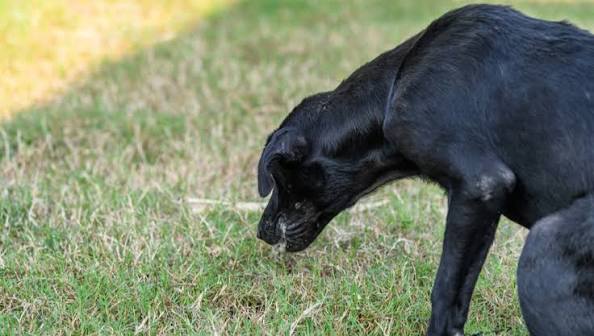
Dogs eat their own vomit mainly because it still smells and tastes like food to them. Their strong sense of smell picks up undigested food particles, making vomit seem like a recoverable meal rather than waste.
In most cases, this is a normal, instinctual behavior and not harmful. It becomes a concern only if the vomiting itself is caused by an underlying health issue.
Is It Normal for Dogs to Eat Their Own Vomit?
Yes, this behavior is considered normal and fairly common among dogs. Veterinarians generally agree it isn’t dangerous on its own, as long as the original vomiting wasn’t caused by illness.
The bigger question usually isn’t why they’re eating it, but why they vomited in the first place.
Why Do Dogs Eat Their Own Vomit? Common Reasons
1. It Still Smells Like Food
Dogs experience the world largely through smell, and vomit often still smells like the meal that came up. Undigested food particles make it seem appealing rather than repulsive.
Unlike humans, dogs don’t have the same instinctive “ick factor” tied to bodily waste.
2. Wild Scavenger Instinct
Wild canine ancestors couldn’t afford to waste food, including partially digested meals. This scavenger instinct still lingers in domestic dogs today.
Eating vomit can be an instinctive attempt to reclaim lost nutrients rather than a conscious decision.
3. Regurgitation vs. True Vomiting
Sometimes what looks like vomiting is actually regurgitation, where food comes back up from the esophagus before reaching the stomach. This often happens when a dog eats too quickly.
Regurgitated food is usually undigested and still looks and smells like a fresh meal, making it more likely to be eaten again.
4. Keeping Their Space Clean
Dogs instinctively avoid soiling the area where they eat, sleep, or spend most of their time. If vomit lands near their food or bed, eating it can be a way of “cleaning up.”
This mirrors the same instinct behind some dogs eating feces to keep their living space tidy.
5. Learned Behavior From Puppyhood
Some dogs learn early on, sometimes from how they were weaned, that eating regurgitated food is completely normal. This early exposure can shape lifelong habits.
6. Soothing an Irritated Throat
Stomach acid from vomiting can leave a dog’s throat feeling irritated. Some dogs may eat the vomit in an attempt to soothe that discomfort, even though it doesn’t actually help.
7. Underlying Health Issues
Occasionally, dogs eat vomit because of gastrointestinal problems, nutritional deficiencies, or anxiety-driven behavior. In these cases, the vomiting itself is the real concern, not the eating.
Quick Comparison: Normal vs. Concerning Behavior
| Situation | Likely Normal | Possible Concern |
|---|---|---|
| Occasional vomiting after eating too fast | Yes | — |
| Eating own vomit shortly after it happens | Yes | — |
| Eating another dog’s vomit | — | Yes (hygiene risk) |
| Frequent, repeated vomiting | — | Yes |
| Blood or bile in vomit | — | Yes |
| Lethargy, pain, or appetite loss | — | Yes |
Is It Safe for Dogs to Eat Their Own Vomit?
In most cases, yes, eating their own vomit isn’t dangerous, especially if the vomiting itself has no underlying medical cause. It’s unhygienic and unpleasant to witness, but rarely harmful on its own.
However, it’s not considered safe for a dog to eat another dog’s vomit, since this can spread illness or parasites between animals.
When to Be Concerned and Contact Your Vet
While the behavior itself is usually harmless, the reason behind repeated vomiting can be a red flag. Contact your veterinarian if you notice any of these signs:
- Frequent vomiting within a short period
- Blood or coffee-ground-like material in the vomit
- Yellow-green bile present regularly
- Lethargy, weakness, or visible pain
- Loss of appetite or skipped meals
How to Discourage a Dog From Eating Vomit

Clean Up Quickly
The simplest solution is being faster than your dog. Keep cleaning supplies nearby so you can remove vomit as soon as it happens.
Slow Down Fast Eating
If regurgitation from eating too quickly is the cause, a slow-feed bowl with ridges or a puzzle feeder can help. Smaller, more frequent meals also reduce the urge to gulp food.
Train a “Leave It” Command
Teaching a reliable “leave it” cue gives you a way to interrupt the behavior before it happens. This is especially useful for dogs prone to eating anything they find on the ground.
Feed Multiple Dogs Separately
If you have more than one dog, feeding them apart reduces competitive eating, which often leads to faster eating and more frequent regurgitation.
Best Practices for Dog Owners
- Monitor vomiting frequency and note any patterns
- Use slow-feed bowls if your dog eats too quickly
- Keep vomit cleanup supplies easily accessible
- Separate dogs during mealtime if resource guarding is an issue
- Consult your vet if vomiting becomes frequent or unusual
Mistakes Dog Owners Commonly Make

A common mistake is assuming frequent vomiting itself is “normal stomach cleaning” behavior. Repeated vomiting is not typical and often signals an issue worth investigating.
Another mistake is focusing only on stopping the vomit-eating without addressing why the dog vomited in the first place.
Also Read:
- Why Do I Have a Hump on the Back of My Neck?
- Why Are My Gums Purple?
- Why Do Canadians Speak French?
- Why Is Vanilla So Expensive?
- Why Does My Bearded Dragon Lick Me?
- Why Is It Called House Music?
- Why Do My Eyelids Itch?
- Why Do My Nails Hurt After Getting Acrylics?
- Why Can’t Horses Throw Up?
- Why Won’t My Car Turn Over?
- Why Isn’t My Flashlight Working?
- Why Is My Dog Drooling So Much All of a Sudden?
- Why Do Toenails Turn Yellow?
- Why Does Tooth Pain Come and Go?
- Why Is It Called Wisdom Teeth?
- Why Do Men Have Longer Eyelashes?
- Why Are Dreams So Weird?
- Why Does My Dog Keep Coughing and Gagging?
- Why Have I Been on My Period for 2 Weeks?
- Why Do People File Bankruptcy?
- 50+ Plant Puns That’ll Leaf You Laughing!
- Cheesy Pizza Puns That’ll Make You Crust Laugh!
- The Best Animal Puns That Are Paws-itively Funny!
- 71 Inches to cm: A Simple Conversion Guide
- How to Pronounce L O E W E
Frequently Asked Questions (FAQs)
Why do dogs eat their own vomit instead of ignoring it?
Vomit still smells and tastes like recently eaten food to a dog, so their strong sense of smell makes it seem worth eating rather than wasting.
Is it dangerous for dogs to eat their own vomit?
Usually not, as long as the vomiting itself wasn’t caused by illness. It becomes riskier if it’s tied to an underlying medical issue.
Is it safe for dogs to eat another dog’s vomit?
No, this isn’t considered safe, since it can spread illness or parasites between dogs sharing the same space.
Does eating vomit mean my dog has a behavioral problem?
Not necessarily. In most cases, it’s simply instinct rather than a sign of a deeper behavioral issue.
Can fast eating cause a dog to vomit and then eat it again?
Yes, eating too quickly often leads to regurgitation, and the undigested food is frequently eaten again immediately.
Should I stop my dog from eating their vomit?
It’s generally recommended to discourage it for hygiene reasons, even though it’s usually not medically dangerous.
What’s the difference between vomiting and regurgitation in dogs?
Vomiting involves the stomach and takes more effort, while regurgitation expels food from the esophagus before digestion begins, often right after eating.
When should I worry about my dog vomiting frequently?
Contact your vet if vomiting happens repeatedly, includes blood or bile, or comes with lethargy, pain, or loss of appetite.
Can anxiety cause a dog to vomit and eat it?
Yes, anxiety and stress can contribute to vomiting in some dogs, which may then be followed by eating the vomit out of instinct.
Do slow-feed bowls actually help prevent this behavior?
Yes, slow-feed bowls reduce gulping and rapid eating, which lowers the chances of regurgitation and repeat vomit-eating.
Is eating vomit linked to a dog’s wild ancestry?
Yes, wild canines historically couldn’t waste partially digested food, and this scavenging instinct still influences domestic dog behavior today.
Can training stop a dog from eating vomit?
Yes, teaching a reliable “leave it” command combined with quick cleanup can effectively reduce or eliminate the behavior over time.
Conclusion
If you’ve been wondering why do dogs eat their own vomit, the explanation usually comes down to smell, instinct, and their scavenger history rather than anything concerning.
In most cases, this behavior is unpleasant to witness but not medically dangerous. The real priority is paying attention to why your dog vomited in the first place, especially if it happens frequently or comes with other warning signs.
With a few simple management steps, you can reduce the habit while keeping a close eye on your dog’s overall digestive health.
