

Why Have I Been on My Period for 2 Weeks? A period that won’t stop after two weeks is more than just inconvenient. It can be exhausting, worrying, and a sign your body is asking for attention.
Doctors generally consider bleeding beyond seven days abnormal, so two weeks of bleeding is well outside the typical range.
Why Have I Been on My Period for 2 Weeks

Bleeding for two weeks straight is not typical and is medically referred to as prolonged menstrual bleeding or menorrhagia when periods last longer than seven days.
Common causes include hormonal imbalances, uterine fibroids or polyps, thyroid disorders, certain birth control methods, and less commonly, pregnancy-related complications. Anyone bleeding this long should see a doctor to identify the cause.
What Counts as a Normal Period Length?
A typical period lasts around three to seven days, occurring every 21 to 35 days as part of a regular cycle. Bleeding that continues past seven days falls outside this normal range.
Doctors use the term menorrhagia for periods lasting longer than seven days or involving unusually heavy blood loss. Bleeding that’s irregular, prolonged, or heavy is sometimes grouped under the broader term abnormal uterine bleeding.
Common Causes of a Two-Week Period
Prolonged bleeding usually falls into one of a few categories: hormonal, structural, medication-related, or systemic health issues.
Hormonal Imbalances
Your menstrual cycle depends on a delicate hormonal balance between estrogen and progesterone. When that balance is disrupted, periods can become longer, heavier, or irregular.
- Polycystic ovary syndrome (PCOS), which often causes irregular ovulation
- Anovulation, when no egg is released during a cycle
- High stress levels or sudden weight changes
- Perimenopause or puberty, both natural times of hormonal shift
Uterine Structural Issues
Physical growths or changes inside the uterus can interfere with the body’s ability to stop bleeding on schedule.
| Condition | What It Is |
|---|---|
| Uterine fibroids | Non-cancerous growths in the uterine wall |
| Uterine polyps | Small growths on the uterine lining |
| Adenomyosis | Uterine tissue growing into the muscular wall |
| Endometriosis | Uterine-like tissue growing outside the uterus |
These conditions often require imaging, like an ultrasound, to diagnose accurately.
Thyroid Disorders
The thyroid gland plays a bigger role in your cycle than most people realize. About 1 in 8 women will experience a thyroid problem at some point in their life.
Both an overactive and an underactive thyroid can disrupt the hormone balance needed for a predictable, well-timed period.
Blood Clotting Disorders
Some people bleed longer because their blood doesn’t clot as efficiently as it should. This can be due to an underlying clotting disorder or certain medications.
Roughly 70 percent of women taking oral anticoagulant blood thinners experience heavy menstrual bleeding as a side effect.
Birth Control and Medications
Starting, stopping, or switching hormonal birth control, including pills and IUDs, can cause breakthrough or prolonged bleeding, especially in the first few months.
Blood-thinning medications, whether anticoagulants or antiplatelets like aspirin, can also extend bleeding duration.
Pregnancy-Related Causes
In some cases, prolonged bleeding may be linked to a pregnancy complication, such as a miscarriage or an ectopic pregnancy. This possibility is one of the key reasons a doctor’s evaluation matters, not just at-home tracking.
Infections
Infections in the uterus or reproductive organs can also lead to unusual, prolonged bleeding patterns alongside other symptoms like pain or unusual discharge.
Symptoms That Should Not Be Ignored
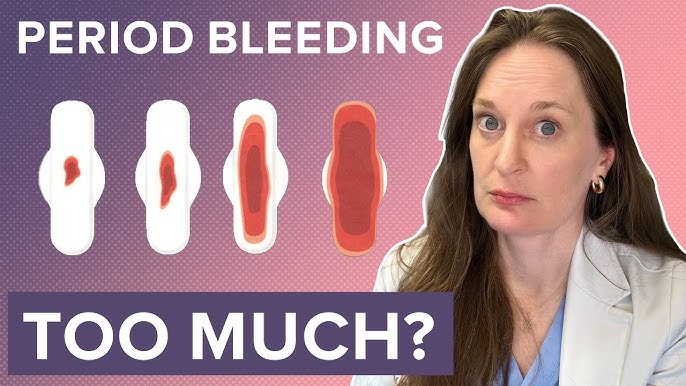
Prolonged bleeding sometimes comes with other warning signs. Pay close attention if you notice any of these alongside a two-week period.
- Extreme fatigue, which can signal significant blood loss
- Dizziness or fainting
- Passing blood clots larger than a quarter
- Shortness of breath during normal activity
- Severe pelvic or abdominal pain
- Bleeding through a pad or tampon every hour for two or more hours in a row
When to See a Doctor
You should schedule an appointment if bleeding has lasted seven days or longer, and seek prompt care if it reaches two weeks. Any of the warning signs above make an appointment more urgent, not optional.
Delaying evaluation can allow an underlying cause, such as fibroids or a hormonal imbalance, to continue untreated and potentially worsen.
What Happens at a Doctor’s Visit
Knowing what to expect can make the appointment feel less intimidating.
- Your doctor will ask about your bleeding pattern, cycle history, and any related symptoms.
- A pelvic exam may be performed to check for visible abnormalities.
- Blood tests can check for anemia, thyroid function, or clotting issues.
- An ultrasound or other imaging may be used to look for fibroids, polyps, or structural causes.
- A pregnancy test is often included, especially if pregnancy is possible.
How Prolonged Bleeding Is Treated
Treatment depends entirely on the underlying cause identified during evaluation.
| Cause | Common Treatment Approach |
|---|---|
| Hormonal imbalance | Hormonal birth control or other hormone-regulating medication |
| Fibroids or polyps | Monitoring, medication, or a minor procedure to remove growths |
| Thyroid disorder | Thyroid medication to restore hormonal balance |
| Clotting disorder | Specialist referral and targeted treatment |
| Medication side effect | Adjusting or switching the medication under medical guidance |
Risks of Leaving Prolonged Bleeding Untreated

Heavy or prolonged bleeding that goes unaddressed can lead to iron-deficiency anemia, causing fatigue, weakness, and shortness of breath. It can also point to an underlying condition that worsens without treatment.
Mistakes to Avoid
A few habits can delay getting the right diagnosis and care.
- Don’t assume prolonged bleeding will resolve on its own without checking with a doctor.
- Don’t skip tracking symptoms like pain, clot size, or fatigue between appointments.
- Don’t stop or change birth control without medical guidance, even if you suspect it’s the cause.
- Don’t ignore dizziness or fainting, since these can signal significant blood loss.
Key Takeaways
- A typical period lasts three to seven days; bleeding beyond seven days is considered prolonged.
- Common causes include hormonal imbalances, fibroids, polyps, thyroid disorders, and certain medications.
- Pregnancy-related complications are a less common but important possible cause.
- Extreme fatigue, dizziness, large clots, or severe pain are signs that need urgent medical attention.
- Diagnosis often involves a pelvic exam, blood tests, and imaging like an ultrasound.
- Treatment varies widely depending on the specific underlying cause.
- Untreated prolonged bleeding can lead to anemia and other complications.

Frequently Asked Questions (FAQs)
Is it normal for a period to last two weeks?
No. A typical period lasts three to seven days. Bleeding for two weeks falls well outside the normal range and should be evaluated by a doctor.
What is menorrhagia?
Menorrhagia is the medical term for bleeding that lasts longer than seven days or is unusually heavy during a menstrual period.
Can stress cause a longer period?
Yes. High stress levels can disrupt hormone balance and affect ovulation, which can lead to irregular or prolonged bleeding.
Can birth control cause prolonged bleeding?
Yes. Starting, stopping, or switching hormonal birth control, including pills and IUDs, can cause breakthrough or extended bleeding, especially early on.
Could a two-week period be related to pregnancy?
It’s possible. Prolonged bleeding can sometimes be linked to a pregnancy complication like miscarriage or ectopic pregnancy, which is why a doctor’s evaluation matters.
When should I see a doctor about prolonged bleeding?
See a doctor once bleeding passes seven days, and seek care promptly if it reaches two weeks or comes with symptoms like dizziness, severe pain, or large clots.
Can fibroids cause a period to last two weeks?
Yes. Uterine fibroids are a common structural cause of heavy and prolonged menstrual bleeding.
Does thyroid disease affect period length?
Yes. Both an overactive and underactive thyroid can disrupt the hormonal balance needed for a regular, well-timed period.
What tests diagnose the cause of prolonged bleeding?
Doctors commonly use blood tests, a pelvic exam, and imaging like an ultrasound to identify the underlying cause.
Can prolonged bleeding cause anemia?
Yes. Extended or heavy blood loss can lead to iron-deficiency anemia, causing fatigue, weakness, and shortness of breath.
Is passing large blood clots during a long period normal?
Passing clots larger than a quarter is considered a warning sign and should prompt a visit to a doctor.
Can perimenopause cause a two-week period?
Yes. Hormonal shifts during perimenopause commonly cause irregular or prolonged periods, though other causes should still be ruled out.
Are blood thinners linked to longer periods?
Yes. Anticoagulant and antiplatelet medications can extend bleeding duration, with a majority of users on certain anticoagulants experiencing heavier periods.
What treatments are available for prolonged bleeding?
Treatment depends on the cause and may include hormonal medication, thyroid treatment, a minor procedure for fibroids or polyps, or adjusting a current medication.
Conclusion
Bleeding for two weeks straight is your body signaling that something is outside its normal pattern. The cause could be as manageable as a hormonal shift or medication side effect, or it could point to something that needs targeted treatment.
Either way, the safest step is a proper medical evaluation rather than waiting it out. Getting an accurate diagnosis is the fastest path to relief and peace of mind.
If you’re experiencing this topic due to a personal health concern, please reach out to a doctor or gynecologist for guidance specific to your situation.
