

If you open your dishwasher and get hit with a sulfur smell, you are not imagining it. Why does my dishwasher smell like rotten eggs is one of the most common appliance complaints in kitchens across the country.
What Causes The Smell
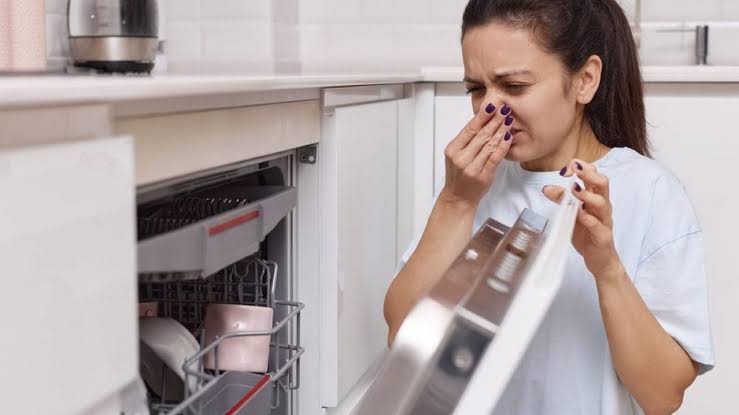
A rotten egg smell in a dishwasher almost always points to hydrogen sulfide gas. This gas forms when bacteria break down food particles trapped in the filter, drain, or gasket.
Standing water at the bottom of the tub, a clogged drain hose, or a dirty water heater can all make the smell worse. Sewer gas backup is a rarer but possible cause.
Why This Problem Is So Common
Dishwashers run through the same enclosed, humid space cycle after cycle without much airflow in between. That combination of warmth, moisture, and leftover food is exactly what odor-causing bacteria need to thrive.
Most people only think about cleaning the dishes, not the machine itself. Over months of regular use, that gap in maintenance is what allows a mild food smell to turn into a persistent rotten egg odor.
The Science Behind The Smell
Hydrogen sulfide is a naturally occurring gas produced when bacteria digest organic matter without oxygen. It has a distinct sulfur odor even in tiny amounts.
Inside a dishwasher, leftover food scraps sit in a warm, damp environment after every cycle. This is the perfect breeding ground for the anaerobic bacteria that release this gas.
Common Causes Of A Rotten Egg Smell
1. Food Debris Trapped In The Filter
Most dishwashers built in the last decade use a manual filter instead of a garbage disposal style grinder. Food particles collect in this filter with every wash.
When that debris sits for days, it starts to rot. The smell then circulates through the tub every time the dishwasher runs.
2. Clogged Or Dirty Drain Hose
The drain hose carries wastewater away from the dishwasher after each cycle. Grease, food bits, and soap scum can build up along the inside walls of this hose over time.
A partial clog slows drainage and leaves damp residue behind. That residue becomes a bacteria magnet.
3. Standing Water In The Tub
Water pooling at the bottom of the dishwasher after a cycle is a clear warning sign. It usually means the pump, filter, or drain line is not working correctly.
Stagnant water sitting for hours between cycles gives bacteria plenty of time to multiply and produce odor.
4. Dirty Door Gasket And Seals

The rubber gasket that seals the door traps moisture, grease, and small food particles in its folds. Because it rarely gets scrubbed, it becomes an easy hiding spot for grime.
Mold and bacteria in the gasket can add a musty or sulfur-like smell that lingers even after a clean cycle.
5. Hard Water And Mineral Buildup
In homes with hard water, calcium and magnesium deposits build up inside the dishwasher over months of use. These deposits trap food residue and bacteria in a rough, scaly layer.
Hard water buildup can also reduce cleaning performance, which makes odor problems worse over time.
6. Sewer Gas Backing Up Through The Drain
If your dishwasher shares a drain line with your kitchen sink, a dry or faulty air gap can allow sewer gas to travel backward into the appliance.
This is less common but worth ruling out if cleaning the filter and gasket does not solve the problem.
7. Sulfur In Your Home’s Water Supply
Some well water systems naturally contain trace sulfur or hydrogen sulfide bacteria. If your tap water already smells faintly of eggs, your dishwasher is likely not the true source.
Causes And Fixes At A Glance
| Cause | Common Signs | Quick Fix |
|---|---|---|
| Clogged filter | Food debris visible, weak cleaning | Remove and rinse filter monthly |
| Dirty drain hose | Slow draining, gurgling sounds | Detach and flush hose with warm water |
| Standing water | Puddle after cycle ends | Clear filter, check pump for blockage |
| Grimy door gasket | Musty smell near door seal | Wipe gasket with vinegar solution |
| Hard water buildup | Cloudy dishes, white scale | Run a descaling rinse monthly |
| Sewer gas backup | Smell present even when empty | Check air gap and drain connection |
| Sulfur in water supply | Tap water also smells like eggs | Test water source, consider a filter |
How To Get Rid Of The Rotten Egg Smell
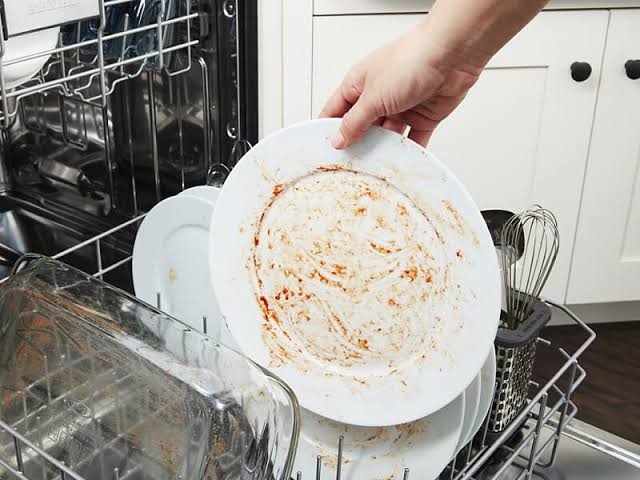
Step 1: Remove And Clean The Filter
Most dishwashers have a removable filter at the bottom of the tub. Twist it out and rinse it under hot water.
Use an old toothbrush to scrub away any stuck food particles. Do this once a month to prevent buildup.
Step 2: Wipe Down The Door Gasket
Run a damp cloth soaked in white vinegar along the entire rubber seal. Pay close attention to folds and corners where grime hides.
This single step often removes musty odors within minutes.
Step 3: Run A Vinegar Rinse Cycle
Place a cup of white vinegar in a dishwasher safe bowl on the top rack. Run a hot, empty cycle with no detergent.
Vinegar breaks down grease and neutralizes odor causing bacteria on contact.
Step 4: Follow With A Baking Soda Cycle
After the vinegar rinse, sprinkle a cup of baking soda across the bottom of the empty tub. Run a short hot cycle.
Baking soda absorbs lingering odors and helps freshen the interior surfaces.
Step 5: Check And Flush The Drain Hose
Locate the drain hose, usually behind or beneath the dishwasher. Disconnect it carefully and flush it with warm water to clear any trapped debris.
Reconnect the hose securely once it is fully rinsed.
Step 6: Inspect The Air Gap
If your sink has a small cylindrical air gap near the faucet, remove its cap and check for blockages. A clogged air gap can trap sewer gas and push it back into the dishwasher.
Natural Cleaning Solutions Compared
| Method | Best For | How Often |
|---|---|---|
| White vinegar rinse | Grease and general odor | Monthly |
| Baking soda cycle | Absorbing lingering smells | Monthly |
| Lemon juice soak | Fresh scent and mild descaling | As needed |
| Dishwasher cleaning tablets | Deep cleaning hard water scale | Every 1 to 2 months |
| Bleach rinse (non-stainless models only) | Killing bacteria and mold | Rarely, only if needed |
Preventing The Smell From Coming Back
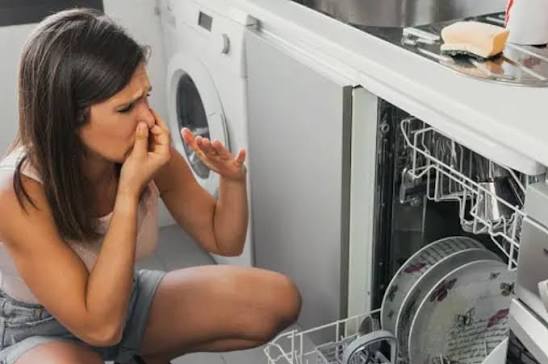
Scrape large food scraps off plates before loading them. Even a small amount of leftover sauce or grease adds up over dozens of cycles.
Run the dishwasher regularly instead of letting it sit unused for days. Standing food particles are far more likely to rot in a machine that goes idle.
Leave the door slightly open after each cycle. This lets moisture evaporate instead of feeding mold and bacteria overnight.
Clean the filter on a fixed schedule, such as the first of every month. A simple reminder prevents buildup from ever becoming a problem.
DIY Cleaning Versus Calling A Technician
Most rotten egg smells are fully solvable at home with a filter rinse, a gasket wipe, and a vinegar cycle. These fixes cost little more than a bottle of white vinegar and a bit of time.
Calling a technician makes more sense when the smell is tied to a mechanical issue like a failing pump, a persistent drain clog, or suspected sewer gas backup. Attempting to disassemble internal components without experience can void a warranty or cause further damage.
Why Your Water Heater Might Be The Real Cause
Sometimes the dishwasher itself is completely clean, yet the smell still shows up during the hot water fill. In that case, your water heater may be the actual source.
Many water heaters use a magnesium anode rod to prevent rust inside the tank. This rod can react with naturally occurring sulfate bacteria in the water, producing hydrogen sulfide gas.
That gas then travels through your hot water line and into the dishwasher during the fill cycle. You will usually notice the same smell from hot bathroom or kitchen taps if this is the cause.
How To Check If Your Water Heater Is The Source
Run your kitchen faucet on hot water only for about a minute. If the egg smell is strong from the tap itself, the dishwasher is not the problem.
A plumber can replace the magnesium anode rod with an aluminum or zinc alternative to reduce this reaction. Flushing the water heater tank annually also helps prevent buildup.
Mistakes To Avoid When Cleaning A Smelly Dishwasher
Mixing Bleach And Vinegar
Never combine bleach and vinegar in the same cycle or container. The mix releases chlorine gas, which is genuinely dangerous to breathe.
Ignoring The Spray Arms
The small holes in the spray arms can trap tiny bits of food and grease. Skip them, and the smell often returns within a week even after a full cleaning.
Overloading The Dishwasher
Packing dishes too tightly blocks water and detergent from reaching every surface. Leftover residue on unwashed spots contributes directly to bad odors.
Skipping The Manual Pre-Rinse Filter Check
Newer dishwashers without a garbage disposal grinder rely entirely on the filter to catch debris. Forgetting to check it regularly is the single most common reason odors return.
Expert Maintenance Schedule
| Task | Recommended Frequency |
|---|---|
| Rinse the filter | Every 2 to 4 weeks |
| Wipe the door gasket | Every 2 weeks |
| Run a vinegar rinse cycle | Once a month |
| Run a baking soda cycle | Once a month |
| Flush the drain hose | Every 3 to 6 months |
| Check the water heater anode rod | Once a year |
| Deep clean with a dishwasher cleaner tablet | Every 1 to 2 months |
Real World Example
A household running a dishwasher daily with heavy grease from cooking will build up residue far faster than one running it every other day with lighter meals. Adjust your cleaning frequency based on how often the machine runs and what kind of food debris it typically handles.
Skipping a pre-rinse on pots and pans, for instance, adds far more grease to the filter than lightly rinsed plates and cups. Small habits like this make a noticeable difference over a few weeks.
Signs You Need A Professional Repair
Most rotten egg smells clear up with cleaning alone. Call an appliance technician if you notice any of the following.
- Standing water that returns after every single cycle
- A burning or electrical smell along with the odor
- Drainage problems that persist after clearing the filter and hose
- A sewer gas smell throughout the kitchen, not just the dishwasher
Common Quirks By Dishwasher Brand
Whirlpool And KitchenAid
These brands commonly use a self-cleaning filter design that still needs an occasional manual rinse. Skipping this leads to slow buildup that eventually causes odor.
Bosch
Bosch dishwashers are known for tight door seals that trap moisture efficiently. This is great for quiet operation but means the gasket needs more frequent wiping to avoid mildew smells.
Frigidaire And Electrolux
Owners of these models often report standing water issues tied to the drain pump. If water pools after every cycle, check the pump and drain hose first.
Samsung And LG
These brands frequently include a self-clean or tub-clean cycle built into the control panel. Running this monthly cycle can replace a manual vinegar rinse in many cases.
Products That Help Keep Odors Away
- Dishwasher-safe filter cleaning tablets for monthly deep cleaning
- A soft-bristle brush dedicated to scrubbing the filter and gasket
- White vinegar and baking soda for a natural, low-cost routine
- A dishwasher-safe descaling agent for homes with hard water
- A small air freshener designed specifically for dishwasher use
Is A Rotten Egg Smell From A Dishwasher Dangerous?
Small amounts of hydrogen sulfide from food debris are unpleasant but generally not hazardous in a home kitchen setting. The gas becomes dangerous only at much higher concentrations than a dishwasher typically produces.
If the smell is strong throughout your home rather than isolated to the appliance, treat it as a plumbing or gas issue and contact a professional promptly.
How Long It Takes For The Smell To Disappear
Most odors clear up within one to two cleaning cycles once the filter and gasket are properly cleaned. A vinegar and baking soda combination usually shows noticeable improvement immediately.
Smells caused by a clogged drain hose or water heater anode rod can take a bit longer. Expect a few days of hot water use to fully flush lingering hydrogen sulfide from the plumbing.
If the smell has not improved at all after a full cleaning routine, treat that as a sign the cause lies outside normal maintenance. A blocked drain line or a mechanical pump issue may need professional attention.
When It Might Be Time To Replace Your Dishwasher
Older dishwashers, especially those over ten years old, accumulate buildup in places that are difficult to reach or clean. Worn gaskets and aging pumps also become more prone to leaks and standing water.
If you are cleaning the filter and gasket regularly but the smell keeps returning every few weeks, internal wear may be the root cause. At that point, a repair estimate can help you decide between fixing the unit and replacing it.
Newer models also tend to include better filtration and self-cleaning cycles that reduce this problem from the start.
Also Read:
- Why Does My Refrigerator Smell Like Rotten Eggs
- Why Does My House Smell Like Sulfur
- Why Does My Washing Machine Smell Like Sewage
- Why Does My Garbage Disposal Smell Bad
- Why Does My Tap Water Smell Like Eggs
- Why Does My AC Smell Musty
- Why Does My Basement Smell Like Sewer Gas
- Why Does My Water Heater Smell Like Rotten Eggs
- Why Does My Bathroom Smell Like Sewage
- Why Does My Dryer Smell Like It Is Burning
- Why Do Onions Make You Cry
- Why Is The Sky Blue
- Why Do Cats Purr
- Why Do We Dream
- Why Does Ice Float On Water
- Best Physics Puns For Science Lovers
- Funny Chemistry Puns And Jokes
- Why Does My Vacuum Smell Like It Is Burning
- Why Does My Microwave Smell Like Burning Plastic
- Why Does My Car AC Smell Bad
- Why Is My Room So Dusty
- Why Do I Sneeze When I Look At The Sun
- Why Does Coffee Make Me Tired
Frequently Asked Questions
Why does my brand new dishwasher smell like rotten eggs?
New dishwashers can trap manufacturing residue or leftover moisture from testing. Run one or two empty vinegar cycles before regular use to clear it.
Can a rotten egg smell in my dishwasher make me sick?
Small amounts from food debris are unpleasant but not typically dangerous. A strong, persistent smell throughout your home should be checked by a professional.
How often should I clean my dishwasher filter?
Clean the filter about once a month for most households. Larger families or heavy grease cooking may need it done every two weeks.
Will running an empty vinegar cycle damage my dishwasher?
No, white vinegar is safe for most dishwasher interiors when used occasionally. Avoid using it every single wash, as frequent use can affect rubber seals over time.
Why does my dishwasher smell even after I clean it?
Residue may still be trapped in the drain hose, gasket folds, or spray arms. A full vinegar and baking soda cycle combined with a manual gasket wipe usually resolves this.
Is it normal for a dishwasher to smell a little between cycles?
A faint food smell is common, especially before the next wash. A strong or worsening sulfur smell is not normal and points to trapped debris or a drainage issue.
Can hard water cause a rotten egg smell?
Hard water itself does not smell like eggs, but mineral buildup traps food particles and bacteria. Regular descaling reduces both scale and the odor it contributes to.
Should I use bleach to remove the smell?
Bleach can kill bacteria but may damage stainless steel interiors and rubber seals. Vinegar and baking soda are safer first options for most machines.
How do I know if the smell is from my dishwasher or my plumbing?
Run the dishwasher empty with the door closed, then open it right after the cycle ends. If the smell is strong immediately after, the appliance itself is the source.
Can a dirty garbage disposal cause my dishwasher to smell?
Yes, if your dishwasher drains through the garbage disposal, food buildup there can travel back into the appliance. Clean the disposal regularly alongside the dishwasher filter.
Conclusion
A rotten egg smell in your dishwasher almost always comes down to trapped food, standing water, or a dirty filter and gasket. These are simple problems with simple fixes once you know where to look.
Start with the filter and door seal, then move on to a vinegar and baking soda cycle for a deeper clean. Flush the drain hose and check the air gap if the smell persists.
With a regular monthly cleaning routine, most households can keep this odor from coming back at all. If the smell continues after trying every step here, it may be time to call an appliance technician to rule out a drainage or plumbing issue.
