

Why Do My Nails Hurt After Getting Acrylics? You just left the salon with a fresh set, but instead of admiring your nails, you’re wincing every time you touch something. If your nails hurt after getting acrylics, you’re far from alone.
Mild soreness after a new set is actually common. But there’s a difference between normal tenderness and pain that signals a real problem.
Why Do My Nails Hurt After Getting Acrylics?
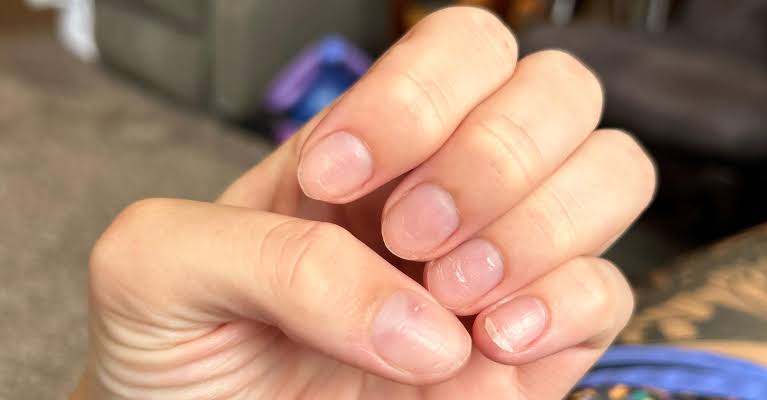
Nails usually hurt after acrylics because of filing, cuticle trimming, dehydration before application, or the acrylic bonding tightly to the nail plate.
Mild tenderness for a day or two is normal. Pain that lasts longer, or comes with redness, swelling, or heat, may point to an infection or an application problem.
Is Soreness After Acrylics Normal?
Yes, mild soreness is a normal part of getting acrylic nails. The natural nail is filed, dehydrated, and bonded to a new material, which can cause temporary sensitivity.
This tenderness typically fades within one to two days. Pain that continues beyond that window is not considered normal.
Common Reasons Your Nails Hurt After Acrylics
Several steps in the acrylic process can lead to short-term discomfort. Here are the most common causes nail technicians see.
Filing And Buffing The Natural Nail
Technicians file down the natural nail so the acrylic can bond properly. Overly aggressive filing can thin the nail plate and make it sensitive.
A light hand and a fine-grit file usually prevent this. If your nails feel unusually thin afterward, over-filing is a likely cause.
Nail Dehydration Before Application
Acrylic needs a properly dehydrated nail surface to adhere correctly. Dehydrators strip natural oils and moisture from the nail plate.
This process can leave nails feeling tight or slightly irritated at first. It is a necessary step, but it can contribute to short-term soreness.
Cuticle Trimming And Pushing

Cuticles are trimmed and pushed back so the acrylic sits neatly at the base of the nail. If live skin is nicked during this process, it can cause real pain.
Acrylic applied directly onto the cuticle can also cause pulling as it grows out. This is one of the more preventable causes of lingering discomfort.
Acrylic Bonding And Tightening
As acrylic cures, it creates a firm seal over the natural nail. Many people describe this as a tightening or pressure sensation.
This tightening is a normal part of the bonding process. It typically eases within a day as the nail adjusts.
Applying Acrylic Too Thick Or Too Close To The Cuticle
Acrylic applied too thickly, or too close to the skin, can create pressure and pinching. In more serious cases, this can lead to lifting or separation of the nail plate.
This issue usually comes from inexperienced application. Choosing an experienced technician helps prevent it.
Weak Or Damaged Natural Nails
Thin, weak, or already-damaged nails may not tolerate the extra weight and tension of acrylics well. This can cause more noticeable soreness than usual.
Strengthening treatments between sets can help. Some people find gel or press-on options more comfortable in the meantime.
Allergic Reaction To Acrylic Products
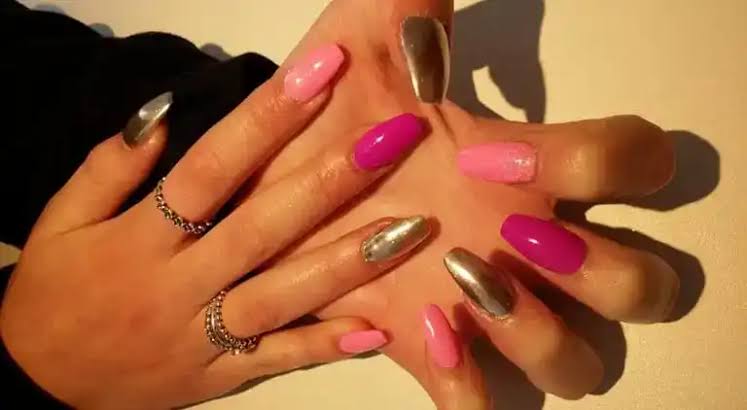
Some people develop sensitivity or an allergy to the monomer or polymer used in acrylics. This can cause redness, itching, swelling, or a burning sensation.
Allergic reactions require the nails to be removed. A doctor should be consulted if symptoms don’t improve quickly.
Nails That Are Too Long Or Improperly Shaped
Excess length adds leverage and strain on the natural nail bed. This can pull at the nail and cause ongoing soreness, especially with daily activities.
Choosing a manageable length reduces this strain considerably. Shorter, well-shaped sets tend to feel more comfortable long term.
Improper Removal From A Previous Set
Prying off acrylics or using metal tools aggressively can damage the nail plate. This often leaves nails feeling sore, flaky, or ridged for the next set.
Soaking off acrylics properly avoids this kind of trauma. It’s worth requesting proper removal at every appointment.
Normal Soreness vs. A Real Problem
| Symptom | Normal Soreness | Needs Attention |
|---|---|---|
| Mild tenderness for 1–2 days | Yes | — |
| Tightness right after application | Yes | — |
| Pain lasting more than 2–3 days | No | Yes |
| Redness, heat, or swelling | No | Yes |
| Throbbing or sharp pain | No | Yes |
| Green, black, or unusual discoloration | No | Yes |
| Pus or discharge under the nail | No | Yes |
How To Relieve Sore Nails After Acrylics
Try these steps if your soreness falls within the normal range.
- Soak your fingertips in cool water for a few minutes
- Apply cuticle oil around the nail base to ease tightness
- Avoid picking at or pressing on the acrylic
- Take an over-the-counter pain reliever if needed
- Give your hands a break from harsh chemicals or hot water
- Contact your salon if soreness doesn’t improve within a couple of days
Pros And Cons Of Acrylic Nails
| Factor | Pros | Cons |
|---|---|---|
| Durability | Lasts weeks without chipping | Requires regular fills |
| Customization | Many shapes, lengths, and designs | Poor shaping can cause strain |
| Nail Protection | Helps prevent nail biting | Can weaken natural nails over time |
| Comfort | Mild soreness usually short-lived | Can hurt more with poor application |
| Maintenance | Simple touch-ups between fills | Improper removal can damage nails |
Mistakes To Avoid
Avoiding these mistakes reduces both pain and long-term nail damage.
- Do not ignore pain that lasts more than a couple of days
- Do not pick, peel, or pry off acrylics yourself
- Do not choose a technician based on price alone
- Do not skip cuticle oil and aftercare between appointments
Expert Tips
- Speak up during your appointment if something feels painful
- Choose an experienced, well-reviewed nail technician
- Ask for proper soak-off removal instead of prying
- Take occasional breaks between acrylic sets to let nails recover
When To See A Doctor
See a doctor if pain is severe, worsening, or paired with swelling, heat, or discoloration. These signs can point to an infection that needs treatment beyond home care.
A broken natural nail underneath the acrylic can also cause sharp, sudden pain. This should be treated and disinfected right away.
Also Read:
- Meme Names – Best 15 Ideas
- Enjoy4Fun – Play Free Games Online
- Secrets To Winning Big On Online Slot Machines
- Literary Tools For Storytelling And Poetry
- Literary Devices VS Figurative Language
- 75 Literary Devices (A to Z List)
- Literary Devices For Storytelling
- 10 Literary Devices That Use Comparison
- Why Understanding Literary Devices Can Make You A Better Writer
- Literary Devices In The Scarlet Letter
- 50 Examples Of Figures Of Speech
- 50 Figures Of Speech (Types & Examples)
- 7 Figures Of Speech Examples In Poetry
- Figures Of Speech Examples In Literature
- 180 Leaf Puns That Will Leaf You Laughing
- Pun Creator: Generate Clever & Funny Puns
- 15 Weather Puns That Will Storm Your Heart
- Leaf It To Us: Short & Funny Plant Puns
- 50+ Tree Puns That’ll Leaf You Laughing
- Duck Pick Up Lines
- Tattoo Pick Up Lines
- WiFi Pick Up Lines
- Cow Pick Up Lines
- Pick Up Lines With Angels
- Dentist Chat Up Lines
Frequently Asked Questions (FAQs)
Why do my nails hurt after getting acrylics?
Nail soreness after acrylics usually comes from filing, dehydration, cuticle trimming, or the acrylic bonding tightly to the nail. Mild tenderness for a day or two is considered normal.
How long should my nails hurt after a new set of acrylics?
Normal soreness typically lasts one to two days. Pain lasting longer than that may point to an application issue or an underlying problem.
Is tightness after acrylics normal?
Yes, tightness is common as the acrylic cures and bonds to the natural nail. This sensation usually eases within a day.
Why does my nail hurt near the cuticle after acrylics?
This is often caused by cuticle trimming, pushed-back skin, or acrylic applied too close to the cuticle. It can also happen if live skin was nicked during the appointment.
Can filing too much cause nail pain?
Yes, overly aggressive filing thins the nail plate and can leave it feeling sensitive. A light touch with a fine-grit file helps prevent this.
Why do my nails feel tight after acrylics?
Tightness comes from the acrylic forming a firm seal over the natural nail as it cures. This is a normal, temporary sensation for most people.
Can I be allergic to acrylic nails?
Yes, some people react to the monomer or polymer used in acrylics. Redness, itching, swelling, or burning are common signs of an allergic reaction.
What should I do if my nails still hurt after two days?
Contact your nail salon or technician if soreness continues past two days. Persistent pain can indicate an application issue or infection that needs attention.
Can acrylic nails cause an infection?
Yes, improper application or removal can allow bacteria or fungus to get under the nail. Redness, swelling, heat, or discharge are warning signs of infection.
Why do my nails hurt more after removal than after application?
Improper removal, such as prying or excessive filing, can damage the natural nail plate. Proper soak-off removal helps avoid this kind of soreness.
Is it normal for one nail to hurt more than the others?
Yes, this can happen if one nail was filed more aggressively or had a nick during cuticle work. It can also mean that particular nail was weaker beforehand.
Can dehydrating the nail before acrylics cause pain?
Yes, dehydrators remove natural oils and moisture, which can leave nails feeling tight or slightly irritated. This is a normal part of proper acrylic application.
Should I get my acrylics removed if they hurt?
If pain is severe, worsening, or paired with swelling or discoloration, removal and a doctor’s opinion are recommended. Mild, short-term soreness usually does not require removal.
Can long acrylic nails cause more pain than short ones?
Yes, added length increases leverage and strain on the natural nail bed. Choosing a shorter, manageable length often feels more comfortable.
What can I do at home to relieve sore nails after acrylics?
Cool water soaks, cuticle oil, and avoiding harsh chemicals can help ease soreness. An over-the-counter pain reliever can also help with mild discomfort.
Can a broken nail under acrylic cause sudden pain?
Yes, a natural nail that breaks beneath the acrylic can cause sharp, sudden pain. The acrylic should be removed and the area disinfected promptly.
Do gel nails hurt less than acrylic nails?
Many people find gel extensions more comfortable since they act more like an overlay. Acrylic generally requires more aggressive nail prep, which can increase soreness.
How can I prevent my nails from hurting next time?
Choose an experienced technician, avoid excessive filing, and ask for proper soak-off removal. Taking breaks between sets also helps your natural nails recover.
Can weak nails make acrylics hurt more?
Yes, thin or damaged nails may not tolerate the extra weight and bonding of acrylics well. Strengthening treatments between sets can help reduce discomfort.
When is nail pain after acrylics a medical emergency?
Severe throbbing pain, spreading redness, heat, or pus under the nail should be treated as urgent. See a doctor promptly if you notice any of these signs.
Conclusion
A little soreness after getting acrylics is completely normal, especially in the first day or two. Ongoing pain, swelling, or unusual color changes are not something to brush off.
Paying attention to how your nails feel, choosing an experienced technician, and following proper aftercare all help keep your acrylics comfortable and healthy.
