

Nothing is more frustrating than reaching for a flashlight in the dark and getting nothing back. The good news is that why isn’t my flashlight working almost always has a quick, cheap answer.
Flashlights rely on a simple electrical circuit between the battery and the bulb, and most failures happen somewhere along that path.
This guide walks through the most common causes, from dead batteries to a stuck switch, plus what to do when your phone’s flashlight is the one acting up.
Why Flashlights Stop Working
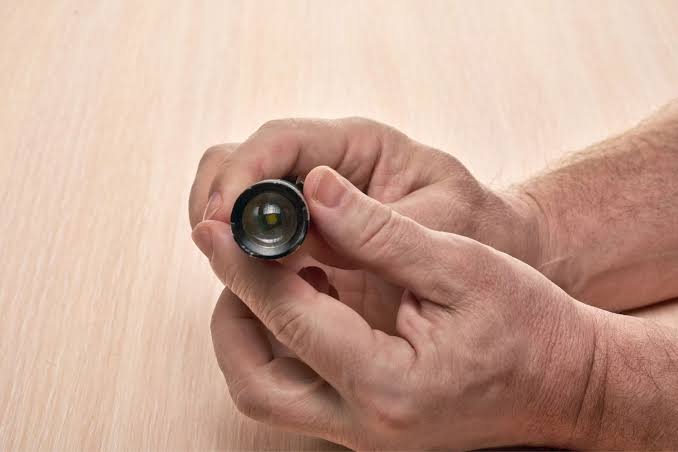
A flashlight usually stops working because of dead or corroded batteries, dirty metal contacts, a faulty switch, or a failed LED driver. Most of these problems can be fixed in under five minutes without any special tools.
Flashlights consist of metal contacts that form a circuit between the battery and the bulb, so any break in that circuit stops the light entirely.
Start with the simplest, most common causes before assuming something more serious is wrong.
Cause 1: Dead or Weak Batteries
Why This Happens
Batteries release less power as they discharge, so most flashlights fade from bright to dim before going out entirely rather than failing instantly.
Batteries left sitting unused for long periods can also slowly discharge, even without ever being turned on.
How to Fix It
Swap in a fresh, known-good set of batteries and test the flashlight immediately to confirm whether power was the issue.
Cause 2: Incorrect Battery Orientation
Why This Happens
Batteries inserted with reversed polarity, the positive and negative ends flipped, will not complete the circuit properly.
How to Fix It
Remove the batteries, check the plus and minus markings inside the compartment, and reinsert them correctly according to those markings.
Cause 3: Dirty or Corroded Contacts
Why This Happens
Old or leaking batteries commonly cause corrosion on the metal contacts inside the battery compartment, breaking the electrical connection.
Dirt and dust can also work their way between the battery and its contacts, or between the switch and its contacts.
How to Fix It
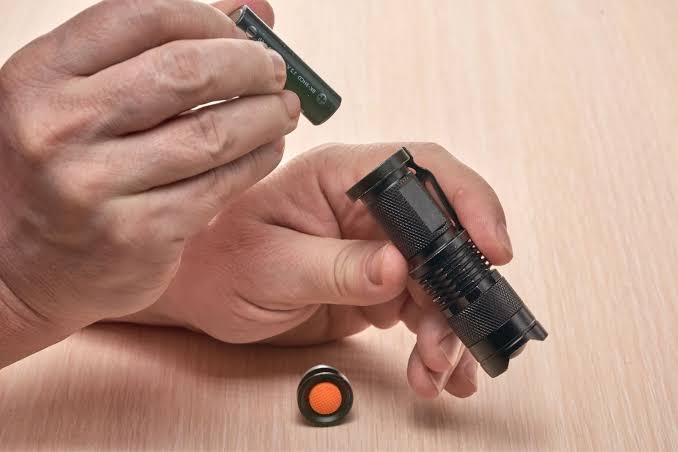
Open the flashlight, remove the batteries, and use a cotton swab with a small amount of rubbing alcohol to clean all visible dirt and corrosion.
Cause 4: A Loose or Faulty Switch
Why This Happens
Many flashlights use a tail switch that can become loose within its housing over time, even though the switch itself isn’t actually broken.
How to Fix It
Unscrew the tail cap and press the switch directly to test continuity, tightening the assembly if the switch feels loose.
Cause 5: Damaged O-Rings
O-rings are rubber gaskets sealing parts of the flashlight that open, such as the battery compartment and lamp housing.
Damaged or pinched O-rings can let in dirt or moisture, indirectly leading to the connection problems described above.
Cause 6: A Failed LED Driver
The driver regulates power flowing to the LED, and if it fails, the flashlight either won’t turn on or will stay dim regardless of battery condition.
Symptoms include flickering even with a full battery, a color shift toward blue or purple, or the light only working when tapped or shaken.
Driver replacement typically requires a repair shop rather than a simple at-home fix.
Cause 7: Physical Damage from Drops
Flashlights that have been dropped can develop loosened springs, driver components, or battery contacts inside the housing.
Gently tightening internal parts and stretching the battery spring slightly can sometimes resolve issues caused by an impact.
Flashlight Troubleshooting Checklist
| Step | What to Check | Fix |
|---|---|---|
| 1 | Battery charge | Replace with fresh batteries |
| 2 | Battery orientation | Reinsert matching polarity markings |
| 3 | Contact cleanliness | Clean with alcohol and a cotton swab |
| 4 | Switch function | Test continuity, tighten tail cap |
| 5 | O-ring condition | Inspect and replace if damaged |
| 6 | LED driver | Test with known-good battery; replace if faulty |
| 7 | Physical damage | Check for loosened internal components |
Why Isn’t My Rechargeable Flashlight Working?
Some rechargeable batteries disable themselves when over-discharged, requiring a smart charger to “wake” the cell before it will hold a charge again.
Try a different charging cable and adapter to rule out a faulty power source before assuming the flashlight itself has failed.
Dust or corrosion on charging pins is another common culprit, fixable with a soft brush and a small amount of isopropyl alcohol.
Why Isn’t My Phone’s Flashlight Working?
Software-Related Causes
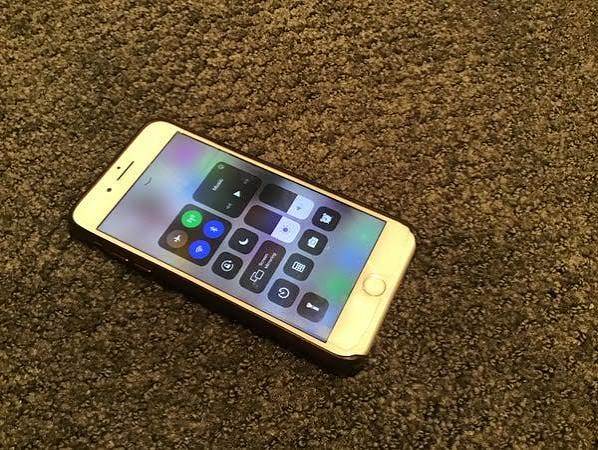
Power saver mode commonly disables the flashlight function to help conserve battery life, so check this setting first.
A misbehaving app using your camera can sometimes interfere with the flashlight, which is why testing in Safe Mode helps isolate software issues.
Steps to Fix a Phone Flashlight
- Turn off power saver mode in your device settings, since it often disables the flashlight function automatically.
- Restart your device to clear temporary software glitches affecting the flashlight.
- Boot into Safe Mode to check whether a third-party app is causing the problem.
- Update or reinstall the flashlight app, if you use one separate from your device’s built-in toggle.
- Factory reset as a last resort, after backing up your data, if software fixes don’t resolve it.
If none of these steps work, the issue is likely a hardware fault, and continuing to troubleshoot yourself can make things worse.
Do’s and Don’ts for Flashlight Troubleshooting
- Do start with the simplest, most common cause: batteries.
- Do clean contacts regularly to prevent corrosion before it causes failure.
- Do use a known-good battery to isolate whether the problem is power-related.
- Don’t attempt to open a sealed or waterproof flashlight without proper tools.
- Don’t continue disassembling a phone yourself once a hardware fault is confirmed.
Preventive Maintenance Tips
Clean battery contacts every few months, especially if the flashlight is used outdoors or in humid conditions.
Lubricate O-rings periodically to maintain proper sealing and prevent moisture or dirt from entering the housing.
Remove batteries entirely during long storage periods to prevent slow discharge and potential corrosion damage.
Key Takeaways
- Dead or incorrectly oriented batteries are the most common reason a flashlight stops working.
- Dirty or corroded contacts are a close second cause and are easily cleaned with rubbing alcohol.
- A loose tail switch often looks broken but usually just needs tightening.
- Phone flashlight issues are often software-related and fixable through settings or a restart.
- Regular contact cleaning and O-ring maintenance prevent most flashlight failures before they start.
Also Read:
- Why Do Men Have Longer Eyelashes? The Real Science Behind the Myth
- Why Are Dreams So Weird? The Science Explained
- Why Does My Dog Keep Coughing and Gagging? Causes and When to Worry
- Why Have I Been on My Period for 2 Weeks? Causes Explained
- Why Do People File Bankruptcy? Common Causes Explained
- Why Is a Flea Market Called a Flea Market? The Real Origin Explained
- Why Do We Have Ear Wax? The Real Purpose Explained
- Why Do Cats Love Bite? Meaning & How to Respond
- Why Is My Earwax Wet? Causes, Normal Types, and Warning Signs
- Why More People Are Spending Time in Online Gaming Spaces
- Why Is FedEx So Bad? The Real Reasons Behind the Complaints
- Why Are My Cat’s Ears Cold? Causes & When to Worry
- Why Do Dogs Get Skin Tags? Causes, Risks, and When to Worry
- Why Do People Cheat in Relationships? The Real Reasons
- Why Does My Pee Burn After Sex? Causes & Relief
- Why Is My Big Toe Hurting? Common Causes and What to Do About It
- Why Would I Be Referred to a Gastroenterologist? Full Guide
- Why Is the Corner of My Eye Itchy? Causes & Relief
- Why Is My Jaw Locking? Causes, Symptoms, and What to Do Next
- 50+ Plant Puns That’ll Leaf You Laughing!
- Cheesy Pizza Puns That’ll Make You Crust Laugh!
- 100+ Fishing Puns That Will Reel You In with Laughter!
- The Best Animal Puns That Are Paws-itively Funny!
- 71 Inches to cm: A Simple Conversion Guide
- 61 Inches to Feet: Easy Conversion Guide
Frequently Asked Questions (FAQs)
Why isn’t my flashlight turning on at all?
The most common cause is dead or incorrectly oriented batteries, followed by dirty contacts or a loose tail switch.
Why does my flashlight flicker instead of staying on?
Flickering often points to a failing LED driver or loose internal contacts, especially if it happens even with a full battery.
How do I clean corroded battery contacts in a flashlight?
Remove the batteries and use a cotton swab with a small amount of rubbing alcohol to clean visible corrosion from the contacts.
Why does my flashlight work only when I shake it?
This usually indicates a loose internal connection or a failing driver, since tapping or shaking temporarily reconnects the circuit.
Can a dropped flashlight stop working even without visible damage?
Yes, drops can loosen internal springs, contacts, or the driver board without any visible external damage to the housing.
Why won’t my rechargeable flashlight hold a charge?
Some lithium batteries disable themselves when over-discharged and need a smart charger to reactivate them properly.
What should I check first if my flashlight suddenly stops working?
Start with the batteries, checking both charge level and correct polarity orientation before investigating other causes.
Why is my phone’s flashlight not working even though the camera works fine?
This is often a software issue, such as power saver mode or an app conflict, rather than a hardware problem.
Does power saver mode really disable my phone’s flashlight?
Yes, many devices automatically disable flashlight functionality when power saver mode is active to help conserve battery.
How do I know if my flashlight problem is hardware or software?
For phones, booting into Safe Mode helps isolate the issue; if the flashlight works there, a third-party app is likely the cause.
Can O-rings really cause a flashlight to stop working?
Indirectly, yes; damaged O-rings let in dirt or moisture, which can then cause the connection problems that stop the flashlight from working.
Is it worth repairing an older flashlight or just replacing it?
For inexpensive flashlights, replacement is often more practical, while higher-end models are usually worth professional repair.
Conclusion
Why isn’t my flashlight working almost always comes down to one of a handful of simple, fixable causes, starting with the batteries.
Working through contacts, the switch, and O-rings covers nearly every common failure before you need to consider a failed driver or professional repair.
Regular cleaning and proper storage go a long way toward preventing most of these problems before they ever leave you in the dark.
