

Why Is My Earwax Wet? Noticing that your earwax is soft, sticky, or noticeably wet can feel odd, especially if you’re used to it looking dry and flaky.
In most cases, wet earwax is completely normal and simply comes down to genetics, not poor hygiene or an underlying problem.
Why Is My Earwax Wet?
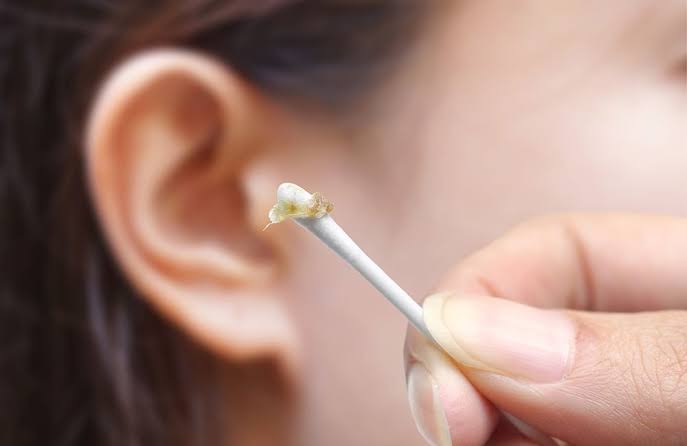
Wet earwax is usually genetic. It’s one of two natural earwax types, along with dry earwax, and is more common in people of European and African descent.
Wet earwax becomes a concern only if it’s watery, foul-smelling, or paired with pain, itching, or hearing changes, which can point to an infection.
The Two Types of Earwax
Earwax, medically called cerumen, comes in two main forms: wet and dry. Which one you have is set by your genes, not your habits.
Wet earwax is soft, sticky, and usually yellow to brown. Dry earwax is flaky, brittle, and typically gray or tan.
Why Genetics Decide Your Earwax Type
A single gene called ABCC11 determines whether you produce wet or dry earwax. The wet-type variant is dominant, so it only takes one copy from a parent to pass it on.
Wet earwax is most common in people of European and African descent, while dry earwax appears more often in people of East Asian and Indigenous ancestry.
Is Wet Earwax Normal?
Yes. Wet earwax is one of the two standard, healthy types of cerumen, not a sign of poor ear hygiene or infection on its own.
It actually does its job well, since the sticky texture is effective at trapping dust, dirt, and bacteria before they reach the eardrum.
What Wet Earwax Looks Like When It’s Healthy
- Soft and sticky in texture
- Yellow, honey-colored, or brown
- Present in moderate amounts, cleared out naturally over time
- Free of strong or unpleasant odor
- Not accompanied by pain, itching, or hearing loss
Wet Earwax vs. Watery Ear Discharge
It’s easy to confuse healthy wet earwax with fluid that signals a problem, so knowing the difference matters.
| Feature | Normal Wet Earwax | Concerning Ear Discharge |
|---|---|---|
| Texture | Sticky, soft | Watery, runny, or pus-like |
| Color | Yellow to brown | Clear, white, green, or bloody |
| Odor | Little to none | Foul or strong smell |
| Associated Symptoms | None | Pain, itching, fullness, hearing loss |
| Likely Cause | Genetics, normal gland function | Infection, ruptured eardrum, allergy |
Common Reasons Your Earwax Feels Wetter Than Usual
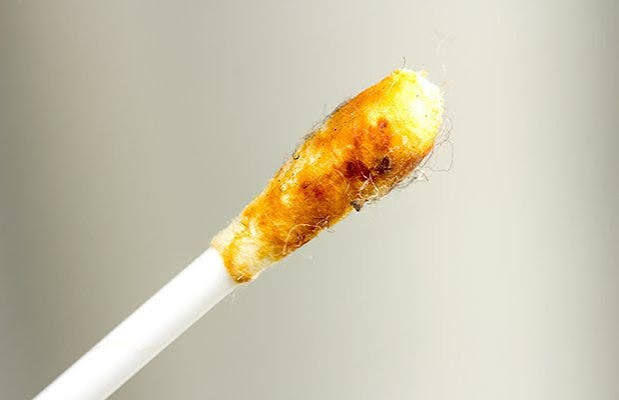
Genetics
If your parents have wet earwax, there’s a strong chance you do too, since the wet-type gene variant is dominant.
This is simply how your ear glands are built to function and isn’t something that changes based on cleaning habits.
Freshly Produced Earwax
Earwax starts out thin, clear, and watery when it’s first produced deep in the ear canal. It only thickens and darkens as it moves outward over time.
If you notice wetness soon after it forms, that’s often just newly made wax rather than anything unusual.
Sweat and Humidity
The glands that produce earwax are related to sweat glands, so hot weather, exercise, or humid conditions can increase moisture in the ear canal.
This kind of wetness usually resolves on its own and isn’t linked to any underlying issue.
Water Exposure
Swimming, showering, or washing your hair can leave water trapped in the ear canal, which can mix with earwax and make it feel wetter.
This is usually temporary and clears up once the trapped water drains or evaporates.
Excess Earwax Production
Some people naturally produce more cerumen than others. Higher wax volume can make the ear canal feel damp or full more often.
Using earbuds or hearing aids can also trigger extra wax production, since your ear may respond to the object as mild irritation.
Ear Infection
An infection in the outer or middle ear can cause genuinely watery or pus-like discharge, which is different from typical wet earwax.
This is often accompanied by pain, itching, a foul odor, or temporary hearing changes.
Ruptured Eardrum
A ruptured or perforated eardrum can allow fluid to leak into the outer ear canal, which may be mistaken for unusually wet earwax.
This typically comes with sudden ear pain, sometimes followed by relief, along with possible hearing loss or ringing.
Allergies
Allergic reactions affecting the ear, nose, and throat can sometimes lead to increased fluid or irritation in the ear canal.
This is usually accompanied by other allergy symptoms, like nasal congestion or itching, rather than isolated ear wetness.
When to See a Doctor
See a doctor if you notice watery discharge that isn’t typical sticky wax, especially if it’s clear, green, or has an unpleasant smell.
Also get checked if wetness comes with ear pain, itching, hearing loss, ringing, or a feeling of fullness that doesn’t go away.
Sudden ear pain followed by drainage can indicate a ruptured eardrum, which needs prompt medical evaluation to prevent complications.
How Ear Wetness and Discharge Are Diagnosed
A doctor typically starts with an otoscope exam to look inside the ear canal and check the eardrum for signs of infection or rupture.
If discharge is present, they may take a sample to identify whether bacteria or fungi are involved, which helps guide the right treatment.
Treatment Options
| Situation | Recommended Approach | Notes |
|---|---|---|
| Normal wet earwax | No treatment needed | Genetic and healthy |
| Mild wax buildup | Gentle at-home softening drops | Avoid cotton swabs |
| Trapped water | Tilt head, gentle drying | Usually resolves within a day |
| Outer ear infection | Prescription ear drops | Diagnosed by a doctor |
| Middle ear infection | Oral antibiotics if bacterial | Needs medical evaluation |
| Ruptured eardrum | Monitoring or specialist care | Most heal on their own |
Safe Ear Care Tips
- Let earwax clear out naturally through jaw movement like chewing and talking.
- Avoid cotton swabs, which push wax deeper instead of removing it.
- Dry your ears gently after swimming or showering.
- Use over-the-counter softening drops only as directed if wax buildup is bothering you.
- See a professional for wax removal if you have a history of ear problems or a perforated eardrum.
Mistakes to Avoid
- Don’t assume all ear wetness is infected; healthy wet earwax is common and harmless.
- Don’t insert cotton swabs, hairpins, or other objects into the ear canal.
- Don’t ignore foul-smelling or discolored discharge, since this usually needs medical attention.

Frequently Asked Questions (FAQs)
Is wet earwax a sign of poor hygiene?
No. Wet earwax is a genetic trait, not a result of hygiene habits, and is completely normal for many people.
Why is my earwax wet but I have no pain?
Painless wet earwax is usually just your natural, genetically determined earwax type doing its normal job.
Can stress cause wet earwax?
There’s no established direct link between stress and earwax wetness; genetics and gland activity are the main drivers.
Why does my earwax feel wet in the morning?
This is often due to earwax naturally shifting overnight, or moisture from sweat and normal ear gland activity building up.
Can wet earwax mean I have an ear infection?
Not on its own. An infection is more likely if wetness comes with pain, odor, itching, or hearing changes rather than typical sticky wax.
Does everyone with African or European ancestry have wet earwax?
Most people with this ancestry have the wet-earwax gene variant, though individual variation exists.
Can I change my earwax type?
No, earwax type is fixed by genetics and doesn’t change based on diet, cleaning habits, or environment.
Why is my earwax watery after swimming?
This is often trapped water mixing with earwax rather than a change in the wax itself, and it usually clears up quickly.
Should I clean wet earwax with cotton swabs?
No. Cotton swabs can push wax deeper into the canal and increase the risk of blockage or injury.
Can allergies make my ears feel wet?
Yes, allergic reactions can sometimes increase ear canal irritation and fluid, though this differs from typical wet earwax.
Is smelly wet earwax normal?
No, a strong or foul odor is not typical for healthy earwax and often signals infection or another issue worth checking.
Can earbuds cause more earwax production?
Yes, earbuds and hearing aids can stimulate extra wax production as the ear responds to the object’s presence.
How do I know if it’s earwax or ear discharge from an infection?
Healthy wax is sticky and yellow-brown, while infection-related discharge is often watery, discolored, or has a bad smell, sometimes with pain.
Can a ruptured eardrum cause wet earwax?
A ruptured eardrum can cause fluid drainage that may resemble wet earwax, usually alongside sudden pain or hearing changes.
Do children have wetter earwax than adults?
Earwax color and texture can appear lighter in children, but wetness is still primarily determined by genetics, not age.
Is it safe to use earwax softening drops at home?
Yes, for mild buildup, when used as directed, though you should avoid them if you suspect an eardrum injury.
Why does my ear feel wet even though there’s no visible discharge?
This can be due to normal moisture from earwax and sweat glands rather than a fluid problem.
Can hot weather make earwax feel wetter?
Yes, since the glands producing earwax are related to sweat glands, heat and humidity can increase ear canal moisture.
Should I see a doctor if only one ear has wet earwax and the other doesn’t?
It’s worth mentioning to a doctor if it’s a new or unusual change, especially with other symptoms, even though mild differences between ears can be normal.
Can wet earwax affect my hearing?
Typically not, unless excess wax builds up and blocks the canal, in which case a doctor can safely remove it.
Conclusion
Wet earwax is most often just genetics at work, not a hygiene problem or a red flag on its own.
Knowing what healthy wet earwax looks like, sticky, yellow-brown, and odor-free, makes it easier to spot when something’s actually off.
If wetness comes with pain, smell, itching, or hearing changes, that’s your cue to get it checked rather than waiting it out.
