

You go to yawn, take a bite, or start talking, and your jaw suddenly won’t move rightand you think Why Is My Jaw Locking? It might feel stuck open, stuck shut, or tight on one side.
This is more common than people think. Jaw locking usually points to a problem with your temporomandibular joint (TMJ), the hinge that connects your jawbone to your skull.
In most cases it isn’t an emergency, but it’s your body signaling that something in the joint, muscles, or bite needs attention.
Why Is My Jaw Locking?
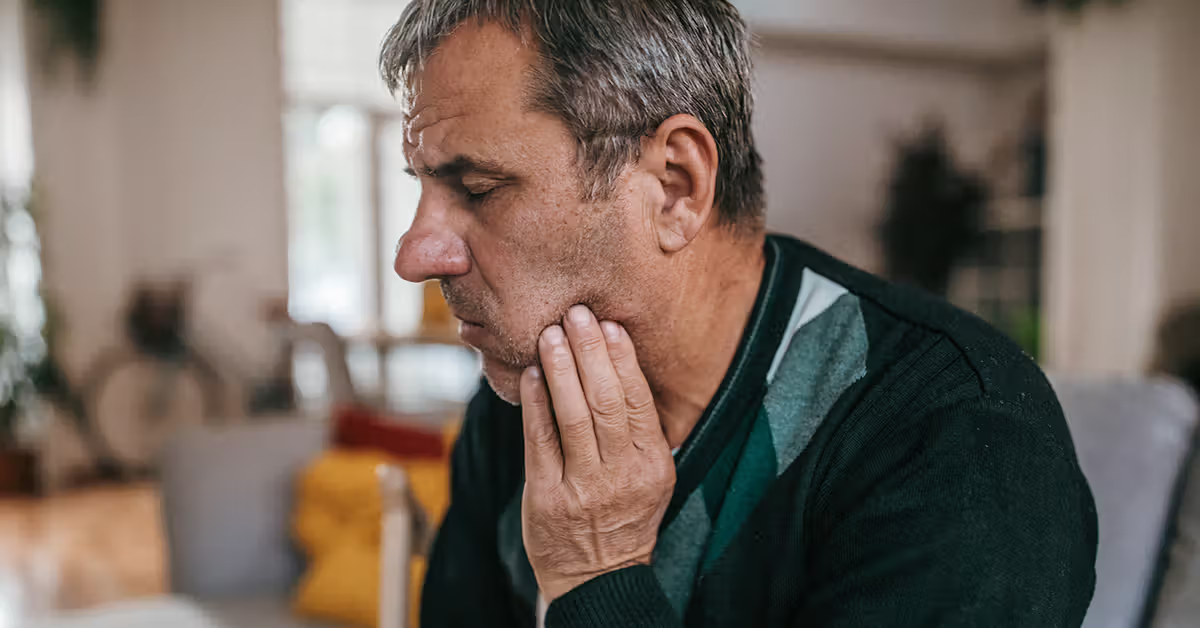
Jaw locking is most often caused by a TMJ disorder: a displaced disc, muscle tension from clenching or grinding, joint arthritis, or injury.
It can also happen after opening your mouth too wide. In rare cases, jaw stiffness is linked to tetanus, which needs urgent medical care.
What Does It Mean When Your Jaw Locks?
A locked jaw means the temporomandibular joint can’t move through its normal range. You may not be able to fully open, fully close, or move your jaw side to side.
Inside each TMJ sits a small cartilage disc that cushions the joint as you chew, talk, and yawn. When that disc slips out of place, or the surrounding muscles spasm, smooth movement stops.
Common Causes of a Locking Jaw
TMJ Disc Displacement
The cushioning disc inside the joint can shift out of its normal position. When it does, it can block the jawbone from gliding smoothly, causing a catch or full lock.
This is one of the most frequent reasons dentists see patients with locking, clicking, or popping jaws.
Bruxism (Teeth Grinding and Clenching)
Clenching or grinding your teeth, often during sleep or stress, overworks the jaw muscles. Over time, this tension can pull the joint out of its comfortable range.
Many people don’t realize they grind their teeth until a dentist points out the wear on their tooth surfaces.
Jaw Injury or Trauma
A fall, sports impact, or car accident can jolt the TMJ out of alignment. Even a seemingly minor hit to the face or jaw can cause swelling that limits movement.
Injury-related locking sometimes shows up days after the original trauma, once inflammation sets in.
Arthritis in the Jaw Joint
Just like knees and hips, the TMJ can develop osteoarthritis or rheumatoid arthritis. Degenerative changes in the joint surface can lead to stiffness, grinding sensations, and restricted opening.
This cause is more common in older adults but isn’t limited to them.
Stress and Muscle Tension
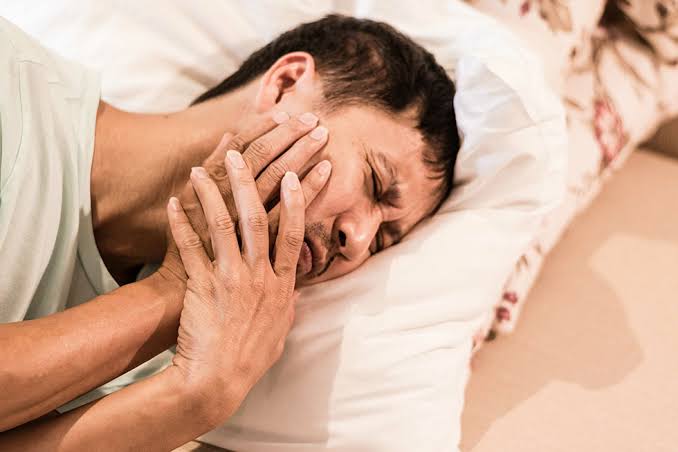
Chronic stress often shows up as unconscious jaw clenching. The chewing muscles stay tight for hours at a time without you noticing.
Fatigued, overworked muscles are more prone to spasm, which can pull the jaw into a locked position.
Misaligned Bite (Malocclusion)
When your upper and lower teeth don’t meet evenly, the jaw joint compensates by working harder on one side. That uneven load strains the ligaments and muscles around the joint.
Over months or years, this imbalance raises your risk of locking, especially during chewing.
Wide Yawning or Overuse
Opening your mouth very wide, during a big yawn, a large bite, or a long dental appointment, can push the jaw joint past its comfortable limit. The joint can slip forward and momentarily lock open.
People with naturally loose or hypermobile joints are more prone to this type of lock.
Tetanus-Related Lockjaw (Rare)
True “lockjaw” can be an early symptom of tetanus, a serious bacterial infection affecting the nervous system. It causes painful, sustained muscle contraction, not just in the jaw but potentially elsewhere in the body.
This is rare in vaccinated populations but is a medical emergency if suspected.
Open Lock vs. Closed Lock
Jaw locking generally falls into two categories, and knowing which one you have helps guide treatment.
| Type | What Happens | Common Cause |
|---|---|---|
| Closed Lock | Mouth is stuck shut or barely opens | Disc displacement without reduction, muscle spasm |
| Open Lock | Mouth is stuck wide open and won’t close | Joint hypermobility, condyle sliding past its normal stopping point |
Symptoms That Often Come with Jaw Locking
- Clicking, popping, or grating sounds when moving the jaw
- Pain in the jaw, ear, or temple area
- Difficulty chewing or fully opening your mouth
- Jaw shifting visibly to one side when opening
- Headaches or neck tension
- Ear fullness or ringing without an ear infection
These symptoms tend to build gradually before a full lock happens, so early ones are worth paying attention to.
When to See a Doctor or Dentist
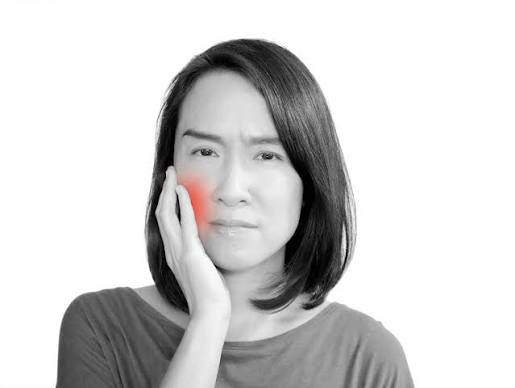
Book an appointment if locking happens more than once, lasts longer than a few minutes, or comes with significant pain or swelling.
You should seek urgent care if you cannot close your mouth at all, if a jaw injury caused the locking, or if you notice muscle stiffness spreading beyond your jaw, which could point to tetanus.
A dentist, TMJ specialist, or oral and maxillofacial surgeon can examine the joint, check your bite, and may order imaging to see what’s happening inside.
What to Do If Your Jaw Locks Right Now
- Stay calm. Tensing up from fear tightens the surrounding muscles and can make the lock worse.
- Stop trying to force your jaw open or closed.
- Relax your jaw muscles with slow, gentle breathing for a minute.
- Gently try small side-to-side movements rather than a big open or close.
- If it doesn’t release within a few minutes, or you’re in significant pain, seek care the same day.
How Jaw Locking Is Diagnosed
A clinician typically starts with a physical exam, checking your bite, listening for joint sounds, and measuring how wide you can open your mouth.
If needed, they may order an X-ray, CT scan, or MRI to look at the joint, disc, and surrounding bone in detail.
Treatment Options
| Option | What It Involves | Best For |
|---|---|---|
| Self-care and rest | Soft foods, jaw rest, warm compresses | Mild, occasional locking |
| Night guard or splint | Custom device worn during sleep | Grinding and clenching |
| Physical therapy | Jaw stretches and posture exercises | Muscle tension, mild disc issues |
| Medication | Anti-inflammatories or muscle relaxants | Pain and swelling |
| Manual reduction | A clinician gently repositions the joint | Acute lock episodes |
| Surgery | Arthrocentesis or joint surgery | Severe, unresponsive cases |
Most people improve with conservative, non-surgical care. Surgery is generally considered only after other options haven’t worked.
Prevention Tips
- Avoid extremely wide bites, like huge sandwiches or apples.
- Limit hard or chewy foods during flare-ups.
- Manage stress with breathing exercises or short breaks during the day.
- Practice good posture, especially during long hours at a screen.
- Wear a night guard if you know you grind or clench.
- Avoid resting your chin on your hand or cradling a phone between your ear and shoulder.
Mistakes to Avoid
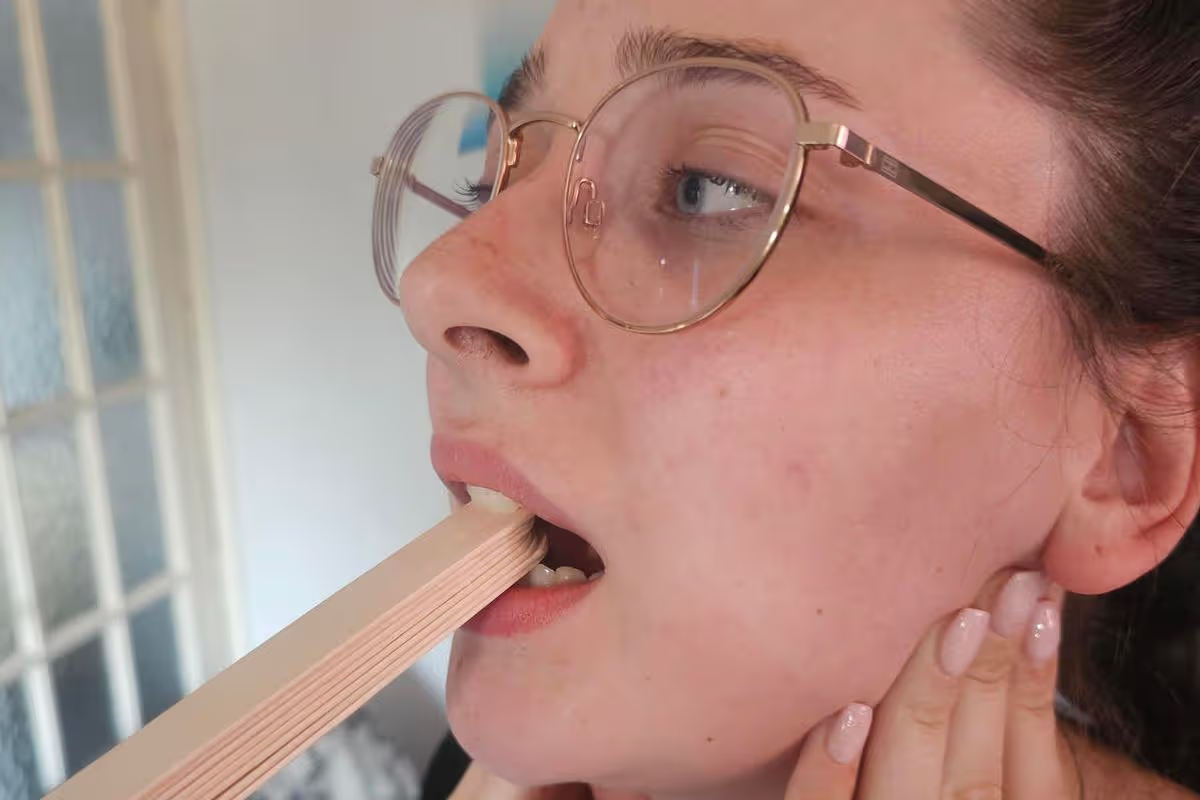
- Don’t force the jaw open or shut when it locks.
- Don’t ignore repeated clicking, thinking it will resolve on its own.
- Don’t skip a dental check simply because the pain comes and goes.
Frequently Asked Questions (FAQs)
Why does my jaw keep locking on one side?
One-sided locking is usually caused by uneven strain on the joint, often from a misaligned bite, one-sided chewing habits, or muscle tension concentrated on that side.
Is a locked jaw an emergency?
It’s usually not life-threatening, but a jaw that won’t move at all, follows an injury, or comes with spreading muscle stiffness needs prompt medical attention.
Can stress really cause my jaw to lock?
Yes. Stress often leads to unconscious clenching and grinding, which fatigues the jaw muscles and increases the risk of locking.
How long does a locked jaw usually last?
A brief lock may release within minutes with gentle movement. Locking that lasts longer or recurs regularly usually needs professional evaluation.
What’s the difference between TMJ and TMD?
TMJ refers to the joint itself. TMD (temporomandibular disorder) refers to the condition or dysfunction affecting that joint and its muscles.
Can I fix a locked jaw myself?
Mild, occasional locking often responds to rest, warm compresses, and gentle movement. Frequent or painful locking needs a dentist or TMJ specialist.
Does jaw locking mean I need surgery?
No. Most cases improve with conservative treatments like night guards, physical therapy, and lifestyle changes. Surgery is a last resort.
Can teeth grinding at night cause jaw locking during the day?
Yes. Nighttime grinding fatigues and inflames the jaw muscles, which can lead to stiffness or locking the next day.
Why does my jaw lock when I yawn?
Wide yawning can push the jaw joint past its normal range, especially if you have loose or hypermobile joints, causing it to temporarily catch or lock.
Is jaw locking linked to headaches?
Yes. The muscles involved in jaw movement are connected to those in the temples and neck, so jaw problems often trigger tension headaches.
Can a chiropractor help with jaw locking?
Some chiropractors and physical therapists offer jaw and neck-focused treatment, but a dentist or TMJ specialist should be your first stop for diagnosis.
What does it mean if my jaw clicks but doesn’t lock?
Clicking without locking usually means the disc is moving slightly out of place but still sliding back, a milder stage of the same disc-related issue.
Can wisdom teeth cause jaw locking?
Yes. An infected or impacted wisdom tooth can trigger muscle spasm around the jaw, restricting movement.
Why does my jaw lock more in the morning?
Morning locking is often linked to nighttime clenching or grinding, which leaves the muscles and joint inflamed by the time you wake up.
Should I put ice or heat on a locked jaw?
Heat generally helps relax tense muscles, while ice can reduce swelling after an injury. Alternate or choose based on whether pain or swelling is the main issue.
Can poor posture cause jaw locking?
Yes. Forward head posture, common with phone and computer use, strains the neck and jaw muscles and can contribute to locking over time.
Does jaw locking get worse with age?
It can, particularly if the underlying cause is arthritis, since joint wear tends to progress gradually over the years.
What specialist treats a locked jaw?
Dentists, oral and maxillofacial surgeons, and TMJ or orofacial pain specialists all treat jaw locking, depending on severity.
Can anxiety make jaw locking feel worse?
Yes. Anxiety increases muscle tension throughout the body, including the jaw, which can make an existing lock feel tighter and more painful.
Is it normal for a locked jaw to pop back into place on its own?
It can happen, especially with mild cases, but recurring lock-and-release episodes still deserve a professional evaluation to prevent worsening.
Conclusion
A locking jaw is uncomfortable and unsettling, but it’s rarely a mystery once you look at the likely causes: disc displacement, muscle tension, injury, arthritis, or bite problems.
Paying attention to early signs like clicking, soreness, or one-sided strain can help you catch the issue before it becomes a full lock. Simple habits, avoiding wide bites, managing stress, and treating grinding, go a long way in prevention.
If locking happens often, lasts more than a few minutes, or comes with real pain, it’s worth getting an evaluation from a dentist or TMJ specialist rather than waiting it out.
This article is for general information only and isn’t a substitute for professional dental or medical advice. If you’re dealing with ongoing jaw pain or locking, please consult a qualified healthcare provider.
