

Why Do We Have Ear Wax? Ear wax often gets a bad reputation as something gross to scrub away. In reality, it’s one of your body’s simplest and most effective self-defense systems.
Doctors describe ear wax, or cerumen, as a natural barrier that protects, cleans, and moisturizes your ear canal around the clock.
Why Do We Have Ear Wax?
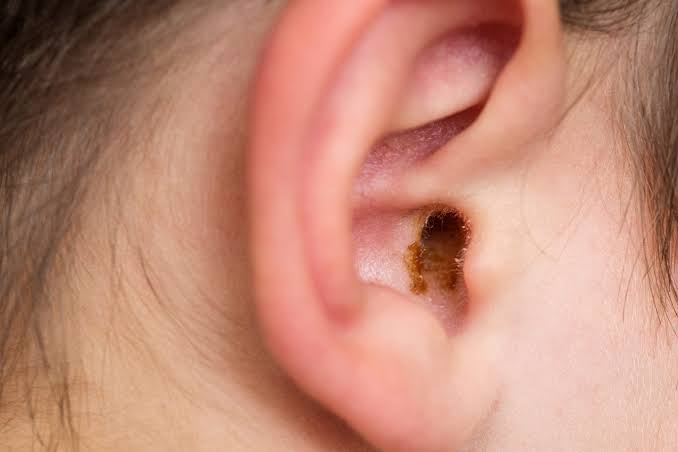
Ear wax exists to protect your ear canal from dust, debris, water, and infection. Glands inside the ear canal produce it continuously, and it naturally carries trapped particles out of the ear as part of the body’s self-cleaning process.
What Exactly Is Ear Wax?
Ear wax, medically known as cerumen, is a waxy substance made mostly of dead skin cells, hair, and secretions from glands in your ear canal. Despite the name, it isn’t actually a true wax.
Two types of glands produce it. Sebaceous glands release an oily substance that keeps skin from drying out, while ceruminous glands release antimicrobial proteins that help fight germs.
Wet Wax vs. Dry Wax
Not everyone produces the same type of ear wax, and the difference comes down to genetics.
| Type | Texture | Common In |
|---|---|---|
| Wet wax | Sticky, yellow to brown | People of European and African descent |
| Dry wax | Flaky, gray to tan | People of East Asian descent |
Both types are completely normal and serve the same protective purpose.
The Real Reasons Your Body Makes Ear Wax
Ear wax isn’t just a byproduct. It performs several distinct jobs that keep your ears healthy.
- Traps dust, dirt, and small insects before they reach the eardrum
- Keeps the ear canal’s skin lubricated and prevents dryness or itching
- Contains antimicrobial compounds that limit bacterial and fungal growth
- Naturally carries out old skin cells and debris as it moves outward
- Creates a mild acidic environment that discourages infection
It’s a Natural Self-Cleaning System
Ear wax doesn’t just sit still. Jaw movements from talking and chewing gradually push older wax toward the opening of the ear canal, where it dries and flakes away on its own.
This means most people never need to actively clean the inside of their ears at all.
It Fights Off Infection
The antimicrobial proteins in ear wax help create an environment that’s inhospitable to many bacteria and fungi. This is part of why doctors generally discourage removing all of it.
Producing too little ear wax can actually raise the risk of ear canal infections, not lower it.
Does Everyone Produce the Same Amount of Ear Wax?
No. Wax production varies by genetics, age, and even ear canal shape. Some people naturally produce more than others without it causing any problems.
As people get older, skin inside the ear canal tends to become drier and flakier, which can sometimes lead to more noticeable wax buildup.
When Ear Wax Becomes a Problem
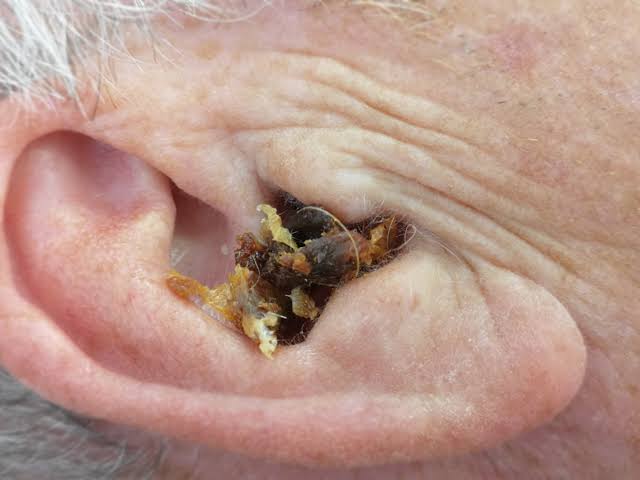
Ear wax only becomes an issue when it builds up faster than it clears out, a condition doctors call impacted cerumen. Around 5 percent of adults experience excessive or impacted earwax.
Common Causes of Buildup
Certain habits and conditions make impaction more likely.
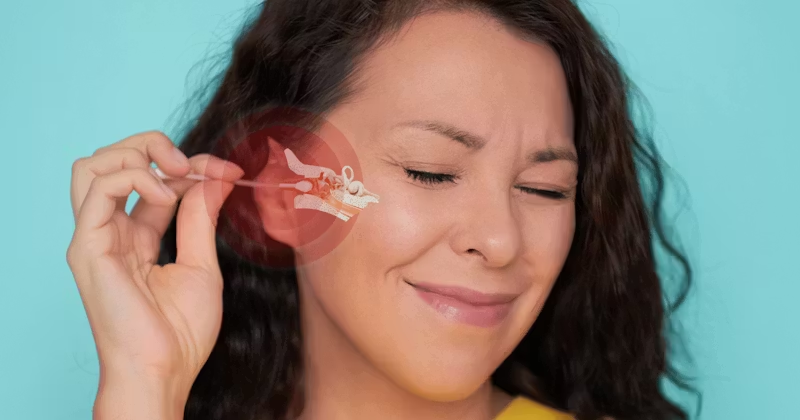
- Using cotton swabs, which often push wax deeper instead of removing it
- Wearing earbuds, hearing aids, or earplugs for long stretches
- Having naturally narrow ear canals
- Conditions like eczema or psoriasis that affect skin in the ear canal
- Natural changes in skin texture that come with aging
Symptoms of Impacted Ear Wax
Watch for these signs if you suspect a blockage.
- A feeling of fullness or pressure in the ear
- Muffled or reduced hearing
- Ringing in the ear, known as tinnitus
- Mild dizziness or balance issues
- Earache or a persistent itch
Safe Ways to Remove Excess Ear Wax at Home
If your doctor confirms you have mild buildup, a few gentle methods can help.
- Add a few drops of hydrogen peroxide or mineral oil while lying with the affected ear facing up.
- Let the liquid sit for 5 to 15 minutes to soften the wax.
- Tip your head to let the liquid and loosened wax drain out onto a tissue.
- Optionally rinse gently with lukewarm water using a bulb syringe.
- Dry the outer ear with a soft cloth.
Methods to Avoid
Some popular home remedies do more harm than good, according to medical experts.
| Method | Why to Avoid It |
|---|---|
| Cotton swabs | Push wax deeper instead of removing it |
| Ear candling | Risk of burns; wax can get stuck in the ear |
| Bobby pins or paper clips | Can puncture or scratch the eardrum |
| At-home vacuum or camera tools | Can damage the ear canal or eardrum |
When to See a Doctor
Certain symptoms mean it’s time to stop trying home remedies and get professional care.
- Ear pain, bleeding, or unusual discharge
- Significant or sudden hearing loss
- Dizziness or a spinning sensation
- Home remedies that don’t resolve the blockage after a few tries
- Recurring wax impaction more than once or twice a year
A doctor can safely remove impacted wax using tools like a wax spoon, suction device, or gentle water irrigation, which are far safer than at-home tools.
Ear Wax in Children
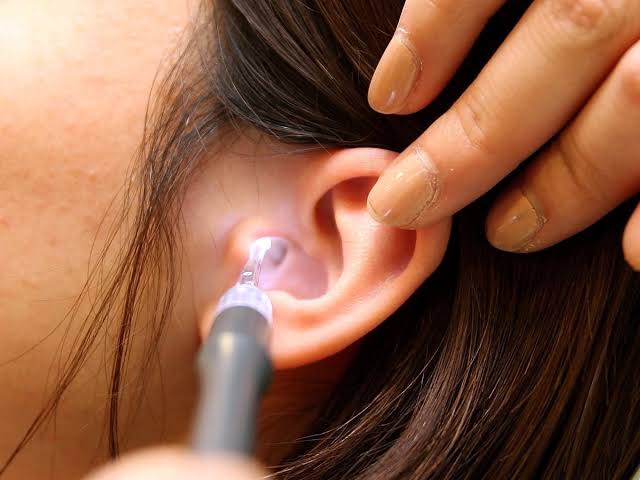
Children can experience wax buildup too, and the same rule applies: avoid inserting objects into their ears. If you suspect impaction in a child, a pediatrician can examine the ear and recommend safe treatment.
Mistakes to Avoid With Ear Wax
A few habits tend to cause more harm than the wax itself.
- Don’t insert cotton swabs directly into the ear canal.
- Don’t assume itching always means you need to remove wax; overcleaning can cause it.
- Don’t use ear drops if you suspect an ear infection without checking with a doctor first.
- Don’t rely on ear candling, since it isn’t proven effective and carries real injury risk.
Key Takeaways
- Ear wax protects the ear canal from dust, debris, water, and infection.
- It’s made of dead skin cells, hair, and secretions from two types of glands.
- Wax naturally moves out of the ear on its own through jaw movement.
- Cotton swabs are one of the most common causes of impacted wax.
- About 5 percent of adults experience impacted or excessive earwax.
- Hydrogen peroxide or mineral oil drops are a safe first step for mild buildup.
- Ear pain, bleeding, dizziness, or sudden hearing loss call for a doctor’s evaluation.
Frequently Asked Questions (FAQs)
Why does the body produce ear wax?
Ear wax protects the ear canal from dust, debris, and infection while keeping the skin inside moisturized. It’s produced continuously by glands in the ear canal.
Is ear wax actually made of wax?
No, despite the name, ear wax is mostly dead skin cells, hair, and secretions from sebaceous and ceruminous glands, not a true wax.
Is it bad to have a lot of ear wax?
Not necessarily. Wax amount varies by person. It only becomes a problem when it builds up enough to block the ear canal, causing symptoms like fullness or reduced hearing.
Should I clean my ears every day?
No. Most people don’t need to actively clean the inside of their ears, since wax moves out naturally on its own through jaw movement.
Why shouldn’t I use cotton swabs to clean my ears?
Cotton swabs often push wax deeper into the ear canal instead of removing it, which can lead to impaction and even eardrum injury.
What color should normal ear wax be?
Normal ear wax ranges from yellow to brown for wet wax, or gray to tan for dry wax, depending on genetics.
Can too little ear wax cause problems?
Yes. Very little ear wax can leave the ear canal dry and more vulnerable to infection, since wax has natural antimicrobial properties.
What is impacted earwax?
Impacted earwax happens when wax builds up faster than it clears out, fully or partially blocking the ear canal.
Is ear candling safe?
No. Medical experts do not recommend ear candling, since it can cause burns and doesn’t reliably remove wax.
When should I see a doctor about ear wax?
See a doctor if you have ear pain, bleeding, dizziness, sudden hearing loss, or if home remedies fail to resolve a blockage.
Can earbuds cause ear wax buildup?
Yes. Wearing earbuds, earplugs, or hearing aids for long periods can push wax deeper and interfere with its natural outward movement.
Is it normal for children to have ear wax?
Yes, ear wax production is normal at any age. If a child shows signs of blockage, a pediatrician should examine and treat it safely.
What ingredients help safely soften ear wax at home?
Hydrogen peroxide and mineral oil are commonly recommended to soften mild wax buildup before gentle rinsing.
Can allergies affect ear wax production?
Yes. Allergies can contribute to inflammation that affects natural ear drainage, sometimes increasing the risk of wax impaction.
Conclusion
Ear wax isn’t a flaw in the body’s design. It’s a built-in defense system that protects, cleans, and moisturizes the ear canal without any effort on your part.
The healthiest approach is usually to leave it alone unless you notice symptoms of a blockage. When buildup does happen, gentle at-home methods or a quick visit to a doctor can resolve it safely.
