

Every time a house track drops at a club or festival, someone in the crowd wonders where that name actually comes from. Why is it called house music, and what does a music genre have to do with a home?
The answer traces back to 1980s Chicago, one legendary nightclub, and a DJ whose sound changed dance music forever. This guide breaks down the real story behind the name, the competing theories, and how the genre grew from one club into a global movement.
Why Is It Called House Music?
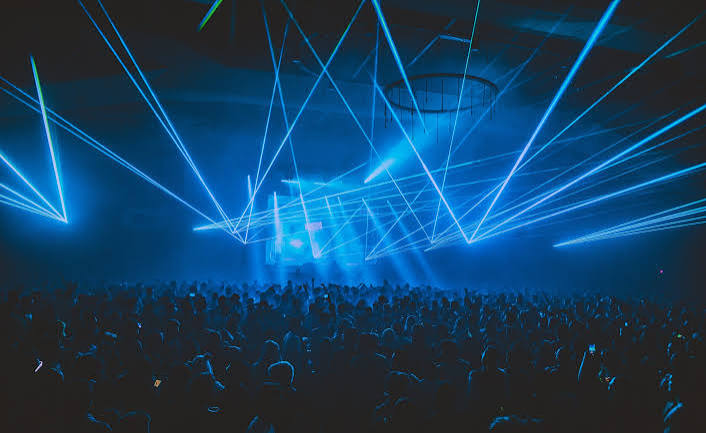
House music gets its name from The Warehouse, a Chicago nightclub where DJ Frankie Knuckles played genre-defining sets in the early 1980s. Record stores began labeling similar-sounding tracks “as played at The Warehouse,” which was later shortened to “house music.”
A second theory suggests the name comes from DJs producing tracks at home using affordable drum machines and samplers. Both explanations are connected to the same DIY, community-driven spirit.
The Warehouse Club And The Birth Of A Genre
The most widely accepted origin story points to The Warehouse, a nightclub on South Jefferson Street in Chicago. It operated in the late 1970s and early 1980s as a haven for the city’s Black and Latino gay community.
DJ Frankie Knuckles held a residency there, blending disco, funk, and electronic elements into a driving, danceable sound. Patrons and local record stores began referring to this sound simply as “house music.”
Frankie Knuckles, The Godfather Of House
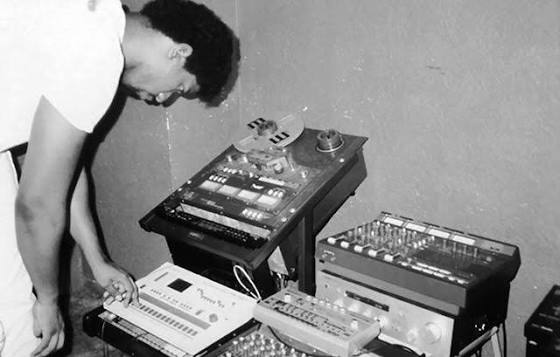
Frankie Knuckles is widely credited as the founder of house music and is often called its “godfather.” His sets combined classic disco records with drum machines and reworked rhythms.
He didn’t just play music, he transformed it into something new for the dance floor. This innovation became the foundation for the entire house music genre.
From “Warehouse Music” To “House Music”
As The Warehouse’s reputation grew, Chicago record stores began stocking tracks similar to what Knuckles played. These records were labeled “as played at The Warehouse.”
Over time, that label was shortened first to “Warehouse music,” then simply to “house music.” The name stuck, and a new genre officially had its identity.
The “Made At Home” Theory
A second explanation focuses on how early producers actually made their music. Without access to professional studios, many DJs and producers built tracks using affordable gear in their own homes.
Drum machines like the Roland TR-808, along with samplers and basic mixers, turned bedrooms and basements into makeshift studios. Some believe this DIY production style is where the “house” name truly comes from.
Comparing The Two Origin Theories
| Theory | Core Idea | Supporting Evidence |
|---|---|---|
| The Warehouse Club Theory | Named after Frankie Knuckles’ Chicago club | Widely cited by historians and music journalists |
| Made-At-Home Theory | Named after DIY home production methods | Reflects the affordable gear used by early producers |
Both theories aren’t mutually exclusive. Many historians believe the name likely grew from a mix of both the club’s influence and the genre’s accessible, homemade production style.
House Music And The Decline Of Disco
House music emerged directly from disco’s decline in the late 1970s. Disco had become mainstream, commercialized, and, for many underground fans, lost its original edge.
DJs responded by remixing disco records into faster, more repetitive, bass-driven tracks. This anti-commercial spirit is part of why “house” came to represent independence and accessibility.
The Role Of New York’s Paradise Garage
While Chicago is considered the birthplace of house, New York’s Paradise Garage club played a parallel role. Resident DJ Larry Levan fused disco with European electronic influences from acts like Kraftwerk and Depeche Mode.
This sound became known as “garage music” in some circles. The overlap between garage and house reflects how closely the two scenes influenced each other.
Key Entities Behind House Music’s Origin
| Entity | Role |
|---|---|
| The Warehouse | Chicago club credited with inspiring the genre’s name |
| Frankie Knuckles | DJ known as the “Godfather of House” |
| Ron Hardy | DJ at Chicago’s Music Box, a key figure in the scene |
| Larry Levan | DJ at New York’s Paradise Garage, linked to garage music |
| Roland TR-808 | Drum machine central to early house production |
| Chicago | City widely credited as house music’s birthplace |
How House Music Evolved Into A Global Genre
House music didn’t stay confined to Chicago clubs for long. Its 4/4 rhythm, typically between 120 and 130 beats per minute, made it easy to adopt across cities and countries.
The genre eventually spread to Europe, influencing UK garage, and later evolved into numerous subgenres worldwide. Today, it remains a foundational style within electronic dance music globally.
Popular House Music Subgenres
- Deep house, known for smoother, jazz-influenced tones
- Tech house, blending house rhythms with techno elements
- Progressive house, built around gradual builds and melodic layers
- Afro house, incorporating African rhythms and percussion
- Acid house, defined by the squelchy Roland TB-303 bassline
Why The Name Still Matters Today
The name “house music” carries meaning beyond a simple genre label. It represents community, inclusion, and a sense of belonging that started on Chicago’s dance floors.
For many fans and producers, “house” still symbolizes a home, a place where people came together through sound. That meaning has helped the genre stay culturally significant for over four decades.
Mistakes People Make About House Music’s Name
- Assuming the name refers to a specific music style rather than its origin
- Believing house music started in Europe instead of Chicago
- Overlooking Frankie Knuckles’ role in shaping the genre’s identity
- Confusing house music with unrelated genres like techno from the start
Expert Tips For Understanding House Music History
- Look into Frankie Knuckles’ discography to hear the genre’s earliest sound
- Compare early Chicago house tracks with modern subgenres to hear the evolution
- Explore Paradise Garage’s influence to understand house’s East Coast connection
- Read about the Roland TR-808 to understand house’s technological roots
Also Read:
- Meme Names – Best 15 Ideas
- Enjoy4Fun – Play Free Games Online
- Secrets To Winning Big On Online Slot Machines
- Literary Tools For Storytelling And Poetry
- Literary Devices VS Figurative Language
- 75 Literary Devices (A to Z List)
- Literary Devices For Storytelling
- 10 Literary Devices That Use Comparison
- Why Understanding Literary Devices Can Make You A Better Writer
- Literary Devices In The Scarlet Letter
- 50 Examples Of Figures Of Speech
- 50 Figures Of Speech (Types & Examples)
- 7 Figures Of Speech Examples In Poetry
- Figures Of Speech Examples In Literature
- 180 Leaf Puns That Will Leaf You Laughing
- Pun Creator: Generate Clever & Funny Puns
- 15 Weather Puns That Will Storm Your Heart
- Leaf It To Us: Short & Funny Plant Puns
- 50+ Tree Puns That’ll Leaf You Laughing
- Duck Pick Up Lines
- Tattoo Pick Up Lines
- WiFi Pick Up Lines
- Cow Pick Up Lines
- Pick Up Lines With Angels
- Dentist Chat Up Lines
Frequently Asked Questions (FAQs)
Why is it called house music?
House music is named after The Warehouse, a Chicago nightclub where DJ Frankie Knuckles played genre-defining sets in the early 1980s. Record stores shortened “as played at The Warehouse” into “house music.”
Who is considered the founder of house music?
Frankie Knuckles is widely credited as the founder and is often called the “Godfather of House.” His residency at The Warehouse shaped the genre’s earliest sound.
Where did house music originate?
House music originated in Chicago, Illinois, in the early 1980s. It emerged from the city’s underground club scene as disco began to decline.
Is house music related to disco?
Yes, house music grew directly out of disco’s decline in the late 1970s. DJs remixed disco records into faster, more repetitive, bass-heavy tracks.
What does the “made at home” theory mean?
This theory suggests the name comes from producers creating tracks at home using affordable drum machines and samplers. It reflects the genre’s DIY, accessible production style.
What role did The Warehouse club play in house music’s history?
The Warehouse was the Chicago nightclub where Frankie Knuckles built the sound that became known as house music. Its name directly influenced the genre’s title.
Who was Ron Hardy?
Ron Hardy was a DJ at Chicago’s Music Box club, considered another key figure in house music’s early development. His sets ran alongside Knuckles’ in shaping the genre.
How is Paradise Garage connected to house music?
Paradise Garage was a New York club where DJ Larry Levan fused disco with European electronic music. This sound became closely linked to what some called “garage music.”
What tempo is typical for house music?
House music generally runs between 120 and 130 beats per minute. Its steady 4/4 rhythm is a defining feature of the genre.
What is the Roland TR-808 and why does it matter?
The Roland TR-808 is a drum machine widely used by early house producers. It became central to the genre’s signature rhythmic sound.
What are the main subgenres of house music?
Popular subgenres include deep house, tech house, progressive house, Afro house, and acid house. Each subgenre builds on house’s core rhythm with different influences.
Did house music start in Europe?
No, house music started in Chicago, though it later became hugely popular across Europe. UK garage and other European scenes were influenced by house music’s spread.
Why did disco decline before house music emerged?
Disco became overly commercialized after mainstream films and media exposure, which caused a backlash. This decline created space for underground DJs to develop new sounds like house.
What does “house” symbolize beyond the music genre?
For many fans, “house” represents community, inclusion, and belonging. This meaning grew from the safe, welcoming space The Warehouse provided for marginalized communities.
Is acid house the same as house music?
No, acid house is a subgenre of house music defined by its distinctive squelchy bassline from the Roland TB-303. It emerged later as house music evolved.
What is the difference between house music and techno?
House music emerged from disco in Chicago, while techno developed separately in Detroit with a more mechanical, futuristic sound. Both are foundational electronic dance music genres.
How did house music spread globally?
House music spread through club culture, record exports, and later through festivals and streaming platforms. Its adaptable rhythm made it easy to blend with local music styles worldwide.
Why is Frankie Knuckles called the “Godfather of House”?
He earned this title for pioneering the genre’s sound during his residency at The Warehouse. His influence shaped nearly every subgenre that followed.
Is house music still popular today?
Yes, house music remains a major genre in clubs, festivals, and mainstream charts worldwide. Its subgenres continue to evolve while staying rooted in the original Chicago sound.
What is the best way to learn more about house music’s history?
Listening to early Frankie Knuckles sets and reading about Chicago’s club scene offers the clearest picture. Exploring Paradise Garage and Detroit techno also helps show how these genres influenced each other.
Conclusion
House music got its name from The Warehouse, the Chicago club where Frankie Knuckles shaped a new sound out of disco, funk, and drum machines.
A second theory ties the name to DIY home production, though most historians see the two stories as connected rather than competing.
Understanding this origin adds real depth to a genre that continues to shape dance floors and festivals around the world.
