

Why Do Toenails Turn Yellow? Toenails turn yellow most often because of a fungal infection called onychomycosis, though nail polish stains, aging, repeated trauma, and underlying health conditions like diabetes or psoriasis can also cause the discoloration. Identifying which cause fits your situation is the key to picking the right treatment.
Some cases are purely cosmetic and fade on their own. Others are early signs of infection or a health condition that benefits from prompt attention.
Common Causes of Yellow Toenails
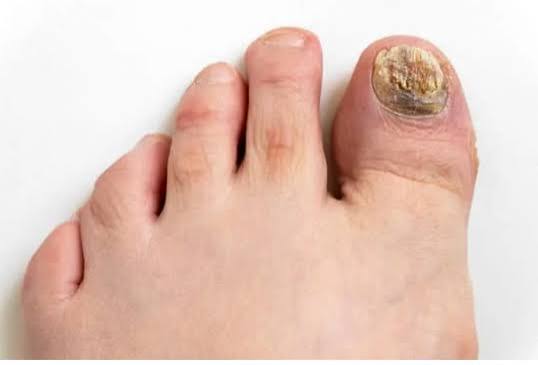
Yellow toenails usually point to one of a handful of causes, ranging from harmless to something needing treatment. The most common include:
- Fungal infection (onychomycosis)
- Nail polish staining
- Natural aging
- Repeated trauma or pressure from shoes
- Diabetes
- Psoriasis
- Other medical conditions like thyroid problems or jaundice
- Rare Yellow Nail Syndrome
Is It Normal for Toenails to Turn Yellow?
Occasional mild yellowing, especially after wearing dark nail polish for weeks, is usually harmless and temporary. The nail typically returns to its normal color as it grows out.
Persistent yellowing that thickens, spreads, or comes with odor or pain is different. This pattern often points to infection or an underlying condition that needs proper evaluation.
Common Causes of Yellow Toenails
Fungal Infection (Onychomycosis)
Toenail fungus, known medically as onychomycosis, is the single most common cause of yellow toenails. It affects roughly one in ten people in America at some point.
Fungi thrive in warm, damp environments like sweaty shoes, locker rooms, and public pool decks. Once established, the infection often causes the nail to thicken, crumble, and develop an unpleasant odor over time.
Nail Polish Staining
Frequent use of dark or pigmented nail polish, especially without a base coat, can leave a yellowish tint on the nail itself. This is purely cosmetic and doesn’t indicate infection or illness.
This type of discoloration typically fades as the nail grows out. Giving your nails occasional polish-free breaks helps prevent this buildup.
Natural Aging
As people age, nails often become thicker and grow more slowly. Reduced blood flow combined with these natural changes can lead to a gradual yellow tint over time.
This type of yellowing tends to develop slowly across multiple nails. It’s generally considered a normal part of aging rather than a medical concern.
Repeated Trauma or Pressure
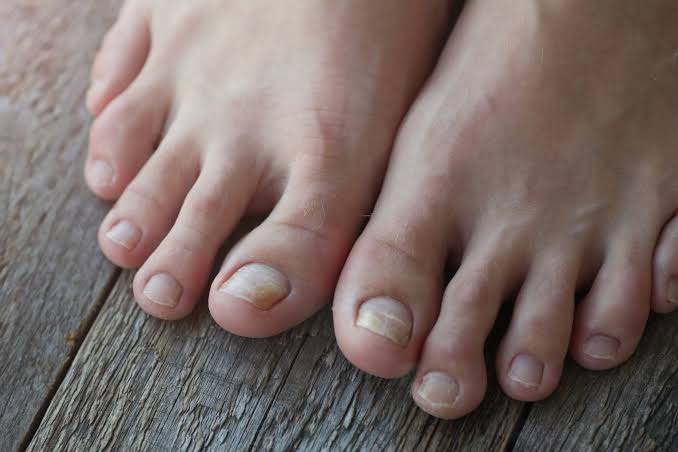
Tight shoes, running, or repeated stubbing can damage the nail bed and lead to discoloration. This is especially common in athletes and people who wear narrow or ill-fitting footwear regularly.
Trauma-related yellowing often affects just one or two nails rather than several at once. The nail usually returns to normal color as healthy nail tissue grows in.
Diabetes
Yellowed toenails can sometimes be an early sign of diabetes. This connection is linked to how elevated blood sugar affects collagen, a protein found in nail tissue.
Diabetes can also weaken the immune system, making fungal infections more likely to take hold. People with diabetes should monitor foot and nail changes closely as part of routine care.
Psoriasis
Nail psoriasis is an autoimmune condition that can affect the nail bed alongside the skin. It often causes yellowing, pitting, thickening, or separation of the nail from the nail bed.
This condition frequently occurs in people who already have psoriasis affecting their skin. Treatment typically focuses on managing the underlying autoimmune response.
Other Underlying Medical Conditions
Beyond diabetes and psoriasis, several other health conditions have been linked to yellow toenails. These include tuberculosis, bronchiectasis, jaundice from liver disease, and thyroid problems.
Because these conditions require proper diagnosis, persistent unexplained yellowing across multiple nails is worth discussing with a doctor. Identifying the root cause early helps guide appropriate treatment.
Yellow Nail Syndrome
Yellow Nail Syndrome is an extremely rare condition sometimes linked to lymphedema, a blockage in the lymphatic system. The exact cause remains somewhat unclear even among medical researchers.
This syndrome typically affects all the nails rather than just one or two. It’s uncommon enough that most cases of yellow toenails have a more straightforward explanation.
Common Causes at a Glance
| Cause | Typical Pattern | Level of Concern |
|---|---|---|
| Fungal infection | Thickening, crumbling, odor | Moderate, needs treatment |
| Nail polish staining | Surface-level, fades with growth | Low |
| Natural aging | Gradual, multiple nails | Low |
| Trauma/pressure | Localized to one or two nails | Low to Moderate |
| Diabetes | Combined with other symptoms | Moderate to High |
| Psoriasis | Pitting, thickening, separation | Moderate |
| Other medical conditions | Multiple nails, systemic signs | Moderate to High |
| Yellow Nail Syndrome | All nails affected, rare | Moderate |
How to Tell Fungal Infection From Other Causes
| Feature | Fungal Infection | Non-Fungal Causes |
|---|---|---|
| Nail texture | Thickened, brittle, crumbling | Usually unchanged |
| Odor | Often present | Typically absent |
| Spread | Can spread to other nails | Usually localized or gradual |
| Onset | Progressive over time | Sudden (trauma) or gradual (aging) |
| Nail separation | Common in advanced cases | Less common |
Signs Your Yellow Toenails Might Need Medical Attention
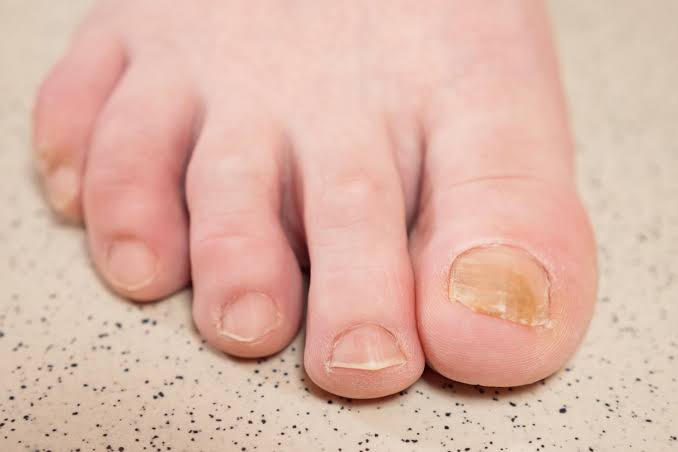
- Nail thickening, crumbling, or distortion
- Foul odor coming from the nail
- Pain, swelling, or redness around the nail
- Nail separating from the nail bed
- Discoloration spreading to multiple nails
- Yellowing appearing alongside other symptoms like fatigue or skin changes
When to See a Podiatrist
- Yellowing that persists for more than a few weeks
- Signs of infection, including odor, pain, or thickening
- Diabetes or circulation issues combined with nail changes
- At-home treatments that haven’t improved the appearance
- Multiple nails affected at the same time
What You Can Do at Home
- Keep feet clean and dry. Wash daily and dry thoroughly, especially between the toes.
- Change socks regularly. Choose moisture-wicking materials over synthetic fabrics that trap sweat.
- Use antifungal sprays or powders. Apply inside shoes, especially closed-toe footwear worn often.
- Trim nails straight across. This helps prevent ingrown nails and reduces injury risk.
- Give nails a polish break. Avoid continuous nail polish use to prevent staining buildup.
- Wear sandals in public wet areas. This reduces fungal exposure in pools, gyms, and locker rooms.
Mistakes to Avoid
- Don’t assume all yellow toenails are cosmetic without checking for thickening or odor.
- Don’t rely solely on home remedies like tea tree oil for a confirmed fungal infection.
- Don’t ignore yellowing that’s paired with pain, swelling, or spreading.
- Don’t skip professional treatment if you have diabetes or circulation concerns.
How Doctors Diagnose the Cause
A podiatrist typically starts with a visual exam of the nail’s color, texture, and pattern. In many cases, this is enough to identify a likely fungal infection or trauma-related cause.
If the cause isn’t clear, a small nail clipping may be sent for lab testing to confirm or rule out fungal infection. Bloodwork or further evaluation may be recommended if an underlying condition like diabetes or thyroid disease is suspected.
Treatment Options Based on Cause
| Cause | Typical Treatment |
|---|---|
| Fungal infection | Antifungal medication, topical or oral treatment |
| Nail polish staining | Polish breaks, gentle nail care |
| Natural aging | Routine nail care, moisturizing |
| Trauma/pressure | Protective footwear, allowing nail to regrow |
| Diabetes | Blood sugar management, regular foot checks |
| Psoriasis | Topical treatments, dermatologist-guided care |
| Yellow Nail Syndrome | Condition-specific medical management |
Home Remedies vs. Professional Treatment
Popular home remedies like tea tree oil, vinegar soaks, and over-the-counter antifungal creams may offer mild improvement for early-stage discoloration. However, they generally don’t provide a long-term cure for an established fungal infection.
Professional treatment, including prescription antifungal medication, typically offers more reliable and lasting results. Consulting a podiatrist early often makes treatment simpler and faster.
Prevention Tips
- Keep feet dry and change socks daily, especially after exercise.
- Use antifungal powder or spray in shoes worn frequently.
- Avoid walking barefoot in public showers, gyms, and pool areas.
- Trim toenails straight across to reduce injury and ingrown nail risk.
- Rotate shoes to allow them to fully dry between wears.
- Monitor nail changes closely if you have diabetes or a chronic health condition.
Key Takeaways
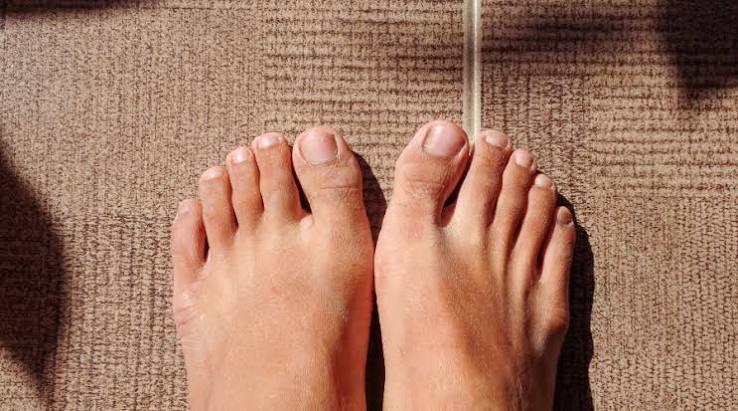
- Fungal infection is the leading cause of yellow toenails, but far from the only one.
- Nail polish staining and natural aging are common, harmless explanations.
- Diabetes, psoriasis, and other conditions can also contribute to yellowing.
- Thickening, odor, pain, or spreading are signs that warrant medical evaluation.
- Home remedies may help mild cases, but professional treatment offers more reliable results.
- Good foot hygiene and proper footwear are key to preventing future yellowing.
Also Read:
- Why Do Men Have Longer Eyelashes? The Real Science Behind the Myth
- Why Are Dreams So Weird? The Science Explained
- Why Does My Dog Keep Coughing and Gagging? Causes and When to Worry
- Why Have I Been on My Period for 2 Weeks? Causes Explained
- Why Do People File Bankruptcy? Common Causes Explained
- Why Is a Flea Market Called a Flea Market? The Real Origin Explained
- The Best PDF to Excel Conversion Services for Windows, Mac, and Linux
- Why Do We Have Ear Wax? The Real Purpose Explained
- Why Do Cats Love Bite? Meaning & How to Respond
- Why Is My Earwax Wet? Causes, Normal Types, and Warning Signs
- Why More People Are Spending Time In Online Gaming Spaces
- Why Is FedEx So Bad? The Real Reasons Behind the Complaints
- Why Are My Cat’s Ears Cold? Causes & When to Worry
- Why Do Dogs Get Skin Tags? Causes, Risks, and When to Worry
- Why Do People Cheat in Relationships? The Real Reasons
- Why Does My Pee Burn After Sex? Causes & Relief
- Why Is My Big Toe Hurting? Common Causes and What to Do About It
- Why Would I Be Referred to a Gastroenterologist? Full Guide
- Why Is the Corner of My Eye Itchy? Causes & Relief
- Why Is My Jaw Locking? Causes, Symptoms, and What to Do Next
- 50+ Plant Puns That’ll Leaf You Laughing!
- Literary Devices List
- How to Pronounce L O E W E: Master the Spanish Luxury Brand’s Name
Frequently Asked Questions (FAQs)
Why do toenails turn yellow?
The most common cause is a fungal infection called onychomycosis, though nail polish staining, aging, trauma, and conditions like diabetes or psoriasis can also cause yellowing.
Is yellow toenail discoloration always caused by fungus?
No, nail polish staining and natural aging are common, harmless causes of yellowing that don’t involve infection.
How can I tell if my yellow toenail is from a fungal infection?
Fungal infections often cause thickening, crumbling, and a foul odor, while non-fungal causes like staining or aging usually don’t affect nail texture as much.
Can diabetes cause yellow toenails?
Yes, elevated blood sugar can affect collagen in the nail, and diabetes can also weaken the immune system, making fungal infections more likely.
Do home remedies work for yellow toenails?
Mild cases may improve with home remedies like tea tree oil or antifungal creams, but established fungal infections usually need professional treatment for lasting results.
Is it normal for toenails to yellow with age?
Yes, natural aging can cause nails to thicken and yellow gradually due to reduced blood flow and slower nail growth.
Can wearing nail polish cause permanent yellowing?
No, polish-related staining is typically temporary and fades as the nail grows out, especially if you take occasional polish-free breaks.
When should I see a podiatrist for yellow toenails?
See a podiatrist if the yellowing persists for weeks, comes with pain or odor, spreads to multiple nails, or doesn’t improve with home care.
Can psoriasis cause toenails to turn yellow?
Yes, nail psoriasis can cause yellowing along with pitting, thickening, or the nail separating from the nail bed.
Is toenail fungus contagious?
Yes, toenail fungus can spread through shared spaces like locker rooms, showers, and pool decks, as well as shared shoes or nail tools.
What is Yellow Nail Syndrome?
Yellow Nail Syndrome is a rare condition sometimes linked to lymphedema that causes yellowing across all nails, with a cause that isn’t fully understood.
Can trauma or injury cause a single toenail to turn yellow?
Yes, repeated pressure from tight shoes or an injury like stubbing your toe can damage the nail bed and cause localized yellow discoloration.
How long does it take for toenail fungus treatment to work?
Treatment timelines vary, but visible improvement often takes several months since the discoloration only resolves as new, healthy nail grows in.
Can yellow toenails be a sign of liver disease?
Yes, jaundice related to liver disease is one of several underlying medical conditions that has been linked to yellow nail discoloration.
Does thyroid disease affect toenail color?
Yes, thyroid problems have been associated with yellow toenails in some cases, particularly when other symptoms are also present.
Are over-the-counter antifungal treatments effective for yellow toenails?
They can help mild cases, but more advanced or stubborn infections typically respond better to prescription-strength antifungal treatment.
Can yellow toenails spread to other nails if untreated?
Yes, an untreated fungal infection can gradually spread to nearby toenails or even fingernails if left unaddressed.
Is it safe to use nail polish over toenails with a fungal infection?
It’s generally not recommended, since covering an infected nail can trap moisture and make the infection harder to monitor or treat.
What foot hygiene habits help prevent yellow toenails?
Keeping feet dry, changing socks daily, wearing breathable shoes, and avoiding barefoot walking in public wet areas all help reduce risk.
Can yellow toenails go away on their own?
Mild cases from polish staining or minor trauma often resolve on their own as the nail grows out, but fungal infections typically need active treatment.
Conclusion
Yellow toenails can stem from something as simple as nail polish staining or as involved as a fungal infection or underlying health condition. Paying attention to nail texture, odor, and how many nails are affected helps narrow down the likely cause.
If home care doesn’t clear things up, or if you notice pain, thickening, or spreading discoloration, a podiatrist visit is the fastest path to an accurate diagnosis. Catching the cause early makes treatment simpler and helps your nails return to a healthy color for good.
