

Spotting a reddish-brown bug with pincers on its tail end is enough to make anyone jump. If you’re asking why are earwigs in my house, the short answer is moisture, shelter, and food are pulling them indoors.
Why Are Earwigs in My House?
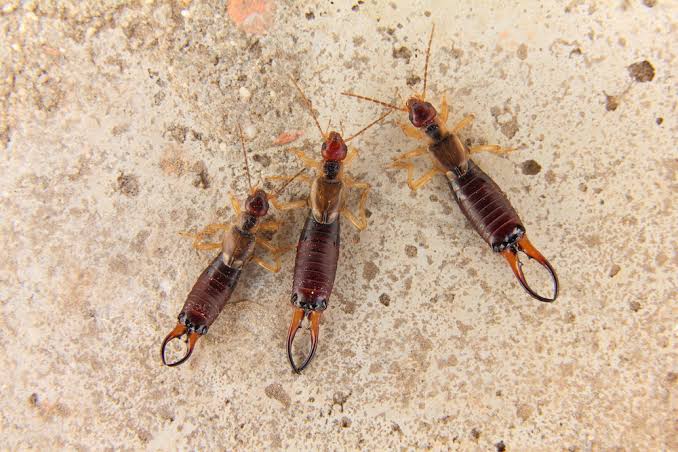
Earwigs enter homes mainly because outdoor conditions have turned too hot, cold, or dry for them. They squeeze through tiny gaps around doors, windows, and foundations while searching for damp, dark hiding spots.
Once inside, they stay near moisture sources like bathrooms, basements, and kitchens. Fixing leaks and sealing entry points solves most infestations within days.
What Exactly Is an Earwig?
Earwigs are nocturnal insects known for the curved pincers (cerci) on their rear end. Despite the scary look, they don’t sting, bite hard, or crawl into human ears.
They typically measure between 5/8 to 3/4 inch long. Outdoors, they live in soil, mulch, leaf piles, and under rocks where moisture stays trapped.
Earwigs are considered “occasional invaders.” This means they don’t live inside your walls permanently but wander in when outdoor conditions push them to look for shelter.
Why Are Earwigs in My House? Top Reasons
1. Excess Moisture Indoors
Earwigs cannot survive in dry environments for long. Damp basements, leaky pipes, condensation around AC units, and wet crawl spaces create the exact habitat they crave.
Bathrooms and kitchens are common hot spots because sinks and drains stay consistently moist. If you keep finding earwigs near these rooms, hidden moisture is almost always the cause.
2. Outdoor Lighting Attraction
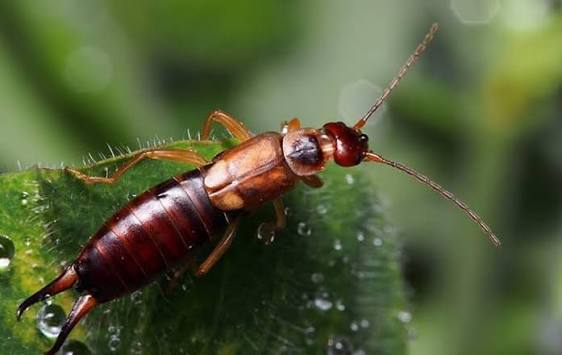
Earwigs are drawn to bright lights at night, much like moths. Porch lights, floodlights, and exterior fixtures near doors pull them toward your home’s entry points.
Once they’re gathered near a lit doorway, it takes only a small gap for them to wander inside. Switching to yellow or motion-sensor bulbs can reduce this pull significantly.
3. Gaps, Cracks, and Poor Seals
Earwigs can squeeze through openings as small as 1/8 inch. Worn weather stripping, gaps under doors, unscreened vents, and cracks where the foundation meets siding all serve as entry points.
Homes with older caulking or damaged screens are especially vulnerable. Sealing these gaps is one of the most effective long-term fixes.
4. Seasonal Weather Shifts
When outdoor temperatures swing to extreme heat, cold, or drought, earwigs seek refuge indoors. This is why sightings often spike during hot, dry summers or right before winter.
Your home offers stable temperature and humidity that outdoor soil can no longer provide during these shifts.
5. Available Food Sources
Earwigs eat decaying plant matter, mold, insects, and even food scraps. Cluttered garages, stacked newspapers, cardboard boxes, and compost piles near the house all provide meals that keep them coming back.
Reducing clutter and food debris removes the incentive for them to stick around once they’re inside.
6. Accidental Hitchhiking
Sometimes earwigs don’t choose to come in on their own. They ride indoors on firewood, potted plants, grocery bags, or moving boxes that sat in damp outdoor areas.
Inspecting items before bringing them inside prevents this accidental introduction.
Where Do Earwigs Hide Inside a House?
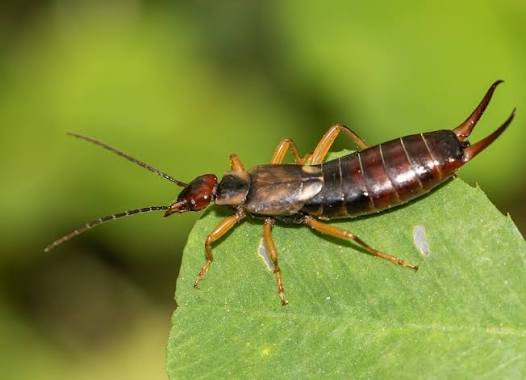
Earwigs prefer dark, tight, moist spaces where they can stay hidden during the day. Common indoor hiding spots include:
- Under sinks and around plumbing
- Inside potted houseplants
- Beneath damp carpeting or rugs
- Stacked newspapers, boxes, or firewood
- Basement corners and crawl spaces
- Bathroom baseboards and shower drains
Signs You Have an Earwig Infestation
The clearest sign is simply seeing the insects themselves, especially at night. Other indicators include small dark droppings resembling pepper flakes and chewed damage on nearby houseplants.
A musty smell in damp areas can also point to a hidden earwig population. Multiple sightings in the same week usually mean there’s a nesting site nearby, not just a stray wanderer.
Are Earwigs Dangerous to Humans or Homes?
Earwigs are not dangerous. Their pincers can pinch skin but rarely break it, and they don’t carry diseases that threaten humans or pets.
Unlike termites or carpenter ants, earwigs do not chew through wood, wiring, or structural materials. Their presence signals a moisture or entry-point problem, not structural damage.
How to Get Rid of Earwigs in Your House
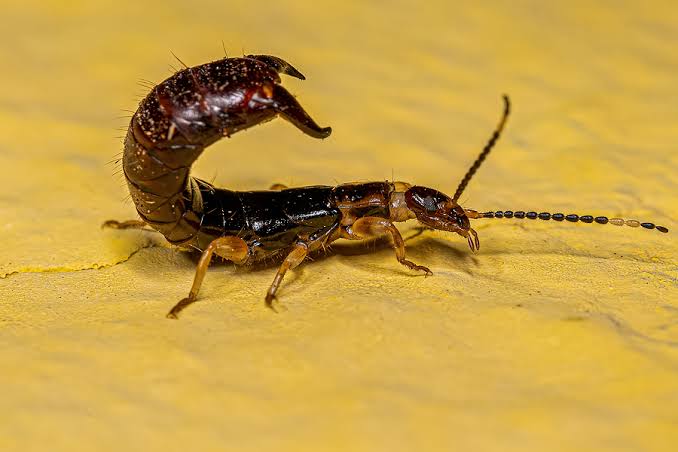
Natural and Immediate Removal
Vacuuming visible earwigs and their eggs is the fastest way to reduce numbers immediately. A simple dish soap and water spray also kills earwigs on contact without harsh chemicals.
Rolled damp newspaper left overnight works as a trap; earwigs crawl inside seeking shelter and can be disposed of in the morning.
Long-Term Prevention Steps
| Action | Why It Works |
|---|---|
| Fix leaks and use dehumidifiers | Removes the moisture earwigs need to survive |
| Seal cracks around doors and windows | Blocks their main entry routes |
| Switch outdoor lights to yellow bulbs | Reduces nighttime attraction |
| Clear mulch and debris from the foundation | Eliminates outdoor hiding spots |
| Store firewood away from the house | Prevents hitchhiking indoors |
Chemical and Commercial Options
Diatomaceous earth dehydrates earwigs on contact and works well along baseboards and entry points. Perimeter insect granules can also be applied around the foundation for larger outdoor populations.
For persistent infestations, a licensed pest control professional can identify hidden moisture sources you may have missed.
Earwigs vs. Other Common House Pests
| Feature | Earwigs | Silverfish | Cockroaches |
|---|---|---|---|
| Appearance | Pincers on rear end | Silvery, teardrop shape | Flat, oval, fast-moving |
| Danger level | Harmless | Harmless | Can spread bacteria |
| Attracted to | Moisture, light | Moisture, paper | Food, moisture |
| Structural damage | None | Minimal (paper/fabric) | None |
Best Practices to Keep Earwigs Out for Good
- Inspect door and window seals every season
- Keep gutters clean so water doesn’t pool near the foundation
- Trim shrubs and plants back from exterior walls
- Run a dehumidifier in basements and crawl spaces
- Check potted plants before moving them indoors
Mistakes to Avoid
Spraying pesticide without fixing the moisture source only offers temporary relief. Ignoring small cracks because “it’s just one bug” often leads to a larger population within weeks.
Ignoring outdoor lighting near entry points is another common oversight that keeps drawing new earwigs in.
Also Read:
- Why Do I Have a Hump on the Back of My Neck?
- Why Are My Gums Purple?
- Why Do Canadians Speak French?
- Why Is Vanilla So Expensive?
- Why Does My Bearded Dragon Lick Me?
- Why Is It Called House Music?
- Why Do My Eyelids Itch?
- Why Do My Nails Hurt After Getting Acrylics?
- Why Can’t Horses Throw Up?
- Why Won’t My Car Turn Over?
- Why Isn’t My Flashlight Working?
- Why Is My Dog Drooling So Much All of a Sudden?
- Why Do Toenails Turn Yellow?
- Why Does Tooth Pain Come and Go?
- Why Is It Called Wisdom Teeth?
- Why Do Men Have Longer Eyelashes?
- Why Are Dreams So Weird?
- Why Does My Dog Keep Coughing and Gagging?
- Why Have I Been on My Period for 2 Weeks?
- Why Do People File Bankruptcy?
- 50+ Plant Puns That’ll Leaf You Laughing!
- Cheesy Pizza Puns That’ll Make You Crust Laugh!
- The Best Animal Puns That Are Paws-itively Funny!
- 71 Inches to cm: A Simple Conversion Guide
- How to Pronounce L O E W E
Frequently Asked Questions (FAQs)
Why do I suddenly have earwigs in my house?
A sudden appearance usually follows a change in outdoor weather, like a heatwave, cold snap, or heavy rain. These shifts push earwigs to seek stable, moist shelter indoors.
Do earwigs mean my house is dirty?
No. Earwigs are attracted to moisture and entry points, not necessarily cleanliness. Even tidy homes get them if there’s a leak or unsealed gap.
Can earwigs lay eggs inside my house?
Yes, if they find a consistently damp, hidden spot. Females can lay around 50 eggs at once, so early removal matters.
What smell keeps earwigs away?
Earwigs dislike strong scents like peppermint oil, cedar, and bay leaves. These can be used as mild deterrents near entry points.
Do earwigs bite humans?
Their pincers can pinch skin, but it’s rarely painful and never dangerous. They are not aggressive toward people.
How long do earwigs live indoors?
Without adequate moisture, earwigs usually die within a few days indoors. With a hidden damp spot, they can survive much longer.
What attracts earwigs the most?
Moisture is the single biggest attractor, followed closely by outdoor lighting and easy entry points like unsealed doors and windows.
Should I be worried about an earwig infestation?
Not from a safety standpoint, but a large indoor population usually points to an underlying moisture issue worth fixing.
Do earwigs come out during the day?
Rarely. They’re nocturnal and hide in dark, tight spaces during daylight hours, only becoming active at night.
Can earwigs damage my houseplants?
Yes, they can chew on leaves and flowers, especially at night. Check plants regularly if you’ve spotted earwigs nearby.
Will bug spray get rid of earwigs permanently?
Spray alone only kills what it touches. Long-term control requires sealing entry points and reducing indoor moisture.
Do earwigs come back after removal?
They can, if the original moisture source or entry gap isn’t fixed. Prevention steps are what stop repeat infestations.
Are earwigs more common in certain seasons?
Sightings often spike in late summer and early fall as outdoor conditions become too dry or too cold for them to stay outside.
Can earwigs get into food?
They may wander onto counters or into pantries seeking food scraps, but they’re not a common contamination risk like cockroaches.
Do earwigs live in mattresses or beds?
This is uncommon. Earwigs prefer damp areas over dry bedding, so a bedroom sighting usually means they wandered in rather than nested there.
Conclusion
If you’ve been wondering why are earwigs in my house, the pattern almost always traces back to moisture, light, or an unsealed gap somewhere in your home.
The good news is earwigs pose no real danger and are relatively easy to control once you address the root cause. Fix leaks, seal entry points, reduce outdoor lighting near doors, and clear damp hiding spots, and most infestations clear up within a week or two.
Staying consistent with these habits keeps your home unappealing to earwigs long after the current problem is solved.
