

Why Is There a White Spot on My Tooth? A white spot on your tooth usually means an area of enamel has lost minerals or developed unevenly.
Common causes include early tooth decay, too much fluoride exposure, enamel hypoplasia, poor oral hygiene, or braces-related plaque buildup.
Most white spots are not an emergency, but many can worsen without treatment. A dentist can identify the exact cause and recommend the right next step.
Key Takeaways
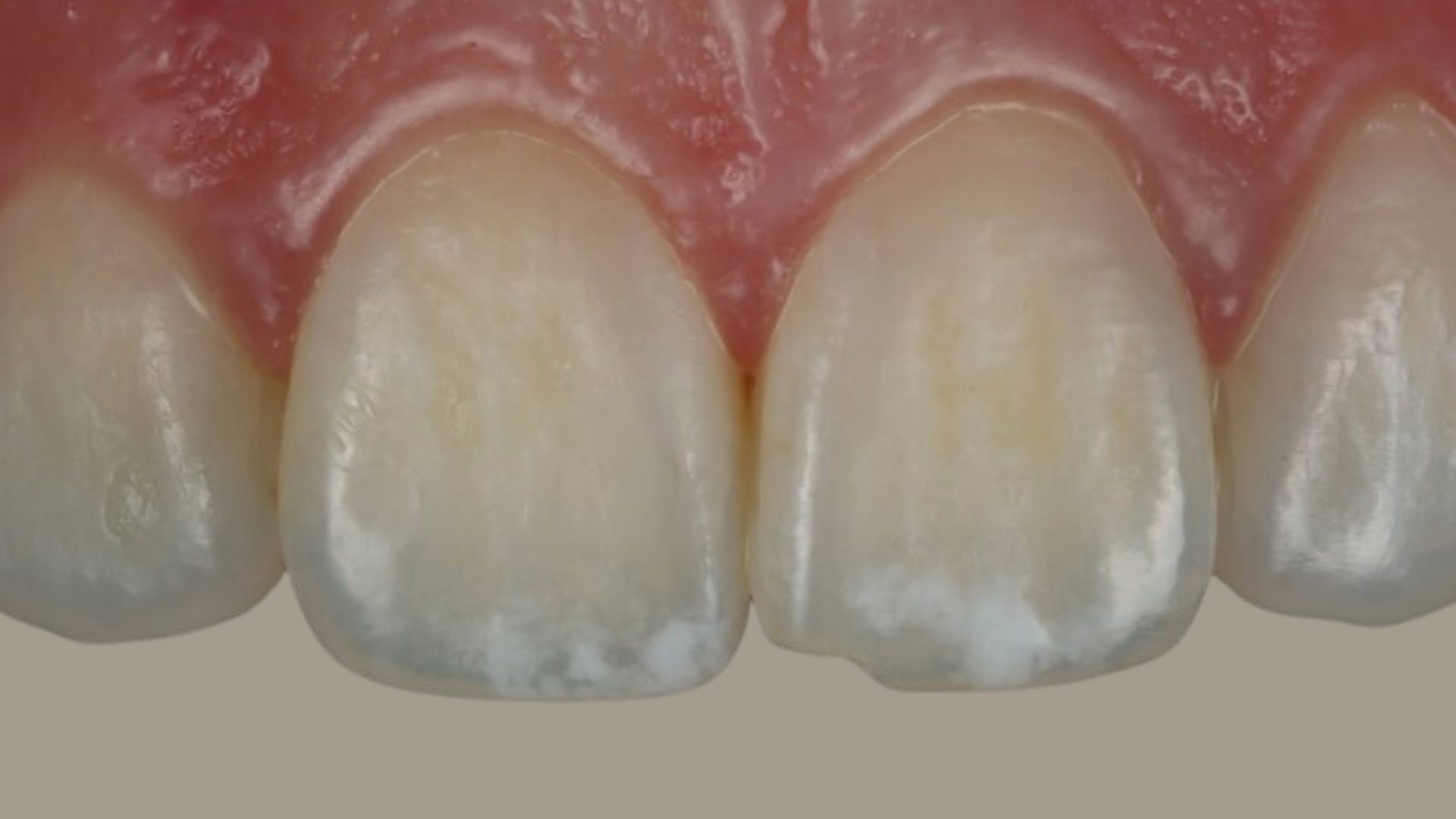
- White spots often signal enamel demineralization, an early stage of tooth decay.
- Fluorosis from excess fluoride can cause chalky white marks, mainly in children.
- Enamel hypoplasia means enamel formed thinner or weaker than normal.
- Poor hygiene around braces or plaque buildup can trigger visible white patches.
- Many white spots can be treated or improved with the right dental approach.
Why Do White Spots Appear on Teeth? Simple Definition
A white spot on a tooth usually means the enamel in that area has lost minerals or did not form evenly. This can happen from early decay, too much fluoride during tooth development, or other conditions affecting enamel strength and mineral content.
What Causes White Spots on Teeth
Several distinct conditions can produce a similar white, chalky, or opaque appearance on tooth enamel. Identifying the right cause matters for choosing the correct treatment.
Early Tooth Decay (Demineralization)
Demineralization happens when bacteria produce acids that pull calcium and phosphate out of the enamel. This process creates a chalky white spot, often the first visible sign of a cavity forming.
Dental Fluorosis
Fluorosis develops when a child consumes too much fluoride while permanent teeth are still forming, typically between ages one and eight. It causes hypomineralized enamel that appears as white spots, lines, or streaks, and does not affect adult teeth that have already developed.
Enamel Hypoplasia
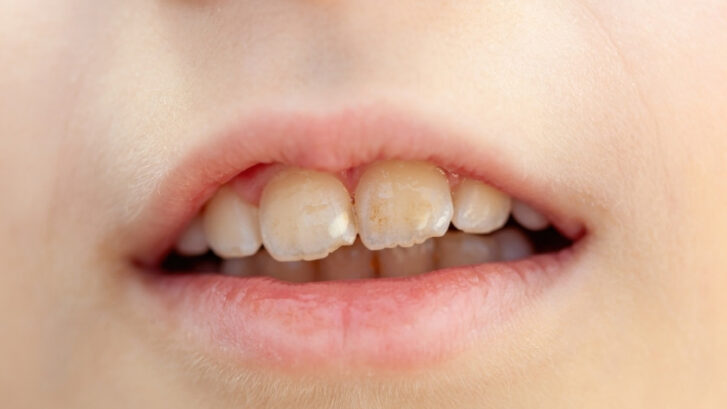
Enamel hypoplasia means the enamel layer is thinner or less mineralized than normal. It can result from genetics, nutritional deficiencies, high fevers, certain medications, or premature birth.
Poor Oral Hygiene and Plaque Buildup
Plaque that sits on teeth for too long can create localized white patches, especially near the gumline. This is often reversible with improved brushing and flossing.
Braces and Orthodontic Treatment
White spots frequently appear around brackets after braces are removed, caused by plaque accumulating around hardware during treatment. This is one of the most common concerns dental patients report after orthodontic care.
Nutritional and Developmental Factors
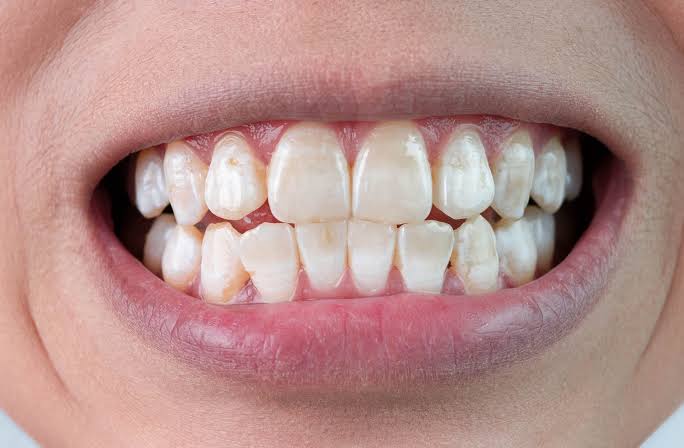
A diet low in calcium or certain vitamins during childhood tooth development can contribute to weaker enamel. Illness or high fever in early childhood has also been linked to enamel defects.
Comparison Table: Common Causes of White Spots on Teeth
| Cause | Typical Age Group | Key Feature |
|---|---|---|
| Early decay (demineralization) | Any age | Chalky spot near gumline or between teeth |
| Dental fluorosis | Children during tooth formation | Streaky or mottled white marks |
| Enamel hypoplasia | Present from tooth development | Thin, pitted, or grooved enamel |
| Braces-related plaque | Teens and adults with braces | Spots appear where brackets sat |
| Poor oral hygiene | Any age | Spots near gumline, often reversible |
Are White Spots on Teeth Dangerous?
Most white spots are not dangerous on their own, but some indicate a process that can progress if left untreated. Understanding the difference helps you decide how urgently to act.
Can a White Spot Turn Into a Cavity?
Yes, white spots caused by demineralization can progress into a full cavity if the enamel continues losing minerals. Early intervention with fluoride treatment or remineralizing products can often reverse this process before decay forms.
Are Fluorosis White Spots Permanent?
Yes, fluorosis marks are permanent once they form during tooth development, though cosmetic treatments can significantly improve their appearance. Fluorosis itself does not continue to spread or worsen once adult teeth are fully formed.
Pros and Cons of Common White Spot Treatments
| Treatment | Pros | Cons |
|---|---|---|
| Fluoride treatment | Non-invasive, can reverse early demineralization | Not effective for fluorosis or hypoplasia |
| Microabrasion | Removes thin enamel layer for a more even look | Only suitable for shallow, surface-level spots |
| Teeth whitening/bleaching | Can help balance overall tooth color | May not fully blend fluorosis marks |
| Dental bonding | Covers spots effectively, cost-friendly | May need replacement over time |
| Porcelain veneers | Long-lasting, highly effective for severe cases | Higher cost, requires enamel preparation |
How to Prevent White Spots on Teeth
Prevention strategies differ slightly depending on whether the concern is decay-related or developmental. A few consistent habits help reduce risk across the board.
Step-by-Step Prevention Tips
- Brush twice daily with a fluoride toothpaste appropriate for your age group.
- Floss daily to remove plaque between teeth and near the gumline.
- Supervise young children when brushing to prevent swallowing excess toothpaste.
- Limit sugary and acidic foods that contribute to enamel demineralization.
- Clean thoroughly around braces brackets and wires at every brushing session.
Best Practices
- Schedule regular dental checkups to catch early demineralization before it worsens.
- Use a pea-sized amount of fluoride toothpaste for children under six.
- Ask your dentist about fluoride varnish if you are at higher risk for decay.
- Address braces-related plaque promptly with a dentist’s guidance during treatment.
Mistakes to Avoid
- Do not assume all white spots are the same condition without a dental evaluation.
- Do not use over-the-counter whitening kits to treat fluorosis without professional advice.
- Do not ignore new white spots near the gumline, since early decay is often reversible.
- Do not skip fluoride toothpaste under the assumption that all fluoride exposure is harmful.
Treatment Options for White Spots on Teeth
Treatment depends heavily on the underlying cause, so a proper diagnosis always comes first. Dentists typically choose from a range of options based on severity and the specific type of white spot.
What Is Microabrasion for White Spots?
Microabrasion is a dental procedure that removes a very thin layer of enamel to create a more uniform tooth appearance. It works best for mild, surface-level white spots rather than deep enamel defects.
Can Fluoride Treatments Reverse Early White Spots?
Yes, fluoride treatments can help remineralize enamel in the early stages of demineralization, often reversing the white spot before it becomes a cavity. This works best when caught early through routine dental visits.
Do Veneers Work for Severe White Spots?
Yes, porcelain veneers are often recommended for more severe or widespread white spots, especially from fluorosis or hypoplasia. They offer a long-lasting cosmetic solution when other treatments are not sufficient.
Expert Insight
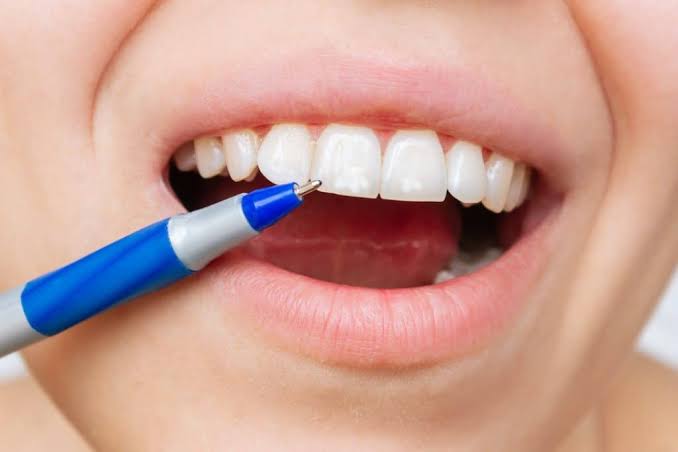
Dental researchers describe white spot lesions as an early visual sign of enamel demineralization, distinct from fluorosis and hypoplasia despite a similar chalky appearance. A proper differential diagnosis by a dental professional is essential, since treatment approaches vary significantly between these conditions.
Because early decay-related white spots can often be reversed with prompt care, dental professionals commonly emphasize the importance of routine checkups for catching changes early.
When to See a Dentist
Most white spots benefit from a professional evaluation rather than at-home guessing. Certain signs point to a stronger need for prompt dental attention.
When Should I Be Concerned About a White Spot on My Tooth?
See a dentist if the white spot appears suddenly, grows larger, feels rough or sensitive, or is accompanied by pain. These signs may indicate active decay that needs treatment before it progresses further.
Can a Dentist Tell Me Exactly Why I Have a White Spot?
Yes, a dentist can examine the spot’s location, texture, and pattern to determine whether it stems from decay, fluorosis, hypoplasia, or hygiene-related causes. This diagnosis guides the most effective treatment plan.
Also Read:
- Why Do I Have a Hump on the Back of My Neck?
- Why Are My Gums Purple?
- Why Do Canadians Speak French?
- Why Is Vanilla So Expensive?
- Why Does My Bearded Dragon Lick Me?
- Why Is It Called House Music?
- Why Do My Eyelids Itch?
- Why Do My Nails Hurt After Getting Acrylics?
- Why Can’t Horses Throw Up?
- Why Won’t My Car Turn Over?
- Why Does My Voice Sound Different on Video?
- Why Is the Left Ventricle Thicker Than the Right?
- Why Is It Called the Twin Cities?
- Why Are Earwigs in My House?
- Why Am I So Hairy?
- 50+ Plant Puns That’ll Leaf You Laughing!
- Cheesy Pizza Puns That’ll Make You Crust Laugh!
- 100+ Fishing Puns That Will Reel You In
- 50+ Blooming Flower Puns to Brighten Your Day!
- Bad Puns That Are So Awful, They’re Hilarious
- The Best Animal Puns That Are Paws-itively Funny!
- 71 Inches to cm: A Simple Conversion Guide
- 61 Inches to Feet: Easy Conversion Guide
- 36cm to Inches: Your Ultimate Guide
- 45mm to Inches: Your Complete Guide
Frequently Asked Questions (FAQs)
Why did a white spot suddenly appear on my tooth?
A sudden white spot often indicates early enamel demineralization, which can be an early warning sign of tooth decay.
Can white spots on teeth go away on their own?
Very early demineralization can sometimes improve with better oral hygiene and fluoride use, but established fluorosis or hypoplasia marks do not disappear on their own.
Are white spots on teeth a sign of poor hygiene?
They can be, especially when caused by plaque buildup, but fluorosis and enamel hypoplasia are unrelated to current hygiene habits.
Do white spots on teeth hurt?
Most white spots are painless, though sensitivity can occur if the spot is linked to significant enamel thinning or early decay.
Can adults get fluorosis white spots?
No, fluorosis only affects teeth that are still developing, so it cannot form on fully developed adult teeth.
Why do I have white spots after getting my braces removed?
These spots typically result from plaque that accumulated around brackets during treatment, leading to localized demineralization.
Can toothpaste remove white spots on teeth?
Standard toothpaste cannot remove established white spots, though fluoride toothpaste may help prevent early spots from worsening.
Is microabrasion painful?
Microabrasion is generally a comfortable, non-invasive procedure performed by a dentist with minimal to no discomfort.
Can diet cause white spots on teeth?
Yes, a diet low in calcium or high in sugar and acidic foods can contribute to enamel weakness and white spot formation.
Do white spots mean I need a filling?
Not necessarily, since early white spots may be treatable with remineralization before a filling becomes necessary.
Can children develop white spots from swallowing toothpaste?
Yes, swallowing too much fluoride toothpaste during early childhood can contribute to fluorosis in developing teeth.
Are white spot lesions common?
Yes, they are a frequently seen dental concern, especially among people who wear braces or have inconsistent oral hygiene habits.
Can whitening treatments fix white spots?
Whitening can help even out overall tooth color, but it may not fully blend fluorosis-related white spots, which often need targeted treatment.
Is enamel hypoplasia the same as fluorosis?
No, enamel hypoplasia refers to thinner or underdeveloped enamel, while fluorosis is caused specifically by excess fluoride exposure during tooth development.
Can a high fever in childhood cause white spots?
Yes, high fevers during early childhood have been linked to enamel developmental issues, including hypoplasia.
Should I see a dentist for a small white spot?
Yes, even small spots benefit from a professional evaluation to determine the cause and prevent possible progression into decay.
Can white spots be prevented in babies and toddlers?
Yes, using an appropriate amount of fluoride toothpaste and supervising brushing can help reduce the risk of fluorosis-related spots.
Do veneers permanently cover white spots?
Veneers offer a long-lasting solution, though they are not considered a permanent, lifetime fix and may eventually need replacement.
Can stress cause white spots on teeth?
Stress itself does not directly cause white spots, though stress-related habits like teeth grinding or neglecting oral hygiene may indirectly contribute.
Is it safe to use at-home remineralizing products for white spots?
Many over-the-counter remineralizing products are safe, but it is best to consult a dentist first to confirm they suit your specific type of white spot.
Conclusion
A white spot on your tooth can come from several different causes, ranging from early decay to fluorosis or enamel hypoplasia. While the appearance may look similar, the right treatment depends entirely on the underlying reason.
A dental evaluation is the most reliable way to identify the cause and choose the best path forward, whether that means fluoride treatment, microabrasion, bonding, or veneers. Catching changes early gives you the best chance of preserving a healthy, even smile.
