

Why Are My Gums Bleeding When I Brush My Teeth? Your gums bleed when brushing mainly because of gingivitis, the earliest stage of gum disease caused by plaque buildup along the gumline.
Other common causes include brushing too hard, starting a new flossing routine, hormonal changes, certain medications, and vitamin deficiencies.
Occasional light bleeding is often manageable with better technique and consistent hygiene. Bleeding that continues beyond a week or comes with swelling and bad breath should be evaluated by a dentist.
Key Takeaways
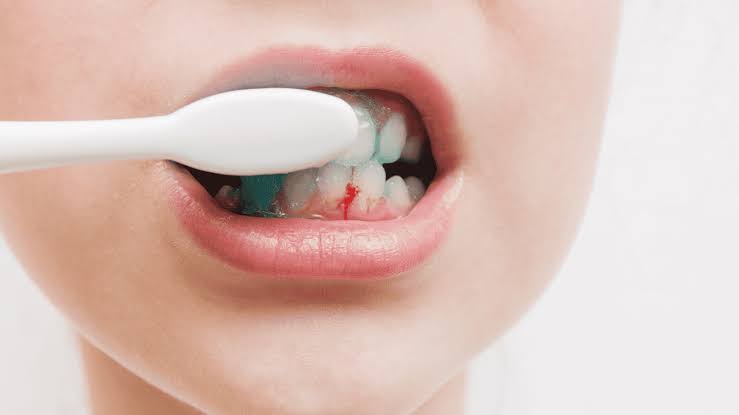
- Gingivitis is the most common cause of bleeding gums during brushing.
- Aggressive brushing or a hard-bristled toothbrush can also cause bleeding.
- Starting or restarting flossing often triggers short-term gum bleeding.
- Hormonal shifts, medications, and low vitamin C or K can increase bleeding risk.
- Persistent bleeding beyond a week signals a need for a dental evaluation.
Why Do Gums Bleed When Brushing? Simple Definition
Gums bleed when brushing most often because plaque buildup along the gumline has caused inflammation, a condition known as gingivitis. Other contributing factors include brushing technique, hormonal changes, certain medications, and nutritional deficiencies.
Most Common Causes of Bleeding Gums
Bleeding gums usually point to one of a handful of well-understood causes. Identifying the right one helps guide the most effective fix.
Gingivitis (Early Gum Disease)
Gingivitis develops when plaque along the gumline is not removed through regular brushing and flossing. The bacteria in that plaque irritate gum tissue, causing swelling, redness, and bleeding, though this stage is typically reversible with proper care.
Brushing Too Hard or Using a Hard-Bristled Brush
Excessive pressure or a firm-bristled toothbrush can damage delicate gum tissue over time. Switching to a soft-bristled brush and gentle, circular motions is usually enough to resolve this cause.
Starting or Restarting Flossing
If you have not flossed regularly, gums often bleed the first few times you resume the habit. This typically clears up within about a week as gum tissue adjusts to the routine.
Hormonal Changes
Pregnancy, puberty, and menopause can all increase blood flow to the gums, making them more sensitive and prone to bleeding. Pregnancy gingivitis specifically affects a large share of pregnant women, making consistent oral care especially important during this time.
Medications
Blood thinners, certain anticonvulsants, and some chemotherapy drugs can increase bleeding risk or contribute to gum overgrowth that traps plaque. Always inform your dentist about any medications you are taking.
Vitamin Deficiencies
Low levels of vitamin C or vitamin K can make gums more prone to bleeding, since both nutrients play a role in tissue health and blood clotting. A balanced diet or supplementation, guided by a healthcare provider, can help address this cause.
A Break From Regular Oral Hygiene
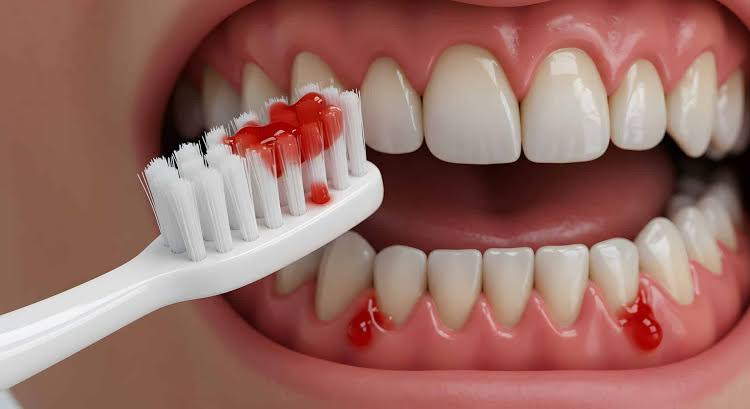
Even a short lapse in brushing and flossing can allow plaque to build up quickly, triggering temporary gum bleeding. Getting back to a consistent routine often resolves this within days.
Comparison Table: Common Causes of Bleeding Gums
| Cause | Typical Duration | How It’s Usually Resolved |
|---|---|---|
| Gingivitis | Ongoing until treated | Improved hygiene, professional cleaning |
| Hard brushing or firm bristles | Ongoing until changed | Switch to soft-bristle brush, gentler technique |
| New or restarted flossing | About one week | Continue consistent flossing |
| Hormonal changes | Temporary, tied to life stage | Extra attention to hygiene during that period |
| Medications | Ongoing while medication is used | Coordinate with dentist and physician |
| Vitamin deficiency | Until nutrient levels improve | Dietary changes or supplementation |
Is Bleeding Gums Always a Sign of Gum Disease?
Not always, but persistent bleeding is one of the clearest early warning signs of gum disease. According to the American Dental Association, gum disease affects a substantial share of adults over the age of 30 in the United States, making this a widespread and important issue to monitor.
How Long Should Bleeding Gums Last Before I Worry?
Occasional, mild bleeding tied to a new flossing habit usually resolves within about a week. If bleeding continues beyond that or happens regularly, it is a sign to schedule a dental checkup.
Can Gingivitis Be Reversed?
Yes, gingivitis is generally reversible with consistent oral hygiene and professional dental cleanings. Left untreated, however, it can progress into periodontitis, a more serious and less reversible form of gum disease.
Gingivitis vs. Periodontitis
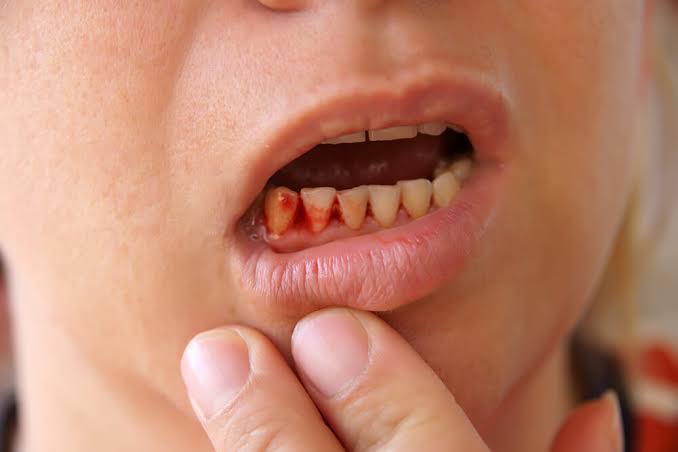
Understanding the difference between these two stages helps clarify how urgent treatment really is. Catching the condition early makes a significant difference in outcome.
| Feature | Gingivitis | Periodontitis |
|---|---|---|
| Stage | Early, mild | Advanced, serious |
| Reversibility | Fully reversible with care | Requires ongoing management |
| Symptoms | Redness, swelling, bleeding | Gum recession, loose teeth, bone loss |
| Treatment | Improved hygiene, professional cleaning | Scaling, root planing, possible surgery |
Pros and Cons of Common Approaches to Bleeding Gums
| Approach | Pros | Cons |
|---|---|---|
| Improving brushing technique | Simple, free, often effective | May not resolve deeper gum disease |
| Consistent flossing | Prevents plaque buildup long-term | Requires daily commitment |
| Professional dental cleaning | Removes tartar brushing cannot reach | Requires an appointment and cost |
| Ignoring persistent bleeding | No immediate effort | Allows gum disease to progress |
How to Stop Bleeding Gums
Most cases of bleeding gums improve with a combination of better technique and consistent care. These steps address the most common underlying causes.
Step-by-Step Ways to Reduce Gum Bleeding
- Switch to a soft-bristled toothbrush if you are currently using a firm one.
- Brush gently for two minutes, twice daily, using circular rather than aggressive strokes.
- Floss once daily, being patient through the first week if gums are new to the habit.
- Replace your toothbrush every three to four months or sooner if bristles fray.
- Schedule a professional cleaning if bleeding persists despite improved home care.
Best Practices
- Tell your dentist about any medications, especially blood thinners, at every visit.
- Maintain a diet rich in vitamin C and vitamin K to support gum health.
- Avoid smoking, since it significantly increases the risk of gum disease and bleeding.
- Stay consistent with hygiene even during pregnancy or hormonal changes, when gums are more sensitive.
Mistakes to Avoid
- Do not stop flossing just because your gums bleed at first, since consistency usually resolves this.
- Do not brush harder in an attempt to clean better, since this often worsens bleeding.
- Do not ignore bleeding gums that last more than a week, assuming it will resolve alone.
- Do not stop a prescribed medication without consulting your doctor, even if you suspect it is contributing to bleeding.
When to See a Dentist
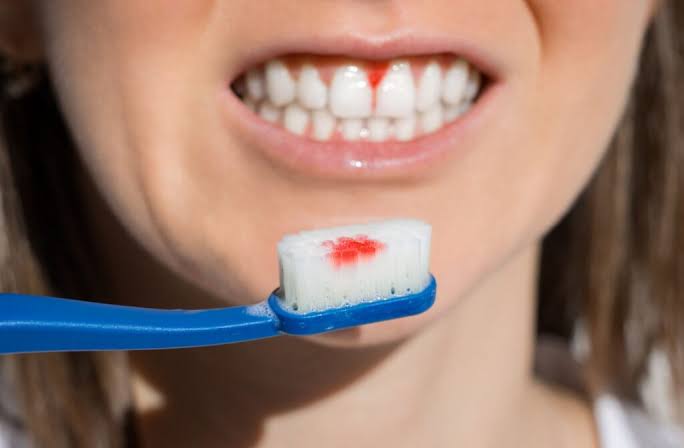
Most bleeding gums respond well to improved hygiene, but certain patterns call for a professional evaluation. Recognizing these signs early can prevent more serious gum disease.
When Should I See a Dentist About Bleeding Gums?
See a dentist if bleeding persists beyond a week, occurs with every brushing session, or comes with swelling, bad breath, or loose teeth. These signs may indicate gingivitis progressing toward periodontitis.
Can a Dentist Reverse Early Gum Disease?
Yes, a dentist can often reverse early-stage gingivitis through professional cleaning and personalized hygiene guidance. Catching the condition early significantly improves the chances of full recovery.
Expert Insight
Dental professionals consistently identify plaque-related gingivitis as the leading cause of bleeding gums during brushing. The American Dental Association highlights how widespread gum disease is among adults, underscoring the importance of routine dental visits even without obvious symptoms.
Because bleeding gums can stem from multiple overlapping causes, dentists often recommend a combination of improved technique, consistent flossing, and professional cleanings rather than relying on a single fix.
Also Read:
- Why Do I Have a Hump on the Back of My Neck?
- Why Are My Gums Purple?
- Why Do Canadians Speak French?
- Why Is Vanilla So Expensive?
- Why Does My Bearded Dragon Lick Me?
- Why Is It Called House Music?
- Why Do My Eyelids Itch?
- Why Do My Nails Hurt After Getting Acrylics?
- Why Can’t Horses Throw Up?
- Why Won’t My Car Turn Over?
- Why Does My Voice Sound Different on Video?
- Why Is the Left Ventricle Thicker Than the Right?
- Why Is It Called the Twin Cities?
- Why Are Earwigs in My House?
- Why Am I So Hairy?
- 50+ Plant Puns That’ll Leaf You Laughing!
- Cheesy Pizza Puns That’ll Make You Crust Laugh!
- 100+ Fishing Puns That Will Reel You In
- 50+ Blooming Flower Puns to Brighten Your Day!
- Bad Puns That Are So Awful, They’re Hilarious
- The Best Animal Puns That Are Paws-itively Funny!
- 71 Inches to cm: A Simple Conversion Guide
- 61 Inches to Feet: Easy Conversion Guide
- 36cm to Inches: Your Ultimate Guide
- 45mm to Inches: Your Complete Guide
Frequently Asked Questions (FAQs)
Why do my gums bleed only when I floss, not when I brush?
This often happens when plaque has built up between teeth, an area brushing alone does not fully clean, making gums more sensitive to flossing.
Is it normal for gums to bleed a little every day?
No, daily bleeding is not considered normal and often signals ongoing gum inflammation that should be evaluated by a dentist.
Can stress cause bleeding gums?
Stress can indirectly affect gum health by weakening immune response and sometimes leading to neglected oral hygiene habits.
Do bleeding gums mean I have a vitamin deficiency?
Not always, but low vitamin C or vitamin K levels can contribute to gum bleeding and are worth discussing with a healthcare provider if bleeding persists.
Can pregnancy cause bleeding gums?
Yes, hormonal changes during pregnancy increase blood flow to the gums, making pregnancy gingivitis a common and well-documented occurrence.
Will my gums stop bleeding if I switch toothbrushes?
Switching to a soft-bristled toothbrush often reduces bleeding caused by aggressive brushing, though underlying gum disease may still need treatment.
Can mouthwash help stop bleeding gums?
Certain antiseptic or therapeutic mouthwashes can help reduce plaque and inflammation, but they work best alongside proper brushing and flossing.
Is bleeding gums a sign of a serious health condition?
In some cases, yes, since certain medications, blood disorders, or systemic conditions can contribute to gum bleeding beyond typical oral hygiene issues.
How long does it take for bleeding gums to heal?
With consistent, gentle oral care, mild gum bleeding often improves within one to two weeks, while more advanced gum disease may take longer.
Can children have bleeding gums when brushing?
Yes, children can experience bleeding gums due to plaque buildup, aggressive brushing, or transitioning to a new oral hygiene routine.
Does smoking make bleeding gums worse?
Yes, smoking significantly increases the risk of gum disease and can mask symptoms, making bleeding gums a more serious warning sign in smokers.
Can blood thinners cause my gums to bleed more?
Yes, blood-thinning medications reduce the blood’s ability to clot, which can make gums bleed more easily during brushing or flossing.
Should I stop brushing if my gums are bleeding?
No, continuing gentle brushing and flossing is important, since stopping allows plaque to build up further and can worsen bleeding.
Can an electric toothbrush help reduce gum bleeding?
Yes, many electric toothbrushes are designed for gentle, consistent pressure, which can help reduce irritation compared to manual brushing.
What does it mean if only one area of my gums bleeds?
Localized bleeding often points to plaque buildup or irritation specific to that area, sometimes linked to a dental restoration or crowded teeth.
Can bleeding gums lead to tooth loss?
Yes, if gingivitis is left untreated and progresses to periodontitis, it can eventually lead to gum recession, bone loss, and tooth loss.
Is bleeding gums common in adults?
Yes, gum disease and related bleeding are widely reported among adults, making regular dental checkups an important preventive measure.
Can a poor diet contribute to bleeding gums?
Yes, diets low in essential vitamins and high in processed foods can weaken gum tissue and contribute to inflammation and bleeding.
Do bleeding gums always require a deep cleaning?
Not always, since mild cases often improve with better home care, but a dentist can determine if a deep cleaning is necessary based on plaque and tartar levels.
How can I tell if my bleeding gums are gingivitis or something more serious?
A dentist can evaluate gum recession, pocket depth, and inflammation to determine whether you are dealing with gingivitis or more advanced periodontitis.
Conclusion
Bleeding gums during brushing are usually linked to gingivitis, brushing habits, or short-term factors like hormonal shifts or restarting flossing. Most cases improve significantly with gentler technique, consistent oral hygiene, and regular dental visits.
Persistent or worsening bleeding is your body’s way of signaling that something needs attention. Addressing it early, with the right daily habits and professional support, gives you the best chance of protecting your gums and avoiding more serious gum disease down the line.
