

Why do your pupils dilate when you look at someone is a question that usually comes up after noticing someone’s eyes look darker or bigger during a conversation. It feels almost involuntary, and that is because it actually is.
What Does It Mean When Your Pupils Dilate
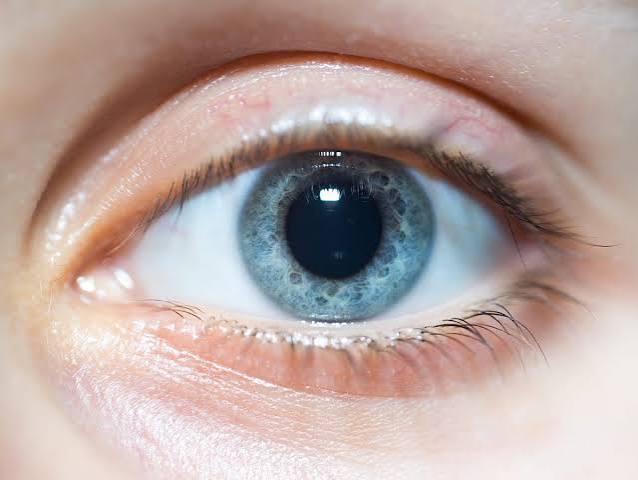
Pupil dilation means the black center of your eye widens, letting in more light or reflecting a surge of activity in your nervous system. This happens automatically and is controlled by muscles in the iris, not by conscious thought.
While dilation naturally happens in low light, it also occurs during strong emotional or physical arousal, including attraction.
The Short Answer
Your pupils dilate when you look at someone because your sympathetic nervous system activates in response to attraction, interest, or arousal. Neurotransmitters like dopamine and norepinephrine trigger the iris dilator muscle to widen the pupil within a fraction of a second.
This reaction is completely involuntary, which is part of why researchers use it to study genuine attraction rather than relying only on what people say they feel.
The Biology Behind Pupil Dilation
Your pupils are controlled by two opposing muscles inside the iris. The dilator muscle widens the pupil, while the sphincter muscle narrows it.
These muscles are managed by the autonomic nervous system, which runs completely outside conscious control. The sympathetic branch triggers dilation, while the parasympathetic branch causes constriction.
Why Attraction Causes Your Pupils to Widen
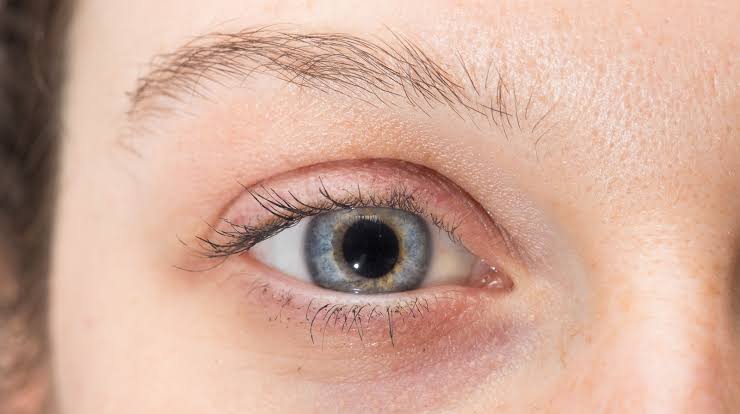
When you look at someone you find attractive, your sympathetic nervous system activates almost instantly. This is the same system responsible for your body’s broader fight or flight response.
The activation is not random. It appears to be tied directly to interest, pleasure, and anticipation triggered by seeing someone appealing.
The Role of Dopamine, Norepinephrine, and Oxytocin
Several chemical messengers work together to produce this reaction.
| Neurotransmitter | Common Nickname | Role in Pupil Dilation |
|---|---|---|
| Dopamine | The happy hormone | Released during anticipated pleasure, directly linked to dilation |
| Norepinephrine | Noradrenaline | Drives sympathetic nervous system arousal |
| Oxytocin | The love hormone | Associated with bonding and connection, linked to increased pupil size |
Together, these chemicals explain why attraction produces such a fast and noticeable physical response.
Pupil Dilation and Sexual Orientation
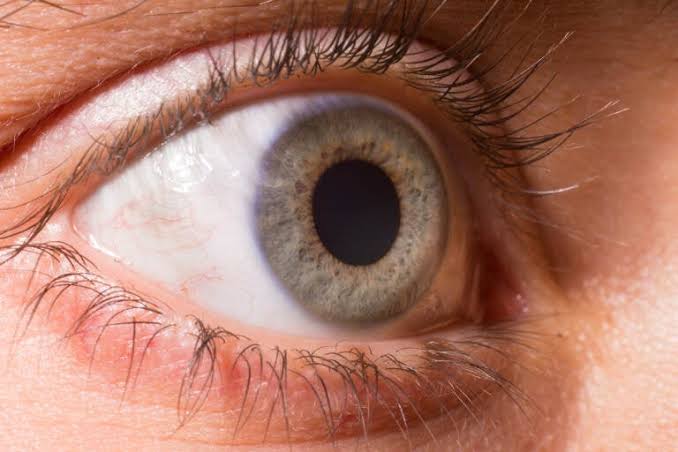
Some of the most detailed research on this topic comes from studies tracking pupil response to images of different genders. One large study found that heterosexual men’s pupils responded most strongly to images of women, while gay men’s pupils responded most to images of men.
Bisexual participants showed dilation toward both genders, and heterosexual women showed a broader pattern of arousal responses. Researchers describe this as a subconscious signal that is harder to consciously control than a spoken answer.
Does Pupil Dilation Always Mean Attraction
Pupil dilation is not exclusive to attraction, and context always matters. Several other states trigger the exact same physical response.
- Fear or a sudden startle
- Anger or intense stress
- Excitement about something unrelated to a person
- Drug or alcohol use
- Simply being in a dimly lit room
Because of this overlap, a single instance of dilated pupils is not reliable proof of romantic interest on its own.
How Larger Pupils Affect Perceived Attractiveness
Interestingly, the effect appears to work in both directions. Research shows people tend to rate faces with larger pupils as more attractive, creating a kind of feedback loop between two people who are mutually interested.
This may partly explain phrases like “easy on the eye,” since dilated pupils have long been associated with a more engaged, appealing expression.
Pupil Dilation Throughout the Menstrual Cycle
Some studies suggest a woman’s pupils may dilate more strongly toward stimuli she finds attractive during the most fertile phase of her cycle. Researchers link this pattern to broader biological signals tied to reproduction.
This finding adds another layer to how hormones and biology intersect with visible eye responses.
Attraction Signals vs Other Emotional Triggers
Comparing dilation triggers side by side makes the overlap easier to understand.
| Trigger | Underlying System | Typical Context |
|---|---|---|
| Attraction | Sympathetic nervous system | Looking at someone appealing |
| Fear | Sympathetic nervous system | Sudden threat or startle |
| Low light | Iris reflex | Dim rooms or nighttime |
| Anger | Sympathetic nervous system | High stress or conflict |
| Substance use | Nervous system disruption | Certain drugs or alcohol |
The nervous system pathway is often shared, which is exactly why dilation alone cannot confirm a specific emotion.
What Researchers Use Pupil Dilation For
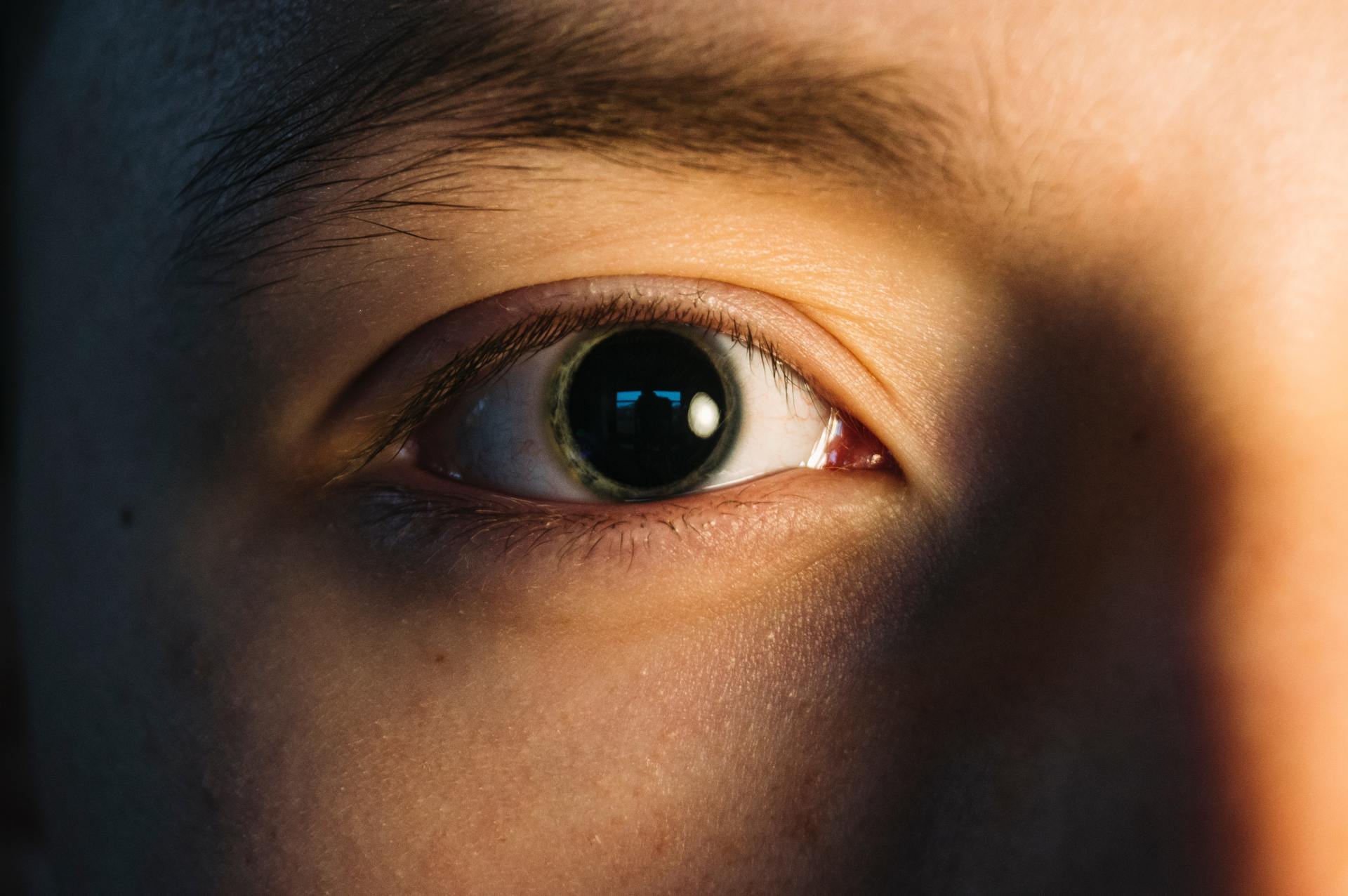
Because pupil response is involuntary, researchers often use it as a tool to study attraction and arousal without relying purely on self-reported answers. Eye tracking studies have been used to measure interest levels, sexual orientation patterns, and emotional engagement during experiments.
This method is valued because participants cannot consciously fake or control their pupil response the way they might adjust a verbal answer.
Common Misconceptions About Pupil Dilation
A few popular beliefs about dilated pupils are only partly true.
| Misconception | More Accurate Explanation |
|---|---|
| Dilated pupils always mean someone likes you | They can also reflect fear, stress, or lighting conditions |
| You can consciously control pupil size | Pupil size is controlled by the autonomic nervous system |
| Only romantic attraction causes dilation | Any strong emotional or physical arousal can trigger it |
| Pupil size instantly reveals someone’s feelings | Context and other body language matter just as much |
Key Takeaways
- Pupil dilation happens when the sympathetic nervous system activates the iris dilator muscle.
- Dopamine, norepinephrine, and oxytocin all play a role in dilation linked to attraction.
- Fear, anger, low light, and substance use can trigger the same physical response.
- Research shows larger pupils are often rated as more attractive by others.
- Pupil dilation is a useful research tool because it is involuntary and hard to fake.
Also Read:
- Why Do I Have a Hump on the Back of My Neck?
- Why Are My Gums Purple?
- Why Do Canadians Speak French?
- Why Is Vanilla So Expensive?
- Why Does My Bearded Dragon Lick Me?
- Why Is It Called House Music?
- Why Do My Eyelids Itch?
- Why Do My Nails Hurt After Getting Acrylics?
- Why Can’t Horses Throw Up?
- Why Won’t My Car Turn Over?
- Why Does My Voice Sound Different on Video?
- Why Is the Left Ventricle Thicker Than the Right?
- Why Is It Called the Twin Cities?
- Why Are Earwigs in My House?
- Why Am I So Hairy?
- 50+ Plant Puns That’ll Leaf You Laughing
- Cheesy Pizza Puns That’ll Make You Crust Laugh
- 100+ Fishing Puns That Will Reel You In
- 50+ Blooming Flower Puns to Brighten Your Day
- Bad Puns That Are So Awful, They’re Hilarious
- The Best Animal Puns That Are Paws-itively Funny
- 71 Inches to cm: A Simple Conversion Guide
- 61 Inches to Feet: Easy Conversion Guide
- 36cm to Inches: Your Ultimate Guide
- 45mm to Inches: Your Complete Guide
Frequently Asked Questions (FAQs)
Why do your pupils dilate when you look at someone?
Your sympathetic nervous system activates in response to attraction or interest, widening the iris dilator muscle. This happens automatically within a fraction of a second.
Does pupil dilation always mean attraction?
No, fear, anger, low light, and even substance use can trigger the same response. Context is needed to interpret what the dilation actually means.
What hormones cause pupils to dilate when attracted to someone?
Dopamine, norepinephrine, and oxytocin all play a role in triggering pupil dilation. These chemicals are linked to pleasure, arousal, and social bonding.
Can pupil dilation reveal sexual orientation?
Research studies have found that pupil response patterns often align with a person’s stated sexual orientation. Heterosexual and gay participants showed the strongest dilation toward images matching their orientation.
Do bigger pupils make someone more attractive?
Studies show people often rate faces with larger pupils as more attractive. This may create a feedback loop between two mutually interested people.
Can you control your pupil size on purpose?
No, pupil size is regulated by the autonomic nervous system, which works outside conscious control. You cannot intentionally widen or narrow your pupils at will.
Why do pupils dilate in the dark as well as during attraction?
In darkness, pupils widen through a simple reflex to let in more light. During attraction, dilation comes from nervous system arousal rather than lighting conditions.
Does pupil dilation change during a woman’s menstrual cycle?
Some research suggests dilation toward attractive stimuli may increase during the most fertile phase of the cycle. Scientists link this pattern to broader reproductive biology.
Why do researchers use pupil dilation to study attraction?
Because pupil response is involuntary, it is harder to fake than a verbal answer. This makes it a useful tool for measuring genuine interest or arousal.
Is pupil dilation a reliable single sign that someone likes you?
Not on its own, since many emotions and environmental factors cause the same reaction. It works best as one clue alongside other body language signals.
Conclusion
So, why do your pupils dilate when you look at someone comes down to your sympathetic nervous system responding to attraction, interest, or arousal. Chemicals like dopamine, norepinephrine, and oxytocin drive this involuntary widening of the iris.
The same reaction can also come from fear, anger, low light, or other unrelated triggers, so context always matters. Pupil dilation is a fascinating window into biology, but it works best as one signal among many rather than a definitive answer on its own.
Next time you notice someone’s eyes widen while talking to you, you will know there is real science behind that subtle, split-second reaction.
