

Why Do My Feet Swell When I Drink Alcohol? Your feet swell after drinking alcohol mainly due to dehydration followed by fluid retention, a condition doctors call peripheral edema.
Alcohol lowers a hormone called vasopressin, causing you to lose fluid at first, then your body overcorrects and holds onto extra water.
Gravity pulls that extra fluid down into your feet and ankles, especially after a night of heavy drinking. Most cases are mild and resolve within a day or two.
Key Takeaways
- Alcohol reduces vasopressin, a hormone that helps your kidneys retain water.
- This leads to dehydration first, followed by fluid rebound and retention.
- Gravity causes retained fluid to settle in the feet and ankles, called peripheral edema.
- Salty food, blood vessel dilation, and poor circulation can make swelling worse.
- Frequent or severe swelling may signal liver, heart, or vein-related issues.
Why Do Feet Swell After Drinking Alcohol? Simple Definition
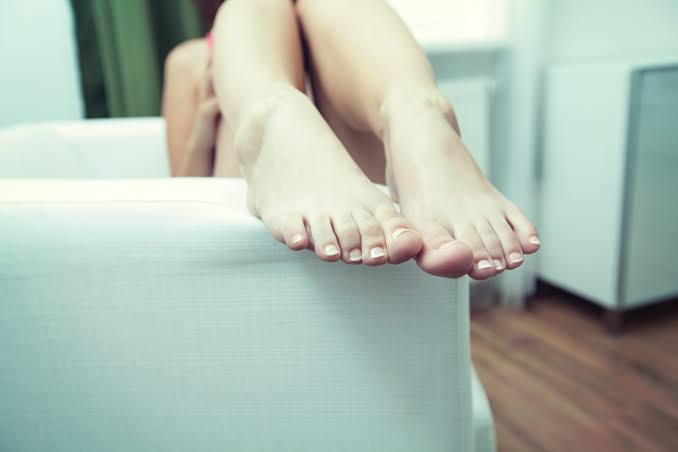
Feet swell after drinking because alcohol disrupts the body’s fluid balance, first causing dehydration and then fluid retention. This retained fluid moves downward due to gravity and commonly collects in the feet and ankles, a condition known as peripheral edema.
The Science Behind Alcohol-Related Foot Swelling
Understanding the underlying process makes the swelling easier to make sense of. Several biological mechanisms work together to cause this effect.
Alcohol Lowers Vasopressin
Vasopressin, also called antidiuretic hormone (ADH), normally signals your kidneys to conserve water. Alcohol suppresses this hormone, which is why you urinate more frequently while drinking.
Dehydration Triggers a Fluid Rebound
As dehydration sets in, your body pulls water from cells into the bloodstream to protect blood pressure and organ function. Once drinking stops, the body often overcorrects and begins retaining more fluid than needed.
Gravity Pulls Fluid Downward
Because your feet are the lowest point of your body, excess fluid tends to accumulate there first. This is why swelling often shows up in the feet and ankles rather than other areas.
Blood Vessel Dilation
Alcohol widens, or dilates, blood vessels throughout the body. This relaxation can slow blood flow in the legs and allow more fluid to leak into surrounding tissue.
Salt Intake From Food and Drinks
Salty bar snacks or mixers can pull additional water into your tissues. Combined with alcohol’s effects, this can intensify the swelling you notice the next day.
Comparison Table: Causes Contributing to Alcohol-Related Foot Swelling
| Contributing Factor | What It Does | Effect on Feet |
|---|---|---|
| Lowered vasopressin | Increases urination, causes dehydration | Triggers fluid rebound |
| Fluid rebound | Body retains extra water to compensate | Leads to overall puffiness |
| Gravity | Pulls excess fluid to lowest body points | Concentrates swelling in feet and ankles |
| Blood vessel dilation | Slows circulation, increases fluid leakage | Worsens localized swelling |
| High salt intake | Increases water retention in tissues | Adds to next-day puffiness |
Is Swollen Feet After Drinking Alcohol Serious?
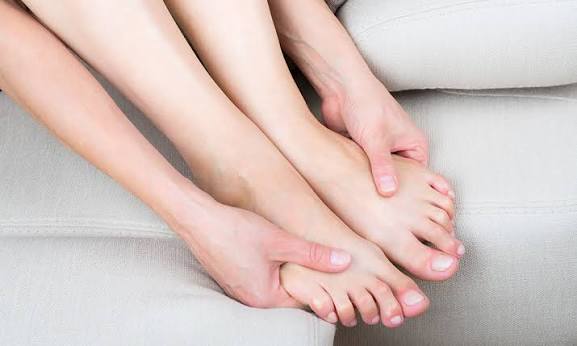
For most occasional drinkers, feet swelling after alcohol is mild and temporary. It usually improves within one to two days as fluid balance normalizes.
However, frequent or severe swelling can point to a larger underlying issue, especially with regular heavy drinking. Recognizing the difference matters for your long-term health.
How Long Does Alcohol-Related Foot Swelling Last?
Mild swelling typically resolves within one to two days as your body rebalances fluids. If swelling lasts longer or worsens, it may indicate an underlying circulatory or organ-related issue.
Can One Night of Drinking Cause Swollen Feet?
Yes, even a single night of heavy drinking can trigger noticeable swelling due to the dehydration and fluid-rebound cycle. This is common and usually not a cause for alarm on its own.
When Swelling May Signal a Bigger Health Problem
Repeated or unexplained foot swelling after drinking should not be ignored, especially alongside other symptoms. Certain patterns point toward conditions that need medical evaluation.
Liver-Related Swelling
Long-term heavy alcohol use can damage the liver, lowering a protein called albumin. With less albumin in the blood, fluid leaks more easily into tissues, including the legs and feet, and this is a recognized symptom associated with advanced alcohol-related liver disease.
Heart-Related Swelling
Swelling paired with shortness of breath, fatigue, rapid weight gain, or a persistent cough can point toward heart-related fluid buildup. These combined symptoms warrant prompt medical attention.
Vein-Related Swelling
Weakened leg veins, known as chronic venous insufficiency, can cause daily ankle swelling that becomes more noticeable after drinking. This condition often develops gradually over time.
Pros and Cons Table: Occasional vs. Frequent Alcohol-Related Swelling
| Type of Swelling | Pros (Lower Concern) | Cons (Higher Concern) |
|---|---|---|
| One-time swelling after a night out | Usually resolves within 1–2 days | Can still cause temporary discomfort |
| Occasional swelling with heavy drinking | Predictable and manageable with hydration | May recur with continued heavy drinking |
| Frequent or persistent swelling | None significant | May indicate liver, heart, or vein issues |
| Swelling with other symptoms | None significant | Requires prompt medical evaluation |
How to Reduce Swollen Feet After Drinking
A few practical steps can help minimize alcohol-related foot swelling. These strategies focus on supporting healthy fluid balance.
Step-by-Step Ways to Reduce Swelling
- Drink water throughout your drinking session and afterward to support hydration.
- Reduce salty snacks and processed foods while drinking alcohol.
- Elevate your feet above heart level for 15 to 20 minutes when resting.
- Move and stretch periodically instead of sitting or standing still for long periods.
- Limit alcohol intake, especially on consecutive days, to avoid repeated fluid imbalance.
Best Practices
- Alternate alcoholic drinks with water to reduce dehydration.
- Choose lower-sodium mixers and snacks when drinking.
- Wear comfortable, non-restrictive footwear if you notice frequent swelling.
- Track how often swelling occurs to identify patterns linked to drinking habits.
Mistakes to Avoid

- Do not ignore swelling that persists for several days without improvement.
- Do not assume all swelling is harmless if paired with shortness of breath or chest discomfort.
- Do not rely only on rest without addressing hydration and salt intake.
- Do not continue heavy drinking patterns if swelling becomes frequent or severe.
Expert Insight
Medical literature consistently links alcohol’s diuretic effect and subsequent fluid rebound to peripheral edema in the lower extremities. Health organizations also recognize leg and ankle swelling as a documented symptom of advanced alcohol-related liver disease.
Because swelling can stem from multiple overlapping causes, healthcare providers often recommend evaluating frequency, severity, and accompanying symptoms rather than treating a single instance as automatically serious.
When to See a Doctor
Occasional, mild swelling after drinking rarely requires medical care. Certain warning signs, however, call for prompt evaluation.
When Should I Worry About Swollen Feet From Alcohol?
Seek medical attention if swelling is severe, one-sided, painful, or accompanied by shortness of breath, rapid weight gain, or skin discoloration. These combinations can indicate heart, liver, or vein-related complications.
Can Quitting Alcohol Reduce Foot Swelling?
Yes, many people notice reduced puffiness and swelling after cutting back or quitting alcohol, particularly if the swelling was linked to fluid retention rather than an unrelated medical condition.
Also Read:
- Why Do I Have a Hump on the Back of My Neck?
- Why Are My Gums Purple?
- Why Do Canadians Speak French?
- Why Is Vanilla So Expensive?
- Why Does My Bearded Dragon Lick Me?
- Why Is It Called House Music?
- Why Do My Eyelids Itch?
- Why Do My Nails Hurt After Getting Acrylics?
- Why Can’t Horses Throw Up?
- Why Won’t My Car Turn Over?
- Why Does My Voice Sound Different on Video?
- Why Is the Left Ventricle Thicker Than the Right?
- Why Is It Called the Twin Cities?
- Why Are Earwigs in My House?
- Why Am I So Hairy?
- 50+ Plant Puns That’ll Leaf You Laughing!
- Cheesy Pizza Puns That’ll Make You Crust Laugh!
- 100+ Fishing Puns That Will Reel You In
- 50+ Blooming Flower Puns to Brighten Your Day!
- Bad Puns That Are So Awful, They’re Hilarious
- The Best Animal Puns That Are Paws-itively Funny!
- 71 Inches to cm: A Simple Conversion Guide
- 61 Inches to Feet: Easy Conversion Guide
- 36cm to Inches: Your Ultimate Guide
- 45mm to Inches: Your Complete Guide
Frequently Asked Questions (FAQs)
Why do my feet swell the morning after drinking?
Feet often swell the morning after drinking because your body enters a fluid-rebound phase following alcohol-induced dehydration.
Is swollen feet after drinking alcohol dangerous?
Occasional mild swelling is usually not dangerous, but frequent or severe swelling can indicate an underlying liver, heart, or vein issue.
How can I quickly reduce swollen feet after drinking?
Drinking water, reducing salt intake, and elevating your feet can help reduce swelling more quickly.
Does alcohol cause water retention?
Yes, alcohol disrupts hormone levels that regulate fluid balance, often leading to water retention after initial dehydration.
Can drinking alcohol every day cause permanent foot swelling?
Regular heavy drinking can contribute to chronic swelling over time, especially if it leads to liver or vein-related complications.
Why does alcohol make ankles swell more than other body parts?
Gravity pulls excess retained fluid downward, making the ankles and feet common areas for visible swelling.
Can beer specifically cause more swelling than other alcohol?
Beer’s alcohol content combined with its volume and sodium-rich pairings can contribute to noticeable swelling, similar to other alcoholic drinks.
Does drinking water before bed help prevent morning swelling?
Yes, staying hydrated before and after drinking alcohol can help reduce the severity of next-day swelling.
Can alcohol-related swelling be a sign of liver damage?
Yes, ongoing or severe swelling can be linked to reduced liver function, particularly with long-term heavy alcohol use.
Why do my feet swell after drinking but not after eating salty food alone?
Alcohol’s effect on hormone regulation adds to sodium-related water retention, making the combined effect more noticeable than salt alone.
Can swollen feet from alcohol affect both feet equally?
Yes, alcohol-related swelling typically affects both feet evenly, while one-sided swelling may point to a different underlying cause.
Does age make alcohol-related foot swelling worse?
Circulatory efficiency can decline with age, which may make some people more prone to noticeable swelling after drinking.
Can medication combined with alcohol worsen foot swelling?
Yes, certain medications affect fluid balance and circulation, so combining them with alcohol can increase swelling risk.
Is it normal for swelling to return every time I drink?
Occasional recurring swelling can be normal, but frequent swelling with every drinking episode is worth discussing with a doctor.
Can dehydration from alcohol cause cramps along with swelling?
Yes, dehydration can contribute to both muscle cramps and fluid imbalance, sometimes occurring together.
Should I stop drinking completely if my feet swell?
Not necessarily, but reducing intake and monitoring symptoms is a reasonable first step, especially if swelling is frequent.
Can wearing compression socks help with alcohol-related swelling?
Yes, compression socks may help support circulation and reduce fluid pooling in the feet and ankles.
Does swelling from alcohol go away on its own?
For most people, mild swelling resolves naturally within one to two days as fluid balance returns to normal.
Can heart problems cause swelling that looks like alcohol-related edema?
Yes, heart-related swelling can look similar, which is why accompanying symptoms like breathlessness should not be ignored.
When should I see a doctor for swollen feet after drinking?
See a doctor if swelling is severe, persistent, painful, one-sided, or paired with symptoms like shortness of breath or skin discoloration.
Conclusion
Swollen feet after drinking alcohol usually come down to a predictable cycle of dehydration followed by fluid retention. Gravity, blood vessel changes, and salty food can all add to the effect, especially after heavy drinking.
Most cases resolve on their own within a day or two with simple steps like hydration and rest. If swelling becomes frequent, severe, or comes with other symptoms, it is worth having a healthcare provider check for underlying liver, heart, or vein-related causes.
