

Why Can’t Horses Throw Up? Because their digestive system is built as a one-way street, not a two-way one.
A powerful valve called the lower esophageal sphincter stays clamped shut, and the angle where the esophagus meets the stomach makes reverse flow almost impossible.
This isn’t a minor quirk. It’s a core reason why digestive problems in horses, like colic, can turn dangerous so quickly.
Why Can’t Horses Throw Up
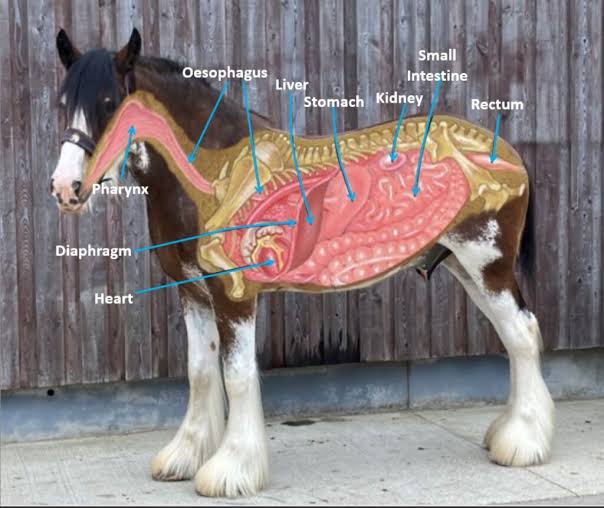
A horse’s digestive tract only allows food to move in one direction, from mouth to stomach to intestines. Three anatomical features make vomiting virtually impossible:
- An unusually strong lower esophageal sphincter that resists opening backward
- A steep angle where the esophagus enters the stomach
- One-directional muscle contractions (peristalsis) that only push food downward
The Anatomy Behind a Horse’s One-Way Digestive System
The lower esophageal sphincter, sometimes called the cardiac sphincter, sits at the junction between the esophagus and stomach. In horses, this muscular valve is far stronger than in humans or most other animals.
Under normal pressure, and even under significant backward pressure, this valve simply will not open toward the esophagus. This single structural difference is the main reason horses cannot vomit.
Why the Angle of the Esophagus Matters
The horse’s esophagus doesn’t meet the stomach straight on. Instead, it connects at a sharp, steep angle.
This angle makes it easy for food to travel downward but extremely difficult for anything to travel back up. As the stomach fills, this angle actually tightens the seal even further.
One-Directional Muscle Movement (Peristalsis)
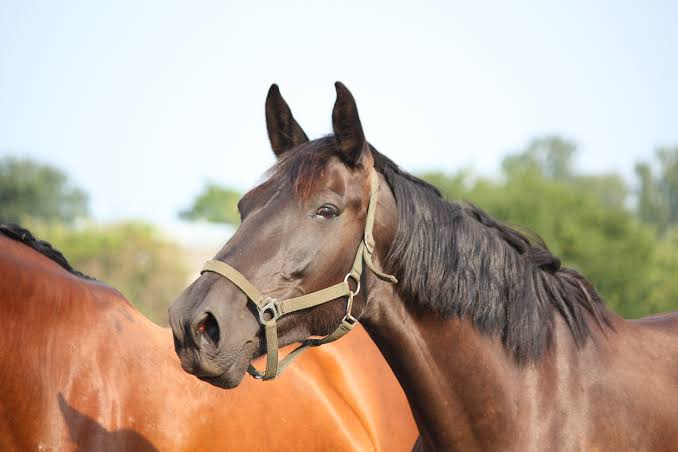
Peristalsis refers to the wave-like muscle contractions that move food through the digestive tract. In humans, these contractions can reverse direction to expel stomach contents during vomiting.
In horses, peristalsis only moves in one direction: forward. There is no reverse peristalsis mechanism available to push material back up.
Horse Digestive Anatomy vs. Human Digestive Anatomy
| Feature | Horses | Humans |
|---|---|---|
| Lower esophageal sphincter strength | Very strong, resists reverse opening | Comparatively weaker |
| Esophagus-to-stomach angle | Steep, one-way favoring | More gradual |
| Peristalsis direction | Forward only | Can reverse for vomiting |
| Vomiting reflex | Very weak or absent | Fully developed |
| Result | Cannot vomit | Can vomit |
Why Did Horses Evolve This Way?
Horses are grazing prey animals that evolved to eat small amounts of food almost continuously throughout the day. This constant, forward-moving digestion supported near-endless foraging while staying alert to predators.
Retaining food securely may have mattered more for survival than being able to expel toxins through vomiting. Researchers believe this trade-off shaped the horse’s unique one-way digestive design over time.
Other Animals That Can’t Vomit Either
Horses aren’t alone in this trait. Several other species share a similarly limited or absent vomiting reflex.
- Rats
- Mice
- Rabbits
- Guinea pigs
- Most rodent species
Can Anything Come Out of a Horse’s Mouth or Nose?
Yes, but it isn’t true vomiting in the medical sense. There are two situations where material can appear to come back up.
- Choke: If food becomes lodged in the esophagus, it may come back out through the mouth or nose, but this originates from the esophagus, not the stomach.
- Stomach rupture: In severe, traumatic cases, extreme pressure can cause the stomach wall to fail, forcing contents out. This is a medical emergency, not a normal reflex.
What Choke Looks Like in Horses
Choke happens when food becomes stuck in the esophagus rather than reaching the stomach. Despite the name, it usually doesn’t block the airway the way choking does in humans.
Common signs include drooling, coughing, and food or saliva coming from the nostrils. This condition requires prompt veterinary attention to prevent complications like esophageal damage.
Why This Inability Makes Colic So Dangerous
Because horses can’t vomit to relieve stomach pressure, gas or fluid buildup has nowhere safe to go. This is one of the key reasons colic is treated as a veterinary emergency in horses.
If pressure continues building without relief, the stomach wall itself is at risk of rupturing. A ruptured stomach is almost always fatal, which makes early colic detection critical.
Signs of Colic Owners Often Mistake for Vomiting
- Repeated pawing at the ground
- Rolling or attempting to lie down frequently
- Looking back at the flank or abdomen
- Sweating without physical exertion
- Reduced or absent gut sounds
- Refusal to eat or drink
Colic vs. True Vomiting-Like Symptoms
| Symptom | Colic | Choke |
|---|---|---|
| Origin | Stomach or intestines | Esophagus |
| Material expelled | Rare, only in rupture | Common, food/saliva |
| Pain level | Often severe | Moderate to severe |
| Emergency level | High | High |
| Common cause | Gas, impaction, twisting | Poorly chewed food, dry feed |
Why Horses Are Also Obligate Nasal Breathers
Interestingly, horses also cannot breathe through their mouths under normal circumstances. A powerful soft palate seal keeps the airway and digestive tract separated, supporting the intense airflow needed for running.
This anatomical trait, combined with their inability to vomit or burp, reflects how thoroughly the horse’s upper digestive and respiratory systems evolved around one-way, forward-only function.
Expert Tip
Because horses can’t relieve pressure through vomiting or burping, feeding management plays a huge role in prevention. Smaller, more frequent meals closely mimic natural grazing and reduce the risk of overload-related colic.
Mistakes to Avoid
- Don’t assume vomiting-like symptoms are minor; treat them as an emergency every time.
- Don’t overfeed grain or concentrated feed in large single meals, which increases colic risk.
- Don’t ignore early colic signs like pawing or reduced appetite, since horses hide pain well.
- Don’t delay calling a vet if you see material coming from the nose or mouth.
When to Call a Vet Immediately
- Any material coming from the nostrils or mouth
- Signs of colic, including repeated rolling or flank watching
- A visibly distended or hard abdomen
- Absence of normal gut sounds
- Sudden refusal to eat combined with distress
Prevention Tips for Horse Owners
- Feed smaller, more frequent meals instead of large infrequent ones.
- Provide constant access to clean, fresh water.
- Introduce new feed gradually to avoid digestive upset.
- Schedule regular dental checkups, since poor chewing increases choke risk.
- Monitor for early colic signs and contact a vet at the first indication.
Key Takeaways

- Horses can’t vomit because of a powerful lower esophageal sphincter, a steep esophageal angle, and one-directional peristalsis.
- This trait likely evolved to support constant grazing as a survival strategy.
- Choke and stomach rupture can look similar to vomiting but are not the same physiological process.
- Because horses can’t relieve stomach pressure by vomiting, colic is a serious veterinary emergency.
- Rats, mice, and rabbits share a similarly limited vomiting reflex.
- Feeding management is one of the most effective ways to reduce digestive risk in horses.
Also Read:
- Why Do Men Have Longer Eyelashes? The Real Science Behind the Myth
- Why Are Dreams So Weird? The Science Explained
- Why Does My Dog Keep Coughing and Gagging? Causes and When to Worry
- Why Have I Been on My Period for 2 Weeks? Causes Explained
- Why Do People File Bankruptcy? Common Causes Explained
- Why Is a Flea Market Called a Flea Market? The Real Origin Explained
- The Best PDF to Excel Conversion Services for Windows, Mac, and Linux
- Why Do We Have Ear Wax? The Real Purpose Explained
- Why Do Cats Love Bite? Meaning & How to Respond
- Why Is My Earwax Wet? Causes, Normal Types, and Warning Signs
- Why More People Are Spending Time In Online Gaming Spaces
- Why Is FedEx So Bad? The Real Reasons Behind the Complaints
- Why Are My Cat’s Ears Cold? Causes & When to Worry
- Why Do Dogs Get Skin Tags? Causes, Risks, and When to Worry
- Why Do People Cheat in Relationships? The Real Reasons
- Why Does My Pee Burn After Sex? Causes & Relief
- Why Is My Big Toe Hurting? Common Causes and What to Do About It
- Why Would I Be Referred to a Gastroenterologist? Full Guide
- Why Is the Corner of My Eye Itchy? Causes & Relief
- Why Is My Jaw Locking? Causes, Symptoms, and What to Do Next
- 50+ Plant Puns That’ll Leaf You Laughing!
- Literary Devices List
- How to Pronounce L O E W E: Master the Spanish Luxury Brand’s Name
Frequently Asked Questions (FAQs)
Why can’t horses throw up?
Horses can’t throw up because their lower esophageal sphincter is extremely strong, the esophagus meets the stomach at a steep angle, and their muscle contractions only move food forward. Together, these traits create a one-way digestive system.
Is it dangerous that horses can’t vomit?
Yes, this inability makes conditions like colic much more dangerous, since horses can’t relieve stomach pressure the way many other animals can.
Can any material come out of a horse’s mouth or nose?
Yes, but it’s typically due to choke, where food gets stuck in the esophagus, rather than true vomiting from the stomach.
What is choke in horses?
Choke occurs when food becomes lodged in the esophagus instead of reaching the stomach. It often causes drooling, coughing, and material coming from the nostrils.
Do other animals share this inability to vomit?
Yes, rats, mice, rabbits, and most rodents also have a very limited or absent vomiting reflex, similar to horses.
Why did horses evolve without the ability to vomit?
Researchers believe this trait developed because horses are grazing prey animals that benefited more from retaining food than expelling it during near-constant feeding.
What happens if a horse’s stomach becomes too full or gassy?
Because horses can’t vomit or burp, excess pressure has nowhere to safely release. In severe cases, this can lead to stomach rupture, which is usually fatal.
Is colic related to a horse’s inability to vomit?
Yes, the inability to relieve stomach pressure through vomiting is one of the main reasons colic is considered a serious veterinary emergency in horses.
Can horses burp?
No, horses generally cannot burp for similar anatomical reasons that prevent vomiting, making gas buildup more difficult to relieve.
How strong is a horse’s lower esophageal sphincter compared to humans?
A horse’s lower esophageal sphincter is significantly stronger than a human’s, making it resistant to opening even under considerable backward pressure.
What is the role of the esophagus’s angle in preventing vomiting?
The steep angle where the esophagus meets the stomach makes it easy for food to move down but extremely difficult for anything to move back up.
Can a horse choke and appear to be vomiting at the same time?
Yes, choke can look similar to vomiting from the outside, since material may come out of the mouth or nose, but it originates from the esophagus, not the stomach.
What are early signs of colic in horses?
Common early signs include pawing at the ground, looking at the flank, reduced appetite, and decreased or absent gut sounds.
Is a ruptured stomach in horses common?
No, it’s rare, but it can occur in severe, untreated colic cases where pressure builds beyond what the stomach wall can withstand.
Why are horses considered obligate nasal breathers?
A strong soft palate seal keeps horses breathing exclusively through their nose under normal conditions, supporting airflow needed for extended running.
How can horse owners help prevent colic?
Feeding smaller, more frequent meals, ensuring constant water access, and introducing new feed gradually all help reduce colic risk.
Does dental health affect a horse’s risk of choke?
Yes, poor dental health can lead to inadequate chewing, which increases the risk of food becoming lodged in the esophagus.
Should I call a vet if I see something coming from my horse’s nose?
Yes, any material coming from a horse’s nostrils or mouth should be treated as an emergency and evaluated by a veterinarian immediately.
Can stress or anxiety cause a horse to vomit?
No, regardless of stress level, a horse’s anatomy prevents true vomiting from occurring under any circumstances.
Why is understanding this trait important for horse owners?
Knowing that horses can’t vomit helps owners recognize the seriousness of colic and choke symptoms and seek veterinary care quickly, which can be lifesaving.
Conclusion
A horse’s inability to vomit isn’t a flaw. It’s the result of highly specialized anatomy built for constant grazing and survival on open terrain. Understanding this unique trait helps explain why digestive issues like colic and choke are treated with such urgency in equine care.
For horse owners, the biggest takeaway is prevention. Careful feeding habits, dental care, and quick action at the first sign of trouble go a long way toward protecting a horse’s digestive health.
