

They don’t make you any smarter, and they usually cause more trouble than anything else. So Why Is It Called Wisdom Teeth? in the first place?
The answer has nothing to do with intelligence and everything to do with timing. These molars simply show up later in life than every other tooth.
Why Is It Called Wisdom Teeth?
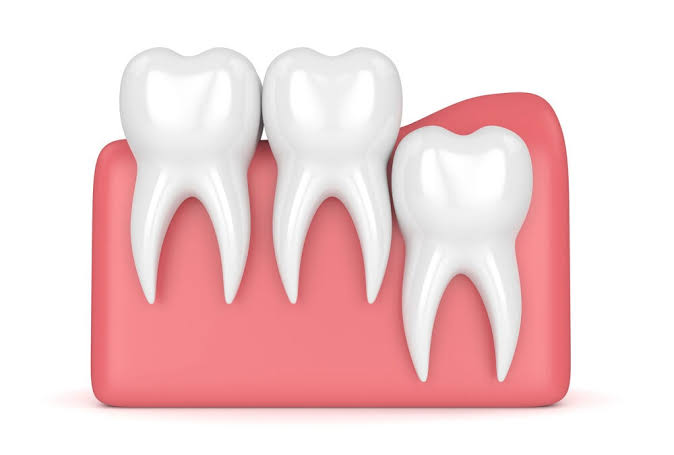
Wisdom teeth are called “wisdom teeth” because they emerge later in life, typically between ages 17 and 25, a time traditionally associated with greater maturity and wisdom. The name has no biological connection to actual intelligence.
Dentists formally call them third molars, but the nickname “wisdom teeth” has stuck in everyday language for centuries.
There’s no evidence that having your wisdom teeth grow in fully, or not at all, has anything to do with how wise a person actually is.
The Latin and Greek Origins
Dens Sapientiae
The Latin term dens sapientiae translates directly to “tooth of wisdom,” and many linguists trace the modern English name back to this phrase.
This term was reportedly first used in English around the mid-17th century, continuing in use until “wisdom teeth” became the standard phrase by the mid-19th century.
Sophronister in Ancient Greek
Ancient Greeks used the term sophronister, sometimes rendered as sóphronistér, meaning “prudent” or “sensible.”
Some sources also cite odontias sophias, another Greek phrase translating to “teeth of wisdom,” reflecting the same underlying idea.
Why the Name Is About Age, Not Actual Wisdom
Wisdom teeth are the very last teeth to emerge, arriving well after all other adult teeth are already in place.
While most permanent teeth come in during childhood, wisdom teeth typically break through between ages 17 and 25, sometimes as early as 14.
Since a person is generally older, and presumably more mature, by the time these molars appear, ancient scholars linked the timing to wisdom rather than the tooth itself having any special property.
Timeline: When Teeth Typically Emerge
| Tooth Type | Typical Age of Emergence |
|---|---|
| Baby teeth | 6 months to 3 years |
| Permanent teeth (most) | 6 to 12 years |
| Second molars | 11 to 13 years |
| Wisdom teeth (third molars) | 17 to 25 years |
Do Wisdom Teeth Serve Any Real Purpose?
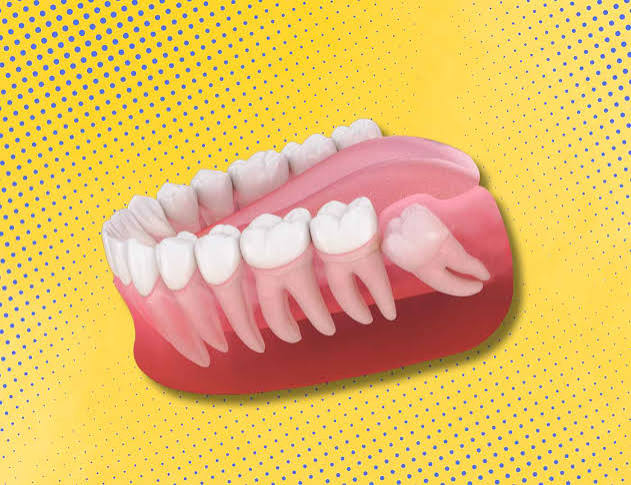
Anthropologists believe early humans needed these extra molars for grinding tough, fibrous foods like roots, nuts, and raw meat.
As human diets changed and jaws gradually became smaller over generations, the need for a third set of back molars largely disappeared.
Today, wisdom teeth are often considered vestigial, similar to the appendix, meaning they no longer serve a necessary function for most people.
Why Wisdom Teeth Cause So Many Problems
Because human jawbones have reduced in size compared to our ancestors, there’s frequently not enough room for wisdom teeth to emerge properly.
This lack of space commonly leads to impaction, where the tooth is blocked from breaking through the gum in a normal, aligned position.
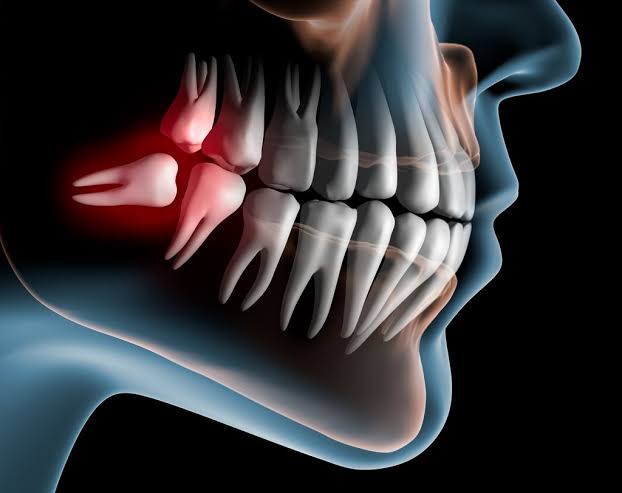
Impacted or misaligned wisdom teeth can cause pain, infection, and crowding, which is why removal is so commonly recommended by dentists.
Cultural Names for Wisdom Teeth Around the World
- Dutch: “Verstandskiezen,” translating roughly to “far standing tooth” or tooth of understanding.
- Korean: Sometimes translated as “love teeth,” linked to the age of early romantic experiences.
- Chinese tradition: Historically associated with the transition into adulthood and greater responsibility.
These varied cultural interpretations all circle back to the same core idea: these teeth arrive at a symbolically “wiser” stage of life.
Not Everyone Gets All Four Wisdom Teeth
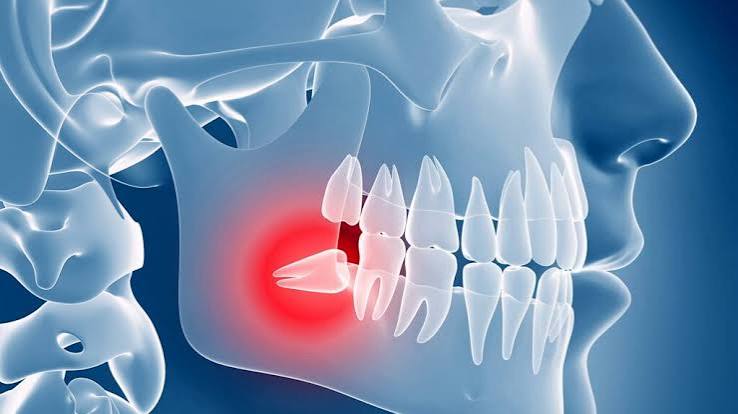
Some people never develop wisdom teeth at all, while others only develop one, two, or three rather than the full standard set of four.
This variation is considered normal and reflects ongoing evolutionary changes in human jaw size and dental development.
Key Takeaways
- Wisdom teeth are named for the age at which they emerge, not any actual link to intelligence.
- The name traces back to Latin (dens sapientiae) and Greek (sophronister) terms both meaning “tooth of wisdom.”
- These molars typically appear between ages 17 and 25, later than all other adult teeth.
- Reduced jaw size in modern humans is the main reason wisdom teeth so often become impacted.
- Not everyone develops all four wisdom teeth, and some people develop none at all.
Also Read:
- Why Do Men Have Longer Eyelashes? The Real Science Behind the Myth
- Why Are Dreams So Weird? The Science Explained
- Why Does My Dog Keep Coughing and Gagging? Causes and When to Worry
- Why Have I Been on My Period for 2 Weeks? Causes Explained
- Why Do People File Bankruptcy? Common Causes Explained
- Why Is a Flea Market Called a Flea Market? The Real Origin Explained
- Why Do We Have Ear Wax? The Real Purpose Explained
- Why Do Cats Love Bite? Meaning & How to Respond
- Why Is My Earwax Wet? Causes, Normal Types, and Warning Signs
- Why More People Are Spending Time in Online Gaming Spaces
- Why Is FedEx So Bad? The Real Reasons Behind the Complaints
- Why Are My Cat’s Ears Cold? Causes & When to Worry
- Why Do Dogs Get Skin Tags? Causes, Risks, and When to Worry
- Why Do People Cheat in Relationships? The Real Reasons
- Why Does My Pee Burn After Sex? Causes & Relief
- Why Is My Big Toe Hurting? Common Causes and What to Do About It
- Why Would I Be Referred to a Gastroenterologist? Full Guide
- Why Is the Corner of My Eye Itchy? Causes & Relief
- Why Is My Jaw Locking? Causes, Symptoms, and What to Do Next
- 50+ Plant Puns That’ll Leaf You Laughing!
- Cheesy Pizza Puns That’ll Make You Crust Laugh!
- 100+ Fishing Puns That Will Reel You In with Laughter!
- The Best Animal Puns That Are Paws-itively Funny!
- 71 Inches to cm: A Simple Conversion Guide
- 61 Inches to Feet: Easy Conversion Guide
Frequently Asked Questions (FAQs)
Why is it called wisdom teeth if it has nothing to do with intelligence?
The name reflects the age at which these teeth emerge, typically 17 to 25, a time traditionally associated with maturity rather than any real link to intelligence.
Where does the term “wisdom teeth” actually come from?
It traces back to the Latin phrase dens sapientiae and the Greek term sophronister, both meaning roughly “tooth of wisdom.”
What is the medical name for wisdom teeth?
Dentists formally refer to wisdom teeth as third molars, though the nickname “wisdom teeth” is far more commonly used.
At what age do wisdom teeth typically emerge?
Most people develop wisdom teeth between ages 17 and 25, though some can emerge as early as 14.
Do all people have four wisdom teeth?
No, some people develop fewer than four, and others never develop any wisdom teeth at all.
Did wisdom teeth serve a purpose for early humans?
Yes, anthropologists believe they helped early humans grind tough foods like roots, nuts, and raw meat before diets and jaw size changed.
Why do wisdom teeth so often need to be removed?
Modern human jaws are generally smaller than our ancestors’, leaving less room for wisdom teeth, which often leads to impaction and complications.
Is the term “wisdom teeth” used the same way in other languages?
Not exactly; for example, Dutch uses a term meaning “far standing tooth,” while other cultures use phrases tied to maturity or adulthood.
Does having straight, fully grown wisdom teeth mean someone is wiser?
No, there is no evidence connecting the alignment or presence of wisdom teeth to a person’s actual intelligence or wisdom.
When did English speakers start using the term “wisdom teeth”?
The term reportedly entered English around the mid-17th century, becoming the standard phrase by the mid-19th century.
Are wisdom teeth considered vestigial?
Yes, similar to the appendix, wisdom teeth are often considered vestigial since they no longer serve a necessary function for most modern humans.
Conclusion
Why is it called wisdom teeth ultimately comes down to timing, not intelligence. These molars simply arrive at an age once associated with maturity and wisdom.
The name has survived for centuries, tracing back through Latin and Greek, even as the teeth themselves have become more of a dental inconvenience than a necessity.
Understanding the history behind the name doesn’t make wisdom teeth any less likely to need removal, but it does explain why we call them that in the first place.
