

Why does the top of my mouth hurt when I eat is one of the most searched dental questions of 2026, and the answer can range from something completely harmless to a condition that needs professional care.
The roof of your mouth, medically called the palate, is covered by a thin, sensitive layer of tissue packed with nerve endings. Every bite of food you take passes directly over it.
That means burns, scratches, infections, and underlying health conditions can all make eating feel painful.
Understanding the Roof of Your Mouth

The roof of your mouth is not just one surface. It has two distinct parts that serve different functions.
The hard palate is the firm, bony section at the front. It provides structural support and helps with chewing and speech.
The soft palate is the flexible, fleshy section at the back. It controls the flow of air between your mouth and nasal cavity during swallowing and speaking.
Both sections are lined with a thin mucosal membrane that is far more delicate than the skin on your hands. This membrane has a dense network of nerve endings, which is why even a minor injury in this area can feel disproportionately painful.
Saliva normally acts as a natural protective barrier. It lubricates the palate and flushes away irritants after each meal. When saliva production drops or the tissue gets damaged, that protection disappears and pain follows quickly.
Most Common Causes of Top of Mouth Pain When Eating
1. Burns from Hot Food and Drinks
A burn from hot food is the single most common reason the top of your mouth hurts when eating. Hot pizza, soups, coffee, tea, and freshly baked bread can scorch the delicate mucosal lining of the hard palate almost instantly.
The oral mucosa is surprisingly thin and burns at temperatures that would not harm the thicker skin on your hands. Most hot foods and drinks are served between 140°F and 190°F — well above the threshold for oral tissue damage.
After a burn, the area may feel raw, tender, or even begin to peel over the next day or two. Most mild burns heal on their own within three to seven days.
What to do: Let hot foods cool for one to two minutes before eating. Swish cold water immediately after a burn to stop the heat. Stick to soft, cool foods while healing.
2. Scratches and Abrasions from Hard Foods
Crunchy chips, crusty bread, hard crackers, pretzels, and taco shells can create micro-cuts or abrasions on the roof of your mouth without you even noticing at the time.
Once that tissue is scratched, everyday meals — especially salty, acidic, or spicy ones — can make the area sting significantly. You may notice the pain getting worse rather than better after each meal.
These small injuries usually heal within a few days on their own. But repeated irritation from eating the same types of foods can slow the healing process considerably.
What to do: Switch to soft foods for three to five days. Avoid crunchy textures until the soreness resolves. Rinse with warm salt water after meals.
3. Canker Sores (Aphthous Ulcers)
Canker sores are small, round, open ulcers that can develop anywhere inside the mouth, including the roof. They are one of the most common causes of palate pain during eating.
They appear as white or yellowish sores with a red border. They are not contagious but they are quite painful, especially when touched by food, salt, spice, or acid.
The exact cause is not always clear. Stress, minor injuries, hormonal changes, and certain foods are known triggers. Some studies also point to a possible link with vitamin B12, iron, or folate deficiency.
Most canker sores heal within seven to ten days. Recurring sores may warrant a blood test to check for nutritional deficiencies.
What to do: Rinse with warm salt water two to three times daily. Avoid spicy, acidic, and salty foods. Ask your doctor about vitamin B supplements if sores keep coming back.
4. Oral Thrush (Fungal Infection)
Oral thrush is a fungal infection caused by an overgrowth of Candida albicans, a yeast that naturally lives in the mouth. When the balance is disrupted, it multiplies and causes creamy white patches on the palate, tongue, and inner cheeks.
These patches can be sore and make eating and swallowing uncomfortable. Hot or spicy foods tend to worsen the irritation significantly.
Oral thrush is more common in people who wear dentures, use corticosteroid inhalers, have recently taken antibiotics, or have a weakened immune system.
What to do: See a doctor. Antifungal medications like nystatin or fluconazole are the standard treatment. Rinse your mouth after using inhalers and maintain good oral hygiene.
5. Cold Sores from the Herpes Simplex Virus
The herpes simplex virus (HSV) can cause cold sores inside the mouth, including on the hard palate. When this happens, it creates small painful blisters or ulcers that make eating, drinking, and brushing very uncomfortable.
Unlike canker sores, cold sores are contagious. They tend to flare up during periods of stress, illness, fatigue, or immune system changes.
They usually resolve on their own within one to two weeks. Antiviral medications can shorten the duration if taken early.
What to do: Avoid acidic and salty foods during a flare-up. See a doctor for antiviral treatment if outbreaks are frequent or severe.
6. Dry Mouth (Xerostomia)
Dry mouth, medically called xerostomia, occurs when the salivary glands do not produce enough saliva. Without adequate lubrication, the palate becomes dry, inflamed, and highly sensitive to food contact.
Common causes include certain medications, dehydration, excessive caffeine or alcohol consumption, and underlying health conditions affecting the salivary glands.
When saliva production drops, the protective barrier over the palate disappears. Even normal eating can cause soreness and a raw, scratchy feeling on the roof of the mouth.
What to do: Drink more water throughout the day. Chew sugar-free gum to stimulate saliva. Review your medications with a doctor if dry mouth is persistent.
7. Dental Abscess and Gum Disease
Pain on the roof of the mouth while eating can sometimes originate from a deeper dental problem. A dental abscess is a pocket of infection near the root of a tooth or in the surrounding gum tissue.
Although the pain starts near the affected tooth, it can radiate upward, making the roof of the mouth feel tender and sore when chewing or swallowing. Advanced gum disease (periodontitis) can also cause inflammation that spreads beyond the gumline to the upper palate.
These conditions do not resolve on their own. They require professional dental treatment and should not be ignored.
What to do: See a dentist promptly. Do not take over-the-counter painkillers and assume it will pass. Abscesses can spread and become a serious health risk if left untreated.
8. Ill-Fitting Dentures or Dental Appliances
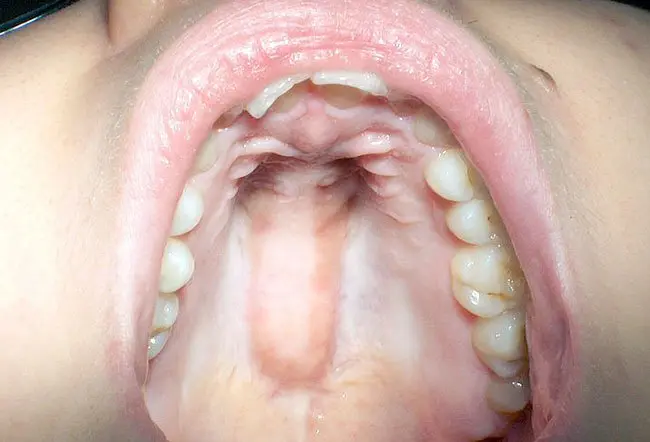
Dentures, retainers, or orthodontic appliances that do not fit correctly create constant friction against the soft tissue of the palate. Over time, this friction causes sore spots that worsen with every meal.
The pain typically develops gradually as the appliance shifts out of alignment. You may notice the soreness increasing over days or weeks rather than appearing suddenly.
What to do: Do not attempt to adjust dental appliances at home. Schedule a fitting appointment with your dentist. Even small adjustments can make a significant difference in comfort.
9. Burning Mouth Syndrome
Burning mouth syndrome is a chronic condition that causes a persistent burning or scalding sensation on the tongue, lips, gums, or roof of the mouth without any visible cause or identifiable injury.
It is more common in postmenopausal women but can affect anyone. The burning sensation is often worse in the afternoon or evening. It may be accompanied by dry mouth, altered taste, or tingling.
Unlike a simple burn from hot food, burning mouth syndrome does not heal on its own within a few days. It is a complex neurological condition that requires medical management.
What to do: See a doctor or dentist for a thorough evaluation. Treatment may include medications, nerve therapies, dietary adjustments, and stress management techniques.
10. Torus Palatinus
A torus palatinus is a harmless bony growth on the center of the hard palate. It is a normal anatomical variation that some people are born with, though it may not become noticeable until later in life.
It is not dangerous and does not indicate any underlying disease. However, if it becomes large, it can make wearing dentures uncomfortable or cause issues with certain foods catching on it during eating.
What to do: No treatment is needed in most cases. If it interferes with daily eating or dental appliances, a dentist can refer you for a simple surgical removal.
11. Food Allergies and Sensitivities
Some people experience itching, tingling, swelling, or soreness on the roof of the mouth after eating specific foods. This is often a sign of a food allergy or oral allergy syndrome.
Common triggers include raw fruits, nuts, certain vegetables, and shellfish. The reaction typically happens within minutes of eating the triggering food.
Sensitivities to ingredients in toothpaste, mouthwash, or dental products can also cause palate irritation that worsens during eating.
What to do: Keep a food diary to identify patterns. Avoid suspected triggers. Consult a doctor or allergist for formal allergy testing if the pattern is consistent.
12. Vitamin Deficiencies
A lack of vitamin B12, iron, folate, or zinc can cause soreness, inflammation, and ulceration of the oral tissues, including the palate.
These deficiencies affect the body’s ability to repair and maintain the mucosal lining. The result is a palate that feels persistently sore, sensitive, or raw, especially during and after meals.
What to do: Ask your doctor for a blood panel if you have recurring palate soreness with no clear cause. Supplementing the deficient nutrient often resolves the issue within a few weeks.
13. Sinus Infections and Throat Infections
Viral throat infections like influenza and bacterial sinus infections can cause pressure and pain that radiates into the roof of the mouth. The inflammation in the sinuses and upper nasal cavity affects the soft palate and makes eating uncomfortable.
The pain in this case often accompanies other symptoms like nasal congestion, sore throat, fever, or postnasal drip.
What to do: Treat the underlying infection. Sinus-related palate pain resolves once the infection clears. See a doctor if symptoms persist beyond ten days or worsen suddenly.
Cause-by-Cause Quick Reference Table
| Cause | Main Symptom | Heals on Its Own | See a Doctor? |
|---|---|---|---|
| Hot food burn | Raw, tender palate | Yes, 3–7 days | Only if infected |
| Food abrasion | Soreness after meals | Yes, 2–5 days | If swelling occurs |
| Canker sore | Small white ulcer | Yes, 7–10 days | If recurring |
| Oral thrush | White patches, soreness | No | Yes |
| Cold sore (HSV) | Blisters on palate | Yes, 1–2 weeks | If frequent flare-ups |
| Dry mouth | Dryness, raw feeling | Partially | Yes |
| Dental abscess | Deep, throbbing pain | No | Urgently |
| Ill-fitting dentures | Friction sore spots | No | Yes |
| Burning mouth syndrome | Persistent burning | No | Yes |
| Torus palatinus | Bony bump, mild discomfort | N/A | Optional |
| Food allergy | Itching, swelling | Partly | Yes |
| Vitamin deficiency | Ongoing soreness | No | Yes |
| Sinus infection | Pressure, aching | Yes | If prolonged |
Foods That Worsen Palate Pain
Certain foods consistently make palate pain worse, regardless of the underlying cause. Avoiding these while healing can make a significant difference in recovery time.
Foods to avoid when your palate hurts:
- Hot soups, coffee, and tea
- Spicy dishes, chilli sauces, and hot sauces
- Citrus fruits and acidic foods like tomatoes and vinegar-based dressings
- Crunchy or hard foods like chips, crackers, toast, and raw vegetables
- Salty snacks that sting open tissue
- Alcohol, which dries out the oral mucosa
Foods that help during healing:
- Yogurt, smoothies, and cold milk
- Mashed potatoes, oatmeal, and soft rice
- Applesauce, banana, and well-cooked soft vegetables
- Cool water and herbal teas served lukewarm
Best Home Remedies for Top of Mouth Pain
Warm Salt Water Rinse
A salt water rinse is the most widely recommended home remedy for palate soreness. Salt has mild antimicrobial properties and helps reduce inflammation in oral tissue.
Dissolve half a teaspoon of salt in half a cup of warm water. Swish for 30 seconds and spit. Repeat two to three times daily, especially after meals.
Cold Water and Ice Chips
For a fresh burn from hot food, cold water is the immediate first step. Swishing cold water or sucking on small ice chips cools the tissue and provides quick relief.
Do not apply ice directly to the sore area. The extreme cold can cause additional irritation to already-damaged tissue.
Aloe Vera Gel
Food-grade aloe vera gel has soothing, anti-inflammatory properties that can help with burns, ulcers, and general palate soreness. Apply a small amount with a clean finger or cotton swab to the affected area.
Use only oral-safe aloe vera gel. Regular cosmetic aloe products are not appropriate for use inside the mouth.
Honey
Raw honey has natural antibacterial and wound-healing properties. Applying a small amount to a canker sore or minor abrasion can soothe soreness and support faster healing.
Avoid giving honey to children under one year of age.
Over-the-Counter Topical Anesthetics
Benzocaine-based gels like Orajel can temporarily numb the palate and provide relief during meals. They are available without a prescription and work within minutes.
Use as directed on the label. They provide symptom relief but do not treat the underlying cause.
Stay Hydrated
Drinking adequate water throughout the day maintains saliva production and keeps the oral mucosa moist. A well-hydrated mouth heals faster and is more resistant to further irritation.
Aim for at least eight glasses of water daily. Reduce caffeine and alcohol, which both reduce saliva production.
When to See a Dentist or Doctor
Most causes of palate pain during eating are minor and resolve within a week. But certain signs mean you should not wait and should seek professional care promptly.
See a dentist or doctor if you notice:
- Pain that lasts more than two weeks without improvement
- White patches or spots that do not go away
- A lump, bump, or growth on the palate that was not there before
- Severe pain that does not respond to over-the-counter pain relievers
- Swelling accompanied by fever
- Difficulty swallowing or speaking
- Bleeding that will not stop
- Pain spreading to the jaw, neck, or ear
Any of these symptoms can indicate a condition that needs professional diagnosis and treatment. Early evaluation leads to faster and safer outcomes.
How to Prevent Top of Mouth Pain When Eating
Prevention is always easier than treatment. Small changes to your eating habits and oral hygiene routine can significantly reduce the risk of palate pain.
Practical prevention tips:
- Always wait for hot food and drinks to cool before eating or drinking
- Chew slowly and take smaller bites, especially with crunchy or hard foods
- Drink water consistently throughout the day to maintain saliva levels
- Keep up with regular dental check-ups to catch problems early
- Replace poorly fitting dentures or appliances as soon as discomfort begins
- Take a daily multivitamin that includes B12, iron, and zinc if your diet is restricted
- Avoid smoking and excessive alcohol, both of which damage the oral mucosa
- Manage stress, which is a known trigger for canker sores and cold sore flare-ups
Palate Pain in Specific Situations
Top of Mouth Hurts When Eating and Swallowing
When pain occurs during both eating and swallowing, the soft palate is usually involved. Common causes include sinus infections, strep throat, upper palate ulcers, or tonsil inflammation.
If swallowing is difficult or painful for more than three days, see a doctor. This combination of symptoms warrants a closer look.
Roof of Mouth Hurts Only in the Morning
Morning soreness on the palate is often caused by mouth breathing or dry mouth during sleep. People who sleep with their mouth open wake up with a dried-out, irritated palate.
Nighttime teeth grinding (bruxism) can also create pressure and soreness in the palate and jaw. A night guard prescribed by a dentist often resolves this issue.
Top of Mouth Hurts After Eating Certain Foods Only
If the pain only happens with specific foods, a food allergy or sensitivity is the most likely cause. Oral allergy syndrome, triggered by raw fruits and vegetables, is particularly common.
Keep track of which foods trigger the pain and discuss the pattern with your doctor or an allergist.
Swollen Roof of Mouth with Pain

Swelling combined with pain narrows the possible causes. A mucocele (mucus cyst), dental abscess, allergic reaction, or early-stage oral infection can all cause the palate to swell.
Swelling that does not resolve within a week or is accompanied by fever should be evaluated by a dentist or doctor without delay.
Summary: Why the Top of My Mouth Hurts When I Eat
| Scenario | Most Likely Cause | Action |
|---|---|---|
| Started after eating pizza or hot soup | Thermal burn | Cool foods, salt water rinse |
| Appeared after chips or crusty bread | Abrasion | Soft diet, salt water rinse |
| Small round white sore visible | Canker sore | Salt water, avoid triggers |
| White creamy patches present | Oral thrush | See a doctor for antifungals |
| Blisters with tingling | Cold sore (HSV) | Antiviral treatment |
| Persistent burning with no visible sore | Burning mouth syndrome | Medical evaluation |
| Pain when chewing on one side | Dental abscess | Dentist urgently |
| Developed gradually with dentures | Ill-fitting appliance | Dentist for refitting |
| Pain with runny nose and fever | Sinus infection | Doctor for infection treatment |
| Recurring with no clear trigger | Vitamin deficiency | Blood test, supplementation |
Frequently Asked Questions (FAQs)
Why does the top of my mouth hurt when I eat?
The most common reasons are hot food burns, scratches from crunchy foods, canker sores, or oral infections like thrush. Most cases resolve within a week with home care.
How long does palate pain from a burn last?
A mild burn from hot food typically heals within three to seven days. Deeper burns may take up to two weeks and should be checked if they show signs of infection.
Can a canker sore appear on the roof of the mouth?
Yes, canker sores can develop on the palate. They are painful white or yellow ulcers that usually heal on their own within seven to ten days.
What is oral thrush and how does it cause palate pain?
Oral thrush is a fungal infection caused by Candida albicans. It creates white creamy patches on the palate and tongue that become sore, especially when eating hot or spicy foods.
Is a burning sensation on the roof of the mouth serious?
A temporary burning from hot food is not serious. A persistent burning sensation without an obvious cause may indicate burning mouth syndrome, which requires medical evaluation.
What home remedies help when the top of the mouth hurts?
Warm salt water rinses, cold water, aloe vera gel, honey, and over-the-counter benzocaine gels all provide effective relief for minor palate pain during healing.
When should I see a dentist for palate pain?
See a dentist if the pain lasts more than two weeks, if you notice white patches or growths, if swelling and fever are present, or if the pain is severe and not responding to home care.
Can vitamin deficiency cause palate pain?
Yes. A deficiency in vitamin B12, iron, folate, or zinc can cause persistent soreness and ulceration of the oral mucosa, including the roof of the mouth.
Why does the top of my mouth hurt only when I swallow?
Pain specifically during swallowing often involves the soft palate and is frequently linked to sinus infections, strep throat, or tonsil inflammation. See a doctor if it persists beyond three days.
Can dry mouth cause the roof of my mouth to hurt?
Yes. Without enough saliva, the palate loses its protective moisture layer, making it dry, raw, and sensitive. Increasing water intake and treating the underlying cause resolves most cases.
Conclusion
Why does the top of my mouth hurt when I eat is a question with many possible answers, and most of them are far less serious than they feel in the moment.
Burns from hot food, scratches from crunchy snacks, canker sores, and temporary dry mouth are the most common causes, and they typically resolve within a week with simple home care.
Conditions like oral thrush, dental abscesses, burning mouth syndrome, and vitamin deficiencies require professional treatment and should not be self-managed for long.
The key is knowing the difference. If your pain is mild, recent, and linked to a clear cause, rest and home remedies are usually enough.
If the pain is persistent, unexplained, or comes with warning signs like white patches, swelling, or fever, see a dentist or doctor promptly. Your palate is one of the hardest-working surfaces in your body — take care of it.
