

Why do you need long-term coping skills? Because life does not pause when you are struggling.
Stress, anxiety, grief, and pressure are not occasional visitors — they are part of everyday existence.
Short-term fixes can get you through a bad moment, but they do not build the inner strength you need to truly thrive.
Long-term coping skills give you a sustainable toolkit to face challenges with clarity and confidence.
They protect your mental health, strengthen your relationships, and build resilience that lasts.
Why Do You Need Long-Term Coping Skills

Long-term coping skills are the strategies, habits, and behaviors a person builds over time to manage stress, regulate emotions, and navigate life’s ongoing challenges.
They are not about feeling better in the next five minutes. They are about changing how your mind and body respond to difficulty — permanently.
Unlike quick fixes, these skills become part of your daily life. They reshape your nervous system, your thought patterns, and your ability to recover from setbacks.
Short-Term vs Long-Term Coping Skills
Understanding the difference between short-term and long-term coping strategies is essential before diving deeper.
| Feature | Short-Term Coping | Long-Term Coping |
|---|---|---|
| Goal | Immediate relief | Sustainable wellness |
| Duration | Minutes to hours | Weeks, months, years |
| Example | Watching TV to distract | Regular therapy sessions |
| Root cause addressed | No | Yes |
| Builds resilience | No | Yes |
| Risk of dependency | Higher | Lower |
Short-term coping is like a band-aid on a wound. It stops the bleeding in the moment, but it does not heal the underlying injury. Long-term coping goes deeper — it treats the root cause and builds strength over time.
Why Do You Need Long-Term Coping Skills?
This is the core question. The answer is layered and important.
1. They Help You Find Real Solutions
Short-term strategies help you survive the moment. Long-term coping skills help you solve the problem.
For example, if work stress is overwhelming you, a long-term strategy might involve learning time management, setting boundaries, or working with a therapist. That gets to the root rather than just numbing the pain.
Long-term coping shifts your mindset from reactive to proactive.
2. They Build Lasting Resilience
Resilience is not something you are born with. It is something you build through repeated practice.
Every time you use a healthy coping skill during a hard moment, you are training your brain to respond better next time. New neural pathways form. Over time, stressful situations feel less overwhelming.
This is the compounding effect of long-term coping — the more you practice, the stronger you become.
3. They Regulate Your Emotions
Without healthy coping tools, emotions can feel impossible to manage. You might lash out, shut down, or spiral into anxiety.
Long-term coping skills teach you to sit with discomfort rather than run from it. You learn to understand what your emotions are communicating instead of reacting impulsively.
This emotional intelligence improves every relationship in your life — personal and professional.
4. They Prevent Mental Health Decline
Chronic unmanaged stress contributes to anxiety disorders, depression, high blood pressure, sleep problems, and a weakened immune system.
Long-term coping skills interrupt that cycle. They help your body complete the stress response cycle — releasing cortisol and adrenaline in a healthy way rather than letting it accumulate.
Prevention is always better than crisis management.
5. They Protect Your Physical Health
Stress is not just a mental problem. It shows up in your body as fatigue, muscle tension, headaches, gut issues, and even heart disease.
Long-term habits like regular exercise, quality sleep, and mindfulness directly reduce the physical burden of stress.
Your body and mind are deeply connected. Coping well mentally translates to better physical health over time.
6. They Support Recovery from Addiction

For people in recovery, long-term coping skills are not optional — they are essential.
Early sobriety often runs on motivation and structure. But when daily life returns and triggers resurface, that initial motivation fades. Long-term coping tools fill that gap.
They help prevent relapse by giving people healthier ways to handle discomfort, cravings, and emotional pain.
7. They Improve Your Relationships
When you are overwhelmed and unequipped, stress leaks into your relationships. You become irritable, withdrawn, or reactive.
Long-term coping skills make you more patient, self-aware, and emotionally available. You communicate better. You handle conflict more constructively.
Healthy coping is an act of love — for yourself and the people around you.
8. They Help You Adapt to Life Transitions
Job changes, loss, divorce, illness, becoming a parent — life is full of major shifts.
People without long-term coping tools often feel blindsided by these transitions. People who have built healthy habits navigate them with far more stability.
Long-term coping gives you a foundation that holds even when everything else is shifting.
Types of Long-Term Coping Skills
There are several categories of long-term coping strategies. Understanding which type fits your situation helps you build a well-rounded toolkit.
Problem-Focused Coping
This type targets the source of stress directly. You identify the problem and take action to change or reduce it.
Examples include setting boundaries, creating systems, seeking professional guidance, or restructuring your schedule.
This works best when the stressor is something within your control.
Emotion-Focused Coping
This type helps you process and regulate difficult feelings when the stressor itself cannot be changed.
Journaling, therapy, grief support, and mindfulness all fall under this category.
It is especially valuable during loss, illness, or situations that require acceptance.
Meaning-Based Coping
This approach involves finding purpose and perspective in difficult experiences.
Connecting your struggles to values, spiritual beliefs, or a larger sense of purpose builds deep psychological stability that goes beyond surface-level stress management.
People with a strong sense of meaning tend to be significantly more resilient.
Social Coping
Leaning on supportive relationships is one of the most powerful long-term strategies available.
Building and maintaining a trusted social network — friends, family, support groups, mentors — protects your mental health at every life stage.
Isolation worsens every mental health condition. Connection relieves them.
10 Practical Long-Term Coping Skills to Start Using
Here is a breakdown of the most effective long-term coping tools backed by research and clinical practice.
Mindfulness and Meditation
Mindfulness trains your brain to stay present rather than spiraling into worry or regret. Even ten minutes a day reduces cortisol levels and improves emotional regulation over time.
It builds a skill called metacognition — the ability to observe your thoughts rather than be controlled by them.
Regular Physical Exercise
Exercise is one of the most well-researched mental health interventions available. It releases endorphins, reduces cortisol, improves sleep, and builds self-efficacy.
Aim for at least 150 minutes of moderate activity per week. Consistency matters more than intensity.
Cognitive Behavioral Therapy (CBT)
CBT is a structured therapeutic approach that teaches you to identify and reframe negative thought patterns.
It is highly effective for anxiety, depression, and stress-related disorders. Learning CBT skills — even outside formal therapy — gives you tools to challenge unhelpful thinking on your own.
Journaling
Writing your thoughts down makes them feel less overwhelming and more manageable. Journaling externalizes the noise in your head.
Regular journaling helps you track patterns in your emotions, identify triggers, and process difficult experiences rather than suppressing them.
Building Strong Social Connections
Relationships are protective. People with strong social support networks show significantly lower rates of depression, anxiety, and even physical illness.
Investing in meaningful relationships — having honest conversations, showing up for others, and asking for help — is a long-term coping strategy in itself.
Developing Healthy Sleep Habits

Poor sleep makes every stressor feel harder to manage. It impairs emotional regulation, decision-making, and resilience.
Prioritizing seven to nine hours of quality sleep each night is a foundational long-term coping skill that most people underestimate.
Learning Emotion Regulation Techniques
Skills from Dialectical Behavior Therapy (DBT) — like distress tolerance, opposite action, and radical acceptance — teach you to manage intense emotions without making the situation worse.
These are learnable skills, not personality traits. Anyone can develop them with practice.
Setting Healthy Boundaries
Without boundaries, stress flows in unchecked. Saying no, protecting your time, and communicating your needs are active forms of self-protection.
Boundaries reduce chronic stress at the source rather than just managing its symptoms.
Developing a Sense of Purpose
Having clear values and meaningful goals gives suffering a context that makes it more bearable.
Exploring what matters most to you — your relationships, your work, your contributions — provides psychological stability that no amount of distraction can match.
Seeking Professional Therapy
Therapy is not a last resort. It is a proactive investment in your mental health and coping capacity.
A skilled therapist helps you identify patterns, work through trauma, and build skills that serve you for life. It is one of the highest-leverage things you can do for your long-term wellbeing.
Signs You Need to Strengthen Your Long-Term Coping Skills
It is worth pausing to assess where you currently stand.
| Warning Sign | What It Means |
|---|---|
| Frequent irritability or anger | Emotional regulation is strained |
| Relying on alcohol, food, or screens | Using avoidance coping |
| Persistent fatigue or burnout | Chronic stress is unmanaged |
| Withdrawal from relationships | Social coping is lacking |
| Feeling stuck in the same patterns | Root causes are unaddressed |
| Recurring anxiety or low mood | Mental health support is needed |
If several of these sound familiar, it is a clear signal to start investing in long-term coping tools — ideally with professional support.
How Long-Term Coping Skills Work in the Brain
Understanding the neuroscience can be motivating.
When you experience stress, your brain activates the fight-or-flight response. Cortisol and adrenaline flood your system. Your thinking brain — the prefrontal cortex — temporarily goes offline.
The Stress Response Cycle
The stress response cycle is designed to complete. After a perceived threat passes, your body is meant to release the tension through movement, expression, or rest.
When this cycle is interrupted — which happens constantly in modern life — stress accumulates in the body. Over time, this creates chronic health problems.
Long-term coping skills help you complete the stress response cycle regularly, preventing that toxic buildup.
Neuroplasticity and Coping
Every time you practice a healthy coping skill, you are literally rewiring your brain. New neural connections form. Old reactive pathways weaken.
This is neuroplasticity in action — the brain’s ability to change in response to repeated experience.
Long-term coping skills are not just habits. They are brain training.
How to Start Building Long-Term Coping Skills
Starting feels hard, but the process is straightforward.
Step 1: Build Self-Awareness
Before you can change how you cope, you need to understand how you currently cope. Notice what you do when stressed, overwhelmed, or anxious.
Are you avoiding? Numbing? Isolating? Being honest about your current patterns is the foundation of change.
Step 2: Choose One Skill to Start
You do not need to overhaul your entire life at once. Pick one skill — journaling, daily walks, or therapy — and practice it consistently for thirty days.
Small, consistent actions build long-term habits more effectively than big bursts of motivation.
Step 3: Build a Support System
Tell someone what you are working on. Join a group. See a therapist. Community and accountability accelerate growth.
You do not have to build coping skills alone — in fact, doing it with others is often more effective.
Step 4: Track Your Progress
Notice how you feel after using your coping tools. Keep a simple log. Over time, you will see evidence that the skills are working.
Evidence builds motivation. Motivation builds consistency. Consistency builds resilience.
Step 5: Expand Your Toolkit Gradually
Once one skill feels solid, add another. Over months and years, you build a rich, flexible toolkit that you can draw on in any situation.
The goal is not perfection. It is progress — one healthy response at a time.
Long-Term Coping Skills Across Different Life Situations
Different challenges call for different tools. Here is a quick reference guide.
| Life Situation | Recommended Long-Term Coping Skills |
|---|---|
| Workplace stress | Boundary-setting, time management, CBT |
| Grief and loss | Therapy, journaling, grief support groups |
| Anxiety disorders | Mindfulness, CBT, DBT, exercise |
| Addiction recovery | Support groups, therapy, routine-building |
| Relationship conflict | Communication skills, couples therapy |
| Chronic illness | Acceptance-based strategies, social support |
| Parenting stress | Self-care routines, community support |
| Financial pressure | Problem-solving, therapy, purpose-building |
Having the right tool for the situation makes a significant difference in outcomes.
Common Mistakes People Make with Coping Skills
Even well-intentioned people can undermine their own progress.
Relying Only on Short-Term Fixes
Using Netflix, alcohol, or comfort food is not inherently bad. The problem is when these become your only coping tools.
Short-term relief without long-term strategy leaves you no more equipped for the next stressor than the last.
Waiting for a Crisis to Start
Most people wait until they are overwhelmed to think about coping skills. By then, they are playing catch-up.
Building long-term coping skills is most effective when done proactively — before the next hard season hits.
Expecting Immediate Results
Long-term coping skills take time. Mindfulness practiced for two days will not transform your stress response.
Give yourself at least sixty to ninety days before evaluating whether a skill is working.
Going It Alone
There is no award for figuring this out by yourself. Therapy, support groups, and trusted relationships accelerate the process enormously.
Asking for help is not a weakness. It is the smartest coping strategy there is.
Frequently Asked Questions (FAQs)
What are long-term coping skills?
Long-term coping skills are sustainable strategies — like therapy, exercise, and mindfulness — that help you manage stress and emotions over time, not just in the moment.
Why are long-term coping skills better than short-term ones?
Short-term coping provides temporary relief but does not solve the root cause. Long-term coping builds resilience, addresses underlying issues, and creates lasting mental stability.
How do long-term coping skills help with anxiety?
They train your brain to respond to anxiety with regulation rather than panic. Techniques like CBT and mindfulness directly reduce anxiety symptoms over consistent practice.
Can children develop long-term coping skills?
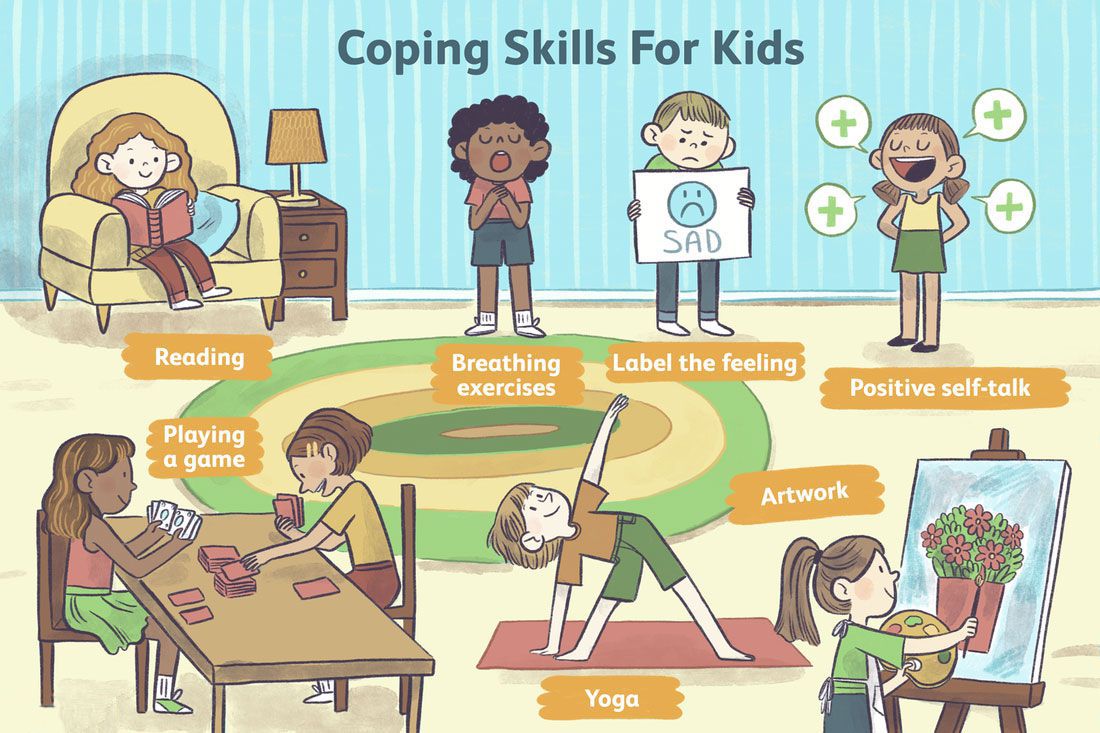
Yes. Teaching children emotional regulation, problem-solving, and healthy communication early builds resilience that serves them throughout their entire lives.
How long does it take to develop long-term coping skills?
Most research suggests consistent practice over sixty to ninety days begins to produce noticeable changes, though full integration takes longer. Progress is gradual and cumulative.
Are long-term coping skills used in addiction recovery?
Absolutely. They are essential to sustained recovery. Skills like therapy, routine-building, and social support help people manage triggers and prevent relapse long after initial treatment.
What is the most effective long-term coping skill?
There is no single answer, as effectiveness depends on the individual. However, therapy combined with regular exercise and strong social support consistently shows the highest outcomes in research.
Can long-term coping skills improve physical health?
Yes. Managing chronic stress reduces cortisol, improves sleep, lowers blood pressure, and strengthens immunity — all of which directly benefit physical health.
What is the difference between coping skills and coping mechanisms?
Coping skills are intentional, learned strategies. Coping mechanisms can be automatic and unconscious, and are often maladaptive. Building coping skills means replacing unhelpful mechanisms with healthier ones.
When should I seek professional help for coping?
If your current strategies are not working, if you are using harmful behaviors to cope, or if stress is significantly affecting your daily life — those are all signs that professional support would be beneficial.
Conclusion
Why do you need long-term coping skills? Because a life well-lived requires more than just surviving hard moments — it requires growing through them.
Long-term coping skills are the difference between a life spent reacting and a life spent thriving.
They protect your mental and physical health, deepen your relationships, and give you the resilience to handle whatever comes next. They do not eliminate stress — nothing can.
But they change how you meet it. Start small. Choose one skill.
Practice it consistently. Seek support when you need it.
Over time, those small, steady efforts compound into something powerful: a life where challenges no longer break you, but shape you into someone stronger, wiser, and more equipped than before.
Your mental health is worth the investment.
