

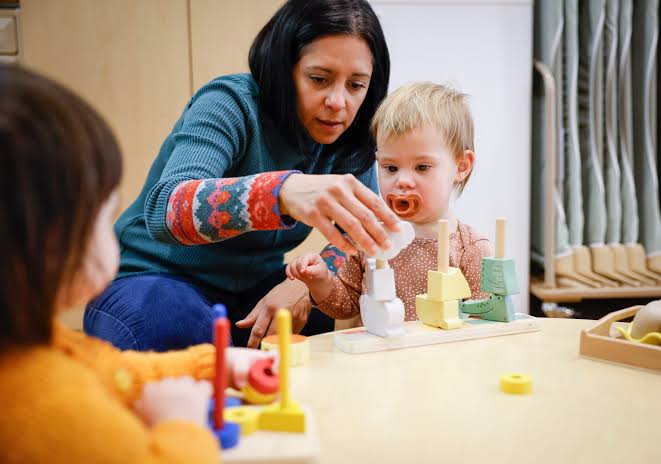
Every child experiences primary school differently. An outgoing, highly energetic primary student may leap into group activities and thrive in high-sensory group projects, while a reflective, introverted child might need a quiet, structured environment to decompress after a long day of classroom instruction. Because children process academic, emotional, and social stimulation in distinct ways, finding the right after-school care is not a one-size-fits-all decision. The ideal environment does not force a child to conform to a rigid mold; instead, it adapts to their unique temperament, nurtures their individual strengths, and provides gentle guidance where they need support.
When evaluating after-school environments, parents often focus on essential logistics like transport options, operating hours, and location convenience. While these practical factors are undeniable priorities for working families, a child’s personal happiness and developmental growth depend heavily on how well the centre aligns with their personality. An after-school care setting that recognizes and celebrates individual learning styles transforms the afternoon hours from a routine waiting period into a deeply fulfilling, empowering experience.
1. Matching Environment to Temperament: The Key to Afternoon Success
The transition from the structured primary school day to the late afternoon hours can trigger emotional fatigue if a child’s temperament is misunderstood. After spending six hours listening to teachers, navigating peer dynamics, and sitting at classroom desks, children arrive at after-school care with varying emotional needs.
For energetic, kinesthetic learners, sitting still for another three hours of silent study can lead to frustration and restlessness. These children require an after-school routine that incorporates structured movement, active learning techniques, and collaborative problem-solving exercises that channel their physical energy into productive curiosity. On the other hand, sensitive or introspective children can easily become overwhelmed by noisy, unstructured group spaces. They benefit immensely from calm reading corners, structured schedules, clear expectations, and peaceful environments where they can focus quietly on their assignments before engaging in small-group activities.
A well-designed after-school program balances these diverse needs by offering fluid, multi-zoned environments and flexible daily rhythms. By honoring a child’s natural rhythm, educators help students regulate their stress levels, recharge their mental energy, and build authentic enthusiasm for learning.
2. Nurturing Academic Confidence in Diverse Learners
Academic support is a central pillar of after-school care, but how that support is delivered can make all the difference to a young learner’s self-esteem. Children who excel in certain subjects may feel bored by repetitive worksheets, while those struggling with complex mathematical or linguistic concepts can quickly become anxious if faced with rigid, high-pressure correction.
An effective student care centre employs adaptive learning methodologies that cater to different cognitive profiles. Rather than simply supplying answers or enforcing mindless drill work, trained mentors take the time to understand how each student learns best. Visual learners are guided through mind-mapping and graphic organizers; auditory learners benefit from guided discussion and verbal reasoning; and hands-on learners thrive when concepts are connected to real-world applications.
When academic guidance is personalized, children develop an internal locus of control. They begin to see challenges not as evidence of failure, but as interesting puzzles waiting to be solved. This mindset shift is particularly crucial during the primary school years, as it builds the intellectual resilience and study habits needed for lifelong academic success.
3. Supporting Social Dynamics and Emotional Growth
The after-school environment serves as a vibrant microcosm of society, offering rich opportunities for children to build meaningful friendships outside the formal boundaries of the primary school classroom. However, navigating social dynamics requires varying degrees of guidance depending on a child’s innate personality.
Naturally social children often need support in developing active listening skills, empathy, and constructive collaboration. Through guided group enrichment, team challenges, and shared mealtime routines, these students learn how to lead with kindness and make space for others. Conversely, quieter children who find large social settings intimidating benefit from structured, small-group interactions where their contributions are warmly encouraged.
By fostering an inclusive culture rooted in mutual respect and emotional intelligence, after-school educators create a psychological safe haven. In this environment, every child feels valued for who they are, enabling them to build authentic social confidence, resolve peer conflicts constructively, and express their unique perspectives without fear of judgment.
4. Regional Perspectives: Tailoring Care Across Communities
Families living in different parts of Singapore face unique lifestyle factors, commuting routes, and community rhythms. A truly exceptional after-school partner understands these localized needs and delivers tailored care that resonates with families in every neighborhood.
For families in the western educational belt, managing after-school logistics alongside rigorous academic expectations requires a well-located, highly organized sanctuary. Choosing an established student care clementi option provides parents with peace of mind, knowing that their children are transitioning safely from nearby primary schools into an environment that combines rigorous academic coaching with relaxing, structured downtime.
In the northern region, where young families seek a harmonious blend of safety, community warmth, and strong foundational learning, localized care is equally vital. A dedicated student care sembawang setting offers a welcoming, family-oriented atmosphere where children can recharge after school, receive wholesome nutritional support, and complete their daily homework under the patient care of experienced mentors.
Meanwhile, in the vibrant, high-density residential hubs of the northeast, parents actively seek high-performing environments that can keep pace with competitive primary school standards while nurturing child well-being. Finding a good student care in sengkang means selecting a centre that seamlessly integrates proprietary mindset training, specialized curriculum enrichment, and holistic care, ensuring that students remain motivated, balanced, and confident.
5. The MindSpace Difference: Unlocking Every Child’s Potential
At MindSpace, after-school care is viewed not merely as safe supervision, but as a transformative opportunity to cultivate the leader inside every child. Built upon years of research into neuroscience, psychology, and pedagogy, our approach recognizes that true intelligence encompasses mindset, emotional maturity, and creative problem-solving.
By integrating specialized subject enrichment with proven mindset-building strategies, MindSpace creates an environment where every personality type can flourish. Highly motivated students are challenged to think critically and extend their learning beyond standard textbooks, while hesitant learners receive the gentle, structured encouragement needed to unlock their latent abilities.
Our educators serve as compassionate mentors, guiding children through their daily academic responsibilities while cultivating essential life skills such as time management, self-reflection, and collaborative leadership. When children leave MindSpace at the end of the afternoon, they return home to their families with their homework completed, their minds enriched, and their self-belief fully restored.
6. Empowering Your Child for the Journey Ahead
Selecting an after-school care centre that fits your child’s personality is one of the most meaningful investments you can make in their primary school journey. When a child feels understood, respected, and supported in an environment tailored to their individual needs, their entire attitude toward school and learning shifts in a positive direction.
As you explore potential after-school options, take time to observe how educators interact with different personalities, ask about the centre’s approach to emotional regulation and academic guidance, and involve your child in the decision-making process. By choosing a partner that aligns with your family’s values and honors your child’s unique temperament, you pave the way for a joyful, balanced, and successful educational experience.
