

Why my tongue white is one of the most common questions people type into Google after glancing in the mirror. A white coating on the tongue can look strange, but in most cases it is not dangerous.
It usually happens when bacteria, dead cells, and food debris get trapped between the tiny bumps on your tongue called papillae. Sometimes it points to something more, like dehydration, thrush, or an underlying health condition.
Why My Tongue White?
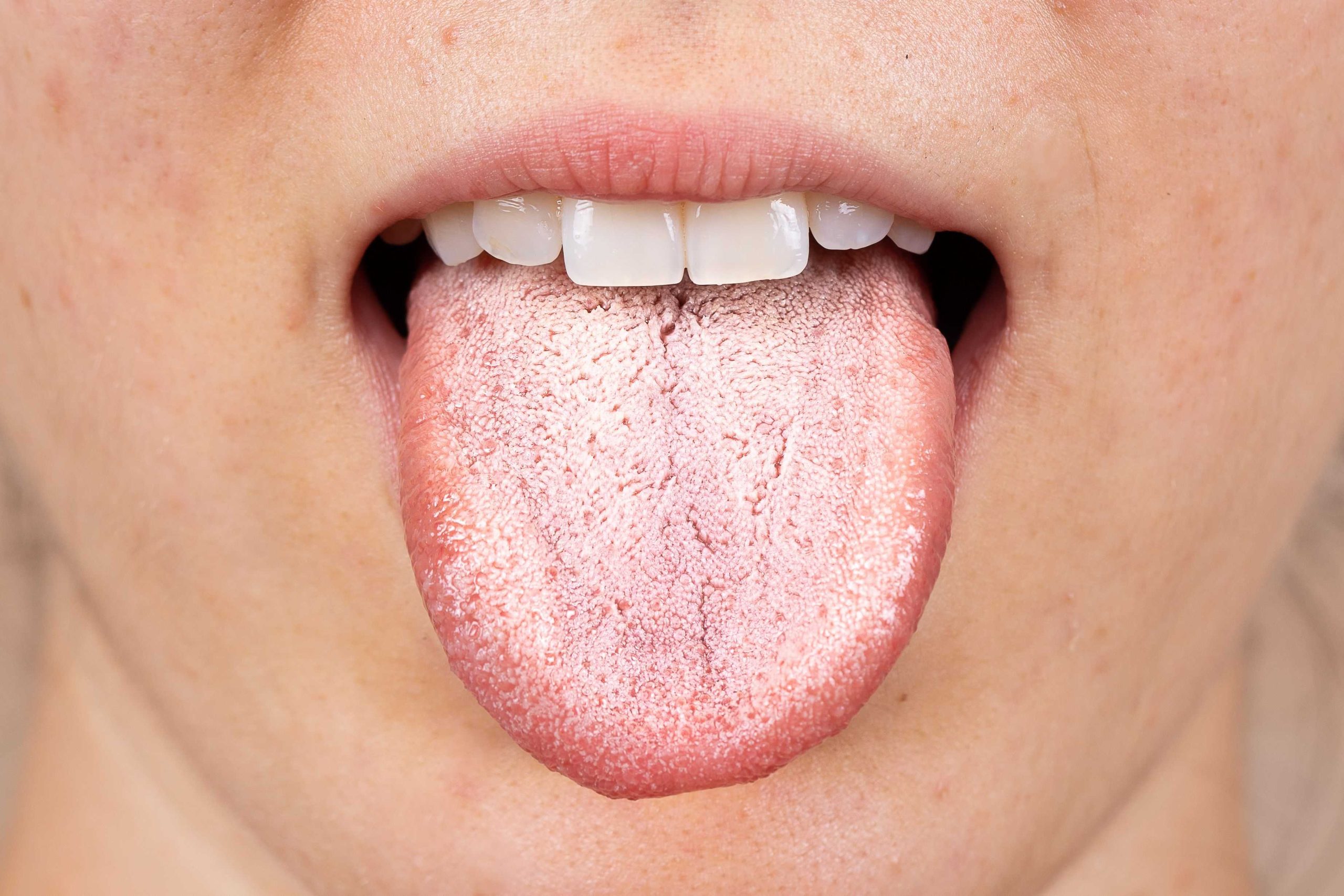
A white tongue happens when a thin or thick film covers part or all of the tongue’s surface. This film is made up of bacteria, dead skin cells, and trapped food particles.
In healthy people, this coating is usually harmless and temporary. It often clears up once oral hygiene improves or hydration levels go back to normal.
In some cases, though, a white tongue signals an infection or a chronic condition inside the mouth. That is why understanding the exact cause matters more than just wiping it away.
Common Causes of a White Tongue
There are many possible reasons behind a white tongue, ranging from simple hygiene issues to medical conditions. Below is a breakdown of the most frequent causes doctors and dentists report.
Poor Oral Hygiene
This is the single most common reason for a white tongue. Skipping tongue cleaning allows bacteria, food debris, and dead cells to build up between the papillae.
Over time, this buildup thickens and turns white or yellowish-white. Brushing teeth without cleaning the tongue is a major contributor.
Dehydration and Dry Mouth
When your body loses more fluid than it takes in, saliva production drops sharply. Saliva normally washes away bacteria and debris throughout the day.
Without enough saliva, the tongue dries out and bacteria multiply faster. This is common after illness, intense exercise, or simply not drinking enough water.
Oral Thrush (Candida Infection)
Oral thrush is a fungal infection caused by an overgrowth of Candida yeast in the mouth. It creates thick, creamy white patches that can resemble cottage cheese.
It is most common in babies, older adults, people with weakened immune systems, and those using inhaled steroids. Thrush often causes soreness or a burning sensation.
Leukoplakia
Leukoplakia causes thick white patches on the tongue or inside the cheeks that cannot be scraped off. It is often linked to tobacco use, alcohol, or chronic irritation from rough teeth or dentures.
Most leukoplakia patches are harmless, but a small percentage can turn precancerous. Any patch that will not wipe away deserves a dental check.
Oral Lichen Planus
This is an inflammatory condition that creates a lacy, white, net-like pattern on the tongue and inner cheeks. It is believed to be linked to immune system activity.
Symptoms can include burning, sensitivity to spicy foods, and occasional soreness. There is no permanent cure, but symptoms can be managed with steroid treatments.
Geographic Tongue
Geographic tongue causes irregular, map-like patches with white or light-colored borders. The patches can move location over time, which is where the name comes from.
It is a harmless condition and is not linked to cancer. It may flare up with spicy or acidic foods and calm down on its own.
Smoking and Tobacco Use
Smoking reduces saliva flow and irritates the tissue of the tongue and mouth. This combination speeds up bacterial buildup and can create a persistent white film.
Long-term tobacco use is also a known risk factor for leukoplakia. Quitting smoking often improves tongue color within a few weeks.
Mouth Breathing
Breathing through the mouth instead of the nose, especially during sleep, dries out the tongue’s surface. A dry tongue traps more bacteria and debris than a moist one.
This is common in people with nasal congestion, allergies, or sleep apnea. Treating the underlying breathing issue often resolves the white coating.
Certain Medications
Some medications, including inhaled corticosteroids, antibiotics, and drugs that cause dry mouth, can trigger a white tongue. Antibiotics in particular can disturb the natural balance of bacteria and yeast in the mouth.
If a white tongue appears shortly after starting a new medication, it is worth mentioning to your prescribing doctor.
Underlying Health Conditions
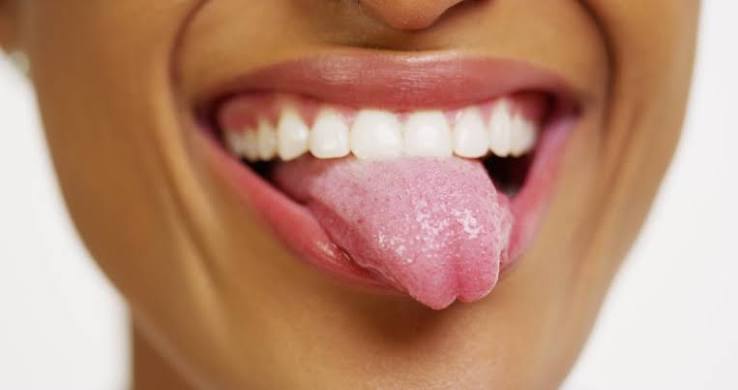
Rarely, a white tongue can be linked to conditions like syphilis, lupus, or a weakened immune system from diseases such as HIV. These cases usually come with other symptoms beyond just tongue color.
A persistent white tongue with no clear hygiene or dehydration cause should always be evaluated by a medical professional.
Causes at a Glance
| Cause | Typical Trigger | Usually Resolves In |
|---|---|---|
| Poor oral hygiene | Skipping tongue cleaning | A few days with better hygiene |
| Dehydration | Low water intake, illness, exercise | 1 to 3 days after rehydrating |
| Oral thrush | Candida yeast overgrowth | 1 to 2 weeks with antifungal treatment |
| Leukoplakia | Tobacco, alcohol, chronic irritation | Requires dental evaluation |
| Oral lichen planus | Immune system related inflammation | Managed long-term, not cured |
| Geographic tongue | Unknown, possibly genetic | Comes and goes on its own |
| Smoking | Reduced saliva, tissue irritation | Weeks after quitting |
| Mouth breathing | Nasal congestion, sleep apnea | Once breathing issue is treated |
Symptoms That Often Come With White Tongue
A white tongue rarely shows up completely alone. Paying attention to accompanying symptoms helps narrow down the actual cause.
Common symptoms include a rough or fuzzy texture, bad breath, a mild burning feeling, and a metallic or unpleasant taste. Some people also notice mild pain when eating spicy or acidic foods.
If pain, bleeding, or swelling accompanies the white coating, this points toward an infection or inflammatory condition rather than simple buildup.
White Tongue in Babies and Children
A white tongue in babies is often mistaken for leftover milk. The easy way to tell the difference is to gently wipe the tongue with a damp cloth.
If the white patches wipe away easily, it is likely just milk residue. If they stick firmly and look like cottage cheese, it is probably oral thrush, which is very common in infants.
Thrush in babies usually needs a doctor-prescribed antifungal treatment. It can also spread to a breastfeeding mother, so both may need treatment at the same time.
When to Worry: Red Flags to Watch
Most white tongue cases are harmless and temporary. However, certain warning signs mean it is time to stop waiting and book an appointment.
You should see a dentist or doctor if the white coating lasts longer than two weeks despite good hygiene. Patches that cannot be scraped off at all are also a signal worth checking.
Other red flags include pain that does not improve, difficulty swallowing, unexplained weight loss, fever, or patches that are hard, thick, or growing in size.
| Situation | What It Likely Means | Action to Take |
|---|---|---|
| Coating wipes off easily | Simple buildup or dehydration | Improve hygiene, hydrate, monitor |
| Coating persists past 2 weeks | Possible thrush or lichen planus | Schedule a dental visit |
| Patch will not scrape off | Possible leukoplakia | See a dentist for evaluation |
| Pain, bleeding, or swelling | Infection or inflammation | See a doctor promptly |
| Patch is growing or hardening | Needs biopsy to rule out cancer | Urgent dental or medical review |
How Doctors Diagnose the Cause
A dentist or doctor usually starts with a simple visual exam of the tongue and mouth. They will ask about your diet, hygiene habits, medications, and how long the white coating has been present.
If the cause is not obvious, they may take a small swab or scraping to test for yeast infection. In cases where a patch will not scrape off, a biopsy may be recommended to rule out anything serious.
Blood tests are occasionally used if an underlying condition like an autoimmune disease or a sexually transmitted infection is suspected.
Medical Treatment Options

Treatment depends entirely on what is actually causing the white tongue in the first place. Below are the main medical approaches used by dentists and doctors.
Antifungal Medication
If oral thrush is confirmed, doctors typically prescribe antifungal medicine such as fluconazole or nystatin. These come as tablets, lozenges, or liquid rinses depending on age and severity.
Most thrush infections clear within one to two weeks of consistent antifungal treatment.
Steroid Treatment
For oral lichen planus, doctors may prescribe steroid mouthwashes or topical steroid gels. These reduce inflammation and ease burning or soreness.
Steroids do not cure the condition permanently, but they manage flare-ups effectively.
Antibiotics
If a bacterial infection such as syphilis is behind the white tongue, antibiotics like penicillin are used. This is rare but requires prompt medical treatment once diagnosed.
Biopsy and Monitoring for Leukoplakia
For leukoplakia patches, a dentist may recommend regular monitoring or a small biopsy. Removing the irritation source, like quitting tobacco, is usually the first step in treatment.
Home Remedies for White Tongue
For mild cases caused by hygiene or dehydration, home care is often enough to clear things up. These remedies are simple, low-cost, and backed by common dental advice.
Tongue Scraping
Using a tongue scraper daily is considered one of the most effective ways to remove buildup. It reaches debris that a toothbrush often misses.
Place the scraper as far back as comfortable, then pull it gently toward the tip of the tongue. Rinse it after each pass.
Saltwater Rinse
Mixing a teaspoon of salt into warm water creates a simple antibacterial rinse. Swishing it around the mouth twice a day helps reduce bacteria buildup.
This remedy is gentle enough for daily use and rarely causes irritation.
Baking Soda Rinse
Baking soda has mild antibacterial and antifungal properties. A small amount mixed with water can be gently brushed onto the tongue.
This should be used sparingly, since overuse can irritate the delicate tissue of the tongue.
Aloe Vera Mouth Rinse
Aloe vera has natural antifungal and antimicrobial properties that may help with mild yeast overgrowth. Rinsing with aloe vera juice once daily is a common natural approach.
It is generally gentle and well tolerated by most people.
Staying Hydrated
Drinking at least eight glasses of water a day keeps saliva flowing normally. Saliva is the mouth’s natural defense against bacteria and debris buildup.
Chewing sugar-free gum can also stimulate saliva production throughout the day.
Oil Pulling and Probiotics
Some people use oil pulling, swishing coconut oil in the mouth for ten to fifteen minutes, to reduce bacterial load. Adding probiotic foods like yogurt may also support a healthier oral microbiome.
Neither remedy replaces medical treatment when an actual infection is present.
Remedies to Avoid
Not every home trick is safe for a sensitive tongue surface. A few popular methods can actually make things worse.
Lemon juice is too acidic and can irritate an already inflamed tongue. Aggressive scrubbing with baking soda or scraping multiple times a day can damage tissue instead of healing it.
If a remedy causes pain or burning, stop using it immediately and switch to a gentler option.
How to Prevent White Tongue
Prevention mostly comes down to consistent oral hygiene and healthy daily habits. Small routine changes make a big difference over time.
Brush your teeth twice daily and clean your tongue every time you brush. Floss daily to reduce bacteria that can spread to the tongue’s surface.
Drink plenty of water throughout the day and avoid letting your mouth stay dry for long periods. Limiting tobacco and alcohol also lowers your risk significantly.
Scheduling a dental checkup every six months allows a professional to catch early changes before they become a bigger problem.
White Tongue vs Black Hairy Tongue
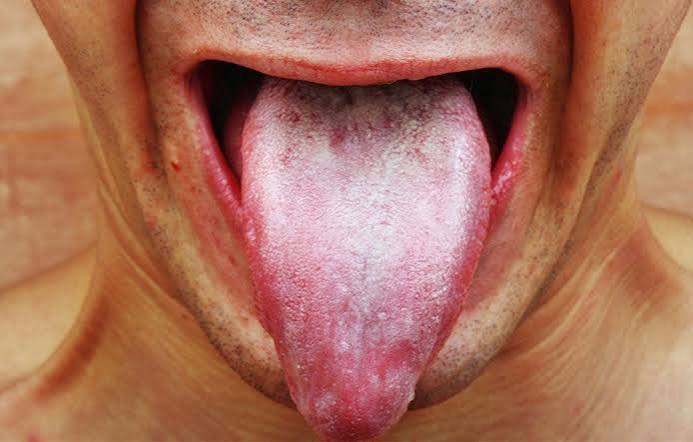
White tongue and black hairy tongue are often confused because both involve a coated, unusual-looking tongue surface. The difference comes down to color and texture.
Black hairy tongue happens when papillae grow longer than normal and trap more bacteria, staining them dark brown or black. White tongue, on the other hand, keeps its pale or creamy color from trapped debris and cells.
Both conditions respond well to the same core treatment: better hygiene, tongue scraping, and hydration.
Foods and Habits That Affect Tongue Color
Certain foods and daily habits can make a white tongue more noticeable or more likely to develop. Being aware of these triggers can help with prevention.
Dairy products, sugary foods, and alcohol can all feed bacteria growth in the mouth. Spicy or acidic foods may worsen irritation in conditions like geographic tongue or lichen planus.
Smoking and vaping reduce saliva flow and irritate tongue tissue, making white coating more likely to stick around longer.
Tongue Color Chart: What Different Shades Can Mean
Tongue color can shift for many reasons, and comparing shades helps put a white tongue into context. This is not a diagnosis tool, but it helps you understand what is typical versus unusual.
| Tongue Color | Possible Meaning |
|---|---|
| Healthy pink | Normal, well-hydrated, good hygiene |
| White coating | Buildup, dehydration, thrush, or hygiene issues |
| Red or strawberry | Vitamin deficiency, fever, or inflammation |
| Black or brown | Black hairy tongue from bacteria staining |
| Yellow | Bacterial buildup, smoking, or mild dehydration |
| Purple or bluish | Poor circulation, should be checked promptly |
Common Myths About White Tongue
There is a lot of misinformation floating around about what causes a white tongue and how to treat it. Clearing up a few common myths can prevent unnecessary worry or wasted effort.
One myth is that a white tongue always means poor hygiene. In reality, dehydration, medications, and medical conditions can cause it even in people with excellent oral care routines.
Another myth is that scraping harder removes the coating faster. Aggressive scraping usually just irritates the tissue and can make soreness worse instead of better.
Some people also believe a white tongue is always contagious. Except for oral thrush, most causes of white tongue cannot be passed to another person through kissing or sharing utensils.
Diet Tips to Support a Healthy Tongue
What you eat plays a direct role in your tongue’s appearance and overall oral bacterial balance. A few dietary adjustments can support faster recovery and long-term prevention.
Add crunchy fruits and vegetables like apples and carrots to your diet, since they naturally help clean the tongue and teeth while chewing. Reducing sugary snacks and drinks limits the fuel that bacteria and yeast need to grow.
Including probiotic-rich foods such as plain yogurt or kefir supports a healthier balance of bacteria in the mouth. Cutting back on alcohol and highly acidic foods also reduces irritation for people with sensitive tongue tissue.
Building a Simple Daily Tongue Care Routine
A consistent daily routine is more effective than occasional deep-cleaning efforts. Keeping it simple makes it easier to stick with long term.
Start each morning by gently scraping the tongue before eating or drinking anything. Follow with a normal brushing and flossing routine, then rinse with an alcohol-free mouthwash.
Repeat the tongue scraping step at night before bed. Over one to two weeks, most people notice a visibly healthier, pinker tongue with this simple routine.
How Long Does White Tongue Usually Last
Most cases caused by hygiene or dehydration clear up within a few days once habits improve. Thrush infections typically resolve in one to two weeks with proper antifungal treatment.
Chronic conditions like lichen planus or geographic tongue may come and go over months or years, since they are managed rather than cured.
Frequently Asked Questions (FAQs)
Is a white tongue always something to worry about?
No, most cases are harmless and linked to hygiene or dehydration. Persistent or painful patches, however, should be checked by a dentist.
Can I just scrape the white coating off myself?
Yes, using a tongue scraper gently once or twice daily usually helps. If the coating will not scrape off at all, see a dentist.
Is white tongue contagious?
Simple buildup is not contagious at all. Oral thrush, however, can spread between a breastfeeding baby and mother.
How long does it take for white tongue to go away?
Mild cases often improve within a few days of better hygiene and hydration. Thrush infections usually clear in one to two weeks with treatment.
Does smoking cause a white tongue?
Yes, smoking reduces saliva flow and irritates tongue tissue. This combination speeds up bacterial buildup and can cause a lasting white film.
Can stress cause a white tongue?
Stress can weaken the immune system, making infections like thrush more likely. It is an indirect cause rather than a direct one.
Should I use mouthwash for white tongue?
Yes, an alcohol-free antibacterial mouthwash can help reduce bacteria. Alcohol-based versions may dry out the mouth and make things worse.
Can dehydration alone cause a white tongue?
Yes, dehydration reduces saliva production, which allows bacteria and dead cells to build up faster. Drinking more water often clears it within days.
When should I see a dentist for white tongue?
See a dentist if the coating lasts more than two weeks or cannot be scraped off. Pain, bleeding, or swelling are also reasons to get checked promptly.
Can a white tongue be a sign of cancer?
It is rare, but persistent leukoplakia patches can occasionally turn precancerous. Any patch that grows, hardens, or will not go away should be evaluated right away.
Conclusion
A white tongue is usually nothing more than trapped bacteria, dead cells, or mild dehydration, and it often clears up with better hygiene and more water. Conditions like oral thrush, leukoplakia, or oral lichen planus are less common but explain the more stubborn cases.
Simple home remedies, including tongue scraping, saltwater rinses, and staying hydrated, resolve most mild situations within days. Persistent coating, pain, bleeding, or patches that will not scrape off are the clearest signs that a dentist or doctor visit is needed.
Paying attention to your tongue’s appearance is a simple but useful way to monitor overall oral and general health. When in doubt, a quick dental checkup offers peace of mind and catches any underlying issue early.
