

Why is my tongue orange is a question that catches most people off guard the moment they look in the mirror. A healthy tongue is usually pink, so any sudden shift in tongue color can feel alarming.
The good news is that an orange tongue is rarely serious. In most cases, it links back to food dye, dehydration, poor oral hygiene, or a mild fungal overgrowth.
Still, in a few situations, orange tongue discoloration can point to acid reflux, vitamin deficiency, or diabetes.
What Does an Orange Tongue Mean
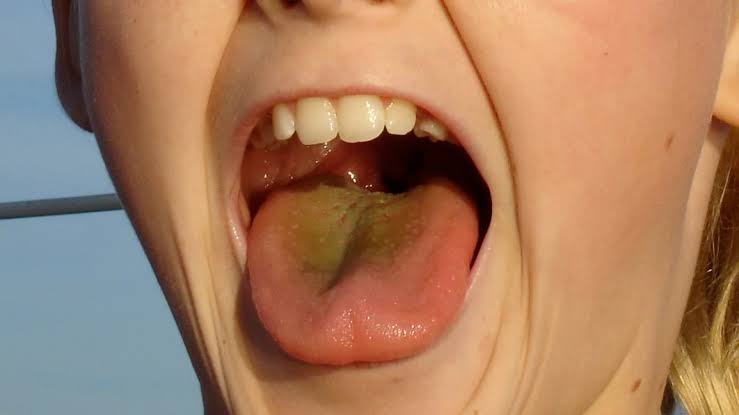
An orange tongue simply means something has changed on the surface layer of your tongue. This could be staining, a bacterial coating, or a fungal overgrowth.
The tongue’s papillae (tiny bumps) trap food particles, pigments, and bacteria easily. This is why tongue discoloration shows up faster than skin discoloration.
In most healthy adults, an orange tongue is temporary and linked to something they ate, drank, or smoked recently.
Is an Orange Tongue Normal?
Yes, in the majority of cases, orange tongue color is completely normal and harmless.
Popsicles, hard candy, turmeric, curry, coffee, and tea are common culprits behind a temporary orange tinge.
If the color fades within a day or two after brushing your tongue, there is usually no medical concern at all.
Common Causes of an Orange Tongue
There are several causes behind orange tongue discoloration, ranging from diet to underlying health conditions. Below is a breakdown of the most frequent triggers dentists and doctors report.
Food and Drink Stains
Brightly colored foods and drinks are the number one cause of a temporary orange tongue.
Orange soda, popsicles, curry, turmeric, saffron, and hard candies contain natural or artificial pigments that stick to the tongue’s surface.
This type of staining usually disappears once you brush your tongue or drink water a few times.
Carotenemia From Beta Carotene
Carotenemia is a condition where excess beta carotene builds up in the bloodstream and skin tissue, including the tongue.
Carrots, sweet potatoes, mangoes, pumpkins, papayas, and cantaloupes are all rich in beta carotene.
Carotenemia is harmless and reverses on its own once you reduce your intake of these foods.
Poor Oral Hygiene and Tongue Coating
When dead skin cells build up on the tongue’s surface, they trap bacteria and food debris, creating a colored coating.
Coffee, tea, tobacco, and spicy foods can turn this coating into a distinct orange or yellow-orange shade.
Brushing your tongue and using a tongue scraper daily usually clears this coating within a few days.
Smoking and Tobacco Use
Tobacco use, whether smoked or chewed, is a well-documented cause of orange or brownish tongue discoloration.
Nicotine and tar residue coat the tongue’s surface and mix with existing bacteria, deepening the orange tint over time.
Quitting tobacco, alongside better tongue hygiene, is the most effective fix for this cause.
Dry Mouth (Xerostomia)
Dry mouth reduces saliva flow, and saliva is what naturally washes away bacteria and food particles from your tongue.
Without enough saliva, bacteria multiply faster, leading to a colored coating that can look orange or yellow.
Many medications, including antihistamines and blood pressure drugs, list dry mouth as a side effect.
Oral Thrush (Candida Overgrowth)
Oral thrush happens when the fungus Candida albicans overgrows inside the mouth, often turning the tongue’s coating yellow or orange.
People with weakened immune systems, diabetes, or denture use are more prone to developing oral thrush.
Antifungal medication from a doctor is usually needed to fully clear this infection.
Antibiotics and Medication Side Effects
Antibiotics can wipe out both harmful and helpful bacteria in the mouth, which sometimes allows Candida fungus to take over.
This imbalance can result in an orange or yellowish tongue coating during or shortly after a course of antibiotics.
Probiotics and yogurt can help restore healthy oral bacteria balance after finishing antibiotic treatment.
Vitamin and Iron Deficiency
A lack of B vitamins, particularly B12 and B2, can lead to glossitis, which is inflammation and discoloration of the tongue.
Iron deficiency anemia can also cause a pale tongue that sometimes takes on an orange or yellowish appearance.
Correcting the deficiency through diet or supplements typically restores normal tongue color over several weeks.
Acid Reflux (GERD)
Gastroesophageal reflux disease, or GERD, allows stomach acid to travel back up into the esophagus and mouth.
This acid exposure can change the oral bacterial environment, leading to a yellow-orange coating on the tongue’s surface.
Managing GERD through diet changes or medication often improves tongue color alongside classic heartburn symptoms.
Diabetes and Blood Sugar Issues

Diabetes can raise glucose levels in saliva, which encourages the overgrowth of yeast and bacteria on the tongue.
This excess sugar environment makes oral thrush more likely, which in turn can cause orange tongue discoloration.
Keeping blood sugar levels controlled is an important step in preventing recurring tongue coating issues.
Bismuth-Containing Medications
Over-the-counter medications containing bismuth subsalicylate, such as some upset stomach remedies, can temporarily discolor the tongue.
This side effect is harmless and fades once the medication is stopped or fully processed by the body.
If you notice discoloration right after starting a new medication, checking the label for bismuth is a good first step.
Quick Reference Table: Causes, Symptoms & Fixes
| Cause | Typical Trigger | Simple Fix |
|---|---|---|
| Food and drink stains | Popsicles, curry, turmeric, soda | Brush tongue, drink water |
| Carotenemia | Excess beta carotene foods | Reduce carrot/sweet potato intake |
| Poor oral hygiene | Bacteria and food buildup | Tongue scraper, daily brushing |
| Smoking or tobacco | Nicotine and tar residue | Quit tobacco use |
| Dry mouth | Medication side effect | Hydration, saliva substitutes |
| Oral thrush | Candida fungus overgrowth | Antifungal medication |
| Antibiotic use | Disrupted oral bacteria | Probiotics, yogurt |
| Vitamin deficiency | Low B12, B2, or iron | Diet change, supplements |
| Acid reflux (GERD) | Stomach acid exposure | GERD management plan |
| Diabetes | High glucose in saliva | Blood sugar control |
| Bismuth medication | OTC stomach remedies | Stop medication, confirm with doctor |
How Is an Orange Tongue Diagnosed
A dentist or doctor usually starts with a visual exam and a few questions about your diet, habits, and current medications.
If a fungal infection is suspected, a simple swab test can confirm oral thrush within a few days.
For deeper concerns like GERD, diabetes, or vitamin deficiency, your doctor may order blood work or refer you to a specialist.
Treatment Options for Orange Tongue
Treatment always depends on the root cause, but most cases respond well to simple, non-invasive steps.
Improving Oral Hygiene
Brushing your teeth and tongue twice daily removes the bacteria and food particles that cause discoloration.
Using a tongue scraper each morning adds an extra layer of cleaning that toothbrushes often miss.
Antifungal Treatment for Thrush
If oral thrush is confirmed, your doctor will typically prescribe an antifungal liquid, lozenge, or tablet.
Completing the full course of treatment is important, even if the tongue color improves early on.
Adjusting Your Diet
Cutting back on beta carotene-rich foods and artificially colored snacks helps reverse carotenemia and dietary staining.
Adding more iron and B-vitamin-rich foods supports tongue tissue health if a deficiency is the cause.
Managing Acid Reflux
Avoiding large meals before bed, cutting spicy or fatty foods, and staying upright after eating can reduce GERD symptoms.
Over-the-counter antacids or prescription medication may be recommended for more persistent reflux cases.
Treating Dry Mouth
Drinking more water throughout the day and using sugar-free gum can stimulate natural saliva production.
Your doctor may also recommend a saliva substitute product if dry mouth is linked to a medication you take.
Home Remedies to Restore Natural Tongue Color

Several simple home remedies can speed up the return of a healthy pink tongue color.
- Brush your tongue gently every morning and night
- Use a tongue scraper to remove built-up coating
- Rinse with warm salt water to reduce bacteria
- Drink more water to combat dry mouth
- Reduce coffee, tea, and tobacco use temporarily
- Add plain yogurt or probiotics after antibiotic use
These steps work best for mild, diet-related, or hygiene-related orange tongue discoloration.
When to Worry About an Orange Tongue
Most orange tongue cases are harmless, but a few warning signs mean it is time to book a doctor’s visit.
Signs You Should See a Doctor
- Discoloration lasts longer than two weeks despite good hygiene
- You notice pain, burning, or soreness on the tongue
- White patches accompany the orange coating
- You have unexplained weight loss or fatigue
- Discoloration appears alongside jaundice-like yellow skin or eyes
- You have diabetes or a weakened immune system
If any of these symptoms show up, a dentist or doctor can rule out infection, deficiency, or a more serious condition.
How to Prevent Orange Tongue in the Future
Prevention is mostly about consistent oral hygiene and mindful eating habits.
Brushing your tongue daily, staying hydrated, and limiting tobacco and heavily pigmented foods keeps discoloration from returning.
Routine dental checkups also help catch early tongue changes before they become a bigger concern.
Orange Tongue in Children vs Adults
Carotenemia from mashed carrots and sweet potatoes is especially common in infants and toddlers who eat a lot of pureed produce.
In adults, orange tongue discoloration is more often linked to coffee, tobacco, dry mouth, or medication side effects.
Both age groups should see a pediatrician or dentist if the discoloration doesn’t fade after dietary changes.
Orange Tongue Compared to Other Tongue Colors
Tongue color can act like a small health indicator, and orange is just one of several shades worth understanding.
| Tongue Color | Possible Cause |
|---|---|
| Orange | Diet, oral thrush, GERD, dry mouth |
| Yellow | Jaundice, bacterial buildup, smoking |
| White | Oral thrush, dehydration, leukoplakia |
| Black or hairy | Dead cell buildup, bismuth medication |
| Bright red | Vitamin deficiency, scarlet fever, glossitis |
| Pale pink | Iron deficiency anemia |
Foods That Commonly Stain the Tongue Orange
Certain everyday foods and drinks are repeat offenders when it comes to orange tongue discoloration.
Knowing which ones to watch is helpful if you want to rule out diet before assuming something more serious is going on.
| Food or Drink | Pigment Responsible |
|---|---|
| Carrots | Beta carotene |
| Sweet potatoes | Beta carotene |
| Mangoes | Beta carotene, carotenoids |
| Turmeric or curry | Curcumin |
| Orange soda or popsicles | Artificial food dye |
| Hard candy | Artificial food dye |
| Coffee and tea | Tannins |
If you recognize one of these in your recent meals, the discoloration is very likely temporary and diet-related.
Step-by-Step Tongue Cleaning Routine
A simple daily routine can prevent most causes of orange tongue linked to hygiene and bacterial buildup.
- Brush your teeth as usual, morning and night
- Use a tongue scraper from back to front, gently
- Rinse with water or a mild, alcohol-free mouthwash
- Repeat daily, even on busy days
- Replace your tongue scraper every few months
This routine takes less than a minute but makes a noticeable difference in tongue color and fresh breath.
Natural Remedies vs Medical Treatment
Choosing between a home remedy and a doctor’s visit depends on how long the discoloration has lasted and what else you’re feeling.
| Approach | Best For | Typical Timeline |
|---|---|---|
| Tongue scraping and hydration | Diet or hygiene-related staining | 1 to 3 days |
| Salt water rinse | Mild bacterial buildup | 3 to 5 days |
| Probiotics or yogurt | After antibiotic use | 1 to 2 weeks |
| Antifungal medication | Confirmed oral thrush | 1 to 2 weeks |
| GERD management plan | Reflux-related discoloration | 2 to 6 weeks |
| Dietary adjustment | Carotenemia | Several weeks to months |
Home remedies work well for mild cases, but persistent or painful discoloration always deserves a professional opinion.
Common Myths About Orange Tongue
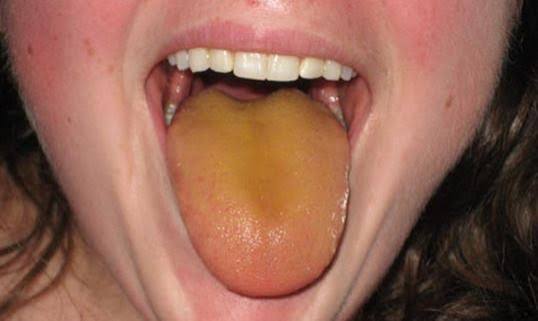
There is a lot of misinformation online about what tongue color really means, so a few myths are worth clearing up.
Myth: Orange tongue always means liver disease
This isn’t accurate. Liver problems typically cause yellowing of the skin and eyes, not an isolated orange tongue.
Myth: You need mouthwash with alcohol to fix it
Alcohol-based mouthwash can actually dry out your mouth further, which may worsen bacterial buildup and discoloration.
Myth: Orange tongue in babies is dangerous
In infants, orange tongue is almost always linked to pureed carrots or sweet potatoes and clears up on its own.
Lifestyle Habits That Affect Tongue Color
Beyond diet and hygiene, daily lifestyle choices play a bigger role in tongue health than most people realize.
Smoking, excessive caffeine, mouth breathing, and chronic stress can all dry out the mouth and encourage bacterial buildup.
Making small adjustments, like drinking more water and cutting back on tobacco, supports a naturally pink tongue over time.
Orange Tongue and Overall Oral Health
Your tongue’s color is often one of the first visible clues that something in your mouth or body needs attention.
Regular dental visits allow professionals to check your tongue alongside your teeth and gums for early warning signs.
Treating your tongue as part of your daily oral care routine, not an afterthought, helps prevent most discoloration issues.
Orange Tongue Prevention Checklist
A short daily checklist makes it easier to keep your tongue looking healthy and pink instead of orange.
- Brush teeth and tongue twice daily, without skipping mornings
- Scrape your tongue gently each day, back to front
- Drink at least six to eight glasses of water daily
- Limit sugary, artificially colored candy and soda
- Cut back on coffee, tea, and tobacco where possible
- Take probiotics after finishing any antibiotic course
- Schedule a dental checkup every six months
Following even half of these habits consistently lowers your chances of recurring orange tongue discoloration.
Products That Support a Healthy Tongue Color
Certain everyday oral care products make it easier to prevent bacterial buildup and staining on the tongue’s surface.
| Product | Why It Helps |
|---|---|
| Tongue scraper | Removes bacteria and dead cells daily |
| Alcohol-free mouthwash | Cleans without drying out the mouth |
| Soft-bristle toothbrush | Cleans tongue surface without irritation |
| Sugar-free gum | Stimulates saliva flow for dry mouth |
| Probiotic yogurt | Restores healthy oral bacteria balance |
Choosing gentle, alcohol-free products protects your mouth’s natural moisture while still fighting bacteria buildup.
Key Takeaways on Orange Tongue
An orange tongue is almost always tied to something simple like diet, dryness, or daily habits rather than a serious illness.
Paying attention to how long the discoloration lasts, and whether other symptoms appear, helps you know when home care is enough.
Consistent oral hygiene remains the single most effective way to prevent and reverse most cases of orange tongue.
Frequently Asked Questions (FAQs)
Why is my tongue orange all of a sudden?
A sudden orange tongue is usually from food dye, a popsicle, or curry. Brush your tongue to check if it fades.
Can dehydration cause an orange tongue?
Yes, dehydration reduces saliva flow and lets bacteria build up faster, which can create an orange-tinted coating.
Is an orange tongue a sign of liver disease?
Rarely. Liver issues usually cause a yellow tongue and yellow eyes, not orange, so this pattern needs medical confirmation.
Does oral thrush always turn the tongue orange?
Not always. Oral thrush more often causes white patches, but combined with staining it can appear yellow-orange.
Can acid reflux really change tongue color?
Yes, GERD exposes the mouth to stomach acid, which shifts the oral bacterial balance and can tint the tongue orange.
How long does carotenemia take to go away?
Carotenemia usually fades within a few weeks to a couple of months after reducing beta carotene-rich foods.
Should I be worried if only part of my tongue is orange?
Localized discoloration is often just staining from food contact. If it persists or hurts, see a dentist to be safe.
Can antibiotics cause my tongue to turn orange?
Yes, antibiotics can disrupt oral bacteria balance, allowing Candida fungus to overgrow and discolor the tongue.
Does smoking permanently stain the tongue orange?
Not usually permanent, but ongoing tobacco use keeps renewing the stain, so quitting is the only lasting fix.
When should I see a doctor about an orange tongue?
See a doctor if discoloration lasts over two weeks, causes pain, or comes with other symptoms like fatigue or white patches.
Conclusion
An orange tongue can look worrying, but it is usually a simple, fixable issue tied to diet, hydration, or oral hygiene habits.
Foods like curry, popsicles, carrots, and sweet potatoes are common, harmless triggers, while smoking, dry mouth, and antibiotic use can also play a role.
In some cases, orange tongue discoloration signals oral thrush, acid reflux, vitamin deficiency, or diabetes, so it’s worth paying attention to accompanying symptoms.
Brushing your tongue daily, staying hydrated, and adjusting your diet resolve most cases within days or weeks. If the discoloration lingers past two weeks, causes pain, or appears with other unusual symptoms, a dentist or doctor visit is the safest next step. Understanding what your tongue color is telling you makes it much easier to catch small oral health issues early.
