

Why does my gum hurt in one spot in the back of your mouth is a question that catches most people off guard, because the pain feels so oddly specific.
One moment everything feels normal, and the next, a single sore spot at the back of the gumline throbs every time you chew, brush, or swallow.
This kind of localized pain is rarely random. It usually points to one clear cause, whether that is a hidden wisdom tooth, trapped food, a small infection, or simple irritation from brushing too hard.
Understanding Localized Gum Pain in the Back of the Mouth

Gum pain that shows up in one exact spot behaves differently than general gum soreness. General soreness usually spreads across the whole gumline and often links to brushing habits or mild irritation.
Localized pain, on the other hand, signals that something specific is happening in that one area. It could be a piece of food, a partially erupted tooth, or early infection.
The back of the mouth is also harder to see and clean, which is part of why problems tend to start there. Molars and wisdom teeth sit in tight corners that toothbrush bristles and floss often miss.
Why Does My Gum Hurt in One Spot in the Back: Common Causes
There are several dental and non-dental reasons for this exact symptom. Some are minor and resolve within a few days, while others need a dentist’s attention.
Below is a breakdown of the most frequent causes reported by dental professionals and patients alike.
Wisdom Tooth Eruption
Wisdom teeth, or third molars, are the last teeth to come in, usually during the late teens or early twenties. As they push through the gum, they can cause sharp, localized soreness in the exact spot where the tooth is emerging.
This pain often comes with mild swelling and can flare up when chewing. It tends to ease once the tooth fully erupts or is removed.
Pericoronitis
Pericoronitis happens when a wisdom tooth is only partially erupted, leaving a flap of gum tissue covering part of the tooth. Food and bacteria collect underneath this flap.
This traps bacteria against the gum, leading to swelling, tenderness, and sometimes a bad taste in the mouth. It is one of the most common reasons dentists see back-of-mouth gum pain in younger adults.
Trapped Food Particles
Food debris lodged between back teeth or beneath the gumline is a surprisingly common cause. Popcorn kernels, seeds, and fibrous foods are frequent culprits.
If the particle stays trapped, it irritates the tissue and can cause sharp, localized pain. Gentle flossing often resolves it within a day.
Gum Abscess
A gum abscess is a pocket of infection that forms beneath the gumline, usually from bacteria entering through a cavity or gum pocket. It often causes deep, throbbing pain in one exact spot.
Swelling, a small bump, or a foul taste are common accompanying signs. An abscess will not heal on its own and needs prompt dental care.
Gingivitis and Early Gum Disease
Gingivitis is the earliest stage of gum disease, caused by plaque buildup along the gumline. While it usually affects the whole mouth, it can sometimes feel more intense in one back area first.
Symptoms include redness, puffiness, and bleeding during brushing. Improving oral hygiene habits typically reverses gingivitis before it progresses further.
Brushing or Flossing Injury
Brushing too hard, using a firm-bristle toothbrush, or flossing aggressively can bruise or scrape the gum tissue. The surface may look normal even though the area feels sore.
This type of injury usually heals within a few days once you switch to gentle technique. A soft-bristled toothbrush helps prevent it from happening again.
Canker Sores
Canker sores, also called aphthous ulcers, are small shallow lesions that can develop on the gum tissue near the back teeth. They are often triggered by stress, minor injury, or certain acidic foods.
They tend to be painful to the touch but heal on their own within one to two weeks. Over-the-counter gels can ease the discomfort in the meantime.
Gum Recession
When gums recede, the sensitive root surface of a tooth becomes exposed. This can make one specific spot feel sharply sensitive, especially to hot, cold, or sweet foods.
Recession often develops gradually from aggressive brushing, grinding, or gum disease. A dentist can recommend treatments to protect the exposed area.
Ill-Fitting Dental Appliances
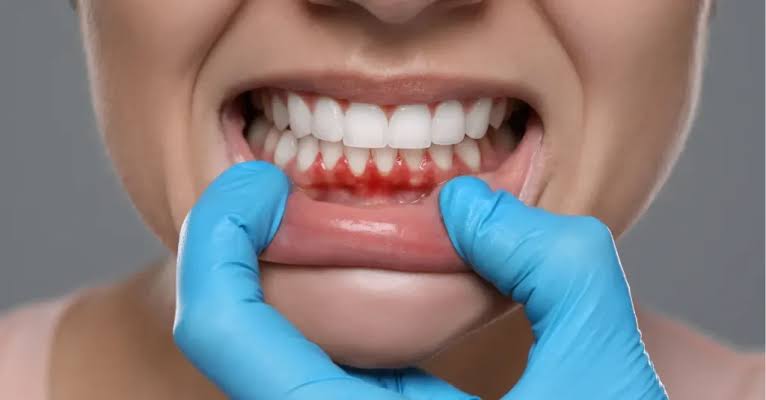
Night guards, retainers, or dentures that do not fit correctly can rub against one spot of gum tissue repeatedly. Over time, this creates a sore, irritated patch.
Custom-fitted appliances reduce this risk significantly compared to generic, store-bought options. If pain follows appliance use, a refit is usually necessary.
Tooth Decay or Cavities
A cavity near the gumline, especially on a back molar, can cause the surrounding gum tissue to become inflamed and tender. The pain often worsens with pressure or temperature changes.
Left untreated, decay can progress toward the nerve and cause more serious pain. Regular checkups catch cavities before they cause gum involvement.
Sinus Pressure
The roots of the upper back teeth sit close to the maxillary sinuses. Sinus inflammation or congestion can sometimes create pressure that feels like gum or tooth pain.
This type of discomfort usually comes with other sinus symptoms like congestion or facial pressure. It tends to resolve once the sinus issue clears.
Who Is More Likely to Get Localized Back Gum Pain
Certain groups face a higher chance of developing this specific symptom. Knowing your risk factors can help you catch problems earlier.
Teens and Young Adults
Wisdom teeth typically emerge between the ages of 17 and 25. This age group experiences pericoronitis and eruption pain far more often than older or younger patients.
People Who Wear Braces or Retainers
Orthodontic appliances create extra surfaces where food and plaque can collect near the back teeth. This raises the risk of localized irritation and gum inflammation.
Smokers and Tobacco Users
Tobacco use slows gum healing and increases susceptibility to infection. Smokers often notice slower recovery from minor gum injuries in the back of the mouth.
People With a History of Gum Disease
Anyone who has had gingivitis or periodontitis before is more prone to future flare-ups. Gum tissue that has already been damaged tends to be more sensitive to new irritation.
Individuals Who Grind Their Teeth at Night
Bruxism places extra pressure on back molars and the surrounding gum tissue. Over time, this pressure can lead to soreness in one concentrated spot.
How Dentists Diagnose the Exact Cause
A dental visit for localized back gum pain usually follows a predictable process. Understanding what to expect can make the appointment feel less stressful.
Visual and Physical Examination
The dentist will first examine the sore area closely, checking for swelling, redness, or a visible flap of gum tissue. They may also gently press the area to check for tenderness.
Dental X-Rays
X-rays help reveal issues that are not visible to the eye, such as an impacted wisdom tooth, a cavity near the gumline, or an abscess forming beneath the surface.
Periodontal Probing
For suspected gum disease, a dentist may measure the depth of the pockets between your teeth and gums. Deeper pockets often indicate more advanced periodontal issues.
Reviewing Your Symptoms and History

Your dentist will also ask about when the pain started, what makes it better or worse, and whether you have had similar issues before. This history often narrows down the cause quickly.
Common Myths About Gum Pain in One Spot
A few misconceptions can lead people to delay treatment or use the wrong home remedies. Clearing these up helps you respond more effectively.
Myth: If There Is No Bleeding, It Is Not Serious
Bleeding is not required for a problem to be serious. Abscesses and early decay often cause pain without any visible bleeding at all.
Myth: Gum Pain Always Means You Need a Tooth Pulled
Most causes, including trapped food, minor injuries, and canker sores, resolve without extraction. Tooth removal is only necessary in specific, more advanced cases.
Myth: Mouthwash Alone Can Fix an Infection
Mouthwash can help manage bacteria and freshen breath, but it cannot treat an established infection like an abscess. Professional drainage or antibiotics are usually required.
Myth: Wisdom Tooth Pain Always Requires Removal
Not every wisdom tooth needs to come out. If it erupts fully and properly without recurring pericoronitis, some dentists recommend monitoring it instead.
Comparison Table: Common Causes of One-Spot Back Gum Pain
<br>
| Possible Cause | Typical Pain Type | Common Signs | Usual Duration |
|---|---|---|---|
| Wisdom tooth eruption | Dull, pressure-like | Swelling near back molar | Days to weeks |
| Pericoronitis | Sharp, throbbing | Gum flap, bad taste, swelling | Until treated |
| Trapped food | Sudden, sharp | Pain while chewing | Hours to 1 day |
| Gum abscess | Deep, throbbing | Bump, swelling, foul taste | Needs dental care |
| Gingivitis | Mild, spreading | Redness, bleeding gums | Days with better care |
| Brushing injury | Tender, mild | No visible change | 2 to 4 days |
| Canker sore | Sharp to touch | Small visible ulcer | 1 to 2 weeks |
| Gum recession | Sensitive, sharp | Exposed tooth root | Ongoing until treated |
| Ill-fitting appliance | Rubbing, sore | Irritated patch | Until refitted |
| Tooth decay | Aching, sharp | Sensitivity to temperature | Needs dental care |
<br>
How to Tell If It Is an Infection
Knowing whether the pain comes from infection changes how urgently you should act. A few warning signs point clearly toward infection rather than minor irritation.
Swelling Around One Tooth
Localized swelling that surrounds a single tooth often signals an abscess or infected pocket. This swelling may feel warm or tight to the touch.
Persistent Bad Taste or Odor
An ongoing bad taste, especially one that does not go away after brushing, can mean pus or bacteria are present. This is a common abscess symptom.
Pain That Worsens Over 48 Hours
Minor irritation usually improves within a day or two. Pain that steadily worsens past 48 hours suggests something more serious is developing.
Visible Bump or Pimple on the Gum
A small bump on the gum, sometimes called a gum boil, often indicates a draining abscess. This should always be checked by a dentist.
At-Home Care for Mild Gum Pain
If the pain feels mild and there is no swelling or fever, some simple home measures can help while you monitor the area.
Warm Saltwater Rinses
Rinsing with warm saltwater several times a day helps reduce bacteria and soothe irritated tissue. It is one of the most recommended first steps for localized gum pain.
Gentle Flossing
If trapped food is suspected, gently flossing around the area can release the debris and relieve pressure almost immediately.
Switching to a Soft-Bristled Toothbrush

A softer brush reduces further irritation while the area heals. Brushing gently around the sore spot, rather than avoiding it completely, keeps bacteria from building up.
Over-the-Counter Pain Relief
Standard pain relievers can ease discomfort temporarily. Topical oral gels designed for gum pain can also numb the area for short-term relief.
When to See a Dentist
Home care works for many minor cases, but some situations call for professional evaluation without delay.
Pain Lasting More Than Two Days
If discomfort has not improved after 48 hours of home care, it is time to book a dental visit.
Visible Swelling or a Bump
Swelling, especially with a visible bump, often means infection is present and requires treatment such as drainage or antibiotics.
Fever or Facial Swelling
Fever alongside gum pain is a sign the infection may be spreading beyond the local area and needs urgent care.
Difficulty Opening Your Mouth Fully
Trouble opening your mouth, especially with back gum pain, is a classic pericoronitis symptom that usually needs professional cleaning of the area.
Professional Treatment Options
Once a dentist identifies the exact cause, treatment is usually straightforward and targeted to that specific issue.
Dental Fillings or Root Canal
If decay is the root cause, a filling can repair the damaged area. More advanced decay reaching the nerve may require a root canal.
Scaling and Root Planing
For gingivitis or periodontal disease, a deep cleaning below the gumline removes plaque and tartar buildup that regular brushing cannot reach.
Draining an Abscess
An abscess typically needs to be drained by a dentist, sometimes paired with a short course of antibiotics to clear the infection fully.
Wisdom Tooth Removal
If pericoronitis or eruption pain keeps recurring, extraction of the wisdom tooth is often the long-term solution.
Gum Graft Surgery
For cases involving significant gum recession, a graft can cover the exposed root and protect it from further sensitivity and damage.
Preventing Future Gum Pain in the Back of the Mouth
A few consistent habits go a long way toward preventing localized gum pain from returning.
Brush and Floss the Back Teeth Carefully
Back molars and wisdom teeth are easy to miss. Taking extra time with a soft brush and floss in this area prevents most trapped-food and plaque issues.
Use a Custom-Fitted Night Guard
If you grind your teeth or use a night guard, a custom-fitted option reduces the chance of gum irritation compared to generic store-bought guards.
Keep Regular Dental Checkups
Routine visits, ideally once or twice a year, catch small problems like early decay or gum disease before they cause pain.
Stay Hydrated and Manage Sinus Health
Since sinus pressure can mimic gum pain, staying hydrated and treating congestion promptly can prevent this overlap in symptoms.
Foods and Habits That Can Worsen Back Gum Pain
Certain everyday habits can make an already sore spot feel worse. Being mindful of these triggers can speed up healing.
Spicy or Acidic Foods
Spicy dishes, citrus fruits, and acidic drinks can sting an already irritated gum area. Avoiding these temporarily gives the tissue time to recover.
Chewing on the Affected Side
Continuing to chew directly on the sore spot can reopen minor injuries or push trapped food further under the gum. Switching to the opposite side while healing helps.
Using Toothpicks Aggressively
Toothpicks can dislodge food, but using them forcefully near the back teeth can scratch or bruise the gum tissue. Gentle flossing is usually a safer alternative.
Skipping Nighttime Oral Care
Skipping brushing or flossing before bed allows plaque and food debris to sit against the gum overnight. This is especially problematic for hard-to-reach back teeth.
Frequently Asked Questions (FAQs)
Why does my gum hurt in one spot but not bleed?
Localized pain without bleeding is often caused by trapped food, mild trauma, or a developing canker sore. It usually settles within a few days with gentle care.
Can a wisdom tooth cause pain in only one spot?
Yes, wisdom teeth commonly cause pain limited to the exact area where the tooth is emerging. This is especially common in the late teens and twenties.
Is it normal for gum pain to come and go?
Yes, pain from pericoronitis or trapped food can flare up and settle repeatedly until the underlying cause is treated. Recurring pain should still be checked by a dentist.
How long does gum pain from brushing too hard usually last?
Minor brushing injuries typically heal within two to four days. Switching to a soft-bristled toothbrush speeds up recovery.
Can sinus problems really cause back gum pain?
Yes, the upper back teeth sit close to the sinuses, so sinus inflammation can create pressure that feels like gum or tooth pain. It usually improves once congestion clears.
What does a gum abscess feel like?
A gum abscess usually causes deep, throbbing pain along with swelling, a visible bump, or a foul taste. It requires prompt dental treatment.
Should I be worried if only one tooth area hurts?
A single sore spot is common and often has a clear, treatable cause. It is worth monitoring closely and seeing a dentist if it does not improve within two days.
Can stress cause gum pain in one spot?
Yes, stress is a known trigger for canker sores, which can appear as a single painful spot on the gum. These sores typically heal on their own within two weeks.
Does gum pain in the back always mean infection?
No, many cases come from trapped food, minor injury, or a canker sore rather than infection. Swelling, bumps, or worsening pain are the signs that point toward infection.
What home remedy works best for sudden gum pain?
Warm saltwater rinses combined with gentle flossing relieve most mild cases within a day. Persistent or worsening pain still needs a dental evaluation.
Conclusion
Localized gum pain in the back of the mouth almost always has a clear, identifiable cause, from trapped food and brushing irritation to wisdom teeth and early infection.
Paying attention to how the pain behaves, whether it improves with home care or keeps worsening, helps you decide the right next step.
Mild cases often settle within a day or two using saltwater rinses and gentle flossing. Pain that lingers past 48 hours, comes with swelling, or includes a bump or bad taste points toward infection and needs prompt dental attention.
Wisdom teeth, gum recession, and ill-fitting dental appliances are also frequent contributors, especially when the discomfort keeps returning.
Understanding these patterns puts you in a better position to protect your oral health. Regular checkups, gentle brushing habits, and quick action on persistent pain remain the most reliable way to keep this kind of localized gum pain from becoming a bigger problem.
