

Why do dogs scoot on their butt? It’s one of the most common — and most confusing — behaviors pet parents witness. One minute your dog is relaxed, the next they’re dragging their rear end across your living room floor.
While it can look funny, scooting is almost always a sign of discomfort. It usually points to full anal glands, but it can also mean parasites, allergies, skin irritation, or something more serious.
Why Do Dogs Scoot on Their Butt? What Does It Mean
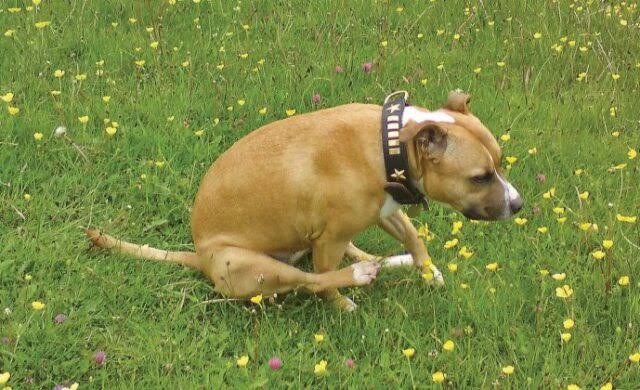
Scooting happens when a dog drags their rear end across the floor, usually while sitting. It’s their way of trying to relieve an itch, pressure, or pain they can’t reach with their paws.
Unlike humans, dogs can’t easily scratch an itchy backside, so scooting becomes their go-to method of relief.
While an occasional scoot isn’t usually an emergency, frequent or repeated scooting is your dog’s way of telling you something is wrong.
Is Occasional Scooting Normal?
Yes, a single scoot here and there can be completely harmless. It might just mean a bit of leftover fecal matter or mild itchiness.
However, if scooting happens repeatedly within the same day, or continues for several days in a row, it’s usually a sign of an underlying issue that needs attention.
Small dogs, stocky breeds, and dogs with long fur tend to scoot more often than others due to their anatomy and coat type.
Common Causes of Dog Butt Scooting
There are several possible reasons your dog is dragging their rear end. Below is a breakdown of the most common causes veterinarians identify.
1. Impacted or Full Anal Glands
Anal glands, also called anal sacs, sit on either side of a dog’s anus. They release a strong-smelling fluid used for scent marking.
Normally, these glands empty on their own during bowel movements. When they don’t, they become full, swollen, and uncomfortable, prompting your dog to scoot for relief.
This is the number one cause of scooting in dogs and often comes with a distinct fishy odor.
2. Anal Gland Infection or Abscess
If impacted glands go untreated, they can become infected or even rupture into an abscess. This is more painful and often comes with swelling, redness, or discharge.
An abscess requires prompt veterinary treatment, including antibiotics and sometimes minor drainage procedures.
3. Intestinal Parasites (Worms)
Tapeworms, roundworms, hookworms, and whipworms can all cause irritation around the anus. Tapeworm segments often look like small grains of rice near the tail or in stool.
Parasites are usually picked up through fleas or contact with infected feces, making regular deworming an important preventive step.
4. Food Allergies
Skin irritation is the most common symptom of food allergies in dogs. If your dog is allergic to an ingredient in their diet, itching around the rear end is a common result.
Common culprits include certain proteins, grains, and artificial additives found in commercial dog food.
5. Environmental Allergies
Pollen, dust mites, mold, and grass can all trigger allergic reactions in dogs, leading to itching and irritation, including around the anal area.
Seasonal scooting that flares up during spring or fall often points to environmental allergies rather than food.
6. Skin Infections
Yeast or bacterial infections around the anus can cause soreness, redness, and intense itching, all of which can trigger scooting behavior.
These infections often develop secondary to allergies or excess moisture trapped in the fur around the rear end.
7. Constipation or Low-Fiber Diet
A diet lacking sufficient fiber can lead to constipation, making bowel movements uncomfortable. This discomfort can cause a dog to scoot in an attempt to ease straining.
Adding fiber-rich foods or a vet-approved supplement often resolves this fairly quickly.
8. Diarrhea and Loose Stool
On the opposite end, frequent diarrhea can irritate the skin around the anus, leading to soreness and scooting as a response to the discomfort.
9. Anal Fissures
These are small tears in the lining of the anus, often caused by straining, constipation, or trauma. Fissures can be quite painful and prompt frequent scooting.
10. Hemorrhoids
Though less common in dogs than humans, hemorrhoids can occur and cause itching, discomfort, and swelling around the anal area.
11. Matted Fur or Fecal Debris
Long-haired dogs can develop matted fur or trapped fecal matter near their rear end, causing irritation that leads to scooting.
Regular grooming and trimming around the area can prevent this fairly common cause.
12. Foreign Objects or Tumors
In rare cases, a foreign object stuck near the anus or a growth/tumor can cause persistent scooting. This is less common but should be ruled out if scooting continues despite treatment.
13. Anxiety or Stress
Some dogs develop scooting as a stress-related habit, similar to other repetitive behaviors triggered by anxiety or nervous energy.
Table: Common Causes of Dog Scooting at a Glance
| Cause | Key Signs | Needs Vet Visit |
|---|---|---|
| Impacted anal glands | Fishy odor, scooting, licking | Usually yes |
| Anal gland infection/abscess | Swelling, redness, discharge | Yes, urgent |
| Intestinal parasites | Rice-like segments, diarrhea | Yes |
| Food allergies | Itching, skin redness | Sometimes |
| Environmental allergies | Seasonal itching | Sometimes |
| Skin infection | Redness, odor, soreness | Yes |
| Constipation | Straining, hard stool | Sometimes |
| Diarrhea | Loose stool, irritation | Sometimes |
| Anal fissures | Pain, visible tear | Yes |
| Matted fur/debris | Visible mats or residue | No, groom at home |
Breeds and Dogs More Prone to Scooting
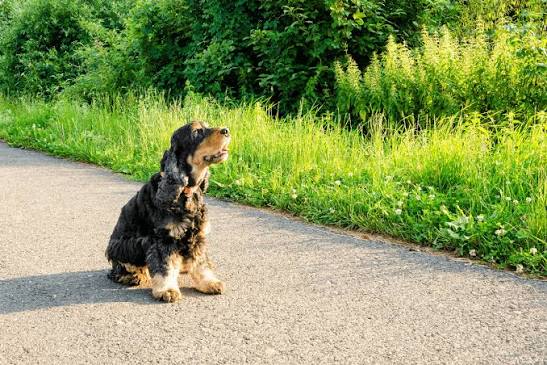
While any dog can scoot, certain dogs are more likely to experience it regularly due to body shape, coat, or genetics.
Small and Toy Breeds
Chihuahuas, Yorkies, and other tiny breeds are more prone to anal gland issues due to their smaller gland openings.
Stocky, Compact Breeds
Pugs, Bulldogs, and similar stocky breeds often have anatomy that makes natural gland expression more difficult.
Long-Haired Dogs
Breeds with long or thick fur are more likely to develop matting and trapped debris near the rear end.
Overweight Dogs
Extra weight can make it harder for anal glands to express naturally during bowel movements, increasing the likelihood of impaction.
How to Tell the Difference: Scooting Causes Compared
| Symptom Alongside Scooting | Likely Cause |
|---|---|
| Fishy odor | Anal gland issue |
| Rice-like grains near tail | Tapeworms |
| Red, itchy skin | Allergies or skin infection |
| Straining to poop | Constipation |
| Watery stool | Diarrhea-related irritation |
| Visible swelling or discharge | Infection or abscess |
| Matted fur | Fecal debris or matting |
What to Do When Your Dog Is Scooting
If you notice your dog scooting, there are a few steps you can take before heading straight to the vet, depending on severity.
Check the Area
Gently lift your dog’s tail and check for redness, swelling, discharge, matted fur, or visible debris near the anus.
Clean Gently
Use a dog-safe wipe to clean the area if you notice mild residue or fecal matter. Avoid scented or human wipes, which can irritate sensitive skin.
Monitor Frequency
Occasional scooting can be watched for a day or two. Frequent or worsening scooting should prompt a vet visit sooner rather than later.
Avoid Home Gland Expression
While some owners attempt to express anal glands at home, this is best left to a vet or professional groomer to avoid injury or infection.
How Vets Diagnose the Cause of Scooting
A veterinarian will typically start with a physical exam, checking the anal glands, skin condition, and overall rear-end health.
They may also request a fresh stool sample to check for parasites, and in some cases run allergy testing if scooting is recurring.
Based on findings, treatment can range from manual gland expression to antibiotics, dietary changes, or antiparasitic medication.
Treatment Options Based on Cause
Anal Gland Expression
A vet or groomer manually empties the glands, providing immediate relief. This may need to be repeated periodically for some dogs.
Antibiotics
Used for infections or abscesses to clear bacteria and reduce inflammation, often paired with pain relief medication.
Deworming Medication
Prescribed to eliminate intestinal parasites, usually resolving related scooting within days of treatment.
Dietary Changes
Switching to a limited-ingredient or high-fiber diet can address both food allergies and constipation-related scooting.
Allergy Management
This may include medicated shampoos, antihistamines, or identifying and removing the allergen from your dog’s environment.
Grooming and Trimming
Regular trimming of fur around the rear end prevents matting and trapped debris, especially in long-haired breeds.
Preventing Future Scooting Episodes

Prevention is often easier than treatment. These simple habits can reduce how often your dog experiences scooting in the first place.
Feed a High-Fiber Diet
A balanced, fiber-rich diet supports healthy stool consistency, which helps anal glands express naturally during bowel movements.
Keep Up with Deworming
Routine deworming and fecal exams help catch and prevent parasite-related scooting before it becomes a bigger issue.
Maintain Regular Grooming
Trimming fur around the anus and bathing regularly helps prevent matting, trapped debris, and skin irritation.
Monitor Weight
Keeping your dog at a healthy weight supports natural anal gland function and reduces the risk of impaction.
Schedule Routine Vet Checkups
Annual or biannual vet visits allow early detection of anal gland issues before they become painful or infected.
Watch for Early Signs
Excessive licking of the rear end, a foul odor, or mild scooting are early warning signs worth monitoring closely.
When to See a Vet Immediately
Some symptoms alongside scooting mean it’s time to skip the wait-and-see approach and call your vet right away.
Visible Swelling or Bleeding
Swelling, redness, or bleeding near the anus can indicate an abscess or infection that needs prompt treatment.
Foul Odor with Discharge
A strong odor combined with visible discharge often points to an infected or ruptured anal gland.
Persistent Diarrhea or Vomiting
These symptoms alongside scooting could indicate parasites or a gastrointestinal issue requiring diagnosis and treatment.
Signs of Pain
Whimpering, reluctance to sit, or sensitivity when touched near the tail are signs your dog needs veterinary evaluation.
Scooting That Doesn’t Improve
If scooting continues despite cleaning and home care, an underlying medical cause likely needs professional treatment.
Table: Home Care vs. Vet Visit Checklist
| Situation | Home Care Okay | Vet Visit Needed |
|---|---|---|
| One-time scoot, no other symptoms | Yes | — |
| Mild fecal residue | Yes, clean gently | — |
| Repeated scooting over several days | — | Yes |
| Swelling, redness, or discharge | — | Yes |
| Rice-like segments near tail | — | Yes |
| Foul odor with licking | — | Yes |
| Diarrhea or vomiting present | — | Yes |
Myths About Dog Scooting
There’s a lot of misinformation about scooting floating around online. Clearing these up helps pet parents respond correctly.
Myth: Scooting Always Means Worms
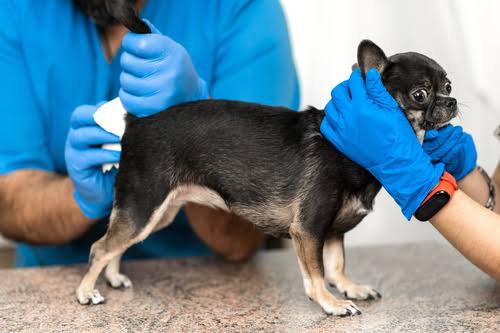
Worms are just one of many possible causes. Anal gland issues are actually far more common than parasites in most dogs.
Myth: Scooting Is Just a Funny Quirk
Scooting is a discomfort response, not a personality trait or funny habit. It always has an underlying physical cause.
Myth: Only Small Dogs Scoot
While small and stocky breeds scoot more often, any dog of any size or breed can develop scooting behavior.
Myth: You Should Always Express Glands at Home
Improper gland expression can cause injury or push fluid the wrong direction. It’s safer to leave this to professionals in most cases.
How Anal Glands Work: A Closer Look
Anal glands are two small sacs located just inside a dog’s rectum, roughly at the four o’clock and eight o’clock positions.
These glands produce a strong-smelling fluid that dogs use to mark territory and communicate with other dogs through scent.
During normal bowel movements, pressure naturally empties a small amount of fluid from these glands. This is why healthy dogs rarely need manual expression.
When stool is too soft, too infrequent, or a dog has weaker muscle tone, the glands may not empty properly, leading to buildup and discomfort.
Over time, unaddressed buildup can lead to inflammation, infection, or even rupture, which is why early intervention matters.
Dog Scooting and Diet: What to Feed for a Healthy Rear End
Diet plays a bigger role in scooting prevention than most pet owners realize. The right food can support both digestion and gland health.
High-Fiber Foods
Pumpkin, sweet potato, and fiber-rich commercial diets help bulk up stool, which supports natural anal gland expression.
Limited-Ingredient Diets
For dogs with suspected food allergies, a limited-ingredient or novel-protein diet can help identify and eliminate triggers.
Probiotics
Probiotic supplements can support healthy digestion and reduce diarrhea-related irritation around the anal area.
Adequate Hydration
Ensuring your dog drinks enough water supports regular, well-formed stool, reducing both constipation and straining.
Table: Foods That Help vs. Foods That May Worsen Scooting
| Helpful Foods | Foods to Watch |
|---|---|
| Plain canned pumpkin | Low-fiber processed treats |
| High-fiber dog food | Common allergen proteins |
| Probiotic supplements | Excess dairy |
| Lean, novel proteins | Artificial additives |
Grooming Tips to Prevent Scooting
Good grooming habits go a long way in preventing irritation-related scooting, especially for long-haired or double-coated breeds.
Trim Fur Around the Rear End
Keeping the area trimmed short reduces the chance of matting and trapped fecal debris.
Bathe Regularly
Routine bathing with a gentle, dog-safe shampoo helps keep the skin around the anus clean and free of irritants.
Check After Walks
A quick check after outdoor walks helps catch debris, grass seeds, or irritation early, before it worsens.
Brush Out Mats Promptly
Removing mats as soon as they form prevents them from pulling on the skin and causing discomfort.
Scooting in Senior Dogs vs. Puppies
Age can influence both the likely cause and urgency of scooting behavior, so it’s worth understanding the differences.
Puppies
Puppies often scoot due to parasites picked up from their environment or mild allergies as their immune system develops.
Since deworming schedules are still ongoing in early puppyhood, parasites are a especially common cause worth ruling out first.
Adult Dogs
Adult dogs most commonly scoot due to anal gland issues, food sensitivities, or seasonal allergies that developed over time.
Senior Dogs
Older dogs may scoot due to weaker muscle tone affecting natural gland expression, or age-related conditions like tumors or chronic skin issues.
Senior dogs showing new scooting behavior should always be evaluated by a vet, since age increases the likelihood of an underlying condition.
Table: Scooting Causes by Life Stage
| Life Stage | Most Likely Cause | Recommended First Step |
|---|---|---|
| Puppy | Parasites, mild allergies | Fecal exam and deworming |
| Adult | Anal gland issues, food allergies | Vet exam and diet review |
| Senior | Weak gland expression, chronic conditions | Full veterinary checkup |
Final Tips for Pet Parents
Scooting is common, but paying attention to patterns helps you respond appropriately instead of guessing at the cause.
Keep a simple log of when scooting happens, how often, and any other symptoms you notice, such as odor or licking.
This information is incredibly useful for your vet and can speed up diagnosis significantly during your appointment.
Above all, don’t ignore repeated scooting. Left untreated, minor issues like gland impaction can progress into painful infections or abscesses.
Frequently Asked Questions (FAQs)
1. Why is my dog scooting their butt on the carpet?
It’s usually a sign of anal gland pressure, itching, or irritation. Occasional scooting is normal, but frequent scooting needs a vet check.
2. Does scooting always mean worms?
No, worms are just one possible cause. Anal gland issues, allergies, and skin irritation are equally, if not more, common.
3. How do I know if it’s anal glands or worms?
A fishy odor usually points to anal glands, while rice-like segments near the tail or in stool suggest tapeworms.
4. Can I express my dog’s anal glands at home?
It’s possible but risky without training. It’s safer to have a vet or professional groomer handle gland expression.
5. Is scooting painful for dogs?
Yes, scooting is typically a response to discomfort, itching, or pressure, not a random or playful behavior.
6. Can diet really stop scooting?
Yes, a high-fiber, allergy-friendly diet can prevent constipation and reduce allergy-related itching that leads to scooting.
7. Why does my dog’s scooting smell so bad?
A strong fishy odor almost always indicates full or leaking anal glands that need to be expressed.
8. Can puppies scoot too?
Yes, puppies can scoot due to allergies or anal sac issues just like adult dogs, and occasional scooting is normal for them too.
9. How often should anal glands be expressed?
It varies by dog. Some never need manual expression, while others need it every few weeks; your vet can advise on frequency.
10. When should I worry about my dog scooting?
Worry if scooting is frequent, paired with odor, swelling, blood, or if it continues despite basic home care.
Conclusion
Scooting might look comical, but it’s almost always your dog’s way of communicating discomfort. Whether it’s full anal glands, intestinal parasites, allergies, or skin irritation, understanding the root cause makes it much easier to help your dog feel better quickly.
Occasional scooting usually isn’t an emergency, but frequent or worsening episodes deserve attention. Simple habits like a fiber-rich diet, regular grooming, routine deworming, and consistent vet checkups can prevent most causes before they become painful.
If your dog’s scooting is paired with odor, swelling, bleeding, or doesn’t improve with basic home care, don’t wait it out — a vet visit will get to the root of the issue and get your pup back to their comfortable, happy self.
