

Why isn’t my heat working in my car is one of the most common questions drivers search for the moment cold weather hits.
In most cases, the cause is something simple like low coolant, a stuck thermostat, or a failing blower motor, and many of these issues can be checked at home in minutes.
In other cases, weak or cold air points to a bigger cooling system problem that should not be ignored.
Why Isn’t My Heat Working in My Car?
Your car’s heater uses hot engine coolant, not electricity, to warm the air that comes through your vents.
Coolant heated by the engine flows into a small radiator called the heater core, mounted behind your dashboard.
A fan blows air across the heater core, and that warmed air is directed into the cabin through your vents.
If any part of this coolant loop is disrupted, the air coming from your vents will feel weak, cool, or completely cold.
Low Coolant Level
Low coolant is one of the most common reasons a car heater stops working properly.
Without enough coolant circulating, there is simply not enough hot fluid reaching the heater core to warm the air.
A coolant leak from a hose, radiator, water pump, or head gasket is usually the underlying cause of a low level.
Topping off coolant can restore heat temporarily, but the real leak still needs to be found and repaired.
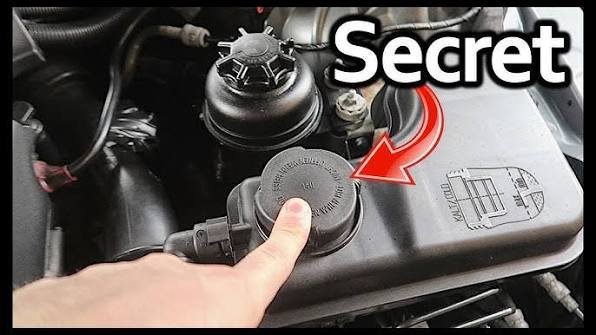
How to Check Your Coolant Level
Check your coolant level only when the engine is completely cool to avoid burns from hot fluid or steam.
Look at the coolant reservoir tank under the hood and compare the fluid level to the minimum and maximum lines.
If the level is low, top it off with the coolant type listed in your owner’s manual and monitor it over the next few days.
A Stuck Thermostat
The thermostat controls how quickly your engine reaches its normal operating temperature.
If the thermostat is stuck open, the engine may never get hot enough to send warm coolant to the heater core.
This often causes the temperature gauge to read lower than normal, alongside consistently weak or cold cabin heat.
A stuck thermostat is a relatively inexpensive part to replace and often solves the problem completely.
A Failing Heater Core
The heater core can become clogged with rust, scale, or debris over time, which restricts coolant flow.
A clogged heater core often produces weak, lukewarm air instead of a complete loss of heat.
A leaking heater core can also cause a sweet smell inside the cabin and fogging on the inside of the windshield.
Heater core repairs are more labor intensive since the unit sits deep inside the dashboard, so costs tend to be higher.
Air Pockets in the Cooling System
Air pockets, sometimes called airlocks, can form in the cooling system after a coolant top-off, flush, or repair.
Trapped air prevents coolant from circulating properly, which can starve the heater core of the hot fluid it needs.
Bleeding the cooling system, a process outlined in most owner’s manuals, removes trapped air and often restores full heat.
A Failing Blower Motor
The blower motor is the fan responsible for pushing warmed air through your vents and into the cabin.
If the blower motor fails completely, you may notice no airflow at all, even if the rest of the heating system works fine.
A failing blower motor resistor can also limit the fan to only one speed, usually the highest setting.
Unusual noises like grinding or squealing when the fan runs often point toward blower motor wear.
A Faulty Heater Control Valve
Some vehicles use a heater control valve to regulate how much hot coolant reaches the heater core.
If this valve gets stuck closed, coolant cannot reach the heater core even if the rest of the system is working correctly.
A mechanic can test this valve directly and replace it if it is stuck or leaking.
Blend Door or Actuator Problems
The blend door mixes hot and cool air to reach your selected cabin temperature.
If the blend door actuator fails, the door may get stuck in the cool air position regardless of your temperature setting.
A clicking or tapping noise from behind the dashboard when you adjust the temperature often signals a failing blend door actuator.
Electrical Issues and Blown Fuses
A blown fuse can shut off power to the blower motor or HVAC control module entirely.
Checking your owner’s manual for the correct fuse location and testing it with a multimeter is a quick first step.
Faulty wiring or a failing HVAC control module can also cause inconsistent or completely absent heat output.
Common Causes at a Glance
| Cause | Typical Symptom | DIY Fix Possible |
|---|---|---|
| Low coolant | Weak or gradually fading heat | Yes, if leak is minor |
| Stuck thermostat | Cold heat, low temperature gauge | Yes, part swap |
| Clogged heater core | Lukewarm air, sweet smell | No, needs a mechanic |
| Air pockets | Heat comes and goes | Yes, bleeding system |
| Failing blower motor | Weak or no airflow | Sometimes |
| Blower resistor | Fan stuck on one speed | Sometimes |
| Heater control valve stuck | No heat despite full system | No, needs diagnosis |
| Blend door actuator | Heat won’t adjust, clicking noise | No, needs a mechanic |
| Blown fuse | Blower does not turn on at all | Yes, easy fix |
Estimated Repair Costs
Repair costs for a car heater vary widely depending on which part has failed.
Simple fixes like a fuse replacement or coolant top-off often cost under fifty dollars in parts.
More involved repairs, such as a heater core replacement, can run several hundred dollars due to the labor involved in accessing the part.
| Repair | Estimated Cost Range |
|---|---|
| Coolant top-off | $10 to $30 |
| Thermostat replacement | $150 to $300 |
| Blower motor replacement | $200 to $450 |
| Blower resistor replacement | $100 to $250 |
| Heater core replacement | $500 to $1,000+ |
| Heater control valve replacement | $150 to $350 |
| Blend door actuator replacement | $150 to $400 |
Quick DIY Checks Before Visiting a Mechanic
A few simple checks at home can often narrow down the cause before you spend money on a diagnosis.
Start by checking your coolant level, since this is the fastest and most common fix for weak heat.
Next, check your temperature gauge while driving to see if the engine is reaching a normal operating temperature.
Finally, check your fuse box for a blown heater or blower fuse using your owner’s manual as a guide.
When Cold Air Means Something Serious
Most causes of a cold car heater are inconvenient but not dangerous, though a few warrant faster attention.
A sudden loss of coolant paired with a rising temperature gauge can signal a serious leak that risks engine overheating.
A sweet smell inside the cabin combined with foggy windows often points to a leaking heater core that needs prompt repair.
When to Worry and See a Mechanic
Occasional weak heat that improves after a few minutes of driving is usually not an emergency.
However, a temperature gauge climbing toward the red zone, visible coolant loss, or a burning smell should be treated as urgent.
Continuing to drive with a genuine coolant leak risks engine overheating, which can cause far more expensive damage than the original heater problem.
If your heater has been cold for more than a day or two despite basic checks, it is time to schedule a proper diagnosis.
Why This Problem Feels Worse Than It Is
A cold car heater can feel alarming the first time it happens, especially during a sudden temperature drop, but most causes are routine maintenance issues rather than emergencies.
Understanding the coolant loop that powers your heater makes it much easier to stay calm and troubleshoot methodically instead of guessing at random fixes.
Most drivers can resolve the issue themselves or with a single trip to a mechanic once the actual cause is identified, so there is rarely a need to panic.
Radiator and Water Pump Issues
The radiator and water pump work together to keep coolant circulating through your engine and heater core.
A failing water pump can reduce or stop coolant flow entirely, which prevents hot fluid from ever reaching the heater core.
A clogged or damaged radiator can also restrict circulation, leading to gradually weaker heat over several days or weeks.
Squealing noises from the front of the engine or visible coolant puddles under the car are common signs of a water pump problem.
Head Gasket Problems and Heat Loss
A blown head gasket allows coolant to leak internally or externally, often causing both overheating and heater problems at the same time.
This is a more serious repair than most other causes on this list, since it involves the engine itself rather than just the cooling system.
White smoke from the exhaust, milky oil, or a sweet smell near the engine bay alongside no heat can point toward this issue.
Because head gasket repairs are labor intensive, getting a proper diagnosis early can prevent more expensive engine damage later on.
Cabin Air Filter and Vent Blockages
A clogged cabin air filter can restrict airflow through the vents, making heat feel weaker even when the heating system itself works fine.
This filter is inexpensive and typically easy to access, often located behind the glove box.
Debris, leaves, or small objects blocking intake vents near the windshield can also reduce airflow into the cabin.
Replacing a dirty cabin air filter every twelve thousand to fifteen thousand miles is a simple way to keep airflow consistent.
Seasonal Factors That Affect Car Heat
Extremely cold outdoor temperatures can make even a healthy heating system feel slower to warm up than usual.
Short trips that never let the engine fully reach operating temperature are a common reason drivers notice weak heat only in winter.
Idling in cold weather warms the engine more slowly than driving, since airflow and engine load both help raise coolant temperature faster.
Giving your car five to ten minutes of driving, rather than idling, often produces noticeably better heat on cold mornings.
Comparing New Cars and Older Vehicles
Newer vehicles often use more electronically controlled components, including blend door actuators and HVAC control modules, which can introduce different failure points than older mechanical systems.
Older vehicles are more likely to develop mechanical issues like a stuck heater control valve or a worn thermostat.
Regardless of vehicle age, the underlying coolant loop that heats your cabin air works essentially the same way across nearly all gas-powered vehicles.
Electric and Hybrid Vehicle Heating Differences
Electric and hybrid vehicles sometimes use a different heating approach, relying partly or fully on electric heating elements instead of engine coolant.
In these vehicles, a cold cabin is more likely tied to a fault in the electric heating element, battery thermal management system, or a software issue.
If you drive an electric or hybrid vehicle, low coolant is less likely to be the cause, and a dealership diagnostic scan is often the faster path to an answer.
Diagnostic Tools a Mechanic Might Use
A mechanic will typically start with a visual inspection of hoses, the radiator, and the coolant reservoir for obvious leaks.
An infrared thermometer can be used to check whether the heater core hoses are actually getting hot, which helps confirm coolant flow.
A pressure test of the cooling system can reveal leaks that are not visible during a simple inspection.
For electrical issues, a diagnostic scan tool can pull fault codes related to the blend door actuator, blower motor, or HVAC control module.
Preventing Future Heater Problems
Routine cooling system maintenance is the best way to avoid unexpected heater failures during cold weather.
Following your manufacturer’s recommended coolant flush interval helps prevent the buildup of rust and debris inside the heater core.
Checking coolant levels seasonally, especially before winter, catches small leaks before they turn into bigger repairs.
Having your cooling system inspected during routine oil changes can also catch early signs of thermostat or hose wear.
Building a Simple Troubleshooting Checklist
Working through a short checklist in order helps you avoid guessing and spending money on the wrong repair.
Start with the coolant reservoir, then check the temperature gauge, then check your fuses, and finally listen for unusual fan noises.
Noting exactly when the cold air started, whether it was sudden or gradual, also helps a mechanic narrow down the cause faster.
Writing down any accompanying symptoms, like smells, noises, or dashboard warning lights, gives a technician useful information before they even open the hood.
Warning Signs You Should Never Ignore
A rapidly rising temperature gauge alongside no heat is one of the clearest signs of a serious coolant problem.
Visible steam from under the hood means you should pull over and let the engine cool rather than continuing to drive.
A strong sweet smell inside the cabin, even without visible leaks, is a strong indicator of a leaking heater core that needs prompt attention.
Any combination of an overheating warning light and weak or missing heat should be treated as a reason to stop driving and call for help.
Cost of Ignoring a Heater Problem
Continuing to drive with an undiagnosed coolant leak can eventually lead to engine overheating, which risks far more expensive damage than the original heater issue.
A warped cylinder head or blown head gasket from prolonged overheating can cost thousands of dollars to repair, compared to a few hundred for an early fix.
Addressing a weak or cold heater as soon as it appears is almost always cheaper than waiting until the underlying issue grows worse.
Regular attention to small warning signs, rather than waiting for a complete breakdown, keeps both repair bills and stress levels much lower over time.
Frequently Asked Questions (FAQs)
Why is my car heater blowing cold air all of a sudden?
A sudden loss of heat is most often caused by low coolant, a stuck thermostat, or a failed blower motor. Checking your coolant level and temperature gauge is the fastest first step.
Can low coolant really cause no heat in my car?
Yes, low coolant is one of the most common reasons for weak or missing heat. Without enough hot coolant reaching the heater core, the air blowing into the cabin will feel cool or lukewarm.
Is it safe to keep driving with no heat in my car?
If the temperature gauge stays normal, it is usually safe to drive with no heat, though uncomfortable. If the gauge is rising or you smell coolant, you should stop and have it checked immediately.
How do I know if it’s my heater core or blower motor?
A clogged heater core usually produces weak, lukewarm air along with a sweet smell inside the cabin. A failing blower motor usually produces little or no airflow at all, even from the vents.
Why does my heat work sometimes but not other times?
Inconsistent heat often points to air pockets in the cooling system or a failing thermostat that opens and closes unpredictably. Bleeding the cooling system frequently resolves this issue.
How much does it cost to fix a car heater?
Costs range from under thirty dollars for a coolant top-off to over five hundred dollars for a full heater core replacement. The exact cost depends entirely on which component has failed.
Can a blown fuse cause my car heater to stop working?
Yes, a blown fuse can cut power to the blower motor entirely, leaving you with no airflow from the vents at all. Checking your fuse box is a quick and inexpensive first step.
Why does my car heater only blow on the highest fan setting?
This is a classic sign of a failing blower motor resistor, which controls the different fan speed settings. The resistor typically needs to be replaced to restore normal fan control.
Should I be worried if my car smells sweet with no heat?
Yes, a sweet smell combined with weak or no heat often points to a leaking heater core inside the dashboard. This should be inspected by a mechanic as soon as possible.
Can I fix my car heater myself, or do I need a mechanic?
Simple issues like low coolant, blown fuses, and air pockets can often be fixed at home with basic tools. More involved problems like a heater core or blend door actuator typically require a mechanic.
Conclusion
A cold car heater is almost always traceable to one of a handful of common causes, from low coolant and a stuck thermostat to a failing blower motor or clogged heater core.
Many of these problems can be checked and even fixed at home in under an hour, while others are better left to a mechanic with the right diagnostic tools.
Paying attention to accompanying signs, like a rising temperature gauge, coolant loss, or a sweet smell inside the cabin, helps you tell the difference between a minor inconvenience and a repair that needs urgent attention.
Staying on top of routine coolant flushes and seasonal checks before winter is the simplest way to avoid getting stuck with a cold car heater in the first place.
If basic troubleshooting does not restore your heat within a day or two, a professional diagnosis will save you time and prevent bigger engine damage down the road.
