

Why is my eye burning? It’s usually a sign that something is irritating the surface of your eye or drying it out. This sensation can range from a mild sting to an intense, uncomfortable heat.
Most causes are harmless and temporary, but some point to a condition that needs medical care.
What Does Eye Burning Feel Like?
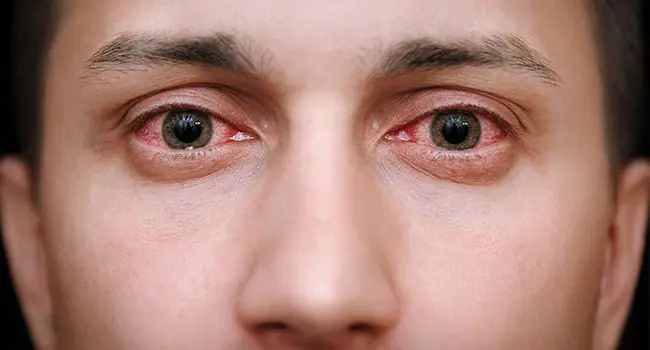
Burning eyes can feel like heat, stinging, or a sandy, gritty irritation on the surface of the eye.
The sensation may affect one eye or both, and it can come on suddenly or build up slowly over hours.
Some people describe it as similar to soap getting into the eye, even when nothing has touched it.
It often gets worse with screen use, wind exposure, bright light, or after a long day of wearing contact lenses.
Common Symptoms That Come With Burning Eyes
Burning rarely shows up alone. It usually travels with a handful of other symptoms that hint at the underlying cause.
| Symptom | Possible Meaning |
|---|---|
| Redness | Irritation, allergy, or infection |
| Watery eyes | Dry eye rebound tearing or allergy |
| Itching | Allergic reaction |
| Discharge or crusting | Bacterial or viral infection |
| Light sensitivity | Inflammation or corneal irritation |
| Blurred vision | Dryness or a more serious eye issue |
| Eyelid swelling | Allergy, stye, or blepharitis |
If burning is paired with vision loss, severe pain, or facial rash, it needs urgent medical attention rather than home care.
Top Causes of Burning Eyes
Burning eyes have a wide range of triggers, from simple dryness to underlying medical conditions. Below are the most common ones seen in eye clinics.
1. Dry Eye Syndrome
Dry eye happens when your tear glands don’t produce enough tears, or the tears you make evaporate too fast.
This is one of the leading causes of burning eyes, especially in people over 50 or those who use screens for long hours.
Symptoms include burning, a gritty feeling, and fluctuating blurry vision that improves briefly after blinking.
2. Allergic Reactions
Pollen, pet dander, dust mites, and mold can trigger allergic conjunctivitis, which causes burning along with itching and redness.
Seasonal allergies tend to affect both eyes at once and often come with sneezing or a runny nose.
3. Digital Eye Strain
Staring at screens reduces your blink rate by nearly half, which dries out the eye’s surface.
This is sometimes called computer vision syndrome, and it causes burning, fatigue, and mild headaches after long work sessions.
4. Chemical Exposure
Shampoo, chlorine, sunscreen, makeup, and cleaning products are common irritants that cause immediate burning on contact.
Rinsing with clean water right away can prevent further irritation or corneal damage from stronger chemicals.
5. Contact Lens Overuse
Wearing lenses too long, sleeping in them, or not cleaning them properly can starve the cornea of oxygen.
This leads to burning, redness, and in some cases a painful corneal infection that needs prompt treatment.
6. Conjunctivitis (Pink Eye)
Pink eye is inflammation of the thin membrane covering the eye, caused by viruses, bacteria, or allergens.
It’s highly contagious in its viral and bacterial forms and usually causes burning, discharge, and a gritty feeling.
7. Blepharitis
Blepharitis is inflammation along the eyelid margins, often caused by clogged oil glands or bacteria.
It leads to burning, crusting at the lash line, and a sensation that something is stuck in the eye.
8. Sunburn of the Eye (Photokeratitis)
Too much UV exposure from sunlight, tanning beds, or snow glare can literally sunburn the surface of the eye.
Symptoms usually appear hours after exposure and include intense burning, tearing, and sensitivity to light.
9. Sjögren’s Syndrome and Autoimmune Conditions
This autoimmune disorder reduces moisture production throughout the body, including the tear glands.
It causes chronic dry, burning eyes along with dry mouth, and often needs long-term management from a specialist.
10. Medication Side Effects
Antihistamines, decongestants, blood pressure medications, and some antidepressants can reduce tear production.
If burning started after a new prescription, it’s worth mentioning to the doctor who prescribed it.
11. Shingles Near the Eye
Shingles caused by the varicella-zoster virus can spread to the eye and trigger burning, crusting, and redness.
This requires prompt antiviral treatment since it can threaten vision if left untreated.
Environmental and Lifestyle Triggers
Beyond medical causes, everyday environmental factors are behind a large share of burning eye complaints.
Strong wind, low humidity, air conditioning, and smoke can all dry out and irritate the eye’s surface.
High pollen counts and dusty environments make burning worse for people who already have sensitive eyes.
Swimming pools with heavy chlorine content are a classic and very common trigger for temporary burning.
Digital Eye Strain and Screen Time
Modern lifestyles mean most people spend six or more hours a day looking at a screen.
During focused screen work, blink rate drops sharply, which lets the tear film evaporate faster than normal.
The 20-20-20 rule helps: every 20 minutes, look at something 20 feet away for 20 seconds.
Adjusting screen brightness, increasing text size, and using a humidifier can also reduce screen-related burning.
When Burning Eyes Signal Something Serious
Most burning eye cases are mild, but certain warning signs mean you should not wait it out at home.
| Warning Sign | Why It Matters |
|---|---|
| Sudden vision loss | Could indicate a serious eye emergency |
| Severe eye pain | May signal infection or injury |
| Facial rash with eye burning | Possible shingles near the eye |
| High sensitivity to light | Sign of inflammation or corneal issue |
| Burning after chemical splash | Risk of permanent eye damage |
| Fever with eye symptoms | Could indicate systemic infection |
If any of these appear, seek same-day care from an eye doctor or emergency room instead of trying home remedies first.
Burning Eyes and Weather Changes
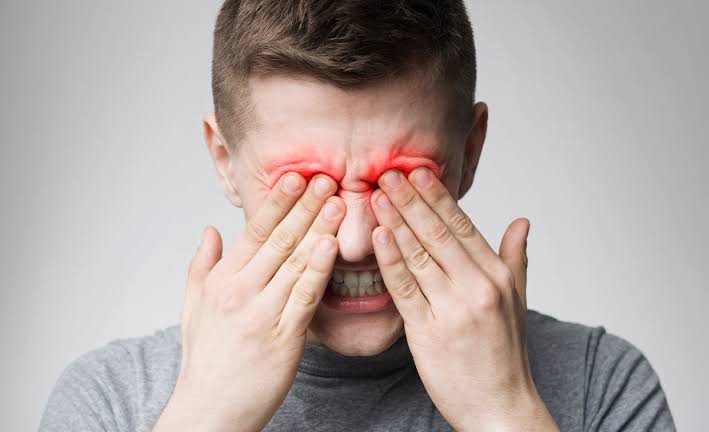
Weather is one of the most overlooked triggers behind sudden burning eye episodes.
Dry, windy days pull moisture away from the eye’s surface faster than the tear glands can replace it.
Cold winter air combined with indoor heating creates a double dose of low humidity that worsens dryness.
High pollen seasons in spring and fall often bring a spike in allergy-related burning across many regions.
Wearing wraparound sunglasses on windy or high-pollen days can significantly cut down on exposure and irritation.
Occupational and Indoor Air Causes
Certain jobs and indoor environments make people more prone to chronic eye burning.
Office workers under fluorescent lighting and constant air conditioning often report daily burning by mid-afternoon.
Hairdressers, cleaners, and factory workers face regular exposure to fumes and chemical vapors that irritate the eyes.
Poor indoor air quality, including mold or dust buildup in HVAC systems, can cause ongoing low-grade burning.
Using an air purifier and taking outdoor breaks can reduce symptoms for people in these environments.
How to Choose the Right Eye Drops
Not all eye drops are built for the same problem, so picking the right one matters.
| Drop Type | Best For |
|---|---|
| Artificial tears (preservative-free) | Mild dryness, screen strain |
| Antihistamine drops | Allergy-related burning and itching |
| Lubricating gel drops | Nighttime dryness, moderate to severe cases |
| Antibiotic drops | Bacterial infections (prescription only) |
| Redness-relief drops | Occasional use only, not for daily burning |
Avoid long-term daily use of redness-relief drops, since they can cause rebound redness and worsen symptoms over time.
Preservative-free formulas are generally gentler for people who need drops multiple times a day.
How Long It Takes to Recover from Burning Eyes
Recovery time depends heavily on what caused the burning sensation in the first place.
Mild dryness or irritant exposure often improves within a few hours to a day after removing the trigger.
Allergic reactions typically settle within one to two days once antihistamines or allergen avoidance kicks in.
Infections like bacterial conjunctivitis usually clear within a week with proper antibiotic treatment.
Chronic conditions like dry eye syndrome or Sjögren’s syndrome require ongoing management rather than a one-time fix.
How Doctors Diagnose Burning Eyes
An eye doctor typically starts by asking when the burning began and what makes it better or worse.
They will review your medical history, current medications, and any recent exposure to allergens or chemicals.
A slit-lamp exam lets the doctor closely inspect the cornea, eyelids, and tear film for signs of damage.
In some cases, they may run a tear production test or allergy testing to pinpoint the exact cause.
Natural and Alternative Approaches Worth Knowing
Some people look for natural ways to ease burning eyes alongside standard medical treatment.
Warm compresses remain one of the most effective natural remedies for unclogging oil glands and easing burning.
Omega-3 supplements, whether from fish oil or flaxseed oil, are commonly recommended to support tear quality.
Limiting caffeine and alcohol can help, since both are mild diuretics that reduce overall body hydration.
These approaches work best as a supplement to, not a replacement for, professional treatment when symptoms are persistent.
Treatment Options for Burning Eyes
Treatment depends entirely on what’s causing the burning sensation in the first place.
| Cause | Common Treatment |
|---|---|
| Dry eye | Artificial tears, prescription drops, punctal plugs |
| Allergies | Antihistamine eye drops, oral antihistamines |
| Bacterial conjunctivitis | Antibiotic eye drops |
| Blepharitis | Warm compresses, lid scrubs, antibiotic ointment |
| Digital eye strain | Blink breaks, blue light filters, lubricating drops |
| Chemical exposure | Immediate rinsing, medical evaluation if severe |
| Sjögren’s syndrome | Specialist care, moisture-retaining therapies |
Over-the-counter lubricating drops resolve mild burning for many people within a day or two.
Persistent or worsening symptoms usually need a prescription-strength treatment from an eye care provider.
Home Remedies to Soothe Burning Eyes
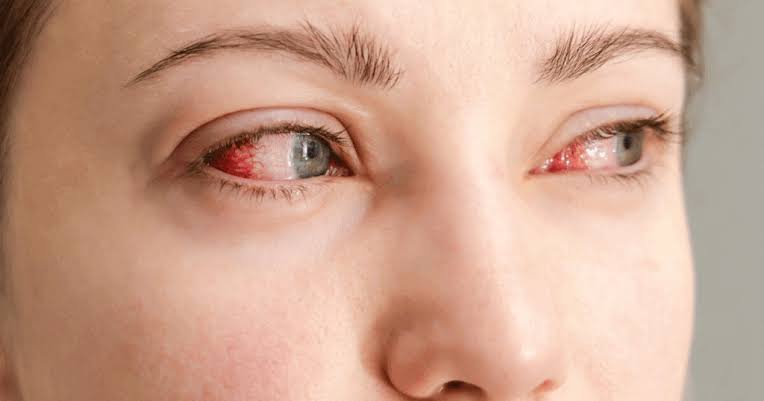
Several simple remedies can ease mild burning caused by dryness, allergies, or minor irritation.
- Apply a clean, warm compress over closed eyes for 5 to 10 minutes.
- Use preservative-free artificial tears throughout the day.
- Clean eyelid margins gently with a mild cleanser like diluted baby shampoo.
- Avoid rubbing the eyes, which can worsen irritation and introduce bacteria.
- Stay hydrated and consider omega-3 supplements to support tear quality.
- Run a humidifier in dry indoor environments, especially in winter.
These remedies work well for mild, short-term burning but are not a substitute for a proper diagnosis.
Burning Eyes vs Other Eye Discomfort: Quick Comparison
It helps to know how burning differs from other common eye complaints so you can describe it accurately.
| Sensation | Typical Cause |
|---|---|
| Burning | Dryness, irritants, allergies, infection |
| Aching or pressure | Eye strain, sinus issues, glaucoma (rare) |
| Sharp, stabbing pain | Corneal scratch or foreign object |
| Throbbing pain | Infection, inflammation, or injury |
Describing the exact feeling to your doctor, rather than just saying “my eye hurts,” speeds up an accurate diagnosis.
How to Prevent Burning Eyes
Prevention is often easier than treatment once the underlying triggers are identified.
Replace contact lenses on schedule and never sleep in lenses that aren’t approved for overnight wear.
Wear sunglasses with UV protection outdoors to guard against sunburn-related eye irritation.
Take regular screen breaks and keep screens at eye level to reduce strain during long work sessions.
Wash hands often and avoid touching your eyes, especially during allergy season or cold and flu season.
Burning Eyes in Children vs Adults
Children more often develop burning eyes from allergies, pink eye, or rubbing their eyes with dirty hands.
Adults are more likely to experience burning from dry eye syndrome, screen strain, or contact lens wear.
Regardless of age, persistent burning that lasts more than two days deserves a proper eye exam.
Teenagers who spend heavy hours gaming or studying on screens also show rising rates of screen-related burning, similar to adults.
Burning Eyes at Night vs During the Day
Eyes that burn mostly at night often point to reduced tear production while sleeping with eyes slightly open.
This condition, called nocturnal lagophthalmos, leaves the cornea exposed and dry by morning.
Daytime burning is more commonly linked to screen use, wind, allergens, or long hours in air-conditioned rooms.
Tracking when the burning is worse can help your doctor narrow down the likely cause faster.
Burning Eyes Combined with Other Symptoms
Burning rarely travels alone, and the symptoms around it often reveal the real cause.
| Combination | Likely Cause |
|---|---|
| Burning + itching | Allergic reaction |
| Burning + discharge | Bacterial or viral infection |
| Burning + headache | Digital eye strain or uncorrected vision |
| Burning + facial rash | Shingles near the eye |
| Burning + dry mouth | Sjögren’s syndrome |
| Burning + swelling | Stye, blepharitis, or allergy |
Matching your symptom combination to this table gives you a strong starting point before your appointment.
Risk Factors That Make Burning Eyes More Likely
Certain habits and health conditions raise the chances of developing burning eyes more often.
Spending long hours in air-conditioned or heated indoor spaces reduces humidity and dries out the tear film.
Smoking, or regular exposure to secondhand smoke, is a well-known irritant that triggers chronic burning.
Older adults produce fewer tears naturally, which makes dry eye-related burning more common with age.
People with existing allergies, rosacea, or autoimmune conditions face a higher baseline risk of recurring symptoms.
Common Myths About Burning Eyes
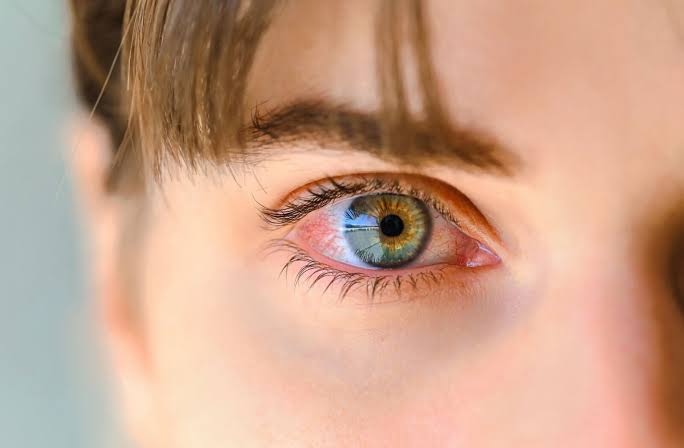
There’s a lot of misinformation floating around about what causes burning eyes and how to treat them.
Myth: Burning eyes always mean an infection. In reality, dryness and allergies cause burning far more often than infections do.
Myth: Rubbing your eyes helps relieve burning. Rubbing actually worsens irritation and can transfer bacteria into the eye.
Myth: Redness always accompanies burning. Many dry eye and screen strain cases cause burning with little to no visible redness.
Myth: Only allergy season causes burning eyes. Indoor allergens like dust and pet dander trigger symptoms year-round.
Diet and Lifestyle Tips for Long-Term Eye Comfort
Certain daily habits support tear quality and reduce how often burning episodes happen.
Foods rich in omega-3 fatty acids, like salmon and flaxseed, support healthier tear film production over time.
Drinking enough water throughout the day helps maintain overall moisture levels, including in the eyes.
Reducing screen brightness in the evening and using warm color settings can ease strain before bed.
Getting consistent, quality sleep gives the eyes time to rest and naturally rehydrate overnight.
Burning Eyes and Contact Lens Wearers: Extra Precautions
Contact lens wearers face a higher risk of burning eyes due to reduced oxygen flow to the cornea.
Always wash hands before handling lenses, and replace lens cases every one to three months.
Avoid wearing lenses while swimming, showering, or sleeping unless they’re specifically approved for extended wear.
Switching to daily disposable lenses can reduce burning caused by protein buildup on reused lenses.
Frequently Asked Questions (FAQs)
1. Why is my eye burning for no reason?
Burning without an obvious cause is often due to dry eye or unnoticed screen strain. It can also follow mild allergen exposure you didn’t notice.
2. Why does my eye burn when I blink?
Burning while blinking usually points to dryness or a small irritant on the eye’s surface. It can also signal early blepharitis.
3. Can stress cause burning eyes?
Yes, stress can reduce blink rate and disrupt sleep, both of which dry out the eyes. It’s an indirect but real trigger.
4. Is burning eyes a symptom of COVID-19?
Burning eyes have been reported as an uncommon COVID-19 symptom in some patients. It usually appears alongside fever or fatigue.
5. Why does one eye burn but not the other?
One-sided burning often comes from a localized irritant, stye, or minor injury. Infections can also start in just one eye.
6. How long do burning eyes usually last?
Mild burning from dryness or irritants often clears within a day or two with rest and drops. Persistent burning needs medical evaluation.
7. Can allergies cause burning eyes without itching?
Yes, some allergic reactions cause more burning than itching, especially with chemical or fragrance sensitivities. It varies by person.
8. Should I wear contacts if my eyes are burning?
No, it’s best to switch to glasses until the burning resolves. Contacts can trap irritants and worsen inflammation.
9. What eye drops help with burning eyes?
Preservative-free artificial tears are the safest first option for mild burning. Antihistamine drops help if allergies are the cause.
10. When should I see a doctor for burning eyes?
See a doctor if burning lasts more than two days or comes with pain, discharge, or vision changes. Sudden severe symptoms need urgent care.
Conclusion
Burning eyes are uncomfortable, but they’re rarely a mystery once you look at the full picture of symptoms, triggers, and timing.
Most cases trace back to dry eyes, allergies, screen strain, or minor environmental irritants, and these usually respond well to lubricating drops, warm compresses, and simple lifestyle changes.
Some causes, like infections, chemical burns, or autoimmune conditions, need proper medical treatment rather than home care alone.
Pay attention to accompanying symptoms like vision changes, severe pain, or discharge, since these are signs to see an eye doctor promptly.
With the right diagnosis and consistent eye care habits, most people find lasting relief from burning, stinging, and irritated eyes within a short time.
