

Why is my freezer frosting up? If you’ve opened your freezer and found thick layers of ice coating the walls, shelves, and food, you’re not alone.
Freezer frost forms when warm, moist air enters the freezer compartment and freezes on cold surfaces like the evaporator coils.
While a thin frost layer is normal, heavy buildup signals an underlying problem.
Why Is My Freezer Frosting Up
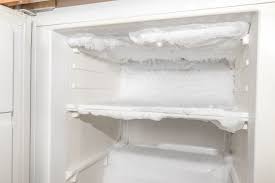
Frost builds up in your freezer when warm, humid air meets cold surfaces inside.
The evaporator coils sit at the coldest point in your freezer. Any moisture that touches them instantly freezes. Over time, that thin layer of ice grows thicker and thicker.
A frost-free freezer is designed to prevent this with an automatic defrost cycle. When any part of that system breaks down, or when warm air keeps sneaking in, frost starts piling up fast.
Reason 1: Damaged or Worn-Out Door Seal (Gasket)
A damaged door gasket is the single most common reason a freezer keeps frosting up.
The gasket is the rubber strip that runs around the edge of your freezer door. Its job is to create an airtight seal every time the door closes. When it cracks, tears, or loses its flexibility, warm humid air leaks inside constantly.
That moisture immediately freezes on contact with the cold interior walls and evaporator coils. You end up with frost that keeps coming back no matter how many times you scrape it off.
How to Check Your Door Gasket
Do the dollar bill test. Place a dollar bill halfway inside the door and close it firmly. If you can pull the bill out without any resistance, your gasket has lost its seal and needs replacing.
Also run your hand along the entire gasket looking for visible cracks, tears, hardened spots, or sections that don’t sit flush against the door frame.
Where Frost Appears With a Bad Gasket
Frost near the front edges of the freezer, along the door interior, or concentrated in one corner almost always points directly to a gasket problem at that exact spot.
Fix
Clean the gasket with warm soapy water first. Sometimes dirt and food debris stop it from sealing properly. If damage is visible, replace the gasket. This is a relatively affordable DIY repair for most freezer models.
Reason 2: Freezer Door Left Open or Not Fully Closed
Leaving the freezer door open even slightly is one of the fastest ways to cause frost buildup.
Every second the door stays ajar, room-temperature air rushes in. That warm air carries humidity. The moment it hits the cold interior, it freezes. Even a door that’s not quite latching properly can allow enough warm air to cause significant frost overnight.
Common Causes of a Door That Won’t Close Fully
- Food or containers blocking the door path
- A shelf or drawer that’s slightly out of position
- The freezer is not level, causing the door to swing open
- Hinge sag on older appliances
Fix
Check that nothing inside is blocking the door from closing. Make sure the freezer is sitting level on the floor. Adjust the leveling feet if needed so the door swings shut on its own. Replace worn hinges if the door sags.
Reason 3: Faulty Defrost Timer
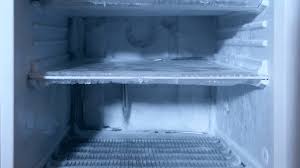
Modern frost-free freezers run automatic defrost cycles several times a day. The defrost timer is what controls when the freezer switches from cooling mode into defrost mode.
If the timer gets stuck or fails, the freezer stays in constant cooling mode. Without regular defrost cycles, frost accumulates on the evaporator coils and never gets melted away. Within days you can end up with a thick block of ice behind the back interior panel.
Symptoms of a Faulty Defrost Timer
- Frost builds up very quickly after manually defrosting
- The freezer seems to run constantly without cycling off
- You hear the compressor running non-stop
Fix
A mechanical defrost timer can be manually advanced with a screwdriver. Turn it slowly until it clicks. The compressor and fans should shut off. If the defrost heater turns on, the timer itself is defective and needs to be replaced. Electronic control boards that handle defrost timing typically require a technician to diagnose.
Reason 4: Defrost Heater Not Working
The defrost heater is a heating element that wraps around or sits near the evaporator coils. It turns on during each defrost cycle to melt any frost that has built up on the coils.
When the defrost heater fails, frost accumulates on the coils without interruption. Eventually the coils become completely encased in ice. At that point the evaporator fan can’t push air through properly, and your whole freezer loses cooling efficiency.
A Key Warning Sign
You may hear a clicking or rattling sound when the freezer fan runs. That clicking means the frost has built up so thick that it’s hitting the fan blades. This is a serious sign the defrost heater has stopped working entirely.
Fix
A technician can test the defrost heater with a multimeter for continuity. If the heater has no continuity, it must be replaced. This is generally not a DIY repair unless you’re experienced with appliance electronics.
Reason 5: Defrost Thermostat Malfunction
The defrost thermostat monitors the temperature of the evaporator coils. It tells the defrost heater when to switch on and when to shut off.
If the thermostat is defective, it may never signal the heater to turn on. The result is the same as a broken defrost heater — frost keeps building up on the coils unchecked.
The defrost thermostat typically requires the coil temperature to drop below 30°F before allowing the heater to activate. A faulty thermostat that doesn’t read temperature correctly will interrupt this entire cycle.
Fix
Test the thermostat with a multimeter for continuity when cold. No continuity means the thermostat is defective and needs replacement. This repair is manageable for an experienced DIYer but is usually done alongside checking the heater and timer as a set.
Reason 6: Overpacked Freezer Blocking Airflow
Stuffing your freezer too full is a surprisingly common cause of frost buildup that most people overlook.
A freezer needs airflow to work efficiently. Cold air has to circulate freely around all the food items. When you overpack the freezer, you block the internal vents. Restricted airflow causes moisture to pool in certain areas and freeze, creating uneven but persistent frost buildup.
Signs Your Freezer Is Overpacked
- Frost concentrated near the back vents or in specific corners
- Some items freeze solid while others seem less cold
- The compressor runs almost constantly
Fix
Remove items to allow clear space around the interior vents. Organize food with a few centimeters of space between items and the back wall. Proper airflow reduces moisture buildup and helps your freezer cool more evenly and efficiently.
Reason 7: Placing Hot or Warm Food Directly in the Freezer
Putting warm or hot food directly into the freezer adds a significant burst of humidity to the interior.
That steam and moisture immediately contacts the cold walls and evaporator coils. It freezes fast. If you do this regularly, layers of frost accumulate quickly and your defrost system may not be able to keep up.
Fix
Always let food cool to room temperature before placing it in the freezer. If you need to freeze something quickly, use shallow containers to speed up the cooling process before it goes in. This simple habit alone can dramatically reduce frost buildup over time.
Frost Location Guide: What the Pattern Tells You
The location of frost inside your freezer can help you diagnose the exact cause quickly.
| Frost Location | Most Likely Cause |
|---|---|
| Near the door edges or front corners | Damaged door gasket |
| All over interior surfaces | Warm air constantly entering (door or gasket) |
| Back wall and near rear vents | Defrost system failure or blocked vents |
| On evaporator coils behind back panel | Defrost heater, timer, or thermostat failure |
| One concentrated spot | Gasket leak at that exact point |
| Fan area (with clicking sound) | Severe coil frost from failed defrost heater |
How to Manually Defrost Your Freezer (Step-by-Step)
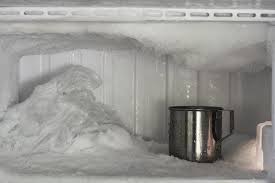
If frost has already built up heavily, a manual defrost is the necessary first step before any fix takes effect.
Step 1: Unplug the freezer and remove all food. Store food in a cooler with ice.
Step 2: Leave the door open and place towels around the base to catch melting water.
Step 3: Allow the frost to melt naturally. You can speed this up by placing a bowl of hot water inside and closing the door for 15–20 minutes.
Step 4: Once all ice has melted, wipe the interior completely dry with clean towels.
Step 5: Check the door gasket, vents, and all internal components before plugging back in.
Step 6: Plug the freezer in and allow it to reach temperature before restocking with food.
Prevention Tips: How to Stop Your Freezer Frosting Up Again
Fixing the cause is essential, but prevention keeps the problem from returning.
| Prevention Tip | Why It Works |
|---|---|
| Check door seal every 3–6 months | Catches gasket wear early before frost builds |
| Never put hot food in the freezer | Reduces moisture introduced at source |
| Label food so you open the door less | Minimizes warm air entry per day |
| Keep freezer 75–80% full (not packed) | Maintains ideal airflow without overpacking |
| Set temperature to 0°F (-18°C) | Optimal setting for frost-free operation |
| Level the freezer properly | Ensures door closes and seals every time |
| Clean gasket monthly with soapy water | Removes debris that breaks the seal |
When to Call a Professional
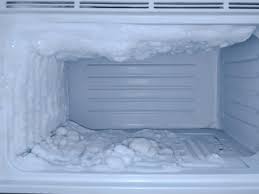
Some freezer frost problems are simple DIY fixes. Others require a licensed appliance technician.
Call a professional if the frost returns within days of a manual defrost. This almost always means a defrost system component has failed. Testing and replacing the defrost heater, timer, or thermostat involves removing interior panels and working with electrical components.
If your freezer is still under warranty, always hire a licensed appliance repair expert. DIY repairs can void the warranty and cost you more in the long run.
A technician can diagnose the full defrost system quickly with a multimeter and typically complete the repair in a single visit if parts are available.
Summary: 7 Reasons Your Freezer Is Frosting Up
| # | Cause | DIY Fix? | Urgency |
|---|---|---|---|
| 1 | Damaged door gasket | Yes | High |
| 2 | Door left open or not closing fully | Yes | High |
| 3 | Faulty defrost timer | Partial | Medium |
| 4 | Defrost heater failure | No | High |
| 5 | Defrost thermostat malfunction | No | Medium |
| 6 | Overpacked freezer blocking airflow | Yes | Medium |
| 7 | Hot food placed directly in freezer | Yes | Low |
Frequently Asked Questions (FAQs)
Why does my freezer keep frosting up even after I defrost it?
If frost returns quickly after defrosting, the defrost system has likely failed. A faulty defrost heater, timer, or thermostat means frost will keep building until the broken component is replaced.
Is it normal to have some frost in my freezer?
A very thin layer of frost is normal, especially in older or manual-defrost models. Heavy or rapid frost buildup is not normal and signals a problem that needs attention.
How often should I manually defrost my freezer?
Manual-defrost models should be defrosted when frost reaches about ¼ inch thick, typically every 1–2 months. Frost-free models should not need manual defrosting if the defrost system works correctly.
Can a bad door seal really cause that much frost?
Yes. Even a small gap in the door gasket lets in warm, humid air continuously. That constant moisture input easily overwhelms the defrost system and creates rapid frost accumulation.
Why is there frost only on one side of my freezer?
Frost in one specific spot almost always means the door gasket is leaking at that location. Do the dollar bill test along the entire gasket to find exactly where the seal has failed.
Does the temperature setting affect frost buildup?
Yes. Setting the freezer colder than necessary (below 0°F or -18°C) can cause the defrost cycle to run less effectively. Keep the temperature at 0°F for optimal frost-free performance.
Can overpacking cause frost?
Yes. Overpacking blocks the internal air vents, restricts cold air circulation, and causes moisture to pool in certain areas and freeze. Keep the freezer about 75–80% full for best results.
How do I know if my defrost heater is broken?
If you hear a clicking sound when the freezer fan runs, the frost has grown thick enough to hit the fan blades — a strong sign the defrost heater has failed. A technician can confirm with a multimeter test.
Is freezer frost dangerous for food?
Frost itself won’t make food unsafe to eat, but heavy frost buildup leads to freezer burn. Freezer burn dries out food, ruins texture, and creates unpleasant odors. It also signals that food isn’t being stored at a stable temperature.
How much does it cost to fix a freezer that keeps frosting up?
DIY fixes like replacing a door gasket typically cost $20–$60 in parts. Professional repairs for a defrost heater, timer, or thermostat generally run $100–$250 including labor, depending on the appliance brand and your location.
Conclusion
Why is my freezer frosting up is one of the most common appliance questions homeowners face.
As this guide shows, the answer almost always comes down to one of seven causes: a damaged door gasket, a door that won’t fully close, a faulty defrost timer, a broken defrost heater, a malfunctioning defrost thermostat, an overpacked interior, or the habit of placing hot food inside.
The good news is that many of these problems are affordable and straightforward to fix.
Start with the simplest checks first — inspect the door seal, check that the door closes fully, and look at how your freezer is packed.
If frost keeps coming back after a manual defrost, the problem is almost certainly inside the defrost system and worth a professional diagnosis.
Catching these issues early keeps your freezer running efficiently, protects your food, and saves you money on energy bills.
Don’t let frost buildup go unchecked — a small repair today prevents a full appliance replacement tomorrow.
