

Why do my gums suddenly hurt is a question millions of people ask every year, and the answer is rarely simple.
Gum pain can appear without warning, making it hard to eat, brush, or even speak comfortably.
The causes range from something as minor as brushing too hard to something as serious as a dental abscess.
Understanding the root cause of your gum discomfort is the first step to finding real relief.
What Do Healthy Gums Look Like?
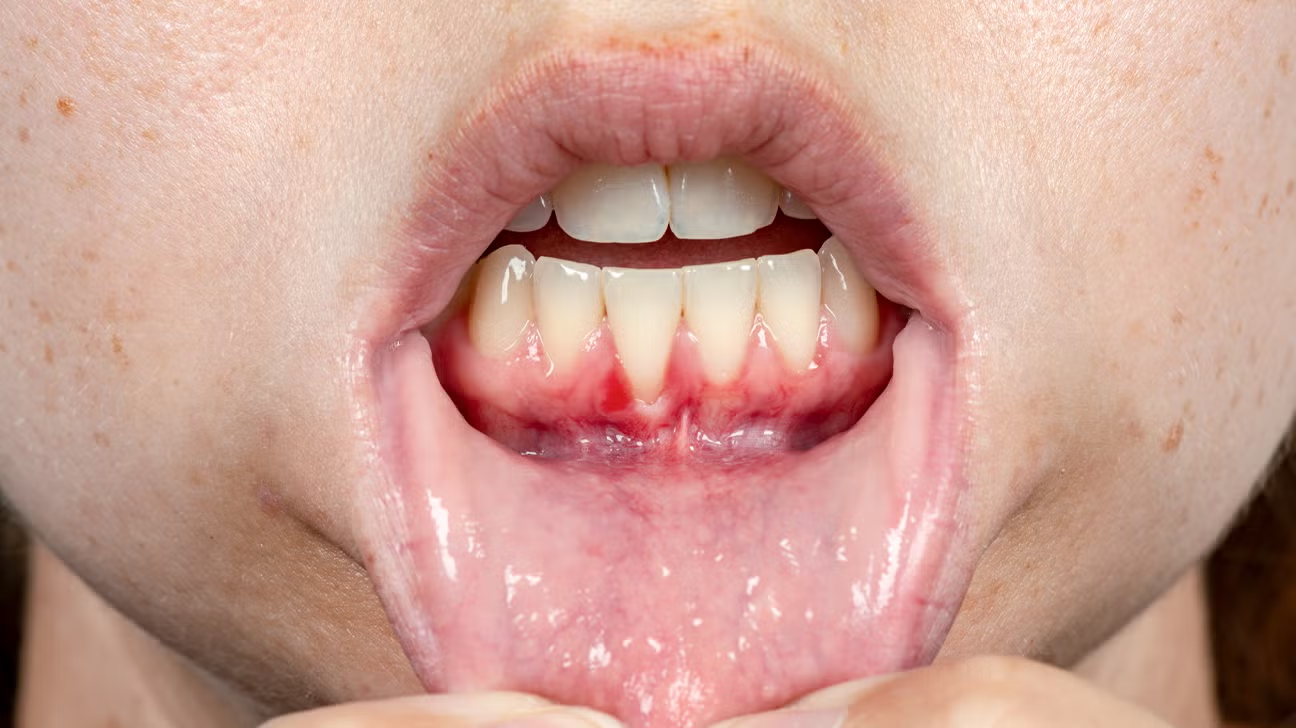
Healthy gums are firm, pale pink, and fit snugly around each tooth. They do not bleed during normal brushing or flossing.
When gums turn red, feel puffy, or bleed easily, it means inflammation is present. Pain is your body signaling that something needs attention.
Common Causes of Sudden Gum Pain
Gingivitis (Early Gum Disease)
Gingivitis is one of the most frequent reasons why gums hurt without warning. Plaque, a sticky film of bacteria, builds up along the gum line and causes irritation, redness, and swelling.
About 2 in 5 adults have some form of gum disease. The good news is that gingivitis is fully reversible with proper brushing, flossing, and professional cleaning.
If left untreated, gingivitis can advance into periodontitis, a more serious infection that damages the bone holding your teeth in place.
Periodontitis (Advanced Gum Disease)
Periodontitis is the advanced stage of gum disease. The infection reaches deep under the gum line, attacking the bone and tissue that support your teeth.
You may notice loose teeth, pus near the gum line, persistent bad breath, or a dull aching pain. This stage requires professional periodontal treatment, not just better brushing at home.
Deep cleaning (scaling and root planing) is the most common treatment at this stage to remove bacteria from below the gum line.
Brushing or Flossing Too Hard
Aggressive brushing is a surprisingly common cause of sudden gum soreness. Using a hard-bristled brush or scrubbing back and forth with force damages delicate gum tissue.
The same applies to flossing. Snapping the floss harshly between teeth can cut or bruise the gums, leaving them sore for a day or two.
Always use a soft-bristled toothbrush and gentle circular motions to protect your gum tissue over time.
Canker Sores (Mouth Ulcers)
Canker sores are small, round ulcers that form on the gums, inner cheeks, or tongue. They have a white or yellow center with a red border and can be surprisingly painful.
Common triggers include stress, minor mouth injuries, acidic foods, hormonal shifts, and vitamin deficiencies. Most canker sores heal on their own within one to two weeks.
Avoid spicy, salty, and acidic foods while the sore heals. Over-the-counter numbing gels can provide short-term relief.
Dental Abscess or Tooth Infection
A dental abscess is a pocket of pus caused by a bacterial infection. It creates intense, throbbing pain that can radiate to the jaw, ear, or neck.
An abscessed tooth is a dental emergency. The infection will not resolve on its own and can spread to surrounding tissue if left untreated.
See a dentist immediately if you notice swelling, pus, a foul taste in your mouth, or fever alongside gum pain.
Wisdom Teeth Eruption
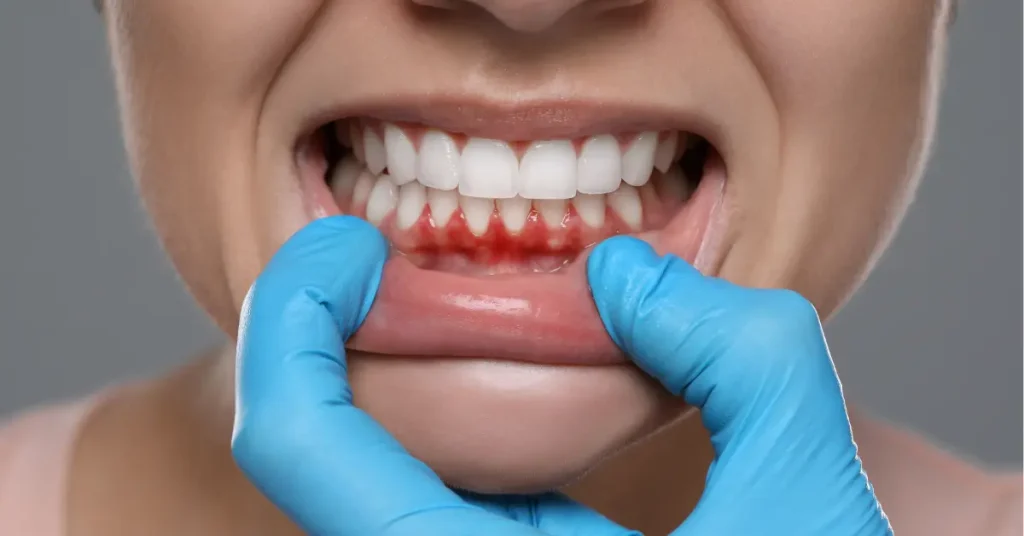
Wisdom teeth, the third molars, typically emerge between the ages of 17 and 25. As they push through the gum, the surrounding tissue becomes swollen, red, and painful.
A condition called pericoronitis occurs when a flap of gum tissue partially covers an erupting wisdom tooth, trapping food and bacteria underneath. This causes significant localized pain and sometimes a bad taste or odor.
Warm saltwater rinses can ease temporary discomfort, but a dentist needs to evaluate whether the wisdom tooth requires extraction.
Hormonal Changes
Hormones have a direct impact on gum tissue. During puberty, pregnancy, menstruation, and menopause, increased blood flow to the gums makes them more sensitive and prone to swelling.
Pregnancy gingivitis is a real condition affecting many expectant mothers. Gums may bleed easily, feel tender, or appear more swollen than usual.
Maintaining excellent oral hygiene during hormonal shifts helps reduce the intensity of gum discomfort. Let your dentist know if you are pregnant or experiencing significant hormonal changes.
Gum Recession
Gum recession happens when gum tissue pulls away from the teeth, exposing the sensitive root surfaces. The exposed root is highly sensitive to temperature, touch, and pressure.
Causes include aggressive brushing, untreated gum disease, grinding teeth, and genetics. You may feel a sharp, sudden pain when eating hot or cold foods.
Desensitizing toothpaste can help manage mild sensitivity. Your dentist may recommend a gum graft procedure for more significant recession.
Food Debris Stuck in Gums
Something as simple as a popcorn kernel, fruit seed, or piece of hard food lodged between your tooth and gum can cause immediate, sharp pain and localized swelling.
Carefully floss the area to dislodge the debris. Rinse with warm saltwater to reduce irritation afterward.
If the area remains sore or swollen for more than a day or two, a dentist should check for any signs of infection.
Tobacco Use
Smoking and smokeless tobacco products are deeply damaging to gum tissue. Tobacco reduces blood flow to the gums, masks signs of gum disease, and increases the risk of oral cancer.
People who use tobacco are significantly more likely to develop gum disease than non-smokers. The constant contact between smokeless tobacco and gum tissue creates direct irritation and can cause sores.
Quitting tobacco is one of the most impactful steps you can take for long-term gum health.
Teeth Grinding (Bruxism)
Bruxism is the habit of grinding or clenching teeth, often during sleep. The constant pressure stresses the gums, jaw, and supporting bone.
Signs include worn-down teeth, jaw soreness in the morning, headaches, and tender gums. A custom night guard from your dentist protects teeth and reduces gum stress.
Dental Procedures
Common dental procedures like cleanings, fillings, root canals, and extractions can leave gums feeling sore and tender for a few hours to several days. This is completely normal.
Use over-the-counter pain relievers like ibuprofen as directed. If pain intensifies or does not improve after a week, contact your dentist.
Stress
Stress weakens the immune system, making it harder for the body to fight off oral bacteria. It is also linked to canker sores, teeth grinding, and neglected oral hygiene.
When stress levels rise, make a conscious effort to maintain brushing and flossing routines. Stress management techniques like exercise and adequate sleep also support gum health.
Vitamin Deficiencies
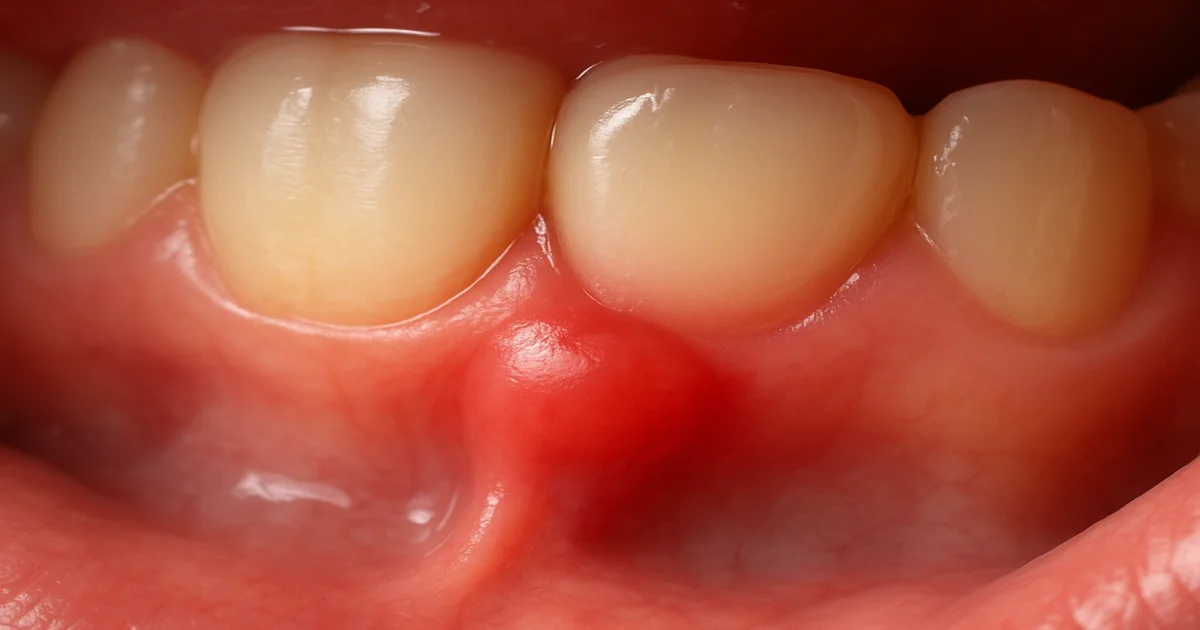
Low levels of vitamin C and vitamin B12 can cause gum soreness, bleeding, and slow healing. Vitamin C in particular is critical for collagen production and gum tissue integrity.
If your gum pain is accompanied by fatigue, slow wound healing, or unusual bruising, a blood test to check vitamin levels is worth discussing with your doctor.
Gum Pain Symptoms and What They May Indicate
| Symptom | Possible Cause |
|---|---|
| Swollen, red gums | Gingivitis or early gum disease |
| Gum pain in one spot | Food debris, abscess, or canker sore |
| Throbbing pain near back teeth | Wisdom tooth eruption or pericoronitis |
| Gum pain with bleeding | Gum disease or aggressive brushing |
| Sharp pain when eating hot/cold foods | Gum recession or exposed tooth root |
| Gum pain with pus or bad taste | Dental abscess (see a dentist immediately) |
| Gum pain during pregnancy | Pregnancy gingivitis from hormonal changes |
| Gum pain with jaw soreness | Bruxism (teeth grinding) |
| White/yellow sore on gum tissue | Canker sore or mouth ulcer |
| Gum pain after dental procedure | Normal post-procedural soreness |
How Long Should Gum Pain Last?
Minor gum irritation from brushing too hard or a small food particle usually clears up within one to two days. Canker sores typically heal within one to two weeks.
Pain that persists beyond a few days, worsens over time, or comes with swelling, pus, or fever is a warning sign that requires professional evaluation.
Never assume gum pain will just go away on its own when infection could be involved.
Home Remedies for Sudden Gum Pain Relief
Warm Saltwater Rinse
Mix one teaspoon of salt into a glass of warm water and swish for 30 seconds, two to three times daily. Salt water reduces inflammation, kills bacteria, and promotes healing.
This is the single most recommended home remedy by dental professionals for general gum soreness and minor infections.
Cold Compress
Apply an ice pack wrapped in a cloth to the outside of your cheek for 10 to 15 minutes. Cold reduces swelling and numbs the area temporarily.
Alternate between applying and removing the cold pack every 15 minutes for best results.
Over-the-Counter Pain Relievers
Ibuprofen (an anti-inflammatory) is particularly effective for gum pain because it addresses both the pain and the underlying inflammation. Acetaminophen relieves pain but does not target inflammation.
Always follow dosage instructions on the packaging and consult a doctor if you have any health conditions that affect medication use.
Clove Oil
Clove oil contains eugenol, a natural anesthetic and antiseptic. Apply a small amount to a cotton ball and gently press it against the sore gum for temporary numbing relief.
Do not apply it undiluted directly to tissue for extended periods. A few minutes is enough for short-term relief.
Turmeric Paste
Turmeric contains curcumin, which has natural anti-inflammatory and antimicrobial properties. Mix a small amount of turmeric powder with water to form a paste and apply it gently to the sore area.
Leave it on for a few minutes before rinsing. Some people use this as a daily gum massage to reduce chronic inflammation.
Aloe Vera Gel
Pure aloe vera gel applied directly to irritated gums can soothe soreness and reduce inflammation. Its antimicrobial properties also help manage bacteria in the mouth.
Make sure you are using food-grade or dental-grade aloe vera, not the kind meant for sunburns.
Hydrogen Peroxide Rinse
Dilute a 3% hydrogen peroxide solution with equal parts water and swish gently for about 30 seconds. This helps reduce bacteria and inflammation in gum tissue.
Do not swallow the rinse. Limit use to a few times per week to avoid disrupting the natural oral microbiome.
Soft Diet Adjustments
While your gums recover, avoid crunchy, spicy, acidic, or very hot foods that can aggravate irritated tissue. Soft foods like yogurt, mashed potatoes, scrambled eggs, and smoothies give your gums a break.
Staying well-hydrated also supports healing by keeping oral tissue moist and reducing bacterial concentration.
At-Home Gum Care Routine to Prevent Pain
| Step | Action | Frequency |
|---|---|---|
| Brush | Use a soft-bristled brush with fluoride toothpaste using gentle circles | Twice daily |
| Floss | Gently slide floss between teeth without snapping | Once daily |
| Rinse | Use an alcohol-free antimicrobial mouthwash | Once daily |
| Hydrate | Drink plenty of water to reduce dry mouth | Throughout the day |
| Check | Look for redness, swelling, or unusual spots | Weekly |
| Visit | Professional cleaning and checkup | Every 6 months |
When to See a Dentist for Gum Pain

Not all gum pain needs a dentist visit. But some situations are urgent and should not be ignored.
See a dentist promptly if you notice:
Gum pain lasting more than one week with no improvement is a clear reason to book an appointment. Waiting too long allows minor problems to develop into major infections.
Swelling that spreads to your jaw, face, or neck is a sign of a serious infection that needs immediate professional care. In rare cases, untreated dental infections can become life-threatening.
Pus, a foul taste, or visible discharge near the gum line indicates an abscess. A dental abscess will not heal without professional drainage and often antibiotics.
Fever alongside gum pain means the infection may be spreading beyond the mouth and requires urgent evaluation.
Loose teeth or significant gum recession paired with pain signals advanced periodontitis that needs specialized periodontal treatment.
Visible lumps or sores on the gum that do not heal within two weeks should be evaluated to rule out oral cancer.
Professional Treatments for Gum Pain
Professional Dental Cleaning (Prophylaxis)
A standard cleaning removes tartar buildup that home brushing cannot reach. This alone resolves many cases of early gingivitis-related gum pain.
Most dentists recommend a professional cleaning every six months to prevent plaque from progressing to tartar and gum disease.
Scaling and Root Planing (Deep Cleaning)
For gum disease that has progressed below the gum line, a deep cleaning removes bacteria from root surfaces and pockets around teeth. It is typically done in quadrants under local anesthetic.
This procedure helps gums reattach to tooth roots and reduces pocket depth over time, improving long-term gum health significantly.
Antibiotics
When a bacterial infection is present, a dentist may prescribe oral antibiotics or use locally applied antibiotic gels placed directly into gum pockets.
Antibiotics treat the infection but do not replace the need for dental procedures to remove the source of bacteria.
Abscess Drainage
A dentist will make a small incision to drain the pus from an abscess, which provides immediate pain relief. The area is then cleaned and the cause (usually an infected tooth) is treated.
After drainage, a root canal or extraction is typically performed to prevent the infection from recurring.
Gum Grafting
For significant gum recession, a gum graft procedure takes tissue from another area of the mouth (or uses donor tissue) to cover exposed roots and restore gum height.
This reduces sensitivity, improves appearance, and protects the root from further decay and damage.
Wisdom Tooth Extraction
When wisdom teeth cause repeated pain, infection, or pericoronitis, extraction is the most effective long-term solution. Removing the problematic tooth eliminates the permanent bacteria trap.
Most wisdom tooth extractions are straightforward outpatient procedures. Recovery typically takes several days to one week.
Gum Pain by Location: What It Might Mean
Gum Pain in One Spot
Localized pain in one specific area often points to a trapped piece of food, a canker sore, a cracked tooth, or a developing abscess near a single tooth.
Check the area carefully with a mirror and floss gently to see if food debris is the culprit before assuming something more serious.
Gum Pain at the Back of the Mouth
Pain in the back of the mouth near the last molars is very commonly linked to wisdom tooth eruption or pericoronitis. It may come with swelling, difficulty opening the mouth, or a bad taste.
Gum Pain in Lower Gums
Lower gum pain can result from the same causes as general gum pain but is particularly associated with impacted lower wisdom teeth, which are the most commonly impacted teeth.
Gum Pain After Eating
If gums hurt specifically after meals, food particles may be getting lodged in deep gum pockets or between teeth. This is often a sign that gum pockets need professional evaluation and cleaning.
Acidic or spicy foods can also temporarily inflame already-irritated gum tissue.
Gum Pain at Night
Nighttime gum pain that is paired with jaw soreness in the morning is a strong indicator of bruxism. The clenching and grinding during sleep puts significant stress on the gums and jaw.
A custom-fitted night guard from your dentist provides immediate protection and reduces the stress placed on gum tissue while you sleep.
Foods That Help and Hurt Inflamed Gums
| Avoid These | Choose These Instead |
|---|---|
| Spicy foods | Plain yogurt |
| Acidic fruits (citrus, tomatoes) | Bananas and melons |
| Crunchy chips or crackers | Soft cooked vegetables |
| Very hot drinks | Cool water |
| Alcohol | Herbal teas (chamomile) |
| Sugary snacks | Eggs or soft proteins |
Gum Health and Overall Body Health
Gum disease is not just a dental problem. Research has linked chronic gum inflammation to a number of systemic health conditions, including heart disease, diabetes, and respiratory problems.
Bacteria from infected gums can enter the bloodstream and contribute to inflammation throughout the body. This is why dentists and doctors increasingly emphasize treating gum disease promptly.
Taking care of your gums is genuinely an investment in your overall health, not just your smile.
How to Prevent Sudden Gum Pain
Preventing gum pain starts with consistent, correct oral hygiene. Brush twice daily with a soft-bristled toothbrush using gentle pressure and circular strokes.
Floss once daily to remove plaque from between teeth where your toothbrush cannot reach. Use an alcohol-free antimicrobial mouthwash to reduce bacteria throughout the mouth.
Visit your dentist every six months for professional cleanings and checkups. Early intervention is far easier, less expensive, and less painful than treating advanced gum disease.
Eat a balanced diet rich in vitamin C and calcium to support gum tissue strength. Drink plenty of water to flush away food debris and bacteria between brushings.
Avoid tobacco in all forms. Quit smoking if you currently smoke, and speak with your dentist about resources to help you do so.
Manage stress through exercise, adequate sleep, and relaxation techniques. Stress-related habits like bruxism and neglected oral care are significant contributors to gum problems.
Frequently Asked Questions (FAQs)
Why do my gums suddenly hurt for no reason?
Gums often hurt due to causes that are not immediately obvious, such as early gingivitis, a lodged food particle, hormonal changes, or a developing canker sore. A dentist can identify the exact cause.
Can stress cause sudden gum pain?
Yes. Stress weakens immune defenses, triggers canker sores, promotes teeth grinding, and often leads to neglected oral hygiene, all of which can cause or worsen gum pain.
Is it normal for gums to hurt after brushing?
Mild, brief discomfort during brushing can happen if you brush too hard. Persistent pain after brushing, especially with bleeding, suggests gingivitis or over-aggressive technique.
How do I stop gum pain fast at home?
Rinse with warm salt water, apply a cold compress to your cheek, and take ibuprofen as directed. These three steps address inflammation and pain quickly for most minor causes.
Can gum pain go away on its own?
Minor pain from brushing too hard or a small canker sore often resolves in one to two days. Pain from infection or gum disease will not improve without treatment.
What does a gum abscess feel like?
A gum abscess causes intense, throbbing pain that may radiate to the jaw or ear. You may also notice visible swelling, pus, a bad taste, and sometimes a fever.
Does pregnancy cause gum pain?
Yes. Hormonal changes during pregnancy increase blood flow to the gums, making them more sensitive, swollen, and prone to bleeding. This condition is called pregnancy gingivitis.
When should I go to the emergency dentist for gum pain?
Go immediately if you have severe throbbing pain, visible swelling spreading to the face or neck, pus discharge, difficulty swallowing, or fever alongside gum pain.
Can vitamins help with gum pain?
Yes. Vitamin C is essential for gum tissue repair and integrity. Low vitamin C levels can cause sore, bleeding gums. Ensuring adequate intake through diet or supplements supports gum healing.
Are bleeding gums always serious?
Not always. Occasional bleeding from brushing too hard or starting a new flossing routine can be normal. However, consistent bleeding is a sign of gingivitis and should be evaluated by a dentist.
Conclusion
Why do my gums suddenly hurt is a question with many possible answers, and the solution depends entirely on the cause.
Minor pain from brushing too aggressively or a small canker sore can be managed at home with saltwater rinses, cold compresses, and over-the-counter pain relievers.
However, gum pain linked to gum disease, dental abscess, wisdom teeth, or significant infection always requires professional care. The worst thing you can do is ignore persistent gum pain.
Early action prevents minor irritation from turning into serious damage that affects your teeth, bone, and overall health.
Make consistent oral hygiene a daily habit, visit your dentist twice a year, and listen to your gums when they signal that something is wrong.
Your gum health is a direct reflection of your overall wellbeing, and protecting it is one of the smartest health decisions you can make in 2026.
