

Why does my tongue hurt on the side is one of the most commonly searched oral health questions in 2026, and for good reason.
Side tongue pain can range from a minor annoyance to a warning sign of something more serious.
The tongue is one of the most sensitive muscles in the body, packed with thousands of nerve endings. Even the smallest irritation can cause real discomfort.
What Causes Pain on the Side of the Tongue?
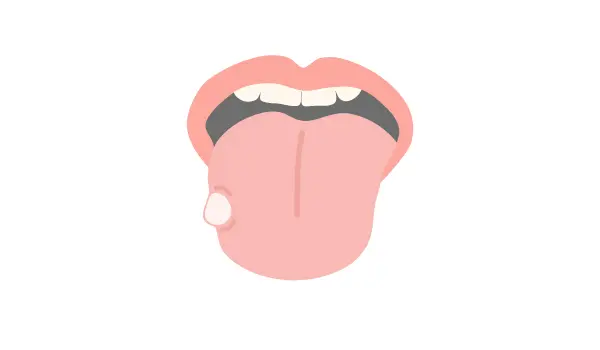
There is no single cause. Pain on the side of the tongue can stem from physical injury, infections, nutritional deficiencies, chronic conditions, or in rare cases, something more serious. Identifying the correct cause is the first step toward finding lasting relief.
The side edges of the tongue are especially vulnerable because they constantly make contact with the teeth, dental appliances, and food.
1. Accidental Biting or Trauma
The most common reason the side of your tongue hurts is accidental biting. It happens during eating, talking, or even sleeping. The injury causes the tissue to swell, forming a sore or small ulcer that stings when touched by food or saliva.
Minor trauma heals on its own within a few days. However, if you bite the same spot repeatedly — especially during sleep — the area may take longer to recover and can become increasingly painful.
Sharp tooth edges, chipped teeth, damaged crowns, or broken fillings can also scrape the side of the tongue continuously. This type of repeated mechanical irritation is a leading cause of persistent lateral tongue soreness that many people overlook.
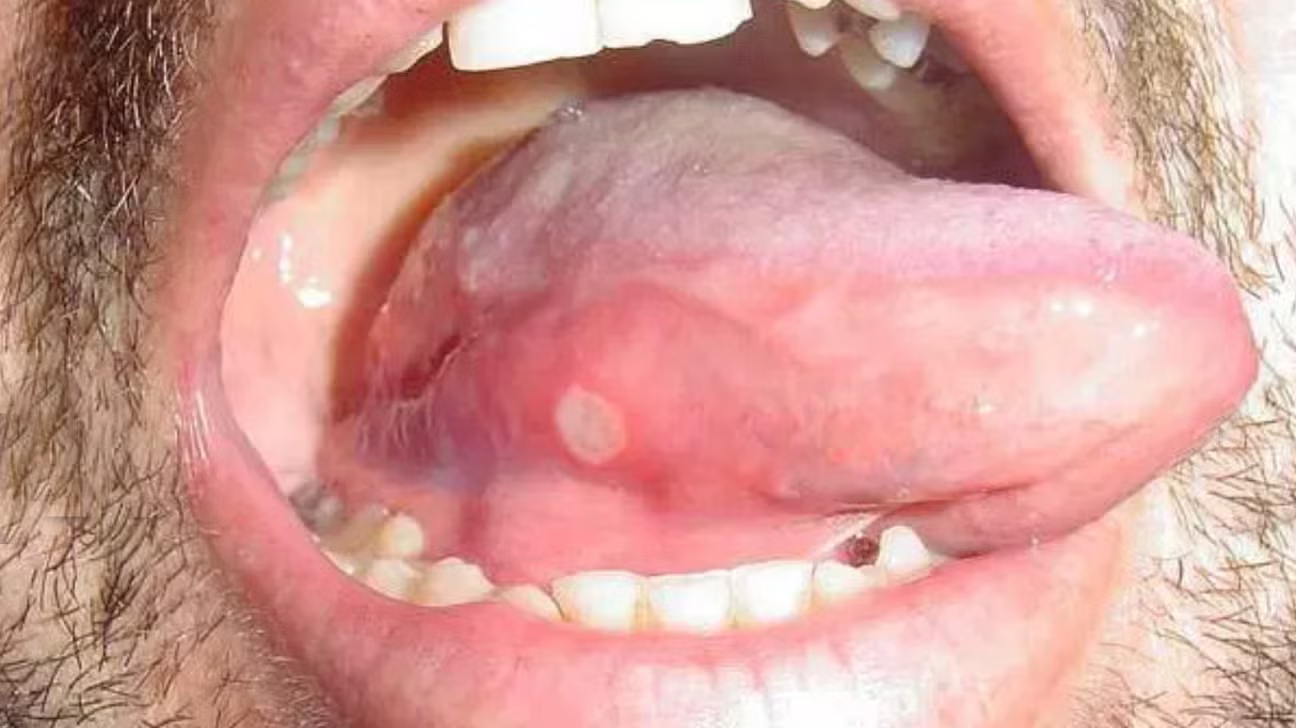
2. Canker Sores (Aphthous Ulcers)
Canker sores are small, round ulcers that form inside the mouth, including along the sides of the tongue. They typically appear white or yellow with a red border and can be quite painful even though they are not contagious.
The exact cause is not always clear, but stress, hormonal changes, acidic foods, and a weakened immune system are known triggers. Most canker sores heal within one to two weeks without any treatment.
Over-the-counter gels and topical pain relievers can numb the area and speed up healing. If canker sores appear frequently or are unusually large, a dentist or doctor should evaluate for an underlying condition.
3. Dental Appliances and Orthodontic Devices
Braces, retainers, dentures, and other dental appliances can constantly rub against the delicate tissue along the sides of your tongue. The friction causes soreness, redness, and sometimes small ulcers that persist as long as the source of irritation remains.
Even a rough dental filling or poorly fitted crown can cause this kind of ongoing lateral tongue pain. The fix is usually straightforward — your dentist can smooth sharp edges or adjust the fit of the appliance.
If you have recently had dental work done and your tongue started hurting on one side shortly after, the appliance is the most likely culprit.
4. Oral Thrush (Candida Infection)
Oral thrush is a fungal infection caused by an overgrowth of Candida albicans yeast. It often appears as white, creamy patches on the tongue and inner cheeks, but it can also produce sore, red areas along the tongue’s sides.
People most at risk include those with diabetes, weakened immune systems, or those using corticosteroid inhalers or taking antibiotics. The treatment is antifungal medication, usually in the form of a mouth rinse or tablet.
Good oral hygiene and limiting sugar intake can help prevent recurrence. If white patches on the side of your tongue are accompanied by a burning sensation, thrush is a strong possibility.
5. Canker Sores vs. Cold Sores: Know the Difference
Many people confuse canker sores with cold sores, but they are very different conditions.
| Feature | Canker Sores | Cold Sores |
|---|---|---|
| Location | Inside the mouth, on tongue sides | Outside the mouth, on lips |
| Contagious? | No | Yes (herpes simplex virus) |
| Appearance | White/yellow with red border | Fluid-filled blisters |
| Healing Time | 7–14 days | 7–10 days |
| Cause | Stress, food, hormones | Herpes simplex virus (HSV-1) |
| Treatment | OTC gels, rinses | Antiviral medication |
Cold sores are caused by the herpes simplex virus and can occasionally spread to the inside of the mouth, including the tongue’s sides, causing painful clusters of blisters or ulcers.
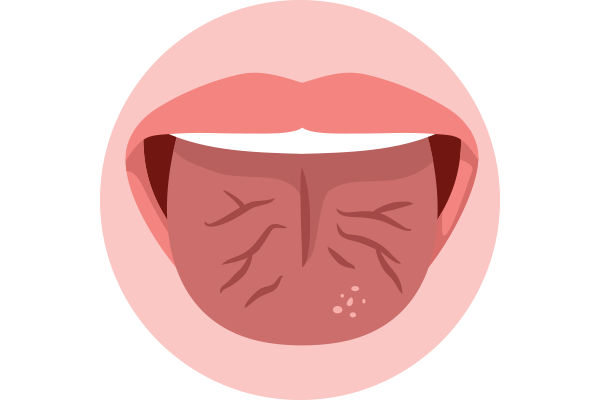
6. Geographic Tongue
Geographic tongue is a condition where smooth, red, irregular patches replace the normal bumpy surface of the tongue. These patches can shift location from day to day, giving the tongue a map-like appearance.
While geographic tongue is non-cancerous and generally harmless, it can cause sensitivity and soreness — especially along the sides. Spicy, acidic, or hot foods typically make the discomfort worse.
There is no cure for geographic tongue, but avoiding trigger foods and using over-the-counter pain relievers can manage symptoms effectively. A dentist can confirm the diagnosis with a quick visual examination.
7. Burning Mouth Syndrome
Burning mouth syndrome (BMS) causes a persistent burning, stinging, or tender sensation in the tongue and other areas of the mouth without an obvious visible cause. It can feel like the tongue has been scalded by hot food, even when it hasn’t.
It is more common in middle-aged and older adults, especially postmenopausal women. Possible contributing factors include hormonal changes, dry mouth, vitamin deficiencies, nerve damage, and certain medications.
BMS is diagnosed after other causes have been ruled out. Treatment may include low-dose antidepressants, clonazepam, or cognitive behavioral therapy, depending on the underlying trigger.
8. Nutritional Deficiencies
A deficiency in key nutrients — especially vitamin B12, iron, zinc, and folate — can cause the tongue to become sore, smooth, and pale. The sides of the tongue are particularly sensitive to these changes.
Iron deficiency anemia often manifests as glossitis, a condition where the tongue becomes inflamed, swollen, and painful. The tongue may also lose its normal texture as the papillae (tiny bumps) flatten out.
Eating a balanced diet or taking appropriate supplements can resolve deficiency-related tongue pain. A simple blood test can identify which nutrients are low and guide treatment.
| Nutrient | Deficiency Symptom on Tongue |
|---|---|
| Vitamin B12 | Sore, smooth, red tongue (glossitis) |
| Iron | Pale, swollen, tender tongue |
| Folate (B9) | Inflammation, ulcers |
| Zinc | Altered taste, soreness |
| Vitamin B2 (Riboflavin) | Redness, cracking at corners |
9. Oral Lichen Planus
Oral lichen planus is a chronic inflammatory condition that affects the lining of the mouth, including the tongue. It often appears as white, lacy patches or painful red areas along the sides of the tongue.
The exact cause is unclear, but it is believed to involve an abnormal immune system response. Stress and dental plaque can make symptoms worse. The condition tends to come and go over time.
Mild cases may not require treatment. More severe or painful cases benefit from prescription corticosteroid mouth rinses or topical medications. Regular monitoring by a dentist or oral medicine specialist is recommended.
10. Herpes Simplex Virus and Viral Infections
The herpes simplex virus can cause painful clusters of blisters or ulcers on the inside of the mouth, including the sides of the tongue. Hand-foot-mouth disease, a common viral illness in children but also seen in adults, can also produce painful oral ulcers.
These viral sores tend to appear suddenly and may be accompanied by a low-grade fever, swollen lymph nodes, or general fatigue. They usually resolve on their own within one to two weeks.
Antiviral medications like acyclovir can shorten the duration and severity of herpes-related oral sores. Staying hydrated and avoiding acidic foods helps manage discomfort during healing.
11. Allergic Reactions and Food Sensitivities
Certain foods, toothpaste ingredients, mouthwashes, and dental materials can trigger an allergic reaction or contact sensitivity on the tongue. Common culprits include cinnamon flavoring, sodium lauryl sulfate (a foaming agent in toothpaste), spicy foods, and citrus fruits.
Oral allergy syndrome — a sensitivity to proteins found in raw fruits, vegetables, and some tree nuts — can also cause tongue tingling, itching, or soreness after eating certain foods.
If your tongue started hurting after switching to a new oral care product or after eating a specific food, eliminate that item for a few days and monitor whether the symptoms improve.
12. Burning from Hot Foods or Beverages
Drinking very hot tea, coffee, or soup can scald the delicate tissue along the sides of the tongue. These burns cause soreness and mild swelling that typically heals within a few days.
Repeated thermal burns — common in people who habitually drink very hot beverages — can lead to chronic irritation that makes the tongue especially tender and slow to heal.
Allowing hot food and drinks to cool slightly before consuming them is the easiest preventive measure. Cool water, ice chips, and cold foods can provide immediate soothing relief.
13. Stress and Anxiety
Stress and anxiety can worsen tongue pain through several mechanisms. Stress suppresses the immune system, making the mouth more vulnerable to canker sores and infections. Anxious people may also unconsciously chew or press the tongue against their teeth, causing repetitive trauma.
Bruxism — teeth grinding, often linked to stress — can cause the tongue to be bitten repeatedly during sleep. Jaw tension can also cause referred pain that is felt in the tongue and surrounding tissues.
Managing stress through sleep, exercise, and where appropriate, professional support, can meaningfully reduce the frequency of stress-related tongue sores.
14. Glossitis
Glossitis is inflammation of the tongue. It can cause the tongue to become swollen, smooth, and very tender — including along the sides. Causes include bacterial or viral infections, nutritional deficiencies, irritants, and allergic reactions.
The tongue may appear bright red and shiny as the papillae disappear. Glossitis can make eating and speaking uncomfortable and may also affect taste perception.
Treatment depends on the underlying cause. Antibiotics address bacterial infections. Supplements correct deficiencies. Avoiding irritants and practicing good oral hygiene help speed recovery.
15. Sharp or Broken Teeth Rubbing the Tongue
A sharp tooth edge, broken molar, or damaged dental restoration can scrape the lateral surface of the tongue constantly without you realizing it. Over time, the repeated friction creates a persistent sore that refuses to heal.
This type of irritation often causes a sore specifically on one side of the tongue — the side closest to the problematic tooth. The location of the pain can help your dentist pinpoint the source.
Your dentist can smooth the rough edge or repair the tooth in a single appointment, and the tongue sore typically begins healing within days of the irritation being removed.
Warning Signs: When Is Tongue Pain Serious?
Most tongue pain is temporary and resolves with simple home care. However, certain symptoms demand prompt professional evaluation and should never be ignored.
| Warning Sign | What It May Indicate |
|---|---|
| Sore lasting more than 2 weeks | Possible oral cancer or chronic condition |
| Painless lump or thickening | Potential malignancy |
| White or red patch that won’t go away | Leukoplakia or erythroplakia (precancerous) |
| Bleeding from a tongue sore | Oral cancer risk, requires biopsy |
| Numbness in the tongue | Nerve involvement or tumor growth |
| Difficulty swallowing or moving the tongue | Advanced oral condition |
| Earache without ear infection | Referred pain from tongue cancer |
| Unexplained weight loss | Systemic illness or cancer |
Oral Cancer and the Side of the Tongue
This is the warning sign most people are most concerned about — and rightly so. The side of the tongue that touches the teeth is one of the most common sites for oral tongue cancer, specifically squamous cell carcinoma.
The first sign of tongue cancer is often a sore or lump on the side of the tongue that bleeds easily and does not heal within two to three weeks. The lesion may be grayish-pink, red, or white and can feel rough or raised.
Tongue cancer is strongly associated with tobacco use, heavy alcohol consumption, and HPV infection. However, it can occur in people with no traditional risk factors. The Oral Cancer Foundation recommends adults 18 and older receive an oral cancer screening as part of every routine dental checkup.
Early detection dramatically improves outcomes. When caught in the early stages, tongue cancer has a significantly higher survival rate than when diagnosed at a late stage.
How Dentists and Doctors Diagnose the Cause
Your dentist or doctor will begin with a full visual examination of your tongue, teeth, gums, and surrounding tissues. They will ask about your diet, stress levels, oral hygiene routine, medications, and how long you have had the pain.
Depending on the findings, diagnostic tools may include oral swabs to check for fungal or viral infections, blood tests to detect deficiencies or systemic illness, or a biopsy if a lesion looks suspicious or has not healed after two weeks.
Do not wait for symptoms to worsen before booking an appointment. Early evaluation leads to simpler and faster treatment in virtually every case.
Home Remedies That Actually Work
For minor tongue soreness caused by biting, canker sores, or mild irritation, several home remedies can provide genuine relief.
Saltwater rinse — Mix half a teaspoon of salt in a cup of warm water and rinse gently for 30 seconds. Salt reduces bacteria and promotes tissue healing. Use 2 to 3 times daily.
Honey — Raw honey has natural antibacterial and anti-inflammatory properties. Apply a small amount directly to the sore for soothing relief.
Aloe vera gel — Pure aloe vera gel applied topically can reduce inflammation and accelerate healing of minor mouth sores.
Ice or cold water — Cold temperature numbs nerve endings and reduces swelling. Sip cold water or let an ice chip rest near the sore area.
OTC oral gels — Products containing benzocaine can numb the sore and make eating and speaking more comfortable while healing occurs.
Foods to Avoid When Your Tongue Hurts on the Side
| Avoid These | Better Alternatives |
|---|---|
| Spicy foods | Mild, bland meals |
| Citrus fruits | Bananas, melons, applesauce |
| Hard, crunchy foods | Soft cooked vegetables, porridge |
| Very hot drinks | Lukewarm or cool beverages |
| Salty snacks | Yogurt, smoothies, soup |
| Alcohol-based mouthwash | Alcohol-free rinse or saline rinse |
| Carbonated drinks | Plain water, herbal tea |
Professional Treatment Options
When home remedies are not enough, professional treatment depends entirely on the underlying cause.
Antifungal medication treats oral thrush. Antibiotics address bacterial infections like syphilis or other secondary infections. Prescription corticosteroid mouth rinses or topical gels manage oral lichen planus and severe canker sores. Antiviral medications like acyclovir treat herpes simplex-related sores. Dental smoothing or appliance adjustment eliminates mechanical irritation from teeth and devices.
For suspected oral cancer, an immediate referral to an oral and maxillofacial surgeon or head and neck oncologist is necessary. Treatment may involve surgery, radiation, immunotherapy, or a combination approach.
How to Prevent Tongue Pain on the Side
Prevention is always better than treatment. Several daily habits can meaningfully reduce your risk of recurring tongue pain.
Chew slowly and carefully to avoid accidental biting, especially during meals. Visit your dentist every six months so that sharp teeth, worn restorations, or ill-fitting appliances are caught and corrected early. Maintain thorough but gentle oral hygiene using a soft-bristled toothbrush.
Eat a balanced diet rich in B vitamins, iron, and zinc to protect your oral tissues from deficiency-related problems. Avoid tobacco in any form and limit alcohol consumption — both are major risk factors for oral cancer and tongue irritation. Manage stress through regular exercise, adequate sleep, and relaxation techniques.
The Role of Your Tongue in Overall Health
The tongue is sometimes called a mirror of your general health. Changes in its color, texture, and surface can signal nutritional deficiencies, infections, autoimmune conditions, and systemic diseases before other symptoms appear.
A healthy tongue is pink, moist, and covered with small papillae. A bright red, very smooth, very pale, or heavily coated tongue all point to specific underlying issues worth investigating.
Regular self-examination in good lighting takes only a minute and can catch visible changes early. If anything looks or feels unusual and persists for more than two weeks, bring it to a professional’s attention without delay.
Frequently Asked Questions (FAQs)
Why does my tongue hurt on the side but there is no visible sore?
Pain without a visible sore can be caused by burning mouth syndrome, nerve irritation, or a sharp tooth edge rubbing beneath the surface. A dental evaluation will help identify the cause.
How long does tongue pain on the side usually last?
Minor tongue soreness from biting or a canker sore typically resolves within 7 to 14 days. Pain lasting beyond two weeks needs professional evaluation.
Can stress cause tongue pain on the side?
Yes. Stress weakens the immune system and can trigger canker sores, and stress-related teeth grinding can cause repeated trauma to the sides of the tongue during sleep.
Is a sore on the side of the tongue a sign of cancer?
A sore lasting more than two weeks, especially one that bleeds easily or has a lump, should be evaluated promptly. Most sores are benign, but the side of the tongue is a common location for oral squamous cell carcinoma.
What does a canker sore on the side of the tongue look like?
Canker sores are small, round ulcers with a white or yellow center and a red border. They are typically painful to touch and appear on soft inner mouth tissue including the tongue sides.
Can dental braces cause tongue pain on the side?
Yes. Braces, retainers, and other appliances can rub against the lateral edges of the tongue, causing friction-related sores that persist until the appliance is adjusted by your dentist or orthodontist.
What vitamins should I take for a sore tongue?
Vitamin B12, iron, folate, and zinc are most commonly linked to tongue soreness. A blood test can confirm which nutrients you are low in before you start supplementation.
How do I know if my tongue pain is from a tooth or an infection?
Pain caused by a tooth is usually localized to one side and may correspond to a visible sharp edge or a recent dental procedure. Infection-related pain is typically accompanied by swelling, white patches, or a bad taste in the mouth.
Can I treat tongue pain at home or do I need a dentist?
Minor soreness from biting or canker sores can be treated at home with saltwater rinses, OTC gels, and soft foods. See a dentist if pain persists beyond two weeks, is getting worse, or is accompanied by a lump or difficulty swallowing.
What is the fastest way to heal a sore on the side of the tongue?
The fastest relief comes from saltwater rinses several times a day, applying a topical benzocaine gel, avoiding irritating foods, and keeping the area clean. Most minor sores heal within one week with consistent care.
Conclusion
Why does my tongue hurt on the side is a question with many possible answers, ranging from something as simple as accidentally biting yourself to conditions that require professional care.
The vast majority of cases involve minor trauma, canker sores, dental irritation, or nutritional deficiencies — all of which respond well to straightforward home treatment or a brief dental visit.
The critical rule to follow in 2026 is the two-week rule: any tongue sore, lump, patch, or pain that has not improved after fourteen days deserves a professional evaluation.
The side of the tongue is one of the most common sites for oral cancer, and early detection makes an enormous difference in treatment outcomes.
Take care of your oral health, visit your dentist regularly, and never ignore a symptom that your body is persistently signaling. Your tongue is trying to tell you something — listen to it.
