

Why do people smoke cigars when the health risks are widely known? That is a question millions of curious minds ask every year.
People smoke cigars for a wide range of reasons — relaxation, celebration, social bonding, taste, and cultural tradition. It is not just about tobacco.
For many, a cigar represents a lifestyle, a ritual, and a moment of calm in a busy world. Unlike cigarettes, cigars are slow, intentional, and deeply personal.
Cigars Are Smoked for Relaxation and Mental Reset
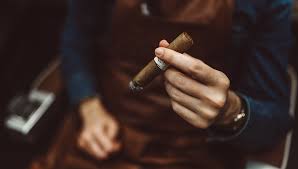
The number one reason why people smoke cigars is simple: it helps them slow down. A cigar cannot be rushed. Cutting, lighting, and smoking a cigar takes anywhere from 30 minutes to 2 hours depending on the size.
That forced pause is exactly the point. In a world filled with notifications and deadlines, a cigar gives the smoker permission to stop and breathe. The slow rhythm of puffing creates a natural mental reset.
The ritual itself — inspecting the cigar, cutting the cap, toasting the foot — is a form of mindfulness. Many cigar smokers report that this structured routine helps them transition from work mode to rest mode more effectively than other methods.
Cigars as a Celebration Ritual
Cigars have been handed out at weddings, baby showers, promotions, and graduations for centuries. The tradition of celebrating with a cigar is deeply embedded in many cultures around the world.
Handing someone a cigar at a happy moment is a universal gesture of sharing success. It turns an individual achievement into a shared experience. The cigar becomes a physical object that marks the moment in time.
This is why many people who smoke cigars only do so occasionally. For them, it is not a daily habit. It is a punctuation mark on life’s best moments.
The Taste and Flavor of Premium Cigars
Cigar flavor is far more complex than most people realize. Premium cigars offer flavor profiles that range from earthy and woody to creamy, nutty, spicy, and even slightly sweet. The tobacco blend, the wrapper leaf, the aging process, and the country of origin all influence the final taste.
Many cigar smokers approach their hobby the same way wine lovers approach wine. They learn about regions, blends, wrappers, and aging processes. They develop preferences and talk about flavor notes the way a sommelier would.
| Cigar Flavor Profile | Common Descriptor |
|---|---|
| Connecticut Shade Wrapper | Mild, creamy, smooth |
| Maduro Wrapper | Rich, dark, slightly sweet |
| Corojo Wrapper | Spicy, complex, bold |
| Nicaraguan Tobacco | Full-bodied, earthy, peppery |
| Dominican Tobacco | Mild to medium, nutty, refined |
| Honduran Tobacco | Medium-full, woody, strong |
That sensory experience — tasting the difference between a Nicaraguan puro and a Dominican blend — is a big part of why people smoke cigars as a hobby rather than just a habit.
Social Bonding and the Cigar Lounge Culture
Cigar smoking is rarely a solo activity at its best. Cigar lounges, back patios, and social gatherings bring people together around a shared experience. The slow pace of a cigar naturally encourages conversation.
Business deals have been made over cigars for decades. Friendships have been built in cigar lounges. The act of sharing a smoke creates a relaxed, open environment where people feel comfortable being honest and present.
Unlike the quick cigarette break, a cigar session lasts long enough to have a real conversation. That length is part of the appeal. You cannot rush through it, which means you end up genuinely connecting with the people around you.
Cigars as a Symbol of Status and Success

The association between cigars and success runs deep in history. In the 19th and early 20th centuries, cigars became closely linked with power, wealth, and masculinity. Political leaders, business tycoons, and celebrities were often pictured with cigars.
That cultural image did not disappear. Today, many people still associate lighting a premium cigar with personal achievement. When someone closes a major deal or reaches a major milestone, a cigar feels like the right reward.
This is especially common with “victory cigars” in sports culture. Athletes light up after championships. Coaches celebrate major wins with a cigar in hand. The image of success and the image of a cigar have become intertwined.
The Craftsmanship Appeal of Hand-Rolled Cigars
Many cigar smokers are drawn to the artisan quality of premium, hand-rolled cigars. A single premium cigar can take an experienced torcedor (cigar roller) up to 30 minutes to construct by hand. The skill involved is remarkable.
The tobacco leaves used in the filler, binder, and wrapper are often aged for years before they ever reach a roller. The process of blending tobacco from different regions to create a balanced flavor profile is genuinely complex.
For people who appreciate craftsmanship — whether in watches, whiskey, or leather goods — a premium cigar represents the same level of attention to detail. Smoking it is a way of appreciating the work that went into it.
Cigars Provide a Nicotine Effect Without Inhalation
Most cigar smokers do not inhale the smoke. Instead, the nicotine is absorbed through the mucous membranes in the mouth. This creates a milder, slower buzz compared to cigarettes.
The nicotine effect from a cigar is often described as a light head rush, a mild euphoria, or a gentle sense of well-being. For occasional smokers, this effect is more noticeable. For regular smokers, the body adapts and the effect becomes more subtle.
The combination of nicotine’s dopamine-releasing properties and the relaxing ritual creates a layered experience. It is not purely physical, and it is not purely psychological — it is both at once.
Cigars Are a Form of Cultural Identity
In Cuba, cigars are a national symbol. The craft of hand-rolling cigars has been passed down through generations of Cuban families. Smoking a Cuban cigar is not just a taste preference — it connects people to a culture and a history.
In Nicaragua, the Dominican Republic, and Honduras, cigar production is a point of national pride. The tobacco grown in these regions carries distinct characteristics tied to the soil, the climate, and the skill of the farmers who grow it.
For many smokers, choosing a cigar from a specific country is a way of connecting to that culture. It is a form of appreciation that goes beyond the physical act of smoking.
Cigars vs Cigarettes: A Key Difference in Why People Smoke
A common question is whether the reasons people smoke cigars differ from why people smoke cigarettes. The answer is yes — significantly.
| Factor | Cigars | Cigarettes |
|---|---|---|
| Frequency | Occasional, special occasion | Daily, habitual |
| Duration | 30 minutes to 2 hours | 5 to 10 minutes |
| Primary Motivation | Experience, taste, ritual | Nicotine dependence |
| Inhalation | Usually not inhaled | Inhaled |
| Social Context | Social, celebratory | Often solitary |
| Perceived Image | Luxury, celebration | Habit, stress relief |
Cigarettes tend to be driven by nicotine dependence. Cigars tend to be driven by the experience itself. That distinction explains a lot about why cigar culture has a very different tone and community around it.
Cigar Pairing: Enhancing the Experience
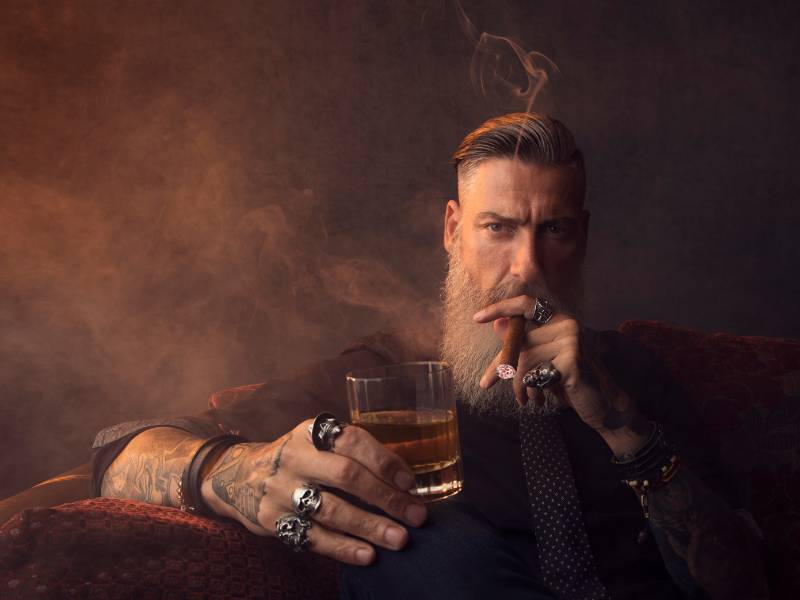
A big part of why people smoke cigars is the pairing culture. A premium cigar paired with the right drink elevates both. The flavors interact and complement each other in ways that neither can achieve alone.
Common pairings include bold espresso with a full-bodied Maduro, a smooth bourbon with a medium-bodied Robusto, or a single malt Scotch with a Nicaraguan puro. The ritual of choosing both the cigar and the drink is part of the enjoyment.
This pairing culture is similar to food and wine pairing. It adds a layer of knowledge and discovery to the hobby. It gives cigar smokers something to learn, experiment with, and talk about.
The Psychological Benefits of Cigar Smoking
Research and anecdotal reports both point to a psychological dimension in cigar smoking that goes beyond the physical. For many people, the act of smoking a cigar is a form of self-care and intentional time.
Choosing to smoke a cigar means choosing to step away from demands, sit down, and do something slow and pleasurable. That act of choosing is itself psychologically valuable. It creates a sense of control and agency.
Many cigar smokers describe their smoke as a form of meditation. They are fully present during that time — tasting, smelling, observing. That quality of attention is rare in modern daily life and is one of the more underrated reasons why people smoke cigars.
The History Behind Why People Smoke Cigars
The history of cigar smoking stretches back over 1,000 years. Indigenous peoples of the Caribbean and Central America were among the first to roll tobacco leaves and smoke them in ritual and social contexts.
When Christopher Columbus arrived in the Americas in 1492, his crew encountered tobacco smoking and brought it back to Europe. By the 19th century, cigars had spread across Europe and North America and become symbols of elite status.
Winston Churchill, Sigmund Freud, Mark Twain, and Fidel Castro are among the most famous cigar smokers in history. Their association with cigars helped cement the image of the cigar as a tool of the intellectual, the powerful, and the bold.
Cigar Smoking as a Mindfulness Practice
Modern cigar smokers increasingly describe the ritual in terms of mindfulness. The process demands full attention: you cannot rush it, you cannot multitask during it, and you must engage all your senses to fully enjoy it.
The act of smelling the cigar before lighting it, observing the draw and the burn, tasting the flavors as they evolve through thirds — all of this keeps the smoker anchored in the present moment. That is the definition of mindfulness.
For people who struggle to disconnect from work, worries, or screens, a cigar session provides a structured and justified reason to be fully offline and present. That is a rare and valuable thing.
Who Smokes Cigars Today? Demographics in 2026
Cigar smoking is no longer limited to older men in leather chairs. The demographic has shifted considerably in recent years.
| Demographic Group | Trend |
|---|---|
| Young professionals (25–40) | Growing segment, driven by lifestyle and networking |
| Women | Increasing participation, especially in cigar lounges |
| Craft enthusiasts | Drawn in by artisan and boutique cigar culture |
| Sports fans | Victory cigar tradition remains very strong |
| Whiskey/bourbon fans | Cross-hobby overlap with pairing culture |
The rise of social media, craft culture, and cigar lounge communities has made cigars accessible and appealing to a much broader audience than in previous decades.
Different Types of Cigars and Why People Choose Them
Not every person who smokes cigars is looking for the same experience. The type of cigar chosen often reflects what the smoker is after.
Mild cigars like those with Connecticut shade wrappers are popular for beginners or for relaxed, low-key occasions. Medium-bodied cigars offer more complexity and are the most commonly smoked by experienced aficionados. Full-bodied cigars with Maduro or Corojo wrappers are for those who want a bold, intense experience.
Size also matters. A Robusto (5 x 50) lasts about 45 minutes and is ideal for a short break. A Churchill (7 x 47) can last close to 2 hours and is suited for a long, leisurely session. Choosing the right cigar for the moment is a skill that enthusiasts develop over time.
The Cigar Lounge Experience
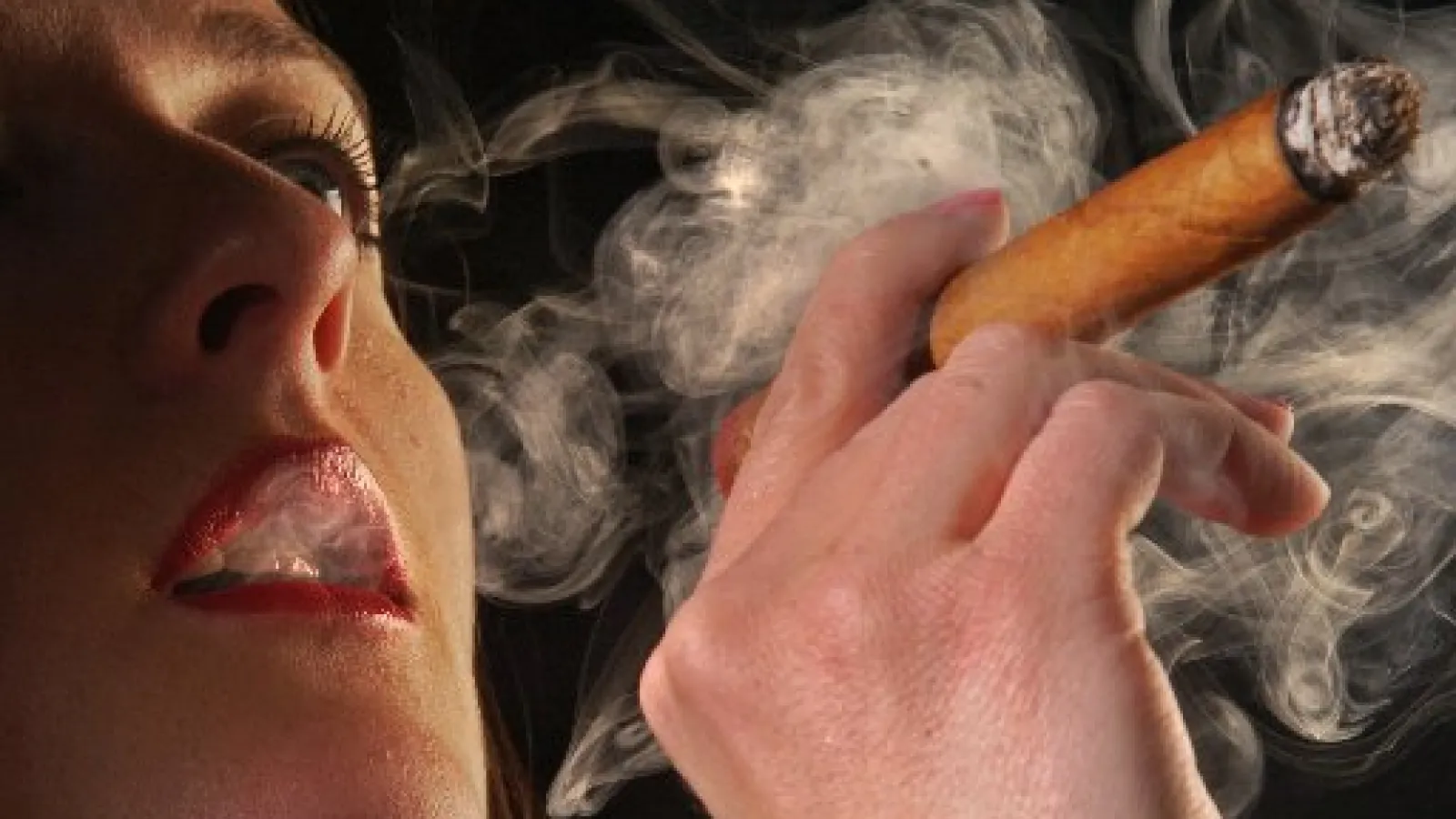
Cigar lounges have become a cultural institution in many cities. They offer a dedicated space where cigar smokers can enjoy their hobby in comfort, surrounded by others who share the passion.
A good cigar lounge typically has a walk-in humidor stocked with a wide selection of cigars, comfortable seating, and staff who can help guide choices. Many also serve spirits, coffee, or craft beverages.
The lounge environment amplifies the social and communal aspects of cigar smoking. It is a space where conversations happen naturally, where business cards are exchanged, and where strangers become regulars. For many people, this community is as much a draw as the cigars themselves.
Health Awareness Among Modern Cigar Smokers
Most informed cigar smokers today are aware of the health risks. Cigar smoke contains many of the same toxic compounds as cigarette smoke. Regular cigar smoking is associated with increased risks of cancers of the mouth, throat, and lungs, as well as cardiovascular issues.
Many people who smoke cigars choose to do so occasionally — once a week or less — in part to manage health risks. Occasional or social smoking is treated very differently from daily cigarette dependence by many in the cigar community.
The awareness of risk does not necessarily stop the behavior. Instead, it shapes how people engage with it — making it more intentional, more occasional, and more appreciated as a genuine luxury.
Why Do People Smoke Cigars and Not Cigarettes?
This is one of the most common related questions people ask. The core answer is that the experience and motivations are completely different.
Cigarettes deliver nicotine fast and frequently. The habit often forms around the need to maintain nicotine levels throughout the day. Cigars, on the other hand, are usually smoked for the experience, the flavor, the social occasion, or the ritual.
Many cigar smokers have never been cigarette smokers and have no interest in cigarettes. They came to cigars through a different path — through a celebration, through a lounge visit, through a friend who knew cigars. The entry point and the motivation are different from the start.
Cigar Gifting Culture
Cigars are one of the most popular luxury gifts for men. Premium cigars in a gift box are a common choice for Father’s Day, milestone birthdays, retirements, and business gifts.
The gifting culture around cigars speaks to their status as a luxury item. You do not give someone a gift cigar for no reason — it marks an occasion. Receiving a cigar as a gift communicates that the giver sees you as someone who appreciates the finer things.
This cultural role as a gift item reinforces the association between cigars and celebration, success, and milestone moments.
Variations of the Keyword: What People Search For
Understanding the full search landscape helps explain the breadth of this topic.
| Search Variation | Search Intent |
|---|---|
| why do people smoke cigars | Informational |
| reasons to smoke cigars | Informational |
| why do people like cigars | Informational |
| cigar smoking appeal | Informational |
| is cigar smoking enjoyable | Informational |
| why cigars are popular | Informational |
| what does smoking a cigar feel like | Informational |
| cigar vs cigarette why people prefer | Comparative |
| why do men smoke cigars | Specific demographic |
| cigars for relaxation | Transactional/informational |
Each of these variations reflects a slightly different angle on the same core question. This blog covers all of them.
Frequently Asked Questions (FAQs)
Why do people smoke cigars if they know it is harmful?
Most cigar smokers are aware of the risks but view occasional smoking as an acceptable indulgence, similar to drinking alcohol. They prioritize the experience, ritual, and enjoyment over health concerns.
Do people actually enjoy the taste of cigars?
Yes — premium cigars have complex flavor profiles ranging from earthy and nutty to creamy and spicy. Many smokers genuinely enjoy tasting these nuances the way wine enthusiasts enjoy tasting wine.
Why are cigars associated with celebrations?
The tradition dates back centuries. Cigars were expensive, luxurious items that marked important moments. The custom of handing out cigars at births, weddings, and promotions has remained a cultural practice ever since.
Do people inhale cigar smoke?
Most cigar smokers do not inhale. Nicotine is absorbed through the lining of the mouth, which produces a milder and slower effect compared to cigarette inhalation.
Why do cigar smokers not smoke every day?
Most cigar smokers view cigars as an occasional luxury rather than a daily habit. The experience, cost, and time commitment make cigars more of a special treat than a routine.
What does smoking a cigar feel like?
It produces mild relaxation, a gentle buzz from nicotine, and a sensory experience involving rich flavors and aromas. Many describe it as calming and grounding.
Are cigars more expensive than cigarettes?
Yes — premium cigars can range from a few dollars to over $50 per cigar. That cost reinforces their status as a luxury item rather than an everyday product.
Is cigar smoking a social activity?
Absolutely. Cigar lounges, patios, and social gatherings are the most common settings. The slow pace of a cigar naturally encourages conversation and connection.
Why do athletes smoke cigars after winning?
The victory cigar is a long-standing tradition in sports. It is a physical way of marking triumph and sharing the celebration with teammates and coaches.
Can women smoke cigars?
Yes. Women have always smoked cigars, and their presence in cigar culture is growing. Many cigar lounges actively welcome and cater to female enthusiasts.
Conclusion
Why do people smoke cigars? The answer is layered, personal, and rooted in a rich tradition.
People smoke cigars to relax, to celebrate, to taste something complex and beautiful, and to connect with others around a shared ritual. Cigars represent craftsmanship, culture, and a deliberate choice to slow down.
They are not rushed habits. They are intentional experiences. Whether it is a solo smoke at the end of a long week or a shared celebration after a major life milestone, the cigar occupies a unique space in human culture.
The reasons people smoke cigars are deeply human — the desire for pleasure, connection, tradition, and a moment that belongs entirely to you.
That is why, despite everything, people keep coming back to them.
