

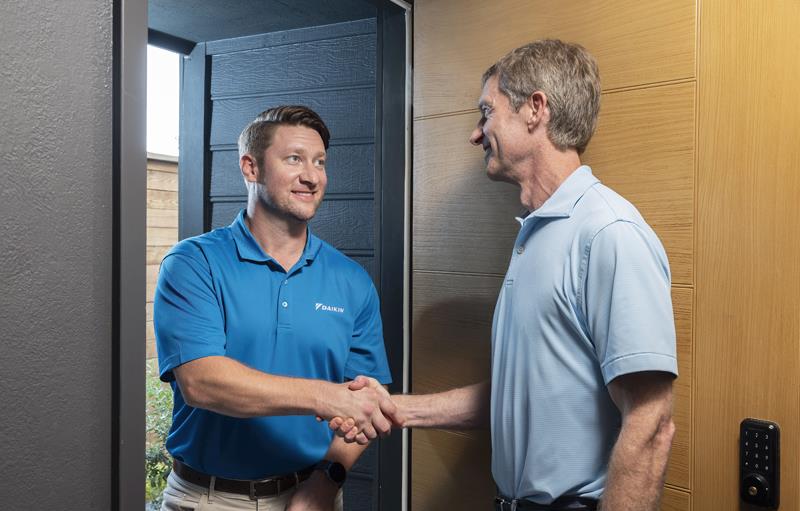
Hiring an HVAC contractor is not a decision most homeowners make lightly, yet many still rush the process when a system stops cooling, heats unevenly, or makes unusual noises. In that moment, urgency can take over, and important questions may be forgotten. A contractor will be working on equipment that affects comfort, energy use, indoor air quality, and daily routine, so the choice should involve more than just comparing prices or picking the first available appointment. Asking the right questions early helps homeowners understand who they are hiring, how the work will be handled, and whether the company is prepared to solve the issue responsibly from start to finish.
Beyond certifications and technical proficiency, evaluating how a contractor manages specific regional demands is equally vital for long-term satisfaction. Local climate patterns significantly influence equipment longevity, and homeowners who view helpful details regarding regional maintenance standards often find they are better prepared for seasonal shifts. Working with an expert who understands these regional variations supports optimal efficiency and helps prevent unexpected equipment failures. For residents managing properties in coastal environments, partnering with a professional familiar with the unique weather patterns of Pensacola, FL can contribute to a more resilient home climate system. A local expert can provide targeted maintenance advice, such as choosing corrosion-resistant materials or adjusting humidity controls, which protects your investment and ensures stable performance over time. Understanding these nuances helps in selecting a professional who doesn’t just install a system but optimizes it for the unique environmental stressors of the area. Taking the time to discuss specific performance expectations and local building codes ensures that the partnership remains transparent and the resulting home climate remains consistently comfortable throughout the year.
Beyond technical certifications and insurance, homeowners should consider the long-term reliability of their chosen professional. A reliable contractor will provide a comprehensive breakdown of the project, including a clear timeline and an itemized list of all potential costs. For those living in warmer climates, finding a dependable service for ac repair sarasota is essential to ensure your cooling system can handle the intense humidity and heat throughout the year. Asking about post-installation support and whether the company offers flexible maintenance plans can prevent future headaches. Ultimately, clear communication and a thorough inspection process serve as the best indicators that you are hiring a professional who values the longevity of your home’s infrastructure.
Questions That Reveal the Real Difference
- Ask About Licensing, Insurance, and Job Responsibility
One of the first things a homeowner should ask is whether the contractor is properly licensed and insured for the kind of HVAC work being offered. This question matters because heating and cooling systems involve electrical connections, refrigerant handling, drainage, airflow adjustments, and installation standards that affect both safety and performance. A contractor should be able to clearly explain their credentials rather than avoid the subject or offer vague reassurance. Homeowners should also ask who will actually perform the work, whether employees or subcontractors will be sent, and who is responsible if something goes wrong during the project. These details matter because accountability can become unclear when several people are involved, but no one takes direct ownership of the result. Another useful question is whether permits are needed and who will arrange them if required. That answer can reveal whether the contractor follows proper procedure or prefers to work around it. Before agreeing to any repair or installation, homeowners should feel confident that the person entering the home has both the legal standing and operational structure to carry out the job properly.
- Ask How the Problem Will Be Diagnosed
Another important question is how the contractor plans to diagnose the issue before recommending a repair or replacement. Homeowners should be cautious of anyone who suggests a major solution too quickly without inspecting the full system. HVAC problems often have more than one possible cause, and similar symptoms can come from very different issues. Weak airflow could be due to a blower problem, blocked ductwork, a thermostat error, dirty coils, or something as simple as a neglected filter. Short cycling might indicate electrical issues, improper sizing, or restricted airflow rather than a failing unit alone. A reliable contractor should be willing to explain what will be checked, what signs they are looking for, and how they will determine whether repair or replacement makes more sense. Many homeowners searching for HVAC Repair in Duncan, SC, may also benefit from asking whether the company evaluates the full system rather than only the most visible symptom. This question helps reveal whether the contractor is focused on accurate diagnosis or merely trying to close a sale. A clear explanation of the inspection process often says more about the quality of service than a quick estimate ever could.
- Ask What the Price Includes and What Happens Afterward
Price is always an important topic, but homeowners should ask more than simply, “How much will it cost?” A better conversation includes what the estimate covers, whether labor and materials are clearly separated, and what conditions could affect the final total. Hidden costs usually arise when the scope of work is not properly explained at the outset. Homeowners should ask if the estimate includes disposal of old equipment, thermostat adjustments, testing after installation, minor parts, cleanup, and any follow-up visit that may be needed. It is also wise to ask about warranties for both equipment and labor, as well as which situations might void those protections. Service guarantees matter because even a completed job may require minor adjustments once the system is back in normal use. Another good question is how soon the contractor can respond if a problem returns after the job is finished. That answer shows whether the relationship ends with payment or continues through the system’s performance. Clear pricing and post-job support help homeowners avoid confusion and reduce the chance of paying more later for work they assumed was already included.
- Ask How the Work Supports Long-Term Performance
Beyond the immediate repair or installation, homeowners should ask how the contractor approaches long-term system health. HVAC work should not be treated as a one-time event disconnected from the condition of the rest of the home. A contractor should be able to discuss airflow, filter maintenance, thermostat settings, insulation effects, duct leakage, drainage, and the system’s expected performance after the work is complete. This matters because a unit can be repaired or even replaced and still fail to deliver good results if surrounding conditions are ignored. Homeowners should ask whether the contractor will test system performance, verify temperature output, and explain what maintenance will help protect the equipment afterward. These questions shift the conversation away from short-term fixes and toward dependable operation over time. They also show whether the contractor is thinking about comfort, efficiency, and durability as connected issues rather than separate services. When a company can explain how today’s work will affect the next several years of operation, homeowners gain a much clearer sense of the value of the appointment. Maintaining a consistent schedule for heating system checks is another practical way to support long-term performance. While major repairs focus on immediate failures, routine inspections allow a professional to identify small mechanical issues before they lead to a complete breakdown. Understanding the specific maintenance needs of your equipment contributes to a more efficient home environment and helps manage operational costs throughout the colder months. Homeowners who continue reading helpful guides on seasonal upkeep can better anticipate when their system might require professional attention. This proactive approach ensures that your home remains comfortable and your equipment remains in good working order for years to follow.
A Better Hiring Decision Starts With Better Questions
Homeowners do not need technical training to hire an HVAC contractor wisely, but they do need to ask questions that go beyond price and availability. Licensing, insurance, diagnosis methods, written estimates, warranties, and long-term system performance all deserve careful attention before any work begins. These questions help reveal whether a contractor is organized, accountable, and prepared to handle the job with care. They also protect homeowners from rushed recommendations, unclear pricing, and incomplete work that creates new problems later. A thoughtful conversation before hiring often leads to stronger results afterward because the quality of the answers usually reflects the quality of the service that follows.
