

Why does the tip of my tongue hurt is a question that catches most people off guard because tongue pain is both surprisingly common and genuinely uncomfortable.
The tip of your tongue is packed with taste buds, nerve endings, and sensitive tissue — making it one of the most reactive parts of your entire mouth.
Pain in this area can range from a minor burn after hot coffee to a persistent sore that signals something deeper.
This guide covers every major cause, warning sign, home remedy, and treatment option so you know exactly what your tongue pain means and when to take action.
How the Tip of the Tongue Works
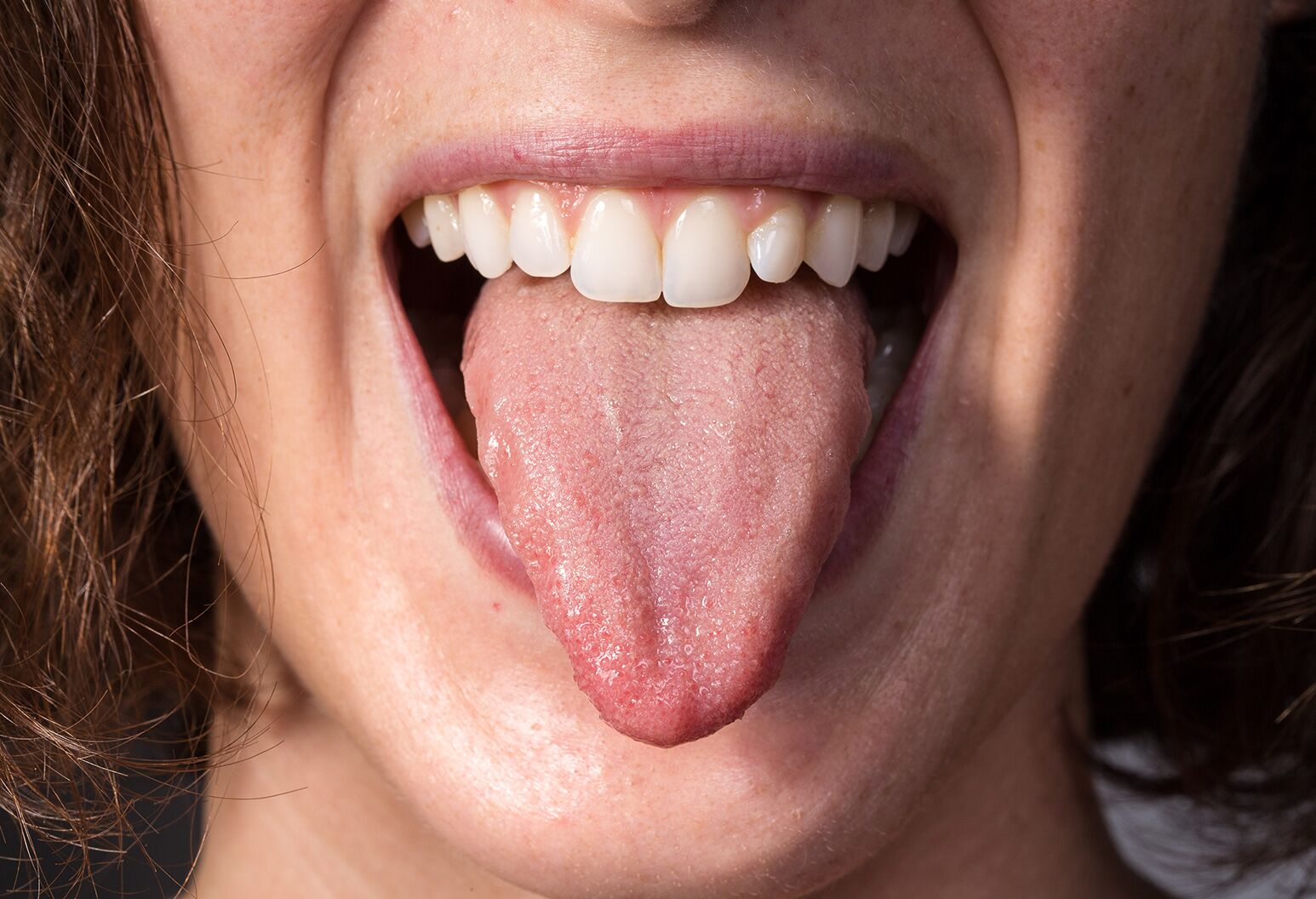
The tip of the tongue is one of the most sensitive and active parts of the human body. It contains thousands of nerve endings and taste buds that detect sweetness, saltiness, and other flavors.
Because of this dense nerve network, even small injuries or irritations at the tongue tip feel disproportionately painful. A tiny canker sore or a minor burn can cause significant discomfort that affects eating, drinking, and speaking.
Why Does the Tip of My Tongue Hurt? The Most Common Causes
There are many reasons the tip of your tongue can hurt. Some causes are minor and heal on their own. Others require medical attention.
| Cause | Healing Time | Severity |
|---|---|---|
| Accidental bite or cut | 3–7 days | Mild |
| Burn from hot food/drink | 3–7 days | Mild |
| Canker sore (aphthous ulcer) | 7–14 days | Mild to moderate |
| Burning mouth syndrome | Ongoing without treatment | Moderate to severe |
| Vitamin deficiency | Resolves with supplements | Mild to moderate |
| Oral thrush (fungal infection) | 1–2 weeks with treatment | Moderate |
| Cold sore / herpes simplex | 7–10 days | Moderate |
| Geographic tongue | Comes and goes | Mild |
| Oral allergy syndrome | Temporary | Mild |
| Glossitis | Varies | Moderate |
| Tongue cancer | Does not heal — needs biopsy | Serious |
Accidental Injury to the Tongue Tip
Biting or Cutting the Tongue
One of the most common reasons the tip of your tongue hurts is accidental trauma. You might bite it while eating quickly, talking, or waking up from sleep.
The tongue has an excellent blood supply, which is why even a small bite can bleed more than expected. Minor injuries typically heal within three to seven days without any treatment.
Burns from Hot Food or Drinks
Scalding the tip of your tongue on hot coffee, tea, soup, or pizza is extremely common. The burn damages the surface tissue and taste buds, causing a raw, tender sensation that can last several days.
The tip of the tongue is particularly vulnerable because it is the first part to make contact with hot food or drinks. Most mild burns resolve on their own within a week with proper care.
Sharp or Hard Foods
Chips, crackers, hard candy, and crusty bread can scrape or puncture the delicate tissue at the tongue tip. This type of injury creates a small wound that stings when touched by food, salt, or acidic substances.
Even repeated mild irritation from rough foods can keep a sore from healing if the tissue is not given time to recover.
Canker Sores on the Tip of the Tongue
What Are Canker Sores?
Canker sores, also known as aphthous ulcers, are small, shallow ulcers that develop inside the mouth. They frequently appear on the tip or sides of the tongue and are one of the most common causes of tongue tip pain.
They typically have a white or yellow center with a red border. They are not contagious, but they can be extremely painful — especially when eating acidic or salty foods.
What Triggers Canker Sores?
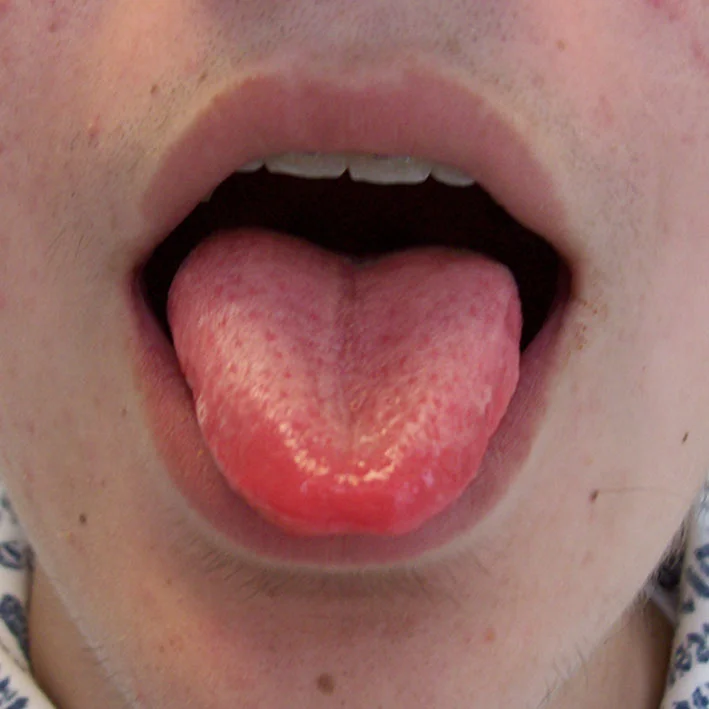
Canker sores are triggered by multiple factors and can be frustratingly unpredictable.
- Stress and anxiety
- Minor mouth injuries (from brushing, biting, or sharp foods)
- Hormonal changes during menstruation or pregnancy
- Nutritional deficiencies (particularly iron, vitamin B12, and folic acid)
- Sensitivity to certain foods like citrus, strawberries, or chocolate
- Sodium lauryl sulfate (SLS) found in many toothpastes
How Long Do Canker Sores Last?
Minor canker sores typically heal within 7 to 14 days without any treatment. Major canker sores — which are less common and larger — can take up to six weeks to heal and may leave a small scar.
If you develop canker sores frequently or they are severe enough to make eating or drinking difficult, see a doctor or dentist for evaluation.
Burning Mouth Syndrome
What Is Burning Mouth Syndrome?
Burning mouth syndrome (BMS) is a chronic condition that causes a persistent burning or scalding sensation on the tongue — often concentrated at the tip — without any visible cause or injury.
It can feel exactly like you have burned your tongue on something hot, even when you have not. The sensation may appear suddenly or build gradually over time.
Symptoms of Burning Mouth Syndrome
- Continuous burning, tingling, or numbness at the tip or across the tongue
- Dry mouth or increased thirst
- Changes in taste — metallic, bitter, or loss of taste
- The burning sensation that is worse throughout the day and better in the morning
What Causes Burning Mouth Syndrome?
BMS can have multiple underlying causes, which is why it is often difficult to diagnose and treat.
| Possible Cause | Details |
|---|---|
| Nerve damage | Damage to taste nerves or sensory nerves in the tongue |
| Hormonal changes | Common in postmenopausal women |
| Nutritional deficiencies | Low B12, folate, zinc, or iron |
| Dry mouth | Reduced saliva increases tongue sensitivity |
| Medications | Some blood pressure drugs and ACE inhibitors |
| Anxiety and depression | Psychological factors play a significant role |
| Diabetes | High blood sugar affects nerve function |
| Oral thrush | Fungal infection can trigger BMS-like symptoms |
Research has found that vitamin B complex and zinc supplements can significantly reduce burning sensations in people with BMS. If you suspect burning mouth syndrome, a doctor can help identify and treat the underlying cause.
Vitamin and Nutritional Deficiencies
Vitamin B12 Deficiency
A deficiency in vitamin B12 is one of the most direct causes of tongue pain and inflammation. Without enough B12, the tongue can become sore, smooth, and inflamed — a condition called glossitis.
You may also notice cracks at the corners of your mouth, fatigue, and changes in taste. B12 deficiency is more common in vegetarians, vegans, and older adults.
Folate (Vitamin B9) Deficiency
Folate deficiency causes similar symptoms to B12 deficiency — a swollen, red, and painful tongue. It can also lead to recurring canker sores and general mouth soreness.
Folate is found in leafy greens, legumes, and fortified cereals. Pregnant women and people with absorption issues are most at risk.
Iron Deficiency
Iron deficiency reduces oxygen supply to oral tissues, causing them to become pale, inflamed, and prone to soreness. The tongue may feel sore, appear smooth (due to loss of papillae), and be more vulnerable to infections.
Vitamin C Deficiency
Severe vitamin C deficiency leads to scurvy, which causes extreme gum bleeding, mouth ulcers, and tongue soreness. Even a moderate deficiency weakens the oral tissue, making the tongue tip more sensitive and prone to sores.
| Deficiency | Tongue Symptoms | Common In |
|---|---|---|
| Vitamin B12 | Soreness, smoothness, burning, glossitis | Vegans, older adults, those with absorption issues |
| Folate (B9) | Swelling, redness, recurrent canker sores | Pregnant women, poor diet |
| Iron | Pale, smooth, painful tongue | Women, those with blood loss or poor diet |
| Vitamin C | Ulcers, gum bleeding, tissue weakness | Poor diet, smokers |
| Zinc | Burning sensation, altered taste | Elderly, those with digestive disorders |
Infections That Cause Tongue Tip Pain
Oral Thrush (Candida Infection)
Oral thrush is a fungal infection caused by Candida yeast. It creates white, creamy patches on the tongue and inside the mouth that can be wiped off, revealing a red and painful surface underneath.
The tongue tip is commonly affected. It occurs most often in people with weakened immune systems, those taking antibiotics, or those with uncontrolled diabetes. Treatment involves antifungal medication.
Cold Sores (Herpes Simplex Virus)
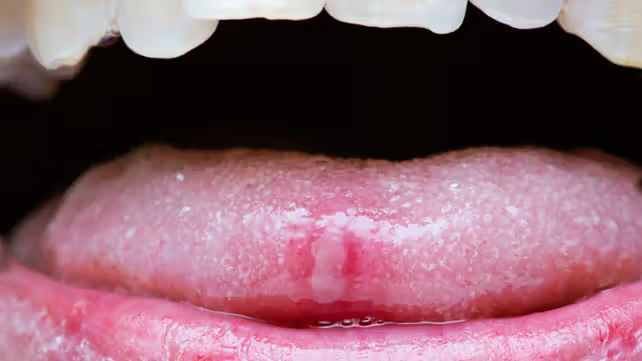
The herpes simplex virus usually causes cold sores on the lips, but it can occasionally spread to the tongue tip. These appear as small, fluid-filled blisters that burst and become painful sores.
Cold sores are contagious and can be triggered by stress, sun exposure, illness, or fatigue. They typically heal within 7 to 10 days.
Hand, Foot, and Mouth Disease
This viral infection, more common in children but also seen in adults, causes painful blisters inside the mouth including on the tongue. It is highly contagious and accompanied by a rash on the hands and feet.
Syphilis
Syphilis can cause sores called chancres that appear on the tip of the tongue. They start as small red patches and develop into open sores. This is a serious infection that requires immediate medical treatment with antibiotics.
Geographic Tongue
What Is Geographic Tongue?
Geographic tongue (benign migratory glossitis) is a harmless condition in which smooth, red patches surrounded by white borders appear on the tongue surface. The pattern resembles a map — hence the name.
These patches can appear, disappear, and shift locations over time. They may cause mild sensitivity or discomfort, particularly in response to hot, spicy, or acidic foods.
Geographic tongue affects between 1 and 3 percent of the population. It is not contagious, not linked to cancer, and generally does not require treatment.
Burning Mouth from Food Reactions
Spicy and Acidic Foods
Spicy foods containing capsaicin can cause an intense burning sensation on the tongue tip even in people who are not allergic. The effect is temporary but can be uncomfortable for hours afterward.
Highly acidic foods — citrus fruits, tomatoes, vinegar-based foods, and sour candy — can erode the delicate surface of the tongue tip and cause rawness and pain.
Oral Allergy Syndrome
Some people experience tongue tingling or mild pain after eating certain raw fruits, vegetables, or tree nuts. This is called oral allergy syndrome, a cross-reaction between food proteins and pollen allergens.
The reaction is usually mild and temporary, but severe cases may require medical evaluation and an epinephrine auto-injector.
Sodium Lauryl Sulfate in Toothpaste
Sodium lauryl sulfate (SLS) is a foaming agent found in many commercial toothpastes. Some people are sensitive to SLS, which can cause irritation, redness, and canker sores on the tongue and inside the mouth.
Switching to an SLS-free toothpaste can significantly reduce tongue tip irritation for those with this sensitivity.
Glossitis: Tongue Inflammation
What Is Glossitis?
Glossitis is a condition in which the tongue becomes swollen, inflamed, and changes color. The papillae (small bumps that hold taste buds) may disappear, leaving the tongue looking smooth and shiny.
Pain is a common symptom. Glossitis can affect the entire tongue or be localized to the tip. It has many possible causes including nutritional deficiencies, infections, allergies, and autoimmune conditions.
Types of Glossitis
- Acute glossitis — Sudden inflammation, often from infection or allergic reaction
- Chronic glossitis — Persistent inflammation, often linked to nutritional deficiency
- Atrophic glossitis — Loss of papillae causing a smooth, sore tongue
- Benign migratory glossitis — Geographic tongue
Treatment depends on the underlying cause. A doctor may prescribe antibiotics, antifungals, corticosteroids, or vitamin supplements depending on what is driving the inflammation.
Nerve Pain and Glossopharyngeal Neuralgia
Tongue Tip Pain from Nerve Issues
The tongue is densely packed with nerve endings. When these nerves become irritated or damaged, the pain can be intense and localized to the tip or a specific area of the tongue.
Glossopharyngeal neuralgia is a rare but severe condition that causes sharp, stabbing pain in the tongue, throat, and ear. It is caused by irritation of the glossopharyngeal nerve and may be triggered by swallowing, talking, or touching the tongue.
This condition requires medical diagnosis and is treated with nerve pain medications, nerve blocks, or in some cases, surgery.
When Tongue Pain Could Be Oral Cancer
Warning Signs You Must Not Ignore
Most tongue pain is harmless and heals on its own. However, certain signs require urgent medical evaluation because they can indicate tongue cancer or oral cancer.
See a doctor immediately if you notice:
- A sore or ulcer on the tongue that does not heal after two weeks
- A lump, thickened patch, or hard area on the tongue
- Red patches (erythroplakia) or white patches (leukoplakia) on the tongue that do not go away
- A sore that bleeds easily when touched
- Numbness or loss of sensation in the tongue or jaw
- Persistent pain when swallowing or speaking
- Swelling or a lump in the neck
Many early-stage oral cancers are painless, so do not assume a painless sore is safe to ignore. Tongue cancer is most commonly squamous cell carcinoma, and early detection dramatically improves treatment outcomes.
Risk factors for tongue cancer include tobacco use, heavy alcohol consumption, HPV infection, and a history of oral cancers.
Home Remedies for Tongue Tip Pain
These remedies can reduce pain and support healing for minor tongue injuries, canker sores, and mild irritation.
Saltwater Rinse
Dissolve half a teaspoon of salt in a cup of warm water and swish gently for 30 seconds. Saltwater reduces inflammation, kills bacteria, and soothes irritated tissue.
This is one of the safest and most effective home remedies for tongue pain and should be repeated two to three times daily for best results.
Ice and Cold Water
Holding an ice chip on the tongue tip or sipping cold water can numb the area and provide immediate but temporary relief. Cold reduces inflammation and slows nerve signaling in the affected area.
This is especially helpful immediately after a burn from hot food or drink.
Honey
Raw honey has natural antibacterial and anti-inflammatory properties. Applying a small amount directly to a canker sore or sore spot on the tongue tip can soothe pain and support healing.
Coconut Oil Pulling
Swishing a tablespoon of coconut oil around the mouth for five to ten minutes (oil pulling) has antibacterial properties that can help reduce oral infections and inflammation.
Avoiding Triggers
During healing, avoid spicy foods, acidic foods, salty snacks, very hot drinks, and rough-textured foods. These irritate the tongue tip and delay recovery.
Soft, cool foods like yogurt, smoothies, mashed potatoes, and cold soups are the best choices when your tongue is painful.
Topical Benzocaine Gel
Over-the-counter numbing gels containing benzocaine can be applied directly to a canker sore or sore area on the tongue tip to relieve pain before eating or speaking.
Professional Treatments for Tongue Tip Pain
When home care is not enough, a dentist or doctor can provide targeted treatment depending on the cause.
| Condition | Professional Treatment |
|---|---|
| Canker sores | Topical corticosteroid gel, prescription mouthwash, laser therapy |
| Oral thrush | Antifungal medication (nystatin, fluconazole) |
| Cold sores | Antiviral medication (acyclovir, valacyclovir) |
| Vitamin deficiency | Supplements or B12 injections |
| Burning mouth syndrome | Nerve pain medication, CBT, hormone therapy (postmenopausal) |
| Glossitis | Antibiotics, antifungals, or vitamin therapy depending on cause |
| Glossopharyngeal neuralgia | Nerve pain medication, nerve blocks, or surgery |
| Oral cancer | Biopsy, surgery, radiation, chemotherapy |
| Dental irritation | Smoothing sharp edges, adjusting dental appliances |
How to Prevent Tongue Tip Pain
Prevention is always preferable to treatment. These habits protect your tongue from the most common causes of pain.
Eat and drink mindfully. Let hot foods and drinks cool before putting them in your mouth. Take smaller bites to reduce the risk of accidentally biting your tongue tip.
Maintain good oral hygiene. Brush twice daily, floss regularly, and use an antibacterial mouthwash. Clean the tongue surface gently with a tongue scraper to remove bacteria.
Eat a nutrient-rich diet. Include foods high in B12 (meat, eggs, dairy), folate (leafy greens, legumes), iron (red meat, spinach, lentils), and vitamin C (citrus, bell peppers, strawberries).
Stay hydrated. Dry mouth increases tongue sensitivity and raises the risk of infection. Drink adequate water throughout the day to maintain healthy saliva levels.
Avoid tobacco. Smoking and chewing tobacco significantly increase the risk of oral cancer, tongue irritation, and poor wound healing.
Limit alcohol. Heavy alcohol use is a major risk factor for tongue and oral cancer and can also dry out mouth tissues.
Reduce stress. Chronic stress is directly linked to canker sore outbreaks and suppressed immune function. Regular exercise, adequate sleep, and mindfulness practices all help.
Visit your dentist regularly. Routine dental checkups catch early signs of tongue problems, oral cancer, and dental issues that cause tongue irritation. Adults should have an oral cancer screening at every regular checkup.
What the Color of Your Tongue Pain Means
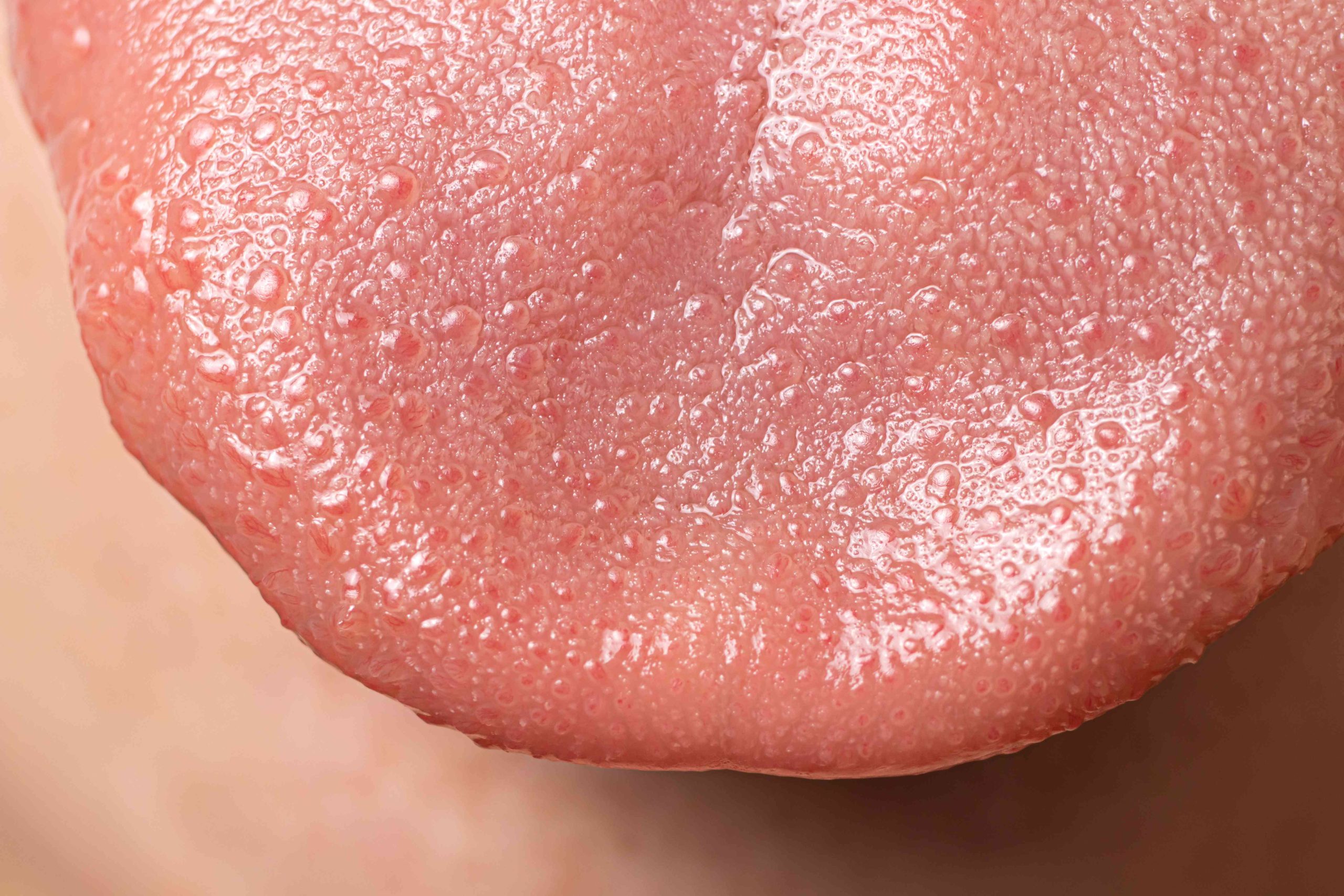
Changes in tongue color often accompany pain and can provide clues about the underlying cause.
| Tongue Appearance | Possible Cause |
|---|---|
| Red and smooth (loss of papillae) | Glossitis, vitamin B12 or iron deficiency |
| White patches that wipe off | Oral thrush (Candida) |
| White patches that do not wipe off | Leukoplakia — possible precancerous lesion |
| Red and white patches | Erythroplakia — potentially serious, needs evaluation |
| Map-like red patches with white border | Geographic tongue |
| Yellow coating | Bacterial overgrowth, dry mouth, tobacco use |
| Dark or black hairy appearance | Black hairy tongue — usually benign, caused by bacteria |
| Sores that bleed easily | Possible oral cancer — see a doctor immediately |
Frequently Asked Questions (FAQs)
Why does the tip of my tongue hurt for no reason?
Pain without an obvious cause often points to burning mouth syndrome, a vitamin deficiency, or early-stage nerve irritation. A doctor can run blood tests and a physical exam to identify the cause.
How long does tongue tip pain usually last?
Minor injuries and burns heal within three to seven days. Canker sores take seven to fourteen days. Pain that lasts more than two weeks without improvement should always be evaluated by a dentist or doctor.
Can stress cause the tip of my tongue to hurt?
Yes. Stress weakens the immune system and triggers canker sore outbreaks, which commonly appear on the tongue tip. Stress also contributes to burning mouth syndrome and delays healing of existing sores.
Is a sore on the tip of my tongue a sign of cancer?
Most tongue sores are not cancer. However, any sore that does not heal within two weeks, bleeds easily, feels hard, or is accompanied by a lump should be evaluated immediately to rule out oral cancer.
What vitamin deficiency causes tongue tip pain?
Vitamin B12, folate, iron, vitamin C, and zinc deficiencies are all linked to tongue pain and inflammation. B12 deficiency is one of the most common nutritional causes of persistent tongue soreness and burning.
Can a canker sore appear on the tip of the tongue?
Yes. The tip and sides of the tongue are among the most common locations for canker sores. They appear as small ulcers with a white or yellow center and red border and typically heal within one to two weeks.
Should I see a dentist or a doctor for tongue tip pain?
For pain related to dental causes — sharp teeth, ill-fitting dentures, dental appliances — see a dentist. For persistent pain, suspected infections, vitamin deficiencies, or unusual sores, see your doctor or visit both.
What foods should I avoid when my tongue tip hurts?
Avoid spicy foods, acidic foods (citrus, tomatoes, vinegar), salty snacks, very hot beverages, and rough-textured foods. These irritate the tongue tip and slow down healing.
Can toothpaste cause tongue tip pain?
Yes. Sodium lauryl sulfate (SLS) in many toothpastes irritates sensitive oral tissue and can trigger canker sores. Switching to an SLS-free toothpaste often reduces recurring tongue tip pain and mouth ulcers.
How do I get instant relief for a sore tongue tip?
Holding ice or sipping cold water provides quick temporary relief. A saltwater rinse reduces inflammation and pain. Over-the-counter benzocaine gel can numb the area directly for faster, more targeted relief.
Conclusion
Why does the tip of my tongue hurt is a question with many possible answers — from a simple burn or bite to a canker sore, vitamin deficiency, infection, or a condition that deserves medical attention.
The good news is that the vast majority of tongue tip pain is minor, heals on its own within one to two weeks, and can be managed comfortably at home with saltwater rinses, cold compresses, proper hydration, and a soft diet.
What matters most is knowing when to seek professional care.
If your tongue tip pain lasts more than two weeks, shows no sign of improving, comes with a lump or hard area, bleeds easily, or appears alongside unusual patches or numbness, do not wait — see a dentist or doctor promptly.
Early evaluation is always safer than delay, especially when oral cancer is a possibility.
Take care of your tongue through good nutrition, consistent oral hygiene, and regular dental checkups, and it will serve you well for a lifetime.
