

Why do I drool so much when I sleep is a question most people are too embarrassed to ask out loud — but it is extremely common.
Your body produces saliva around the clock, and during sleep your swallowing reflex slows down significantly. That combination alone can cause saliva to escape.
But when drooling is excessive, happens every night, or has suddenly gotten worse, it can point to something more specific — your sleep position, nasal congestion, acid reflux, sleep apnea, or even a medication you are taking.
What Actually Causes Drooling During Sleep?
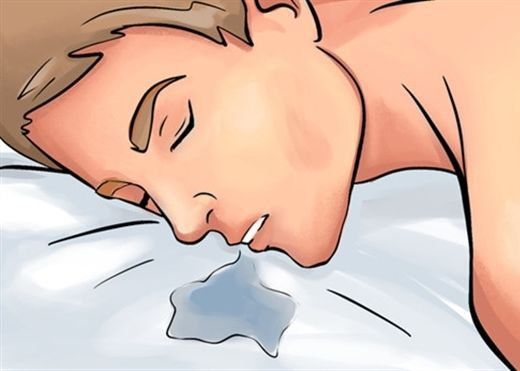
Drooling happens when saliva builds up faster than your sleeping body can manage it. During waking hours, you swallow roughly every minute without even thinking about it. During sleep, that swallowing reflex slows dramatically.
Your body produces between 1 and 2 liters of saliva every single day — and that production does not stop when you close your eyes. The saliva that would normally be swallowed starts to pool.
If your mouth is open, gravity does the rest. The saliva follows the path of least resistance — onto your pillow.
The Role of Sleep Position in Drooling
Sleep position is the single most common reason people drool at night. The physics are simple and unavoidable.
When you sleep on your back, gravity keeps saliva at the back of your throat, where the swallowing reflex can still manage it. Little or none escapes onto the pillow.
When you sleep on your side, gravity pulls saliva toward the lower cheek and out through your lips. When you sleep on your stomach, your face is pressed against the pillow and saliva transfers by direct contact — drooling happens almost constantly if your mouth is open.
Side sleepers and stomach sleepers who also breathe through their mouths are the most likely people to drool heavily every night.
Why Your Mouth Falls Open During Sleep
The muscles around your jaw and lips relax deeply during sleep — especially during the deeper stages of the sleep cycle. Your jaw drops slightly, your lips part, and saliva that your waking muscles would hold in has a clear exit route.
This muscle relaxation is completely normal and happens to everyone. The difference between people who drool and people who do not often comes down to whether their airway is open enough to breathe through the nose.
If nasal breathing is blocked, the mouth opens wider to compensate. More open mouth means more drooling.
Nasal Congestion and Mouth Breathing
Blocked nasal passages are one of the most frequent drivers of excessive nighttime drooling. When your nose is congested — whether from seasonal allergies, a cold, a sinus infection, or a structural issue — your body switches to mouth breathing automatically during sleep.
Mouth breathing does two things that promote drooling. First, it dries out the throat and tongue, which signals your salivary glands to produce more saliva. Second, it keeps the mouth open, giving that saliva an easy escape route.
People with chronic nasal congestion often find that treating the congestion — whether with antihistamines, nasal steroids, saline rinses, or allergy shots — dramatically reduces their nighttime drooling without changing anything else.
Allergies and Sinus Infections
Seasonal allergies cause inflammation in the sinus passages and can block airways significantly. Tree pollen, dust mites, pet dander, and mold are all common triggers that spike nasal congestion during sleep.
Sinus infections — whether acute or chronic — add infection-related swelling on top of congestion. Both conditions force mouth breathing and increase saliva production at the same time.
If your drooling is noticeably worse during allergy season or when you have a cold, this is almost certainly the main cause. Treating the underlying allergy or infection addresses the drooling at its source.
GERD and Acid Reflux
Gastroesophageal reflux disease (GERD) is a surprisingly common cause of excessive nighttime drooling that many people never connect to their pillow situation.
When stomach acid travels back up into the esophagus during sleep, the body responds with a protective reflex called water brash — dramatically increased saliva production to neutralize the acid. This reflex is your body’s attempt to coat and protect the esophagus lining.
GERD-related drooling is often accompanied by other symptoms including a sour or bitter taste in the mouth on waking, a burning sensation in the chest, a feeling of a lump in the throat, or interrupted sleep. If these sound familiar alongside your drooling, GERD deserves serious attention.
Lying flat at night makes acid reflux worse because gravity no longer helps keep stomach contents down. Elevating the head of the bed by 6 to 8 inches, avoiding large meals within 2 to 3 hours of bedtime, and following a treatment plan with a doctor can all reduce GERD-related drooling significantly.
Obstructive Sleep Apnea
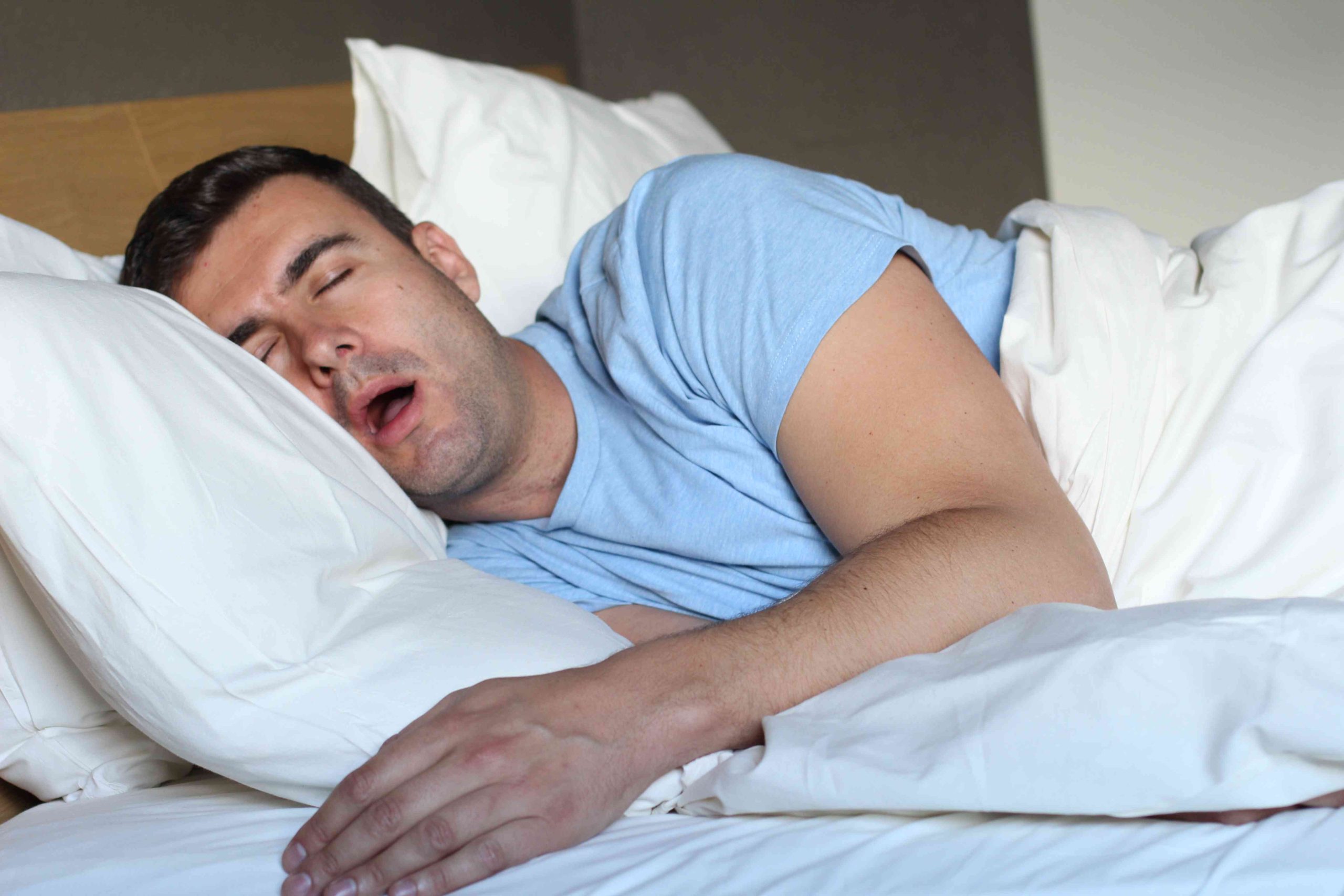
Obstructive sleep apnea (OSA) is one of the more serious underlying causes of excessive drooling during sleep — and one that is frequently undiagnosed. Approximately 23.5 million people in the United States are estimated to have sleep apnea without knowing it.
With OSA, the upper airway collapses repeatedly throughout the night, cutting off normal breathing. The body responds by opening the mouth wider to try to pull in more air. A wide-open mouth combined with the gasping, snoring, and choking that often accompanies apnea creates constant drooling.
People with sleep apnea frequently wake up with a soaking wet pillow, a very dry mouth, and a morning headache — despite having slept for 7 or 8 hours. They often also feel unrefreshed and excessively tired during the day.
If your drooling comes with loud snoring, gasping or choking during sleep (often reported by a partner), frequent nighttime waking, morning headaches, or persistent daytime fatigue, sleep apnea is a strong possibility and warrants a formal sleep study.
Medication Side Effects
Many commonly prescribed medications list excessive salivation — medically called sialorrhea — as a side effect. If you only started drooling after beginning a new medication, the drug is the likely culprit.
Medications known to cause increased saliva production or reduced muscle control include:
Antipsychotic medications — particularly clozapine, which is strongly associated with nighttime drooling. Certain antibiotics. Cholinesterase inhibitors used in Alzheimer’s treatment. Some anticonvulsants. Sedatives and muscle relaxants, which reduce the control of oral muscles. Some antidepressants.
Do not stop taking a prescribed medication because of drooling without speaking to your doctor first. In many cases, an alternative medication can be substituted, or the dosage can be adjusted to reduce the side effect.
Neurological Conditions
The muscles and nerves involved in swallowing and saliva control depend on a healthy nervous system. When neurological conditions affect those pathways, drooling can become a persistent and significant problem.
Parkinson’s disease is one of the most common neurological causes of drooling in adults. It impairs the automatic swallowing reflex and reduces the smooth muscle control needed to keep saliva contained — especially during sleep.
Stroke can damage the areas of the brain responsible for swallowing, leading to dysphagia (difficulty swallowing) and drooling. ALS (amyotrophic lateral sclerosis) and cerebral palsy also affect the oral and throat muscles involved in saliva management.
If drooling begins suddenly in an adult with no obvious cause — and especially if it comes alongside other new symptoms like difficulty swallowing, changes in speech, facial weakness, or coordination problems — a neurological evaluation is important.
Teeth Grinding and Dental Issues
Bruxism — the grinding or clenching of teeth during sleep — is connected to drooling in several ways. The muscle activity involved in grinding can affect jaw position and oral muscle tension during sleep.
Dental misalignment, including significant overbites or underbites, can make it harder for the lips to close fully at rest. When the upper and lower teeth do not meet properly, the mouth may remain slightly open during sleep even without any other contributing factor.
A dentist can assess whether bite issues or bruxism are contributing to your drooling and may recommend a custom oral appliance to correct the jaw position during sleep.
Pregnancy
Drooling is a common and often unexpected side effect of pregnancy. Hormonal changes during the first trimester can increase saliva production significantly — a condition sometimes called ptyalism gravidarum.
Pregnancy-related nausea also contributes. When nausea makes swallowing uncomfortable, saliva accumulates and drooling increases. GERD is also more common during pregnancy due to the pressure of the growing uterus on the stomach.
For most pregnant people, drooling improves as the pregnancy progresses past the first trimester, though it can persist longer in some cases.
Is Drooling During Sleep Normal or a Warning Sign?
For most people, some drooling during sleep is completely normal and harmless. It does not damage health and requires no medical treatment.
However, there are situations where drooling deserves proper medical attention.
| Situation | Action Needed |
|---|---|
| Occasional, minor, no other symptoms | Normal — adjust sleep position |
| Every night, associated with snoring and fatigue | See a doctor — rule out sleep apnea |
| Started after a new medication | Speak to prescribing doctor |
| Accompanied by heartburn or sour taste | Evaluate for GERD |
| Sudden onset in an adult with new symptoms | Urgent neurological evaluation |
| Associated with difficulty swallowing | Medical evaluation needed |
| In an older adult with progressive symptoms | Neurological assessment |
New-onset excessive drooling in an adult — especially combined with other symptoms — should always be evaluated by a doctor. Early detection of conditions like Parkinson’s disease or sleep apnea leads to much better outcomes.
How Much Drooling Is Too Much?
There is no precise volume that defines “excessive” drooling — the definition is largely functional. Drooling becomes a concern when it impacts your quality of life, causes skin irritation around the mouth, saturates your pillow nightly, wakes you up repeatedly, or suggests an underlying medical condition.
A thin trace of dried saliva on your pillow in the morning is typical for many people. Waking to a completely soaked pillowcase every single night, especially combined with other symptoms, is worth discussing with a healthcare provider.
Health Consequences of Excessive Drooling
Drooling itself is not dangerous for most people, but chronic excessive drooling can have secondary effects worth knowing about.
Bad breath is a common result. Saliva that pools on a pillow and dries overnight creates an environment for bacterial growth — both on the pillow and in the mouth.
Skin irritation can develop around the lips and chin from repeated contact with saliva during sleep. This is more common in older adults and people with drooling caused by neurological conditions.
Dehydration can result from very excessive drooling over long periods, as significant amounts of water and electrolytes are lost through saliva.
Sleep quality can be affected if drooling is caused by sleep apnea or chronic nasal obstruction — the drooling is a symptom, and the underlying condition is disrupting restorative sleep.
How to Stop Drooling in Your Sleep: Practical Solutions
Change Your Sleep Position
Switching from side or stomach sleeping to back sleeping is the single most effective and immediate change you can make. When you sleep on your back, gravity works in your favor — saliva flows toward the throat and triggers the swallowing reflex rather than pooling at the corner of your mouth.
If you have spent years as a side sleeper, switching takes patience. Place pillows on either side of your body to help prevent rolling back to your habitual position. A body pillow along your preferred side can be very effective.
Note that people with GERD or severe acid reflux may find that back sleeping makes reflux worse. In those cases, sleeping on the left side (with the head slightly elevated) is often the better recommendation from gastroenterologists.
Elevate Your Head
Even if you cannot switch to full back sleeping, elevating your head reduces the angle at which saliva can drain toward the lips. A wedge pillow that gradually elevates the upper body works better than simply stacking flat pillows, which often shift during the night.
Elevating the head of your bed slightly — by placing risers under the bed frame feet on the head-end — achieves continuous elevation without relying on pillows. This is also beneficial for GERD.
Treat Nasal Congestion
If congestion is driving your mouth breathing and drooling, treating the congestion is the most direct solution. Options include:
Saline nasal rinses before bed clear mucus and reduce inflammation naturally. Over-the-counter nasal decongestant sprays provide short-term relief but should not be used for more than three consecutive days to avoid rebound congestion. Nasal corticosteroid sprays (like fluticasone) are very effective for allergy-related congestion and are safe for long-term use. Antihistamines reduce allergy symptoms but some cause sedation, which can relax oral muscles and worsen drooling — non-drowsy formulations are preferable. For structural issues like a deviated septum or enlarged adenoids, an ear, nose, and throat specialist can assess whether surgical correction would help.
Address GERD
If acid reflux is driving your drooling, lifestyle changes and medical treatment can make a significant difference.
Avoid eating large meals within two to three hours of bedtime. Reduce trigger foods — commonly citrus, tomatoes, spicy foods, chocolate, caffeine, and alcohol. Elevate the head of the bed. Maintain a healthy weight, as excess abdominal weight increases stomach pressure. Speak to a doctor about medication options — proton pump inhibitors (PPIs) and H2 blockers reduce acid production effectively.
Get Evaluated for Sleep Apnea
If sleep apnea is suspected based on your symptoms, a sleep study is the necessary next step. This can be done in a sleep clinic or — increasingly — at home with a portable monitoring device.
Treatment for sleep apnea directly reduces drooling in most cases because it reopens the airway and eliminates the need to sleep with the mouth wide open. CPAP (continuous positive airway pressure) therapy is the gold-standard treatment. Oral appliance therapy — a custom-fitted mouthpiece designed by a sleep dentist — is an effective alternative for mild to moderate OSA.
Mouth Taping and Nasal Breathing Aids
Mouth tape — strips of gentle tape applied across the lips at bedtime to encourage nasal breathing — has gained popularity in recent years. It physically prevents the mouth from falling open during sleep.
The evidence on mouth tape is mixed. It may help mild mouth breathers without any structural nasal blockage. However, it is not recommended for people with sleep apnea, significant nasal congestion, or any breathing difficulty — it can be unsafe in those cases. Always clear significant nasal obstruction before attempting mouth tape.
Nasal dilator strips worn across the bridge of the nose open the nasal passages slightly and can improve airflow enough to reduce mouth breathing in some people.
Use Airtight Containers Before Bed
Mouthwash and good oral hygiene before bed reduce the bacterial load in saliva. While this does not stop drooling, it reduces the bad breath and bacterial growth that drooling can cause overnight. Brushing teeth and using an antibacterial rinse last thing before sleep is a good habit regardless.
Medical Treatments for Severe Drooling
When drooling is severe, persistent, and caused by a medical condition, clinical treatment options are available.
Anticholinergic medications reduce saliva production by blocking the nerve signals that stimulate the salivary glands. They are effective but have side effects including dry mouth, constipation, urinary retention, and in some people cognitive effects — so they are used carefully and under medical supervision.
Botulinum toxin injections (Botox) injected directly into the salivary glands prevent them from overproducing saliva. This is considered safe and effective with few side effects. The effects last several months before repeat injections are needed. It is commonly used in people with neurological conditions causing severe drooling.
Speech therapy teaches exercises that strengthen the tongue, jaw, and throat muscles involved in swallowing. Improved swallowing control reduces the amount of saliva that escapes. This is particularly useful for people with neurological conditions affecting oral motor control.
Surgery is reserved for very severe cases where all other options have failed. Surgical approaches include removing or repositioning the salivary glands, or rerouting the salivary ducts to deliver saliva further back in the mouth where it is more easily swallowed.
Drooling by Age: Children, Adults, and Older Adults
Drooling means very different things depending on age.
| Age Group | Normal or Concerning? | Common Causes |
|---|---|---|
| Infants (0–12 months) | Completely normal | Immature swallowing reflex, teething |
| Toddlers (1–3 years) | Mostly normal | Teething, learning oral motor control |
| Children (4+) | Usually outgrown | Persistent drooling may need evaluation |
| Healthy adults | Occasional, positional | Sleep position, congestion, mild GERD |
| Adults with new-onset drooling | Warrants evaluation | Medication, GERD, sleep apnea, neurological |
| Older adults | More common | Neurological conditions, medication side effects |
Most children outgrow nighttime drooling naturally as their swallowing reflexes and oral muscles develop. Persistent drooling in a child over 4 years old should be discussed with a pediatrician.
In older adults, new or worsening drooling should always prompt a medical review — it can be an early sign of a neurological condition that benefits significantly from early treatment.
When Should You See a Doctor?
Most drooling is harmless and can be addressed with position changes and basic lifestyle adjustments. But certain situations call for professional evaluation.
See a doctor if your drooling is sudden and new with no obvious cause. See a doctor if it is accompanied by snoring, gasping at night, choking sensations, or persistent daytime fatigue. See a doctor if it comes with heartburn, regurgitation, or difficulty swallowing. See a doctor if it began after starting a new medication and is significantly disruptive. See a doctor if you notice any weakness, coordination changes, speech changes, or facial asymmetry alongside new drooling — these require urgent assessment.
Do not dismiss excessive drooling as just an embarrassing quirk if it is genuinely affecting your sleep quality or daily life. It is a symptom with identifiable and treatable causes in the vast majority of cases.
Drooling and Sleep Quality: The Connection
When drooling is caused by sleep apnea or severe nasal obstruction, the drooling is actually the least of your problems — the underlying condition is what is damaging your health.
Untreated sleep apnea raises the risk of hypertension, heart attack, stroke, type 2 diabetes, and depression. It fragments sleep so severely that even people who sleep 8 hours feel chronically unrested.
If you drool and also wake up tired no matter how much you sleep, that combination is a red flag that deserves a proper sleep evaluation — not just a new pillowcase.
Simple Overnight Protective Measures
While addressing the root cause, a few practical measures make the situation more manageable night to night.
Waterproof pillow protectors prevent saliva from soaking into the pillow itself, where bacteria and mold can develop in a chronically damp environment. They are easy to wash and protect the pillow long-term.
Keeping a spare pillowcase nearby for easy swaps during the night reduces discomfort from sleeping on a wet surface.
Applying a gentle moisturizing barrier cream around the lips and chin before sleep protects the skin from irritation caused by repeated contact with saliva.
10 Frequently Asked Questions
Why do I drool so much when I sleep all of a sudden?
Sudden new drooling in an adult is often caused by a new medication, worsening GERD, new nasal congestion, or the onset of a neurological or sleep-related condition. It warrants a doctor visit if it persists more than a week or two without an obvious cause.
Is drooling in your sleep a sign of something serious?
Most of the time drooling is harmless and positional. It becomes a concern when combined with snoring and fatigue (sleep apnea), difficulty swallowing, or other new neurological symptoms — all of which need medical evaluation.
Does drooling mean I have sleep apnea?
Not automatically — sleep apnea is one possible cause among several. However, if your drooling comes with loud snoring, gasping, morning headaches, or persistent tiredness, sleep apnea is a strong possibility and a sleep study is the way to confirm or rule it out.
Can GERD cause drooling at night?
Yes — when stomach acid irritates the esophagus, the body produces extra saliva as a protective reflex. This water brash response can significantly increase drooling during sleep, often alongside heartburn and a sour taste on waking.
How do I stop drooling in my sleep?
Start with sleep position — switching to back sleeping is the most effective single change. Then address any nasal congestion, treat GERD if present, and see a doctor if sleep apnea is suspected. Most causes are very manageable once identified.
Why do I drool more on some nights than others?
Drooling varies with nasal congestion levels, alcohol consumption (which relaxes muscles and disrupts sleep), sleep position, sleep depth, and how recently you ate. Allergies and seasonal changes are common reasons for increased drooling during specific periods.
Can medications cause excessive drooling at night?
Yes — antipsychotics (especially clozapine), some antibiotics, cholinesterase inhibitors, sedatives, and muscle relaxants are all known to increase saliva production or reduce muscle control. Speak to your doctor before stopping any prescribed medication.
Is drooling during sleep bad for you?
For most people, occasional drooling causes no harm. Chronic heavy drooling can cause bad breath, skin irritation around the mouth, and pillow hygiene issues. When caused by sleep apnea, the underlying condition carries serious health risks if untreated.
Why do side sleepers drool more than back sleepers?
Gravity. When you sleep on your side, saliva pools in the lower cheek and flows toward the lips. When you sleep on your back, saliva pools at the back of the throat and triggers the swallowing reflex instead of escaping.
Should I use mouth tape to stop drooling during sleep?
Mouth tape may help mild mouth breathers with no structural nasal blockage. It is not safe for people with sleep apnea, significant nasal congestion, or breathing difficulties. Clear any obstruction before considering it and speak to a doctor if in doubt.
Conclusion
Why do I drool so much when I sleep is a question with a very clear and findable answer for most people.
In the majority of cases it comes down to sleep position, nasal congestion, or a combination of both — simple causes with simple solutions.
But when drooling is excessive, new, or paired with other symptoms like snoring, heartburn, difficulty swallowing, or persistent fatigue, it is pointing at something worth taking seriously.
Sleep apnea, GERD, and neurological conditions are all very treatable when caught early, and treating them almost always resolves the drooling as a side effect.
Start with the basics — switch to back sleeping, clear your nasal passages, cool your eating habits before bed — and monitor carefully.
If the problem persists or worsens, do not put off a conversation with your doctor.
A wet pillow is embarrassing; missing a treatable diagnosis is costly.
