

Why do my eyes burn when I cry is one of the most searched eye health questions in 2026 — and you are definitely not alone in asking it. Tears are supposed to soothe and protect your eyes, so burning after crying can feel confusing and even alarming.
The truth is that the burning sensation is usually linked to the chemical makeup of your tears, your tear film health, or an underlying eye condition you may not know you have.
What Are Tears Actually Made Of?
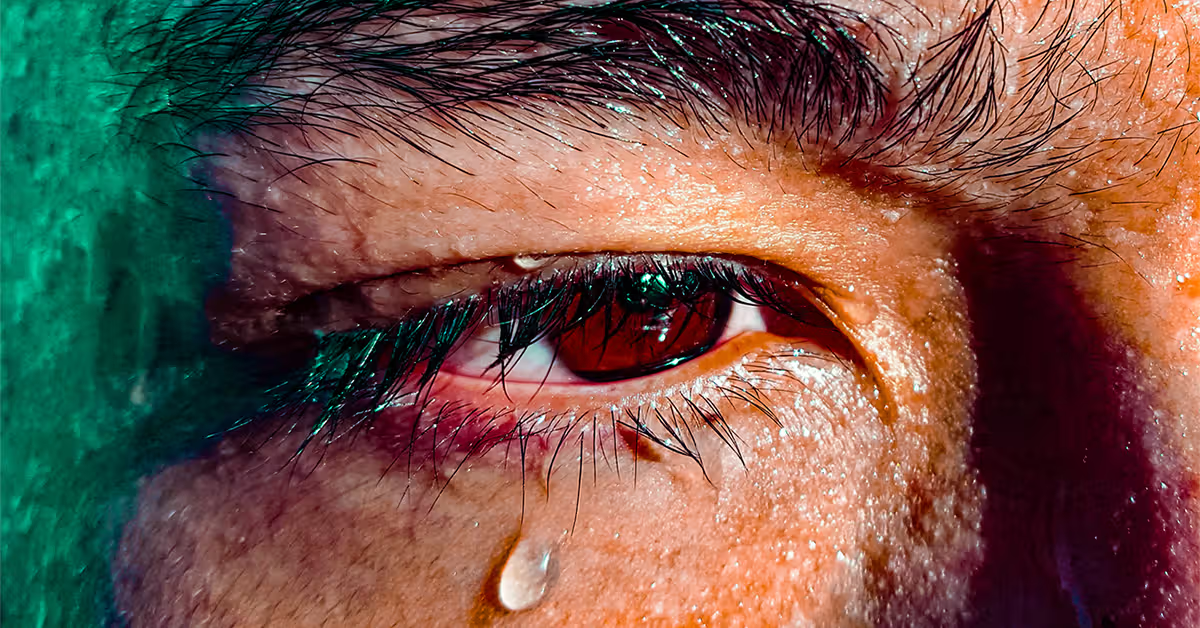
Most people think tears are just salty water. They are actually a complex three-layer structure called the tear film.
The tear film covers your entire eye surface every time you blink. When this film is balanced, your eyes feel comfortable, clear, and moist. When even one layer is disrupted, irritation and burning can follow.
The Three Layers of the Tear Film
| Layer | Produced By | Function |
|---|---|---|
| Oily (Outer) Layer | Meibomian glands | Prevents tears from evaporating too quickly |
| Watery (Middle) Layer | Lacrimal glands | Hydrates, delivers oxygen, washes away debris |
| Mucous (Inner) Layer | Goblet cells in the conjunctiva | Helps the tear film stick evenly to the eye surface |
If the oily layer is too thin, tears evaporate fast. If the watery layer is low, eyes feel dry and scratchy. If the mucous layer is uneven, the film spreads poorly and causes irritation.
The Three Types of Tears
Not all tears are the same. Your body produces three distinct types, and each one has a different chemical composition that affects how your eyes feel.
Basal tears are the everyday tears your eyes produce constantly. They keep your cornea lubricated, nourished, and protected from dust and debris. These are the most balanced tears and rarely cause burning.
Reflex tears are triggered when your eyes need to flush out an irritant — like smoke, dust, onion fumes, or wind. They contain a higher concentration of salt, antibodies, and enzymes like lysozyme. This elevated content is what makes them sting as they actively fight off the irritant.
Emotional tears are produced in response to strong feelings like sadness, joy, or stress. They contain additional hormones, proteins, and stress-related chemicals not found in basal tears. The surge in volume combined with their unique composition is a major reason your eyes burn when you cry emotionally.
Why Do My Eyes Burn When I Cry — The Main Science
When you cry emotionally, your lacrimal glands flood your eyes with a large volume of tears quickly. These emotional tears have a different chemical profile from the basal tears your eyes are used to.
The higher salt and protein content in emotional tears can irritate the sensitive surface of your cornea and conjunctiva. This is especially true if your baseline tear film is already imbalanced or compromised.
On top of that, emotional crying often involves rubbing your eyes. Rubbing increases irritation, spreads bacteria, and further disrupts the delicate tear film — all of which make the burning sensation worse.
Common Cause 1 — Tear Composition Imbalance
The most basic reason your eyes burn when you cry is the chemistry of emotional tears themselves.
Emotional tears have higher levels of stress hormones like prolactin and adrenocorticotropic hormone (ACTH). They also contain more salt compared to basal tears. When this salty, protein-rich fluid contacts your cornea in large volumes, it creates a temporary stinging reaction.
This is completely normal for most people. The burn is usually mild and fades within a few minutes once your tear film rebalances. If it does not fade, an underlying cause is likely involved.
Common Cause 2 — Dry Eye Syndrome
Dry eye syndrome is one of the top causes of burning eyes during and after crying. It occurs when your eyes do not produce enough tears or the tears you produce lack the right balance of components.
When someone with dry eye cries, the sudden flood of watery emotional tears provides brief, temporary relief. But these tears are missing the critical oily layer, so they evaporate almost immediately. The result is that the cornea becomes even more exposed and irritated after crying than it was before.
Dry eye also triggers a frustrating cycle. The dryness causes your eyes to produce extra reflex tears as compensation. But since these tears are low quality, the irritation continues without real relief. This is called compensatory tearing and is very common in people with dry eye disease.
Common symptoms of dry eye syndrome:
Burning or stinging that gets worse after crying, a scratchy or gritty sensation, redness, blurry vision that clears when you blink, and excessive watering that paradoxically feels dry and irritated. Dry eye is also more common in older adults because tear production naturally decreases with age.
Common Cause 3 — Blepharitis (Eyelid Inflammation)
Blepharitis is a chronic inflammation of the eyelids, typically caused by excess bacteria collecting at the base of the eyelashes or by blocked meibomian glands. It is one of the most common eye conditions and a major contributor to burning eyes when crying.
When the meibomian glands are blocked or inflamed due to blepharitis, they cannot produce enough oil for the outer layer of the tear film. Without this oily layer, tears evaporate too quickly and the eye surface becomes dry, irritated, and vulnerable to burning.
Blepharitis can also be triggered or worsened by skin conditions like rosacea. People with rosacea are particularly prone to blocked oil glands and eyelid inflammation. Crying aggravates the already-sensitive eye surface, making the burning feel far more intense.
Signs that blepharitis may be your cause:
Crusty or flaky debris at the base of eyelashes, red or swollen eyelid edges, eyes that feel sore or gritty throughout the day, and burning that is worse in the morning. Eyelid hygiene — gently cleaning the lids with a warm cloth daily — can significantly reduce symptoms over time.
Common Cause 4 — Eye Allergies
Seasonal and environmental allergies are a major cause of burning, watery, and itchy eyes. Common allergens include pollen, pet dander, mold spores, dust mites, and even ingredients in cosmetics or skincare products.
When you cry, the emotional tears mix with allergen particles that are already sitting on the surface of your eye. This mixing increases the concentration of allergens touching your cornea and conjunctiva, which intensifies the burning and itching reaction.
Rubbing your eyes while crying makes allergy-related burning significantly worse. Rubbing releases more histamine in the eye tissue, which deepens the allergic response and can cause visible redness and swelling.
How to tell if allergies are causing your burning eyes:
Eye allergy symptoms almost always appear in both eyes at the same time. They are typically accompanied by sneezing, a runny nose, nasal congestion, or itchy throat. Seasonal patterns (spring pollen, fall mold) are another strong clue that allergies are involved.
Common Cause 5 — Environmental Irritants
Smoke, dust, pollution, wind, strong cleaning products, chlorine from swimming pools, and onion fumes all trigger reflex tears. These tears are packed with salt, antibodies, and enzymes to fight the irritant — and that elevated content causes burning as the tears do their job.
Once the irritant is removed, the burning from reflex tears typically stops quickly. This is different from the lingering burning that follows emotional crying or an underlying condition.
Dry or windy conditions speed up tear evaporation. In these environments, even normal crying can feel more burning than usual because the salty tears dry on the corneal surface before they can be wiped away, leaving a concentrated salt residue behind.
Common Cause 6 — Dehydration
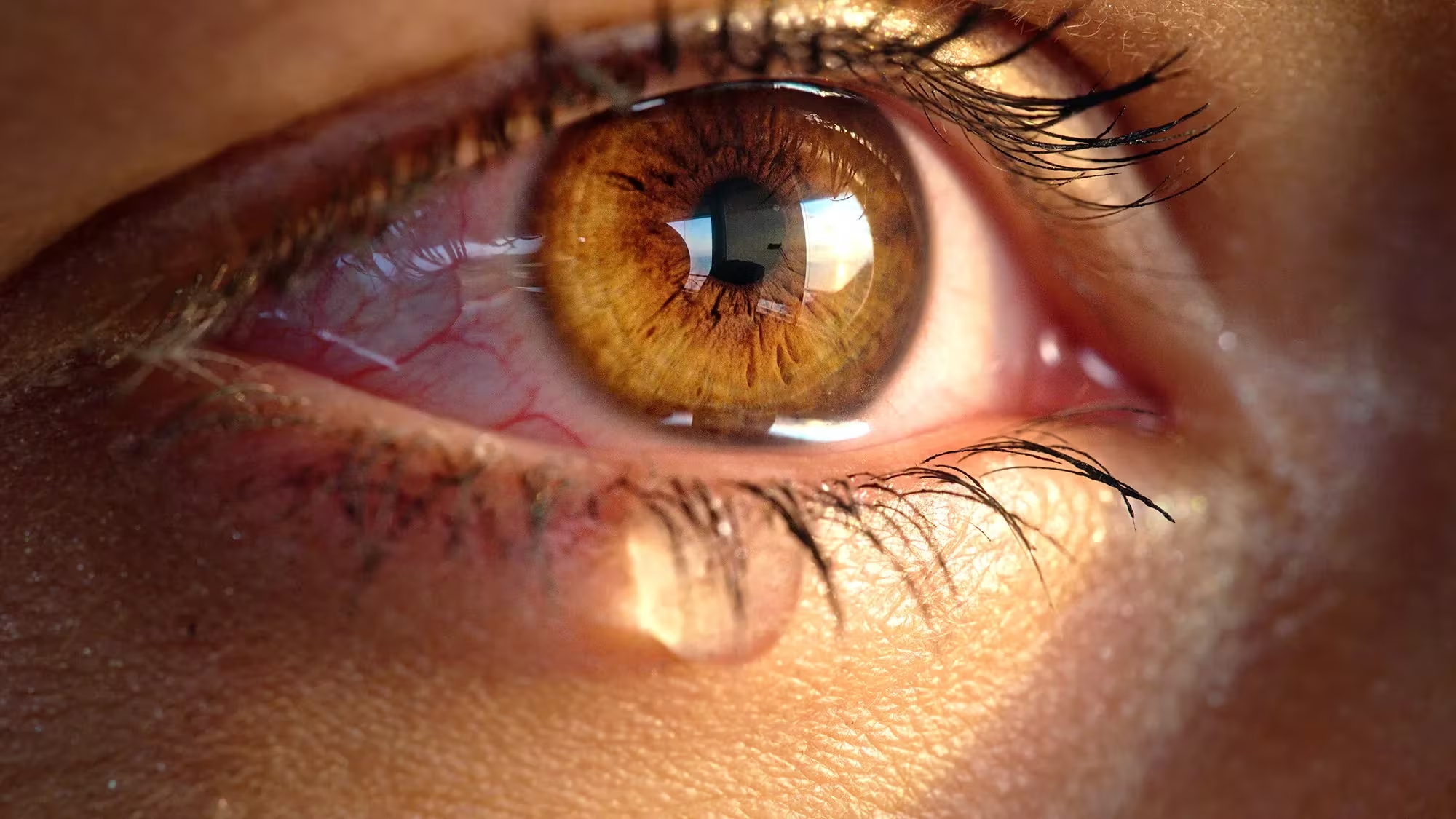
When you are dehydrated, your entire body has less water available. Your lacrimal glands produce fewer tears and the tears they do make are saltier and less well-balanced than normal.
Saltier tears mean that even routine crying or minor irritation causes more burning than it would if you were properly hydrated. Dehydration also makes the mucous layer of the tear film thinner, which reduces how evenly the tear film spreads across your eye surface.
Drinking enough water throughout the day is one of the simplest ways to support healthy tear production. Most adults need around 8 cups of water per day as a baseline, with more if you are active, in a hot climate, or consuming caffeine and alcohol which promote fluid loss.
Common Cause 7 — Contact Lenses
Contact lenses sit directly on the cornea and can significantly affect how your eyes respond to crying. Wearing lenses — especially for long periods or with poor fit — reduces oxygen flow to the ocular surface and increases baseline dryness.
When emotional tears flood the eye, they can disrupt the lens position, wash away lens-compatible moisture, and flush irritants trapped under the lens across the cornea. This creates a burning sensation that is often more intense than it would be without lenses.
Extended wear lenses, older lens designs, and contact solutions with preservatives all increase the risk of burning eyes during and after crying. Switching to daily disposables or preservative-free solutions often helps.
Common Cause 8 — Makeup and Skincare Products
Mascara, eyeliner, eye shadow, foundation, and skincare products like moisturizers, serums, and sunscreen can all wash into your eyes when you cry. These products often contain preservatives, fragrances, and dyes that irritate the delicate corneal surface.
Waterproof makeup is particularly problematic because it contains stronger bonding agents and oils that are harder to remove. When it mixes with crying tears, it forms a thick, difficult-to-remove film that extends the duration of irritation.
Always choose ophthalmologist-tested, fragrance-free products near the eye area if you are prone to burning eyes. Remove makeup thoroughly before sleep to prevent nightly buildup of irritants on the eyelid margins.
Common Cause 9 — Sweat Mixing with Tears
If you cry during exercise, in hot weather, or in a stressful situation that causes sweating, the salt from your sweat can mix with your tears. Sweat is roughly 99% water and 1% salt and other minerals.
This elevated salt mixture is more irritating than tears alone and causes a noticeable stinging sensation when it contacts your cornea. Face products, sunscreen, or cosmetics dissolved in sweat also get pulled into the eye with the sweat, adding to the irritation.
Common Cause 10 — Eye Infections and Conjunctivitis
Bacterial and viral eye infections like conjunctivitis (pink eye) cause inflammation of the conjunctiva — the clear tissue covering the white part of your eye. Infections increase sensitivity of the ocular surface, meaning even normal tearing or mild emotional crying triggers intense burning.
With conjunctivitis, the burning tends to be present even without crying and is accompanied by discharge, redness, and crusting. Bacterial infections typically start in one eye, while allergic conjunctivitis usually affects both eyes simultaneously. Infections require medical treatment and should not be managed with home remedies alone.
Treatments and Remedies for Burning Eyes When Crying
Understanding the cause helps you choose the right treatment. Here are the most effective options from mild to more serious cases.
Artificial Tears and Lubricating Eye Drops
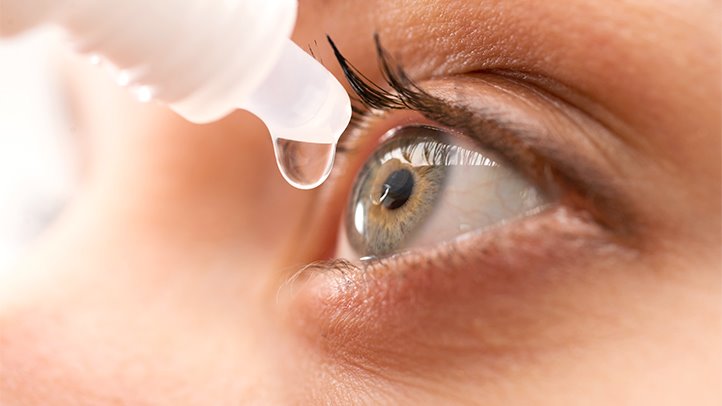
Preservative-free artificial tears are the first-line treatment for most causes of burning eyes. They replenish the watery layer of the tear film and provide immediate comfort after crying.
Use preservative-free formulas if you need drops more than four times a day, as preserved drops can actually irritate the eye over time. Ask your eye doctor which formula is best suited for your specific tear film deficiency.
Warm and Cool Compresses
A warm compress held over closed eyelids for 5 to 10 minutes helps unblock meibomian glands and increases oil production. This directly improves the outer layer of the tear film and reduces evaporation-related burning.
A cool compress soothes allergy-related inflammation and reduces swelling. For post-crying discomfort, a cool compress can calm the irritation quickly. Reusable heat masks like Bruder masks are especially effective for regular warm compress therapy.
Eyelid Hygiene
Gently cleaning the eyelid margins once or twice daily with a warm washcloth or dedicated eyelid wipes removes bacterial buildup, crusts, and debris that worsen blepharitis. This is one of the most underrated but effective long-term treatments.
Clean from the inner corner of the eye outward. Use a fresh section of cloth for each eye to avoid transferring bacteria. Consistent eyelid hygiene over several weeks significantly reduces blepharitis-related burning.
Antihistamine Eye Drops and Oral Antihistamines
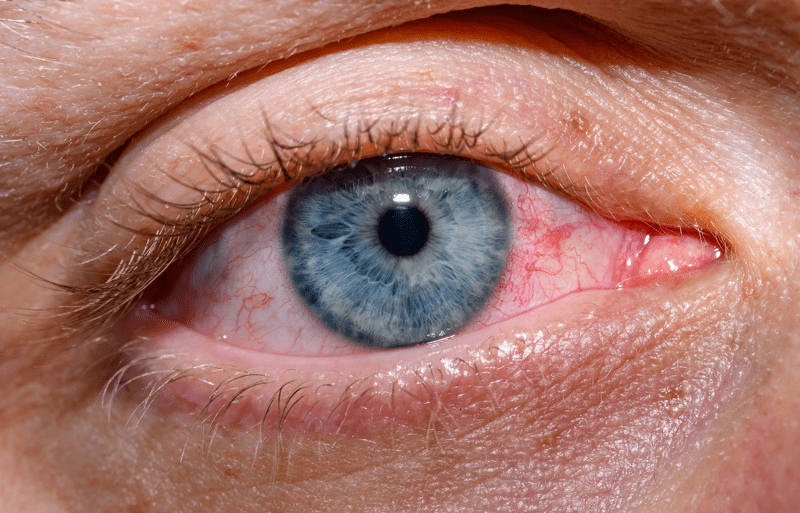
For allergy-driven burning, OTC antihistamine eye drops reduce histamine release in the eye tissue and provide fast relief from itching and burning. Common options include ketotifen-based drops available at most pharmacies.
Note: oral antihistamines can worsen dry eye symptoms by reducing overall body fluid production. If you already have dry eye, discuss this with your doctor before starting oral antihistamines regularly.
Staying Hydrated
Drinking adequate water throughout the day supports balanced tear production. Reducing caffeine and alcohol, which increase dehydration, also helps maintain healthier tear quality over time.
Foods rich in omega-3 fatty acids — salmon, walnuts, flaxseeds, chia seeds — support the lipid layer of the tear film. Vitamins A, C, D, and E also play roles in maintaining a healthy ocular surface.
Humidifier Use
Running a humidifier in your home or bedroom adds moisture to the air and slows tear evaporation. This is particularly helpful in winter when indoor heating creates very dry air that accelerates corneal dryness.
Aim for indoor humidity between 40% and 60% for optimal eye comfort. Combined with artificial tears, a humidifier can significantly reduce day-to-day burning in people with mild dry eye.
When to See an Eye Doctor
Most mild burning after crying resolves on its own within minutes. But certain signs mean it is time to get a professional evaluation.
| Warning Sign | What It May Indicate |
|---|---|
| Burning after every episode of crying | Dry eye syndrome or chronic tear film dysfunction |
| Burning that lasts more than 30 minutes after crying | Blepharitis, infection, or blocked tear duct |
| Severe pain or vision changes | Corneal damage or serious infection |
| Discharge, crusting, or significant redness | Conjunctivitis or bacterial infection |
| No improvement with OTC drops after 2 weeks | Prescription treatment may be needed |
| Burning in only one eye | Possible blocked tear duct or localized infection |
Your eye doctor can perform a comprehensive eye exam to check your tear production volume, tear film quality, meibomian gland function, and corneal surface health. Early diagnosis of dry eye or blepharitis leads to much better long-term outcomes.
Diet and Lifestyle Factors That Affect Eye Burning
What you eat and how you live directly impacts the quality of your tears. Poor nutrition and certain habits make burning eyes significantly worse.
Omega-3 fatty acids are the most researched dietary support for tear film health. They help stabilize the lipid layer of the tear film and reduce inflammation in the meibomian glands. Aim for at least two portions of oily fish per week or consider a supplement.
Vitamin A is essential for the health of the conjunctiva and goblet cells that produce the mucous layer of tears. Deficiency leads directly to tear film instability. Good sources include carrots, sweet potato, spinach, and eggs.
Screen time dramatically reduces blink rate — from around 15 blinks per minute to as few as 5. Each blink spreads the tear film across the eye. Less blinking means faster tear evaporation and a drier, more sensitive eye surface. The 20-20-20 rule (every 20 minutes, look at something 20 feet away for 20 seconds) helps break this cycle.
Smoking is one of the worst habits for eye health. Cigarette smoke directly irritates the ocular surface, damages the meibomian glands, and speeds up tear evaporation. Even secondhand smoke is enough to trigger burning and reflex tearing.
Frequently Asked Questions (FAQs)
Why do my eyes burn when I cry?
Your eyes burn when you cry because emotional tears have a different chemical makeup — higher salt, hormones, and proteins — that irritates the sensitive corneal surface. Underlying conditions like dry eye or blepharitis can make it much worse.
Is it normal for eyes to burn after crying?
Yes, mild and brief burning after crying is completely normal for most people. It usually fades within a few minutes as your tear film rebalances. Burning that is persistent, intense, or happens every time you cry warrants a visit to an eye doctor.
Why do my eyes burn so badly when I cry?
Intense burning usually points to an underlying issue like dry eye syndrome, blepharitis, or eye allergies. These conditions disrupt your baseline tear film, making your eyes far more sensitive to the chemical changes that occur during emotional crying.
Does dehydration make eyes burn more when crying?
Yes. Dehydration reduces tear quality and increases the salt concentration of your tears. Saltier, lower-quality tears irritate the cornea more during crying. Drinking enough water daily directly supports healthier, less irritating tear production.
Can dry eyes cause burning when crying?
Yes, dry eye is one of the most common causes. When you cry, emotional tears evaporate quickly from an already-dry cornea, leaving it more exposed than before. The burning after crying can last longer and feel more intense than in people with healthy tear production.
How do I stop my eyes from burning after crying?
Apply a cool compress over your closed eyelids, use preservative-free artificial tears immediately after crying, and avoid rubbing your eyes. These three steps together resolve most post-crying discomfort quickly.
Can allergies make my eyes burn when I cry?
Yes. Allergens already present on your eye surface mix with your tears during crying, intensifying the reaction. Allergy eye drops or antihistamines before exposure to known triggers can reduce this significantly.
Why do my eyes burn after crying but not during?
During crying, the large volume of tears flushes the surface and briefly dilutes irritants. After crying, the tears evaporate and leave behind concentrated salt and other compounds on the cornea. This residue is what causes the post-cry burning sensation.
Can contact lenses make eyes burn more when crying?
Yes. Contacts reduce oxygen flow to the cornea and create a baseline of dryness. When emotional tears disrupt the lens and wash across a dry ocular surface, burning is often more intense. Switching to daily disposables and taking breaks from lenses helps.
When should I see a doctor for burning eyes when crying?
See a doctor if the burning is severe, lasts more than 30 minutes, occurs every time you cry, is accompanied by discharge or vision changes, or does not improve with OTC drops after two weeks. These signs suggest a treatable underlying condition.
Conclusion
Why do my eyes burn when I cry is a question with a clear and well-understood answer. Emotional tears carry a different chemical composition than the everyday tears keeping your eyes moist, and that difference alone is enough to cause a brief burning or stinging sensation for most people.
When an underlying condition like dry eye syndrome, blepharitis, or eye allergies is also present, that burning can become intense and persistent.
The good news is that the vast majority of cases respond well to simple home treatments — preservative-free artificial tears, warm compresses, eyelid hygiene, proper hydration, and avoiding known irritants.
If your burning eyes are impacting your daily comfort or show up every time you cry in 2026, book a comprehensive eye exam.
Early identification and treatment of the root cause makes a lasting difference and keeps your eyes healthy, comfortable, and clear all year long.
