

Why are hospitals cold is a question almost every patient, visitor, or family member has asked while shivering under a thin gown.
The answer is not a mistake or a broken thermostat. Hospitals are deliberately kept cool for a range of medical, scientific, and safety-driven reasons.
From infection control to protecting sensitive equipment and keeping busy medical staff comfortable, every degree is intentional.
The Science Behind Hospital Temperatures
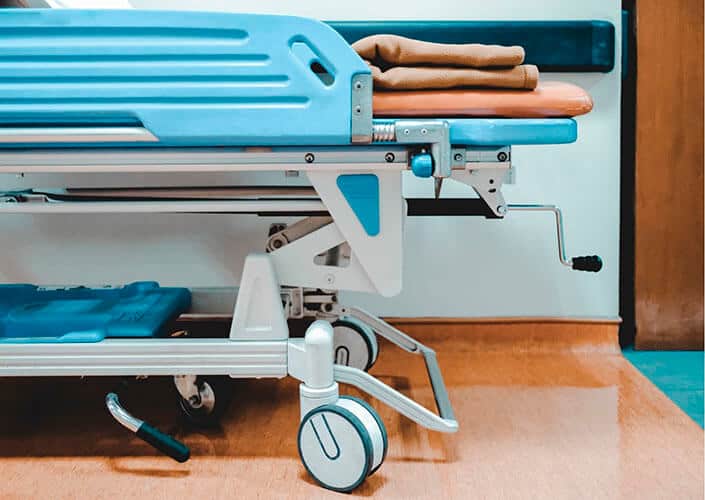
Hospitals do not pick a random number on the thermostat. Every area of a hospital follows strict temperature guidelines set by medical and regulatory bodies.
The Centers for Disease Control and Prevention (CDC) recommends patient room temperatures between 70°F and 75°F (21°C–24°C). Operating rooms are often cooler, ranging from 68°F to 75°F (20°C–24°C). Humidity is also tightly controlled, typically between 30% and 60%, per ASHRAE Standard 170.
These are not suggestions. They are enforced by the Joint Commission and Centers for Medicare and Medicaid Services (CMS). Hospitals that fall outside these ranges can face regulatory action.
Hospital Temperature by Zone
Different areas of a hospital have different temperature requirements based on their clinical purpose.
| Hospital Zone | Recommended Temp (°F) | Recommended Temp (°C) | Humidity Range |
|---|---|---|---|
| Patient Rooms | 70°F – 75°F | 21°C – 24°C | 30% – 60% |
| Operating Rooms | 68°F – 75°F | 20°C – 24°C | 20% – 60% |
| ICU | 70°F – 75°F | 21°C – 24°C | 30% – 60% |
| MRI / Lab Rooms | Below 70°F | Below 21°C | Varies |
| Burn Units | Warmer, ~80°F+ | ~27°C+ | Higher humidity |
| Delivery Rooms | ~75°F | ~24°C | 30% – 60% |
The wide variation shows that “hospitals are cold” is a general impression — the reality is a carefully zoned system.
Reason 1: Slowing Bacterial and Viral Growth
One of the most cited reasons why hospitals are cold is to slow the growth of bacteria and viruses. Pathogens thrive in warm, moist environments. Cooler temperatures make it harder for them to multiply.
Think of it like your refrigerator. You store leftovers in the fridge because cold slows bacterial growth. The same principle applies in clinical environments, especially in spaces where patients have open wounds, weak immune systems, or are undergoing surgery.
Most pathogenic bacteria reproduce most rapidly between 77°F and 86°F (25°C–30°C). Keeping hospital environments below that range creates a less hospitable zone for microbial activity.
That said, cold air alone does not sterilize a room. Hospitals still rely on disinfection protocols, UV sterilization, and HEPA filtration alongside temperature management.
Reason 2: Operating Rooms Need Cooler Conditions
Operating rooms are some of the coldest spaces in any hospital, and for good reason. Surgeons wear multiple layers — scrubs, sterile gowns, gloves, masks, caps, and sometimes lead aprons or protective suits. This heavy gear generates a lot of body heat.
If the OR were kept warm, surgeons and nurses would sweat, increasing the risk of contamination. Sweat near an open wound or sterile field is a serious infection risk.
Historically, it was believed that cold OR temperatures prevented infections directly. Research has since shown that relationship is more nuanced. But the temperature standard remains because of staff comfort and equipment performance.
Surgical lights, anesthesia machines, and electrocautery devices all generate significant heat. Cooler ambient air helps offset that heat and keeps equipment running properly.
Reason 3: Humidity Control and Condensation Prevention
Warm air holds more moisture. In a hospital, that moisture becomes a problem fast.
When warm, humid air meets cooler surfaces, condensation forms. That condensation can carry bacteria and viruses from one surface to another — a process called cross-contamination. In a room with sterile equipment, open wounds, or immunocompromised patients, this is dangerous.
Keeping temperatures low prevents condensation from forming on surgical tools, IV lines, monitors, and walls. It also keeps floors drier, which reduces the risk of slip-and-fall accidents for both patients and staff.
High humidity can also promote mold growth. Hospitals keep relative humidity between 40% and 60% in most zones to stay in the safe range for both microbial control and human comfort.
Reason 4: Keeping Medical Staff Comfortable and Alert
Nurses, doctors, technicians, and support staff are constantly moving. A hospital shift involves lifting patients, responding to codes, pushing equipment, and sprinting between rooms.
If indoor temperatures were warm, physical exertion under PPE would quickly lead to heat exhaustion and excessive sweating. Neither is safe in a clinical environment.
Cooler temperatures help staff stay focused, comfortable, and safe during 8–12 hour shifts. It also reduces the risk of staff making errors due to heat-related fatigue or discomfort.
Staff members in housekeeping, who scrub floors and clean rooms continuously, especially benefit from the cooler environment. They wear full PPE and work physically demanding jobs the entire shift.
Reason 5: Protecting Medications and Medical Equipment
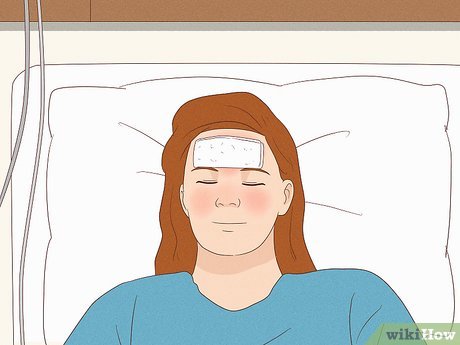
Many medications degrade when exposed to heat. Vaccines, insulin, certain antibiotics, and blood products all require temperature-controlled storage.
Hospitals maintain cold storage units and climate-controlled zones to preserve these medications. But ambient room temperature also plays a role — keeping general areas cool reduces thermal stress on stored supplies and reduces the risk of accidental temperature spikes.
Medical equipment is also temperature-sensitive. MRI machines, laboratory analyzers, and diagnostic computers generate heat and require cool ambient environments to function accurately.
If a lab runs too warm, test results can become inaccurate. If imaging equipment overheats, it may malfunction. The cold you feel in a hospital corridor is partly the cooling demand of millions of dollars of precision equipment.
Reason 6: Airflow, Pressure, and HVAC Engineering
Hospitals are engineering marvels in terms of airflow. The HVAC systems are not just about heating and cooling — they control air pressure, filtration, and circulation in every zone.
Operating rooms and ICUs often use positive pressure systems. Air flows outward, preventing outside contaminants from entering the room. This protects vulnerable patients from airborne pathogens.
Isolation rooms for infectious patients use negative pressure — air flows inward, preventing airborne pathogens from escaping into hallways. This protects other patients and staff.
These pressure differentials require precise temperature and humidity management. The HVAC system that keeps the hospital cold is the same system that controls these life-saving pressure environments.
Why Patients Feel Colder Than the Numbers Suggest
Even when a hospital room is technically at 72°F (22°C), patients often feel much colder. Several factors make patients more temperature-sensitive than healthy visitors.
Illness and fever cycles. Patients with fevers feel cold during the chills phase as their body raises its set point. Once the fever breaks, sweating begins.
Anesthesia effects. General anesthesia impairs the body’s ability to regulate temperature. Patients coming out of surgery are often genuinely hypothermic — their core temperature has dropped.
Hospital gowns. Thin, open-back gowns provide very little insulation. Patients are often lying still, which reduces internal heat generation compared to moving around.
Fasting. Patients who cannot eat before procedures have lower metabolic activity, which reduces natural body heat.
Anxiety. Stress triggers vasoconstriction — blood vessels near the skin contract, reducing surface warmth and making the person feel cold.
What Hospitals Do to Help Patients Stay Warm
Hospitals are not ignoring patient comfort. They use several tools to address the gap between clinical temperature requirements and patient comfort.
Forced-air warming blankets are used in operating and recovery rooms. These actively circulate warm air against the patient’s skin, raising body temperature without raising room temperature.
Warming pads and heated mattress overlays are placed on surgical tables and beds. They maintain surface-level warmth without changing ambient temperature.
Warm blankets on request are available in most hospital wards. Patients and visitors can ask nursing staff for an extra blanket at any time.
Grip socks and warm clothing are often provided or permitted. Patients are encouraged to bring their own socks, robes, or personal blankets.
Temperature in Specific Hospital Units
ICU Temperature
The ICU is kept between 70°F and 75°F. Patients in the ICU are often sedated, mechanically ventilated, or post-surgical — making them particularly vulnerable to hypothermia. Warming devices are commonly used.
Emergency Room Temperature
ER temperatures vary more than other areas because the ER handles a wide range of patients and is a high-traffic zone. Waiting areas may feel cooler due to large open spaces and constant door traffic.
Pediatric Wards
Children lose heat faster than adults due to their smaller body mass and higher surface area to volume ratio. Pediatric wards are often maintained slightly warmer, around 74°F–76°F (23°C–24°C).
Burn Units
Burn patients lose a critical amount of body heat through damaged skin. Burn units are deliberately maintained warmer — often above 80°F (27°C) — with higher humidity to support healing and prevent dehydration through the skin.
Maternity and Delivery Rooms
Delivery rooms are kept warmer to support newborns, who cannot regulate their body temperature. Neonatal units are maintained at warmer settings as well.
Does Cold Temperature Actually Kill Bacteria in Hospitals?

This is a common misconception worth addressing directly. Cold temperatures in hospitals do not kill bacteria. They slow bacterial growth and reproduction.
There is a meaningful difference. Slowing reproduction limits how fast a contamination spreads. But bacteria on a surface survive cold temperatures — they simply multiply more slowly.
True disinfection requires chemical agents, UV light, autoclaving, or other sterilization methods. The cold environment supports these efforts by reducing microbial activity between cleaning cycles.
So the cold hospital environment is one layer of a multi-layered infection control strategy — not a standalone solution.
What Patients and Visitors Can Do
If you’re heading to a hospital for a visit, procedure, or extended stay, here are practical steps to stay warm.
Bring layers. A zip-up hoodie or cardigan is easy to remove and put back on as you move between zones.
Pack warm socks. Grip socks are ideal — they keep feet warm and reduce the risk of slipping on smooth floors.
Bring a personal blanket. A small fleece blanket from home is acceptable in most wards and far warmer than hospital-issued blankets.
Request extras. Nursing staff can provide additional blankets, warm beverages, or warm packs. Ask — they expect it.
Talk to your care team. If you feel your temperature is genuinely cold or you are shivering uncontrollably, tell a nurse immediately. Hypothermia is a real risk in post-surgical patients.
How Hospital Temperature Regulations Work
Hospitals must follow guidelines from multiple regulatory bodies. The main ones in the United States include the following.
| Organization | Role |
|---|---|
| CDC | Recommends temperature ranges for patient care areas |
| ASHRAE (Standard 170) | Sets engineering standards for healthcare HVAC |
| Joint Commission | Accredits hospitals and enforces environment of care standards |
| CMS | Enforces compliance for Medicare and Medicaid certified facilities |
| OSHA | Sets workplace temperature guidelines for hospital staff |
Hospitals undergo regular inspections. Environmental controls, including temperature logs, are audited. Deviations must be documented and corrected quickly.
Modern hospitals use digital temperature monitoring systems that log data continuously. Any deviation from the required range triggers an alert so it can be corrected before it becomes a safety issue.
Common Myths About Hospital Temperatures
Myth: Hospitals are cold to save on energy costs. False. Maintaining precise temperature and humidity control across a large hospital building is actually energy-intensive and expensive. Comfort is not the priority — clinical safety is.
Myth: Hospitals just forget to adjust the thermostat. False. Hospital temperatures are locked and regulated. Individual staff members and patients cannot typically change the thermostat in clinical areas because doing so could compromise infection control or equipment function.
Myth: Cold temperatures sterilize hospital rooms. False. Cold slows microbial growth but does not kill pathogens. Sterilization requires chemical disinfection, UV, or heat-based autoclaving.
Myth: Only operating rooms are kept cold. False. Laboratories, imaging suites, clean workrooms, endoscopy suites, and many other areas are also maintained at lower temperatures.
A Detailed Look: Why the OR is Especially Cold
The operating room deserves its own focus because it is consistently the coldest area of any hospital.
Surgeons operate under intense, hot lighting for hours at a time. They wear layered sterile garments. Their body temperature rises throughout the procedure.
A hot surgeon is a distracted surgeon. Sweat can drip into the surgical field. Concentration drops. Reaction time slows. Cooler temperatures directly support surgical precision and safety.
The ideal OR temperature varies from surgeon to surgeon. Some prefer 65°F (18°C). Others work at 72°F (22°C). Anesthesiologists also weigh in because patient body temperature during surgery must be carefully managed.
Patients are warmed actively using forced-air devices during surgery. The ambient room temperature is separate from the patient’s managed body temperature.
The Role of Anesthesia in Feeling Cold
Anesthesia interferes with the hypothalamus — the part of the brain that regulates body temperature. Under general anesthesia, the body stops generating heat the way it normally does.
Heat redistributes from the body’s core to the periphery (hands, feet, skin surface). Core temperature drops, often by 1–3°C in the first hour of surgery alone. Without active warming, patients can develop inadvertent perioperative hypothermia (IPH).
IPH increases the risk of post-surgical infection, slows wound healing, increases blood loss, and extends recovery time. This is why operating room staff monitor patient temperature continuously and use warming blankets as a standard of care.
Patients waking up in the recovery room often feel intensely cold. This is a combination of the cold OR temperature, the effects of anesthesia wearing off, and their body actively working to restore core temperature.
Future Trends in Hospital Temperature Management
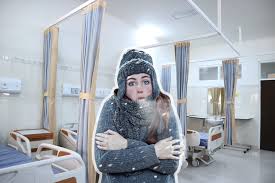
Hospitals are increasingly adopting smart HVAC systems with real-time monitoring and predictive controls. These systems can adjust temperature and humidity across zones dynamically, based on occupancy, procedure type, and patient needs.
Some newer hospital designs include zoned patient rooms where a patient can request slightly warmer conditions in their immediate space without affecting the broader clinical environment. This balances patient comfort with clinical safety.
Research is also ongoing into whether some zones can be kept slightly warmer without compromising infection control, particularly in low-acuity areas like outpatient waiting rooms and general wards.
The goal is precision: the right temperature for each clinical zone, managed in real time, with patient comfort factored in without sacrificing safety.
Frequently Asked Questions (FAQs)
Why are hospitals so cold compared to normal buildings?
Hospitals prioritize infection control, equipment protection, and staff safety over occupant comfort. These clinical needs require cooler, humidity-controlled environments that feel noticeably colder than standard offices or homes.
What temperature are hospitals legally required to maintain?
The CDC recommends 70°F–75°F (21°C–24°C) for most patient care areas. Operating rooms must stay between 68°F–75°F (20°C–24°C) per ASHRAE Standard 170, enforced by the Joint Commission and CMS.
Does cold temperature kill bacteria in hospitals?
No. Cold temperatures slow bacterial growth and reproduction but do not kill pathogens. True sterilization requires chemical disinfectants, UV light, or autoclaving — cold is just one layer of infection control.
Why do I feel so cold after surgery?
Anesthesia impairs your body’s temperature regulation. Heat shifts from your core to your skin during surgery, dropping your core temperature by 1–3°C. This is called inadvertent perioperative hypothermia (IPH) and is treated with forced-air warming blankets.
Can patients ask for warmer rooms in hospitals?
Patients cannot change clinical zone thermostats, but they can request extra blankets, warm socks, and warm beverages. Nursing staff are trained to help manage patient comfort within the clinical temperature framework.
Are all parts of a hospital equally cold?
No. Burn units are kept significantly warmer. Pediatric and maternity wards are slightly warmer. Operating rooms, labs, and MRI suites are often the coldest. Each zone has a specific temperature range based on its clinical function.
Why do nurses not seem cold in hospitals?
Nurses are physically active for their entire shift — walking, lifting, responding to emergencies. Their bodies generate significant heat through movement, making the cooler environment comfortable rather than uncomfortable.
Is hospital cold air bad for patients?
For most patients, the clinical temperature range is safe and medically justified. However, post-surgical patients must be actively warmed to prevent hypothermia. Staff monitor body temperature and use warming devices as standard post-operative care.
Why are hospital blankets so thin?
Thin blankets allow staff to assess patients quickly and perform procedures without obstruction. They are also easier to launder and replace rapidly. Hospitals supplement thin blankets with forced-air warming systems for patients who need active warmth.
Why are hospital waiting rooms also cold?
Waiting rooms serve large numbers of people and connect to clinical areas through shared HVAC systems. Keeping the whole building at a consistent cool temperature is more practical and safer than trying to zone comfort areas separately from clinical areas.
Conclusion
Why are hospitals cold comes down to one core answer: patient safety.
Every degree in a hospital environment is deliberate, regulated, and backed by clinical and engineering science.
Cooler temperatures slow bacterial growth, prevent condensation and cross-contamination, protect sensitive medications and equipment, support surgical precision, and keep physically active medical staff functioning at their best.
What feels uncomfortable to a visitor is a carefully engineered environment designed to protect the most vulnerable people inside those walls.
The next time you reach for an extra blanket in a hospital room, remember that the chill around you is doing real work.
You can ask for warm socks, a heated blanket, or an extra layer — and the staff will be happy to help.
But the thermostat stays where it is for very good reason.
