

Why does my gum hurt — this is one of the most searched dental questions online, and for good reason.
Gum pain can range from a mild throb to sharp, unbearable soreness that disrupts eating, speaking, and sleep.
It is your body’s way of saying something needs attention.
Whether the pain is in one spot or across your entire gumline, understanding the cause is the first step toward relief.
Why Does My Gum Hurt
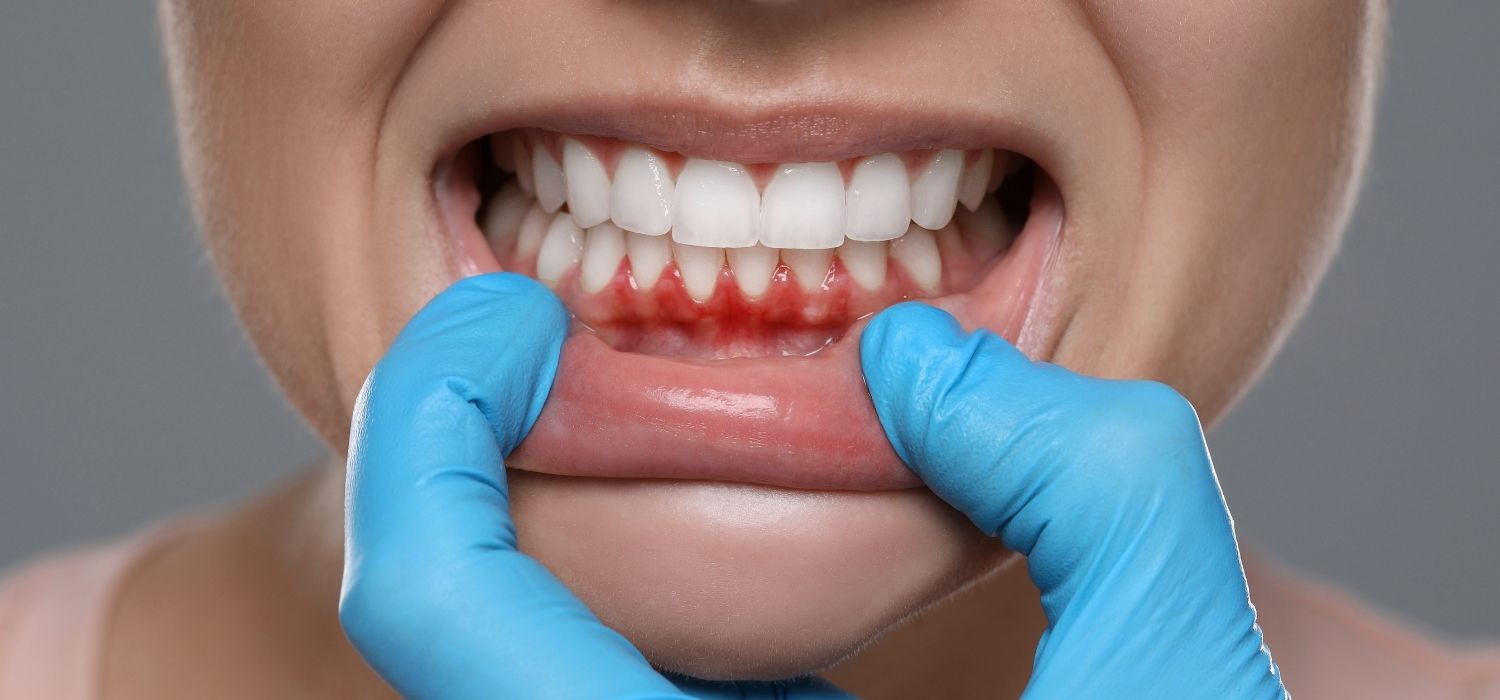
Gum pain does not have a single cause. It can stem from everyday habits, infections, hormonal shifts, or serious dental conditions.
Knowing the difference between minor irritation and a real dental emergency can save you time, money, and a lot of discomfort.
Here is a breakdown of the most common causes dentists see every day.
Gingivitis: The Most Common Reason Your Gums Hurt
Gingivitis is the number one answer to “why does my gum hurt.” It is the earliest, most reversible stage of gum disease.
Plaque — a sticky film of bacteria — builds up along the gumline. This irritates the tissue and triggers inflammation, redness, bleeding, and tenderness.
The good news is that gingivitis responds well to improved brushing, flossing, and a professional dental cleaning.
Signs You Have Gingivitis
- Gums that bleed when you brush or floss
- Swollen, puffy, or dark red gum tissue
- Persistent bad breath even after brushing
- Tenderness when touching the gums
How Gingivitis Is Treated
A dentist will perform a professional cleaning to remove plaque and tartar. At home, brush twice daily with a soft-bristled toothbrush and floss once a day.
Antibacterial mouthwash containing chlorhexidine can also speed up recovery significantly.
Periodontitis: When Gum Disease Gets Serious
If gingivitis is ignored, it progresses into periodontitis — a deeper infection that attacks the bone and connective tissue holding your teeth in place.
At this stage, gums pull away from teeth, forming pockets where bacteria thrive. Teeth can loosen, shift, or eventually fall out.
Periodontitis requires professional treatment including deep cleaning procedures called scaling and root planing.
Periodontitis vs Gingivitis: Quick Comparison
| Feature | Gingivitis | Periodontitis |
|---|---|---|
| Stage | Early | Advanced |
| Reversible | Yes | Partially |
| Bone Loss | No | Yes |
| Treatment | Cleaning + hygiene | Scaling, surgery |
| Symptoms | Bleeding, swelling | Loose teeth, deep pockets |
Brushing Too Hard: A Surprisingly Common Cause
Many people brush aggressively thinking it cleans better. In reality, hard scrubbing damages gum tissue and causes soreness along the gumline.
Over time, aggressive brushing can cause gum recession — where the gum pulls back and exposes sensitive tooth roots.
Switch to a soft-bristled toothbrush and use gentle circular motions rather than back-and-forth scrubbing.
Canker Sores on the Gums
Canker sores are small, painful ulcers that appear on the soft tissue inside the mouth, including the gums. They are not contagious but they are very uncomfortable.
They are triggered by stress, minor oral injuries, a weakened immune system, or certain foods like citrus and tomatoes.
Most canker sores heal on their own within one to two weeks. Topical gels containing benzocaine can ease the pain in the meantime.
Gum Pain After Eating: Food Trapped Under the Gumline
Sometimes a sharp piece of food — popcorn hulls, tortilla chips, seeds — slips under the gumline and causes sudden sharp pain in one spot.
This localized gum pain is usually temporary. Gentle flossing or using a water flosser can dislodge the debris.
If pain continues for more than a day or two after removing the particle, see your dentist to rule out an infection.
Dental Abscess: A Serious Source of Throbbing Gum Pain
A dental abscess is a pocket of pus caused by a bacterial infection. It creates intense, throbbing pain that can radiate to the jaw, ear, and neck.
Abscesses do not go away on their own and can spread to surrounding teeth, the jawbone, or even the bloodstream if untreated. This makes them a dental emergency.
Treatment involves draining the abscess, antibiotics, and in many cases, a root canal or tooth extraction.
Warning Signs of a Dental Abscess
- Severe, pulsating toothache or gum pain
- Swelling of the face or jaw
- Fever and general feeling of illness
- Visible pimple-like bump on the gum
- Foul taste or smell from draining pus
Wisdom Tooth Pain: Why Your Back Gums Hurt
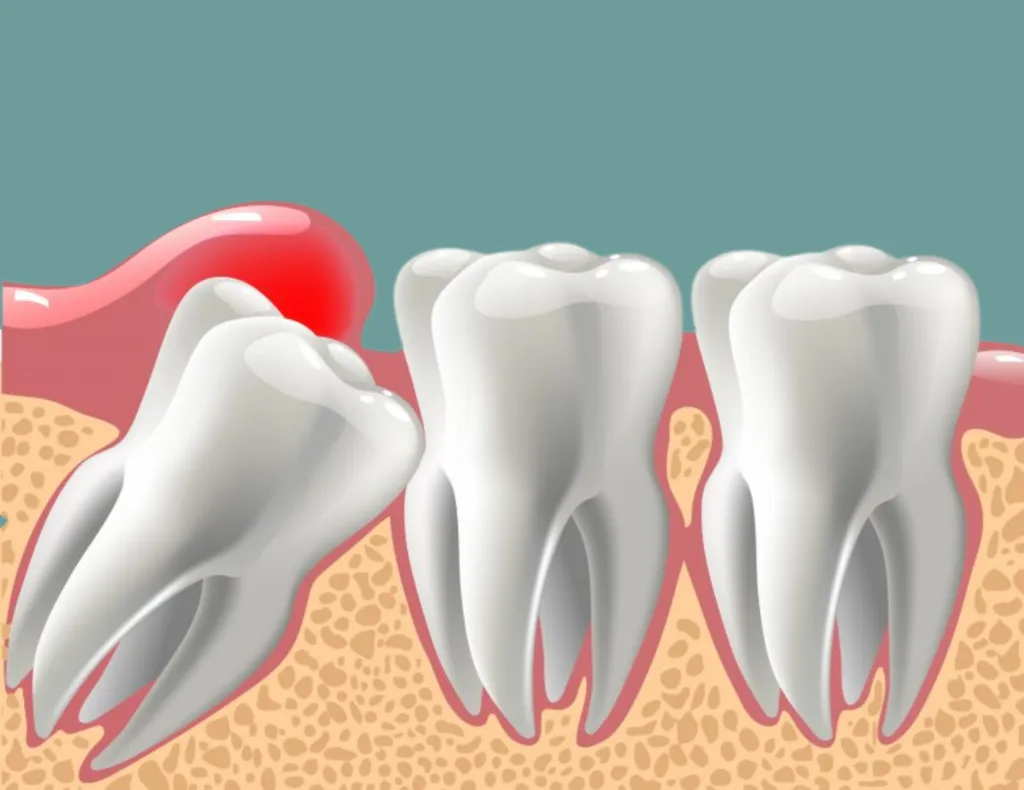
Wisdom teeth are the last molars to erupt, usually in the late teens or early twenties. They often cause significant gum pain because there is not enough room in the jaw for them.
A partially erupted wisdom tooth creates a flap of gum tissue that traps food and bacteria — a condition called pericoronitis. This leads to swelling, pain, bad breath, and difficulty opening the mouth.
An impacted wisdom tooth (one stuck beneath the gum) can cause radiating pain to the jaw, ear, and throat. Extraction is often the recommended solution.
Symptoms of Wisdom Tooth Gum Pain

- Pain and swelling at the very back of the jaw
- Difficulty chewing or opening the mouth wide
- Red, swollen gums behind the last molar
- Bad breath or a foul taste that won’t go away
- Pain that spreads toward the ear or neck
Hormonal Changes and Gum Pain
Hormonal fluctuations during menstruation, pregnancy, and menopause directly affect gum sensitivity and inflammation.
During pregnancy, increased blood flow to the gums can cause them to swell, bleed easily, and feel sore — a condition sometimes called pregnancy gingivitis.
Women going through menopause may experience burning gums, dryness, and color changes in gum tissue. Good oral hygiene and regular dental visits are especially important during these times.
Gum Pain from Dental Work
It is completely normal for gums to feel sore for a few days after fillings, crowns, tooth extractions, or cleanings. The tissue needs time to recover.
However, if pain persists beyond a week or gets worse after dental work, contact your dentist. This may signal an infection, a poorly fitting restoration, or a dry socket after extraction.
Never ignore worsening post-procedure pain — early follow-up prevents bigger complications.
Sinus Infection and Gum Pain
The roots of the upper back teeth sit very close to the sinus cavity. When the sinuses become infected and inflamed, this pressure can travel downward and cause pain in the upper gums and teeth.
This type of gum pain typically affects both sides equally and is accompanied by nasal congestion, facial pressure, and postnasal drip.
Treating the sinus infection with decongestants or antibiotics usually resolves the dental discomfort at the same time.
Nutritional Deficiencies That Cause Gum Pain
Vitamin C deficiency causes scurvy, which leads to swollen, bleeding, and extremely sore gums. While rare today, it still occurs in people with very poor diets.
Deficiencies in Vitamin B12, folate, and iron can also cause mouth soreness, inflammation, and canker-like sores on the gums.
Eating a balanced diet rich in fruits, vegetables, and whole grains supports strong, healthy gum tissue.
Oral Thrush and Gum Soreness
Oral thrush is a yeast infection (Candida) in the mouth. It causes a white coating on the tongue and inner cheeks, along with sore, red gums.
It is more common in people who use inhaled steroids, have diabetes, wear dentures, or have recently taken antibiotics.
Antifungal medications prescribed by a doctor or dentist clear up thrush effectively within one to two weeks.
Tobacco Use and Gum Disease
Smoking and chewing tobacco are major risk factors for gum disease. Tobacco reduces blood flow to the gum tissue, suppresses the immune response, and allows bacteria to thrive.
Smokers are twice as likely to develop serious gum disease compared to non-smokers. The damage is harder to reverse and treatments work less effectively.
Quitting tobacco is one of the single best things you can do for your gum health.
How to Relieve Gum Pain at Home
Many cases of mild gum pain can be managed effectively at home while waiting for a dental appointment.
These remedies reduce inflammation and temporarily relieve discomfort — but they do not replace professional treatment for serious conditions.
Salt Water Rinse
Dissolve half a teaspoon of salt in a glass of warm water. Swish gently for 30 seconds, then spit. Repeat two to three times a day.
Saltwater reduces inflammation, kills surface bacteria, and promotes healing of gum tissue.
Over-the-Counter Pain Relievers
Ibuprofen (Advil) is the most effective OTC option for gum pain because it targets inflammation directly. A standard dose of 400 mg every six hours works for most adults.
For stronger pain, combining ibuprofen with acetaminophen (Tylenol) is more effective than either alone — both drugs work through different pathways.
Clove Oil
Clove oil contains eugenol, a natural anesthetic and antibacterial compound. Dab a small amount on a cotton ball and apply directly to the sore gum.
Do not apply undiluted clove oil directly — mix one to two drops with a carrier oil like coconut or olive oil first to avoid irritation.
Hydrogen Peroxide Rinse
Mix equal parts 3% hydrogen peroxide and water. Swish for 20 seconds and spit out. Do not swallow.
This rinse kills bacteria and reduces gum inflammation, making it helpful for early gum disease and infection.
Cold Compress
Apply a cold pack wrapped in a cloth to the outside of your cheek for 15 to 20 minutes. This reduces swelling and numbs pain.
Repeat every few hours as needed, especially if you have swelling from a dental procedure or injury.
Turmeric Paste
Mix turmeric powder with a small amount of water to form a paste. Apply to sore gums for 10 to 15 minutes, then rinse with cool water.
Turmeric contains curcumin, which has documented anti-inflammatory and antibacterial properties in multiple dental studies.
Aloe Vera Gel
Pure aloe vera gel applied directly to inflamed gums soothes irritation and reduces bacterial load. Use pure, food-grade aloe vera without additives.
Leave it on the gum for a few minutes before rinsing. It is safe to use several times a day.
Home Remedies for Gum Pain: Quick Reference Table
| Remedy | How to Use | Best For |
|---|---|---|
| Salt water rinse | ½ tsp salt in warm water, swish 30 sec | General soreness, gingivitis |
| Ibuprofen | 400 mg every 6 hours | Moderate to severe pain |
| Clove oil | Diluted, dab on gum | Localized sharp pain |
| Hydrogen peroxide | Equal parts with water, swish | Infection-related swelling |
| Cold compress | 15 min on, 15 min off | Swelling after injury or procedure |
| Turmeric paste | Apply for 10–15 min, rinse | Inflammation, gingivitis |
| Aloe vera gel | Apply directly to gums | Mild irritation, soreness |
When to See a Dentist for Gum Pain
Not all gum pain can wait. Some symptoms signal a serious problem that needs urgent professional care.
Do not delay a dental visit if you experience any of the following.
Go to a Dentist Right Away If You Have
- Gum pain that has lasted more than two weeks
- Significant swelling of the jaw or face
- Fever alongside gum pain
- Pus or discharge from the gum tissue
- Loose adult teeth
- Difficulty breathing or swallowing
- Pain that spreads to the ear, neck, or head
- A gum sore that does not heal within two weeks
These symptoms can indicate an abscess, advanced periodontitis, or in rare cases, oral cancer — all of which require immediate professional intervention.
Professional Dental Treatments for Gum Pain
When home care is not enough, dentists have several effective options based on the underlying cause.
Scaling and Root Planing
This is a deep cleaning procedure performed under local anesthesia. The dentist removes plaque and tartar from below the gumline and smooths the tooth root to prevent bacteria from reattaching.
It is the standard first-line treatment for periodontitis and significantly reduces gum pain and pocket depth.
Antibiotics
For bacterial infections, dentists may prescribe oral antibiotics like amoxicillin or metronidazole. Topical antibiotic gels can also be placed directly into gum pockets after cleaning.
Antibiotics are often used alongside other procedures, not as a standalone treatment.
Abscess Drainage
The dentist makes a small incision to drain the pus from an abscess, which immediately relieves the pressure and pain. Antibiotics are prescribed to clear the remaining infection.
A root canal or extraction usually follows depending on the severity of the tooth involved.
Gum Surgery
For advanced periodontitis, surgical procedures like flap surgery or bone grafting may be needed to restore lost tissue and bone.
These are typically done by a periodontist — a gum disease specialist.
Wisdom Tooth Extraction
If wisdom teeth are causing recurrent pain, infection, or damage to neighboring teeth, extraction is the most permanent and effective solution.
Most people recover fully within one to two weeks after the procedure.
How to Prevent Gum Pain
Prevention is always easier than treatment when it comes to gum health.
These daily habits significantly reduce your risk of developing gum pain in the first place.
Daily Prevention Habits
- Brush twice a day for two minutes with a soft-bristled brush
- Floss once daily to remove plaque between teeth and along the gumline
- Use an antibacterial or fluoride mouthwash
- Stay hydrated — dry mouth worsens bacterial growth
- Eat a balanced diet and limit sugary snacks
- Replace your toothbrush every three months
- Visit your dentist every six months for a professional cleaning and exam
- Avoid tobacco in any form
- Manage stress, which weakens immune defenses against oral bacteria
Gum Pain in Children vs Adults
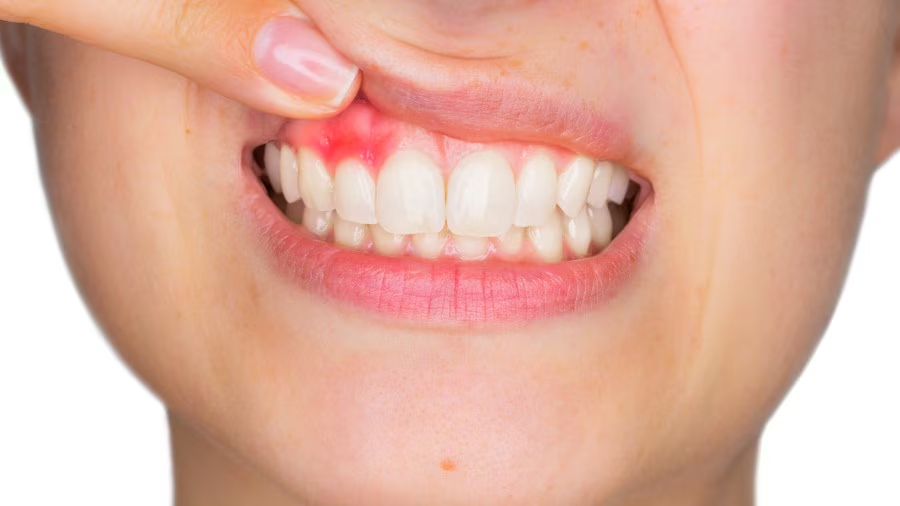
Children often experience gum pain during teething, when baby teeth fall out, or if they develop early gingivitis from poor brushing habits.
Adults face a wider range of causes including gum disease, hormonal changes, dental procedures, and systemic health conditions like diabetes.
Regardless of age, persistent gum pain should always be evaluated by a dental professional.
Frequently Asked Questions (FAQs)
Why does my gum hurt in one spot?
Pain in one spot is usually caused by a trapped food particle, canker sore, or a dental abscess. Gentle flossing and a saltwater rinse may help; see a dentist if it persists beyond a few days.
Why does my gum hurt after eating?
Food debris — especially sharp fragments like popcorn hulls or chips — can get lodged under the gumline and cause sudden localized pain. Use floss or a water flosser to dislodge it gently.
Can stress cause gum pain?
Yes. Stress weakens the immune system, making it harder for your body to fight oral bacteria. It is also linked to teeth grinding (bruxism) which adds physical pressure on gum tissue.
Why does my gum hurt around one tooth?
This is often a sign of a gum pocket, food impaction, or an abscess forming around that specific tooth. A dentist can probe the area and take an X-ray to find the exact cause.
Is gum pain a sign of infection?
It can be. Key signs of infection include throbbing pain, swelling, fever, a bad taste, pus, or a visible bump on the gum. These symptoms need urgent dental attention.
Why do my gums hurt when I brush my teeth?
Gum tenderness during brushing usually points to gingivitis or brushing too hard. Switch to a soft brush, use gentle pressure, and floss daily. Improvement should appear within one to two weeks.
Why does my gum hurt after a filling or crown?
Some post-procedure soreness is normal and typically fades within a few days. If pain worsens after a week, contact your dentist — it may indicate an infection or bite misalignment.
Can a sinus infection make my gums hurt?
Yes. The roots of upper back teeth sit near the sinus cavity. Sinus pressure from an infection can cause pain that feels like it is coming from the upper gums or teeth.
Why does my gum hurt during pregnancy?
Pregnancy hormones increase blood flow to the gums, making them more sensitive, swollen, and prone to bleeding. This is called pregnancy gingivitis and requires extra dental hygiene care.
When should I worry about gum pain?
Worry if the pain lasts more than two weeks, is accompanied by fever or facial swelling, involves a loose tooth, or does not respond to any home remedies. These are signs you need professional dental care immediately.
Conclusion
Why does my gum hurt — the answer is almost never simple, but it is almost always treatable.
Whether the cause is early gingivitis, a lodged food particle, a wisdom tooth pressing against tissue, or a deeper infection, the key is not to ignore the pain. Your gums are the foundation of your oral health.
They protect tooth roots, support bone, and signal the state of your overall wellbeing.
Start with gentle home remedies like saltwater rinses and ibuprofen for mild discomfort.
But if pain persists beyond two weeks, worsens, or comes with swelling and fever — see a dentist without delay.
Consistent brushing, flossing, a healthy diet, and twice-yearly dental checkups will keep your gums strong, pain-free, and healthy for life.
