

Why does my washer smell like rotten eggs after every single load, even when the clothes come out looking clean?
This sulfur-like odor is one of the most common laundry room complaints, and it almost always points to hydrogen sulfide gas building up somewhere in your machine.
That gas forms when bacteria feed on detergent residue, trapped water, or lint inside the drum, hoses, or gasket. Sometimes the smell traces back to your home’s water supply instead of the appliance itself.
Quick Answer

The short version is simple. A rotten egg smell in a washer is almost always caused by sulfur-producing bacteria.
These bacteria grow in biofilm, standing water, or a dirty gasket. In rarer cases, the odor comes from sewer gas or sulfur in well water.
Common Causes Of A Rotten Egg Smell In A Washer
There are several overlapping reasons your machine might develop this odor. Most involve moisture, residue, and warmth working together.
1. Bacteria And Biofilm Buildup
Detergent, fabric softener, and body oils do not always rinse away completely. Over time they form a slimy film called biofilm on the drum walls.
This film feeds odor-causing bacteria, which release hydrogen sulfide gas as a byproduct. It is the single most common cause of washer odor.
2. Stagnant Water In The Drum Or Drain
If your washer does not drain fully after a cycle, small pools of water can sit at the bottom of the tub or inside the drain hose.
Within a day or two, this leftover water turns stagnant and starts to smell. High-efficiency machines that use less water are especially prone to this issue.
3. Front-Load Gasket Or Door Seal Buildup
Front-load washers use a large rubber gasket to seal the door during the wash cycle. Its folds and ribs trap lint, hair, and moisture easily.
Because the seal stays airtight after each wash, trapped water rarely dries out completely. That constant dampness is a breeding ground for mold and sulfur bacteria.
4. Clogged Or Kinked Drain Hose
A drain hose that is bent, clogged with lint, or installed with the wrong slope can trap water instead of letting it flow out.
That trapped water stagnates quickly and produces a sulfur smell that seems to come from nowhere. Checking the hose path is an easy first troubleshooting step.
5. Sewer Gas Backflow Through The Drain
Washing machines connect to your home’s drain system, which is normally protected by a water-filled trap that blocks sewer gas.
If that trap dries out or the standpipe is not vented correctly, sewer gas can travel backward into the washer and laundry room. This smell tends to be strongest when the machine has not been used recently.
6. Hydrogen Sulfide In Well Water
If your home uses well water, the rotten egg smell may originate in your water supply rather than the washer itself.
Sulfur bacteria in groundwater produce hydrogen sulfide naturally, and every appliance that uses that water, including your washer and water heater, can smell like sulfur.
7. Excess Detergent Or Fabric Softener
Using more detergent than a load actually needs seems like it should clean better, but it usually backfires.
Extra product does not fully rinse away and instead builds a sticky residue layer inside the drum. That residue becomes food for bacteria almost immediately.
8. Dirty Detergent Drawer Or Dispenser
The detergent and fabric softener dispenser tray is one of the most overlooked parts of a washing machine.
Leftover soap scum collects in the corners and channels of the tray, where it stays damp between loads. This small compartment can produce a surprisingly strong odor on its own.
9. Old Or Failing Water Heater Rod
Occasionally the smell is not from the washer at all but from hot water entering it. Magnesium anode rods inside water heaters can react with sulfates in the water.
That reaction produces hydrogen sulfide gas, which then shows up anywhere hot water is used, including your washing machine.
10. Mold And Mildew Growth
Mold usually creates a musty smell rather than a sulfur one, but heavy mold combined with trapped debris can shift toward a sharper, chemical-like sulfur odor.
Dark, damp spots like the gasket, drum holes, and dispenser drawer are the most common mold locations.
Causes At A Glance
| Cause | Common In | Typical Fix |
|---|---|---|
| Biofilm and detergent residue | All washer types | Hot water cleaning cycle |
| Stagnant water in drum or hose | HE and front-load washers | Check drain hose slope and clogs |
| Dirty door gasket | Front-load washers | Wipe and dry seal after each wash |
| Sewer gas backflow | Older plumbing setups | Refill P-trap, call a plumber |
| Well water sulfur | Homes on well water | Water treatment or shock chlorination |
| Excess detergent use | All washer types | Use HE detergent, reduce amount |
| Dirty dispenser drawer | All washer types | Remove and soak drawer weekly |
| Water heater rod reaction | Homes with tank heaters | Replace anode rod |
Front-Load Washers Versus Top-Load Washers
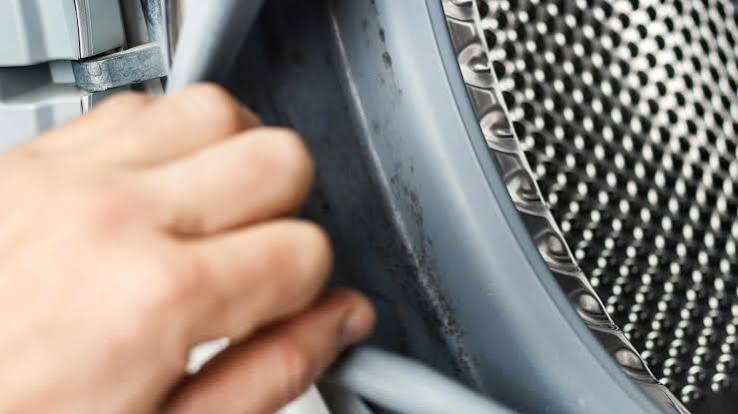
Front-load washers are more likely to develop this smell because of their rubber gasket and airtight door design.
Top-load washers are not immune, though. Older top-loaders with a central agitator can trap residue in cracks and under the agitator base.
Comparison Table: Front-Load Vs Top-Load Odor Risk
| Factor | Front-Load Washer | Top-Load Washer |
|---|---|---|
| Water usage | Low, so residue rinses less | Higher, usually rinses more residue |
| Door seal | Rubber gasket traps moisture | No airtight gasket, dries faster |
| Common odor spot | Door seal and drum holes | Agitator base and detergent tray |
| Ventilation between loads | Poor if door closed immediately | Generally better airflow |
Why The Smell Often Shows Up Suddenly
Many homeowners notice this odor appears out of nowhere after months of normal use. Bacteria growth is gradual, and biofilm often reaches a noticeable threshold all at once.
A sudden, sharp increase in smell strength is usually a signal that something specific changed, such as a clog, a dried-out trap, or a shift in water source.
Weather And Seasonal Changes
Humidity and heat both accelerate bacterial reproduction. A washer that seemed fine in cooler months can start smelling within days once summer temperatures arrive.
A Recent Plumbing Change
If a nearby drain was recently used less often, such as during a vacation, its water trap may have dried out and allowed sewer gas to travel back through the pipes.
Switching Detergent Brands Or Types
Some detergents leave more residue than others, particularly non-HE formulas used in HE machines. Switching brands without adjusting the amount used can introduce new buildup quickly.
Signs You Need Professional Repair Instead Of Cleaning
Most rotten egg odors resolve with a thorough cleaning, but a few warning signs suggest a deeper mechanical issue.
Water Does Not Drain At All
If the drum still holds several inches of water after a completed cycle, the pump or drain hose may be clogged or failing mechanically.
Grinding Or Gurgling Noises During Drainage
Unusual noises while water drains often point to a blocked pump filter or a failing drain pump that needs professional attention.
Smell Returns Within A Day Of Cleaning
If the odor comes back almost immediately after a full cleaning cycle, a hidden clog deeper in the internal hoses may require a technician to access.
Cleaning Products That Actually Help
Not every cleaning product is equally effective against sulfur-producing bacteria. Choosing the right one saves time and repeated cycles.
White Vinegar
An affordable, widely available option that breaks down mineral scale and kills a broad range of bacteria through acidity.
Baking Soda
Effective for absorbing odors and gently scrubbing residue from the drum, especially when combined with vinegar in a two-step cycle.
Commercial Washer Cleaning Tablets

Formulated specifically to dissolve biofilm in hard-to-reach areas like internal hoses, often recommended for machines with recurring odor problems.
Oxygen-Based Bleach
A gentler alternative to chlorine bleach that removes organic buildup without the harsh fumes or fabric damage risk.
Testing And Treating Sulfur In Well Water
If tap water throughout the house carries the same rotten egg smell as the washer, the water supply itself likely needs attention.
Step 1: Isolate The Source
Run water from an outdoor spigot, away from your home’s internal plumbing and water heater, to check whether the smell originates at the well itself.
Step 2: Get A Water Test
A certified lab or local extension office can measure hydrogen sulfide and sulfate levels precisely, guiding the right treatment choice.
Step 3: Choose A Treatment Method
Shock chlorination handles bacterial sulfur odors, while an oxidizing filter or aeration system manages higher, more persistent concentrations.
Step 4: Recheck After Treatment
Retest the water a few weeks after treatment to confirm sulfur levels have dropped to an acceptable range.
Common Mistakes That Make The Smell Worse
A few habits unintentionally feed the bacteria causing the odor rather than eliminating them.
Closing The Door Immediately After A Wash
Sealing in moisture right after a cycle traps humidity exactly where bacteria thrive best.
Overloading The Machine
Overloaded drums do not rinse detergent away fully, leaving more residue behind with every single wash.
Skipping The Detergent Drawer Entirely
Many people clean the drum but forget the dispenser tray, allowing it to remain a constant, hidden odor source.
Using Cold Water For Every Load
Cold cycles save energy but are less effective at breaking down oily residue and biofilm compared to warm or hot cycles.
Is It Dangerous?
In most cases, a smelly washer is a nuisance rather than a health hazard. Hydrogen sulfide from bacteria in small amounts is unpleasant but not toxic at typical household levels.
There is one important exception worth knowing about.
Safety Warning Table
| Situation | Likely Cause | Action To Take |
|---|---|---|
| Smell only near washer, worse during cycle | Bacteria or biofilm | Clean the machine as described below |
| Smell throughout the entire house | Possible gas leak | Leave home and call the gas company |
| Smell when washer has not run in days | Dry P-trap or sewer gas | Run water in nearby drains, call a plumber |
| Smell from all faucets and appliances | Well water sulfur | Test water and consider treatment |
If the odor fills your whole home rather than staying near the laundry area, treat it as an emergency and contact your gas provider immediately.
How To Fix A Washer That Smells Like Rotten Eggs
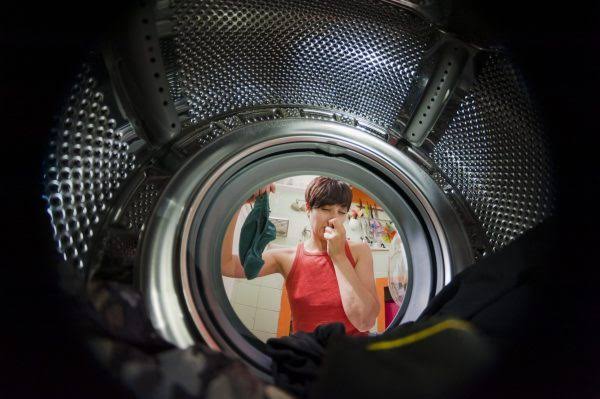
Once you understand the likely cause, cleaning the machine properly usually solves the problem within one or two cycles.
Step 1: Run An Empty Hot Water Cleaning Cycle
Start with the hottest empty cycle your washer allows. Heat breaks down biofilm and residue far better than cold or warm water.
Many modern machines include a dedicated “clean” or “tub clean” cycle designed exactly for this purpose.
Step 2: Add Vinegar Or A Washer Cleaning Tablet
Pour two cups of white vinegar directly into the drum, or use a store-bought washing machine cleaning tablet in the detergent tray.
Vinegar’s acidity helps dissolve mineral deposits and kills many odor-causing bacteria on contact.
Step 3: Scrub The Door Gasket By Hand
Pull back the folds of the rubber door seal and wipe out any trapped lint, hair, or slime with a damp cloth or old toothbrush.
A mix of water and vinegar works well here without damaging the rubber.
Step 4: Remove And Soak The Detergent Drawer
Take out the dispenser tray completely and soak it in warm soapy water for fifteen minutes before scrubbing with a small brush.
Rinse thoroughly and let it air dry before sliding it back in.
Step 5: Inspect The Drain Hose And Filter
Check that the drain hose is not kinked and sits at the correct height according to your owner’s manual.
If your model has an accessible lint filter or trap, empty it and rinse away any trapped debris.
Step 6: Leave The Door Open Between Loads
After every wash, leave the door and detergent drawer slightly open so trapped moisture can evaporate.
This single habit prevents a large percentage of future odor problems.
Step 7: Test Your Water If You Suspect Sulfur
If the smell shows up in tap water too, request a water test from a local lab or water treatment company.
Depending on results, options range from shock chlorination of a well to installing an oxidizing filter.
How To Prevent The Smell From Coming Back
Prevention is far easier than repeated deep cleaning once bacteria take hold.
Wipe The Gasket After Every Wash
A quick thirty-second wipe down of the door seal keeps moisture from sitting there overnight.
Use The Correct Amount Of HE Detergent
High-efficiency machines need less detergent than older top-loaders, so always follow the measuring line on the cap.
Run A Monthly Maintenance Cycle
Even without visible buildup, running a hot cleaning cycle monthly keeps bacteria from establishing a foothold.
Leave The Door Cracked Open
Closed, damp drums are the ideal bacteria environment, so airflow between loads matters more than most people expect.
Suggested Cleaning Schedule
| Task | Frequency |
|---|---|
| Wipe door gasket | After every wash |
| Clean detergent drawer | Weekly |
| Run empty hot cleaning cycle | Monthly |
| Check and clear drain hose | Every 3 months |
| Test well water for sulfur | Once a year |
Related Terms People Search Alongside This Problem
People dealing with this issue often search related phrases while trying to pin down the exact cause. Understanding these related terms can help you describe the problem more precisely to a repair technician.
Washer Smells Like Sewer
This phrasing usually points toward drain or sewer gas backflow rather than bacteria inside the drum itself.
Washing Machine Smells Like Sulfur After Washing Clothes
This version suggests the odor is transferring onto fabric, which typically means biofilm inside the drum is the main culprit.
Front Load Washer Smells Like Rotten Eggs Gasket
This specific search points directly at the rubber door seal as the most likely trapped-moisture source.
Washing Machine Smells Like Rotten Eggs Well Water
This phrase usually means the water supply itself contains hydrogen sulfide rather than the machine being dirty.
New Washing Machine Smells Like Rotten Eggs
A brand-new unit smelling this way is often linked to manufacturing residue, a shipping delay with trapped moisture, or an existing sewer gas issue in the home’s plumbing.
Quick Troubleshooting Checklist
Use this short checklist before deciding whether cleaning, a plumber, or a water test is the right next step.
| Check | What To Look For |
|---|---|
| Run a quick sniff test near the drain | Sewer-like smell suggests plumbing, not the washer |
| Check if tap water smells too | Confirms well water sulfur rather than washer buildup |
| Inspect gasket folds for slime | Confirms biofilm as the main cause |
| Confirm water fully drains after cycle | Rules out pump or hose blockage |
| Note if smell is constant or occasional | Occasional smell often ties to humidity or usage patterns |
Frequently Asked Questions (FAQs)
Why does my washer smell like rotten eggs even after cleaning?
Leftover biofilm deep in hoses or the pump filter can survive a single cleaning cycle. Repeat the hot water and vinegar cycle two or three times.
Can a rotten egg smell in the washer make clothes smell too?
Yes, bacteria and residue inside the drum can transfer odor directly onto wet fabric during the wash cycle.
Is hydrogen sulfide gas from a washer dangerous to breathe?
At typical household levels from bacteria, it is unpleasant but not considered a serious health risk. Whole-house gas smells are a different, urgent situation.
Does vinegar really remove washer odor?
Vinegar’s acidity dissolves detergent residue and kills many odor-causing bacteria, making it one of the most effective natural cleaners for this problem.
Why does only my front-load washer smell, not other appliances?
The airtight rubber gasket on front-load doors traps moisture more effectively than any other part of a typical laundry setup.
Could my water heater be causing the smell instead of the washer?
Yes, a magnesium anode rod reacting with sulfates in hot water can produce the same sulfur smell inside a washing machine.
How often should I clean my washing machine to prevent odor?
A monthly empty hot water cycle, combined with weekly dispenser drawer cleaning, prevents most bacterial buildup.
Why does the smell get worse in summer?
Warmer indoor temperatures speed up bacterial growth, so residue that sits for a day in summer can smell far worse than the same residue in winter.
Should I call a plumber for a rotten egg smell near the washer?
Call a plumber if the smell persists when the washer is off or spreads beyond the laundry area, since that suggests a drain or sewer issue.
Can well water sulfur be permanently fixed?
Yes, shock chlorination combined with an oxidizing or carbon filtration system can permanently reduce or eliminate sulfur odor from well water.
Conclusion
A washer that smells like rotten eggs is almost always caused by hydrogen sulfide gas released by bacteria feeding on detergent residue, trapped water, or a dirty door gasket.
Front-load machines are more prone to this issue because their airtight rubber seal holds in moisture between cycles. Other possible sources include a clogged drain hose, sewer gas backflow, a dying water heater rod, or naturally occurring sulfur in well water.
The good news is that most cases are fixed with a hot cleaning cycle, vinegar, and a quick gasket wipe-down rather than a costly repair. Building small habits like leaving the door open between loads and cleaning the dispenser tray weekly will keep the odor from returning.
If the smell ever fills your entire house rather than just the laundry area, treat it as a possible gas leak and contact a professional immediately.
