

Why is magnet fishing illegal is a question new hobbyists usually search right after they hear someone else got in trouble for doing it. The truth is more nuanced than a simple ban, and the answer changes depending on where you are standing.
What Is Magnet Fishing

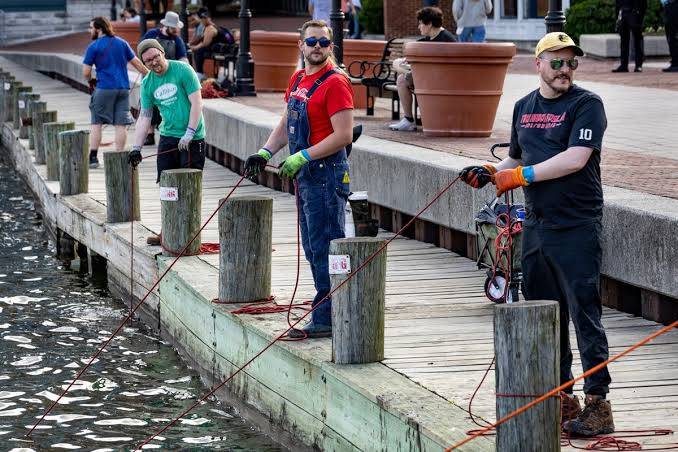
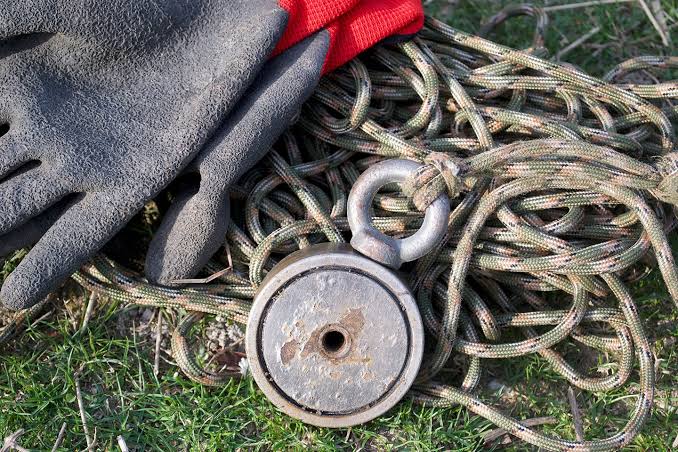
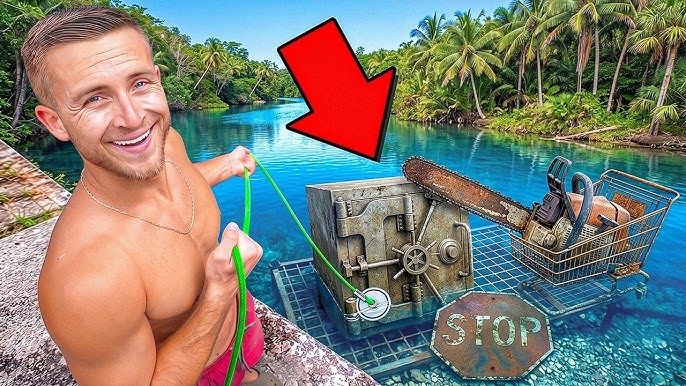
Magnet fishing involves tying a strong neodymium magnet to a rope and casting it into rivers, canals, or lakes to pull up metal objects. Hobbyists have recovered everything from bicycles and tools to old coins and safes.
The activity is not banned across the entire country, but specific rules apply depending on the location and what gets pulled out of the water.
The Short Answer
There is no federal law banning magnet fishing in the United States. It becomes restricted or illegal only in specific states, parks, and waterways where local laws, safety concerns, or historical protections apply.
South Carolina is the only state with a law written specifically to restrict the hobby. Everywhere else, the legality depends on land ownership, local rules, and what you do with anything you recover.
Where Magnet Fishing Is Restricted or Banned
Rules vary widely depending on who manages the specific waterway you plan to use.
| Location Type | Typical Rule |
|---|---|
| Most public rivers and lakes | Generally allowed |
| South Carolina waterways | Explicitly banned under state law |
| Oklahoma State Parks | Prohibited |
| Select National Park Service sites | Prohibited for safety and preservation reasons |
| Private property | Requires the landowner’s permission |
Because a single state can have different rules for different bodies of water, checking local regulations before you start is always worth the extra few minutes.
South Carolina’s Specific Ban Explained
South Carolina is the clearest example of a state law aimed directly at magnet fishing. Its Underwater Antiquities Act treats the removal of submerged objects as a regulated form of salvage.
The law technically requires identifying an object before bringing it out of the water, which is nearly impossible with a magnet pulling blind off the riverbed. After an incident where a magnet fisher disturbed a protected archaeological site, the state tightened enforcement considerably.
Federal Laws That Can Still Apply
Even without a nationwide ban, certain federal protections can affect what you are legally allowed to keep.
Archaeological Resources Protection Act (ARPA)
Under ARPA, any artifact older than 100 years found on federal land is considered government property. Recovering a historical item on federal land, even by accident, can lead to legal complications.
National Park Service Restrictions
Sites like Fort Pulaski National Monument, Cape Hatteras National Seashore, and Assateague Island National Seashore explicitly prohibit magnet fishing. These rules typically combine safety concerns with a desire to protect historical resources.
The Safety Risks Behind Many Restrictions
Beyond legal technicalities, real safety concerns explain why some areas choose to restrict the hobby.
Unexploded Ordnance
Waterways located near former military bases or old battlefields can still hold unexploded ordnance decades later. Pulling up dangerous military remnants puts hobbyists and bystanders at genuine risk.
Weapons Tied to Criminal Cases
Rivers and canals are common dumping spots for weapons connected to crimes. Removing these items can compromise an active investigation or destroy the chain of custody needed for evidence.
Hazardous or Chemical Materials
Old containers pulled from murky water sometimes leak toxic substances once disturbed. In rare cases, magnet fishers have accidentally uncovered hazardous chemical waste that required a specialized response.
Environmental Reasons for Restrictions
A few waterways add restrictions purely for environmental reasons.
- Dragging heavy magnets can stir up sediment on the riverbed.
- Repeated activity near spawning grounds can disturb sensitive fish populations.
- Protected habitats close to fragile ecosystems sometimes carry extra rules.
- Removing large metal debris without care can occasionally cause more disruption than benefit.
What to Do If You Find a Historical Artifact
Finding something historically significant changes what you are allowed to do with it.
| Situation | Recommended Action |
|---|---|
| Item looks historically significant | Report it to local authorities or a historical society |
| Item was found on federal land | Leave it in place, since it may legally belong to the government |
| Item was found in a state with artifact protection laws | Check that state’s specific reporting rules |
| Item appears to be a weapon | Contact law enforcement right away |
Many states treat artifacts recovered from public waters as state property, regardless of who found them.
Magnet Fishing Rules Around the World
The United States is fairly permissive compared to several other countries.
| Country | General Rule |
|---|---|
| United States | Legal in most states, restricted in specific areas |
| United Kingdom | Legal on public waterways, restricted on canals without a license |
| Poland | Illegal without a government permit, with criminal penalties |
| Germany | Often requires a treasure-hunting permit depending on the region |
If you are traveling, always confirm the local rules before bringing your equipment along.
How to Stay Legal While Magnet Fishing
Following a few simple habits keeps most hobbyists well within the law.
- Look up your state’s specific rules before heading out.
- Ask permission before fishing on private property.
- Stay away from posted parks or known historical sites.
- Report weapons, suspicious items, or likely artifacts to the proper authorities.
- Never assume a public-looking waterway is automatically free of restrictions.
Mistakes to Avoid
| Do This | Avoid This |
|---|---|
| Check state and local regulations first | Assuming the hobby is legal everywhere |
| Report historical or suspicious finds | Keeping items that may legally belong to the state |
| Get permission on private land | Fishing on clearly restricted property |
| Handle unknown metal objects with caution | Prying open unidentified containers |
Key Takeaways
- Magnet fishing has no federal ban in the United States.
- South Carolina is the only state with a law that specifically restricts the hobby.
- Certain National Park Service sites and state parks prohibit it entirely.
- ARPA can make keeping artifacts found on federal land a legal issue.
- Safety concerns include unexploded ordnance, criminal evidence, and hazardous materials.
Also Read
- Why Do I Have a Hump on the Back of My Neck?
- Why Are My Gums Purple?
- Why Do Canadians Speak French?
- Why Is Vanilla So Expensive?
- Why Does My Bearded Dragon Lick Me?
- Why Is It Called House Music?
- Why Do My Eyelids Itch?
- Why Do My Nails Hurt After Getting Acrylics?
- Why Can’t Horses Throw Up?
- Why Won’t My Car Turn Over?
- Why Does My Voice Sound Different on Video?
- Why Is the Left Ventricle Thicker Than the Right?
- Why Is It Called the Twin Cities?
- Why Are Earwigs in My House?
- Why Am I So Hairy?
- 50+ Plant Puns That’ll Leaf You Laughing
- Cheesy Pizza Puns That’ll Make You Crust Laugh
- 100+ Fishing Puns That Will Reel You In
- 50+ Blooming Flower Puns to Brighten Your Day
- Bad Puns That Are So Awful, They’re Hilarious
- The Best Animal Puns That Are Paws-itively Funny
- 71 Inches to cm: A Simple Conversion Guide
- 61 Inches to Feet: Easy Conversion Guide
- 36cm to Inches: Your Ultimate Guide
- 45mm to Inches: Your Complete Guide
Frequently Asked Questions (FAQs)
Why is magnet fishing illegal?
It is not illegal nationwide, but certain states, parks, and waterways restrict or ban it. The main reasons are safety risks, environmental concerns, and historical preservation laws.
Which state has a specific law against magnet fishing?
South Carolina is the only state with a law written specifically to restrict magnet fishing. Its Underwater Antiquities Act treats the hobby as a regulated form of salvage.
Can I magnet fish inside a national park?
Not always, since several National Park Service sites explicitly prohibit it. Always check the specific park’s rules before you go.
Is magnet fishing dangerous?
It is usually safe, but there is a real risk of pulling up unexploded ordnance or hazardous materials. Treating unknown objects with caution significantly lowers that risk.
Do I need permission to magnet fish on someone’s private land?
Yes, fishing on private property without consent can be treated as trespassing. Always get the landowner’s permission first.
What should I do if I pull up a weapon?
Contact local law enforcement instead of handling or keeping it. Weapons found in water may be tied to a criminal case and need proper evidence handling.
What if I find something that looks historically significant?
Report it to local authorities or a historical society rather than keeping it. Many states legally treat such finds as state property.
Are there countries where magnet fishing is illegal?
Yes, Poland requires a government permit and enforces criminal penalties for unauthorized magnet fishing. Rules vary widely by country, so checking local law matters.
Can magnet fishing damage the environment?
It can, since dragging magnets may disturb sediment or nearby fish habitats. Being mindful around sensitive waterways helps minimize the impact.
How do I keep my magnet fishing hobby fully legal?
Research your state’s rules, get permission on private land, and stay away from restricted parks. Reporting unusual or historical finds also keeps you compliant.
Conclusion
So, why is magnet fishing illegal really comes down to a mix of state-specific laws, park regulations, and federal artifact protections rather than one blanket nationwide rule. South Carolina remains the clearest legal example, while other restrictions come from park policy or safety concerns.
Risks like unexploded ordnance, hazardous materials, and criminal evidence explain why certain areas discourage the hobby entirely. Environmental protection adds another layer in a smaller number of sensitive locations.
Checking local rules ahead of time, asking permission on private property, and reporting unusual finds are the simplest ways to enjoy magnet fishing without running into legal trouble.
