

Why Are My Gums Purple? Catching a glimpse of purple gums in the mirror can be startling. It’s not something most people expect to see, and it naturally raises the question of whether it’s serious.
Why Are My Gums Purple
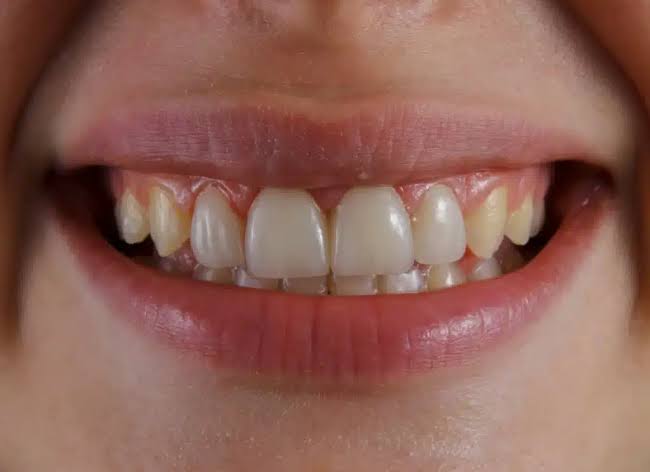
Purple gums can be completely normal or a sign of an underlying issue. Natural melanin pigmentation, bruising, gum disease, smoking, medication side effects, and poor circulation are the most common causes.
A stable, uniform purple tone without pain, swelling, or bleeding is often just natural pigmentation. A sudden change, especially with other symptoms, needs a dental evaluation.
What Do Healthy Gums Normally Look Like?
Healthy gum color isn’t one single shade for everyone. In lighter skin tones, gums are typically coral pink, while medium to deeper skin tones can range from pink to reddish-brown or near-black.
This natural variation comes from melanin, the same pigment responsible for skin, hair, and eye color. Understanding your own baseline gum color makes it easier to notice a real change later.
Natural Melanin Pigmentation
Melanocytes are specialized cells that produce melanin, and some people naturally produce more than others. Higher melanin levels can create darker, sometimes purplish-toned gums, and this is completely normal.
Sun exposure can also increase melanin production, which occasionally darkens gum tissue along with skin. If the color has always been this way and stays consistent, it’s usually nothing to worry about.
Gum Disease (Periodontal Disease)
Gum disease develops when bacteria build up under the gumline, leading to inflammation and poor circulation in the tissue. This reduced blood flow can cause gums to appear darker, reddish-purple, or even bluish.
Early gum disease often starts as swollen, red, bleeding gums before progressing further. Persistent bad breath and tenderness are also common accompanying symptoms.
Signs Gum Disease May Be the Cause
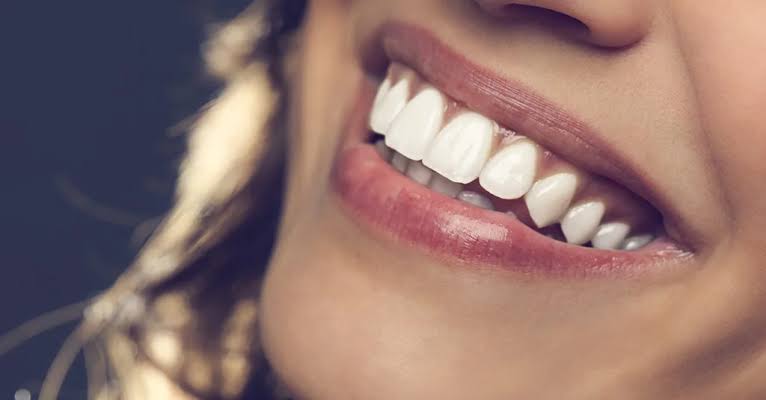
- Bleeding when brushing or flossing
- Swelling or tenderness around the gumline
- Persistent bad breath
- Gums pulling away from teeth
Bruising and Minor Injury
Gums can bruise just like skin, especially from brushing too hard, aggressive flossing, or recent dental work. This causes small blood vessels to break, creating temporary dark or purple spots.
These injury-related spots typically heal on their own within a week or two. If a dark spot doesn’t fade or keeps recurring without a clear cause, it’s worth mentioning to your dentist.
Smoking and Tobacco Use
Smoking is one of the most common contributors to gum discoloration. A condition called Smoker’s Melanosis can cause gums, cheeks, or the palate to darken due to nicotine exposure.
Tobacco use also increases the risk of gum disease and oral cancer, both of which can independently cause purple or brown discoloration. Quitting smoking often improves gum appearance over time.
Medication Side Effects
Certain medications, including some that affect blood flow or mood, can influence gum color as a side effect. If a color change started around the same time as a new prescription, that timing is worth noting.
Never stop a medication without medical guidance. Instead, talk to your prescribing doctor about whether an alternative exists if discoloration is a concern.
Poor Circulation and Systemic Health Conditions
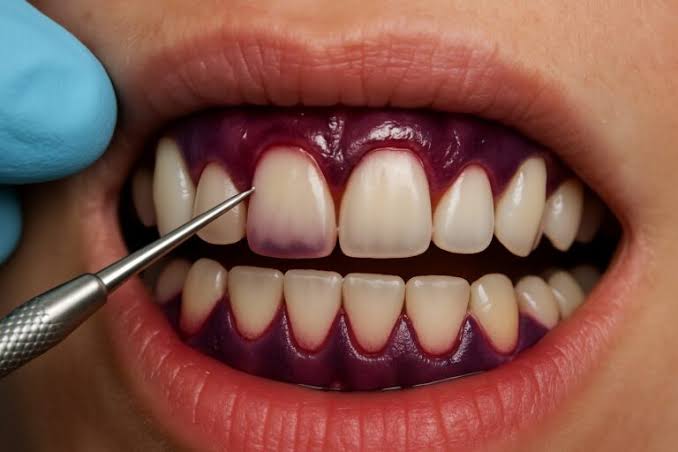
Conditions like cyanosis, anemia, heart disease, and lung disease can all cause tissue, including gums, to take on a blue or purple tint. This is the same mechanism behind lips turning bluish in cold weather.
| Condition | How It Affects Gum Color |
|---|---|
| Cyanosis | Reduces oxygen in blood, creating a blue-purple tint |
| Anemia | Can cause paler gums, sometimes with a duller tone |
| Heart disease | May reduce circulation, affecting tissue color |
| Lung disease | Limits oxygen delivery, similar to cyanosis |
If a color change comes with fatigue, shortness of breath, or chest discomfort, it’s important to consult a physician alongside your dentist.
Hormonal Changes
Pregnancy, puberty, and menopause all trigger hormonal shifts that can make gums more sensitive and prone to color changes. Pregnancy gingivitis, in particular, is well documented and linked to increased blood flow.
This type of discoloration is usually temporary and manageable with good oral hygiene. It still deserves professional monitoring to rule out active gum disease.
Vitamin Deficiencies
Deficiencies in vitamin C and iron can negatively affect gum health and contribute to discoloration. These nutrients play a direct role in tissue repair and blood health.
A balanced diet or supplements, guided by a healthcare provider, can help correct deficiency-related gum changes over time.
Eruption Hematoma in Children
In children, a developing tooth can sometimes form a small cyst filled with blood or fluid, making the surrounding gum look dark purple or black. This is called an eruption hematoma.
Most eruption hematomas resolve naturally once the tooth fully emerges. If the tooth stays trapped, a dentist may need to open the area to help it erupt properly.
When Purple Gums Could Signal Oral Cancer
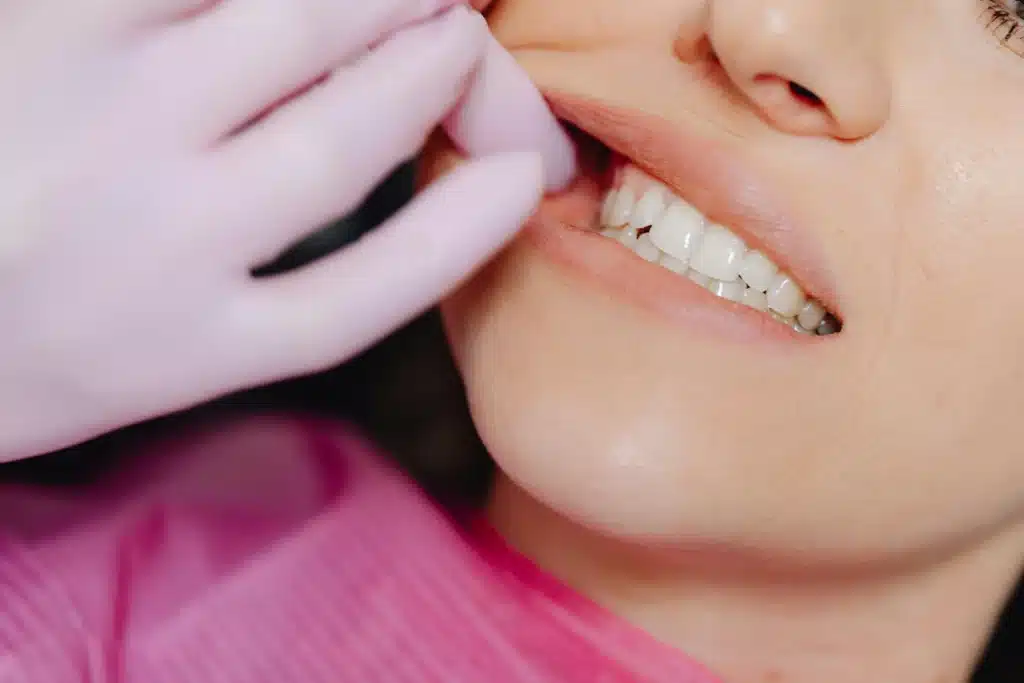
This is rare, but it’s important to know the warning signs. A dark spot that’s irregular in shape, mixed with red, purple, or grey coloring, or changing in size should be evaluated immediately.
- New spot that doesn’t fade or heal
- Irregular or asymmetrical shape
- Mixed coloring within the same spot
- A spot that grows or changes over time
Early evaluation gives the best outcome, so don’t wait if you notice these specific warning signs.
Comparing Normal vs Concerning Purple Gums
| Feature | Likely Normal | Needs Dental Evaluation |
|---|---|---|
| Onset | Has always looked this way | Sudden or recent change |
| Symmetry | Even, consistent pattern | Isolated to one specific spot |
| Symptoms | No pain, swelling, or bleeding | Pain, swelling, or bleeding present |
| Shape | Uniform coloring | Irregular, changing shape |
| Stability | Stays the same over time | Growing or spreading |
What to Do If You Notice Purple Gums
- Check whether the color has always been this way or changed recently.
- Look for other symptoms like bleeding, swelling, or pain.
- Review any new medications you’ve started recently.
- Schedule a dental exam if the color is new, uneven, or symptomatic.
- Mention any smoking history or systemic health conditions to your dentist.
How Dentists Diagnose the Cause
A dentist will typically start with a visual exam to compare your gum color pattern against known causes. They’ll ask about your medical history, medications, and any recent symptoms.
In some cases, a biopsy may be recommended if a spot looks suspicious for oral cancer. Blood tests might also be suggested if a systemic condition like anemia is suspected.
Treatment Options Depending on the Cause
| Cause | Typical Approach |
|---|---|
| Natural pigmentation | No treatment needed |
| Gum disease | Deep cleaning, improved oral hygiene, possible antibiotics |
| Bruising | Usually heals on its own |
| Smoking-related | Smoking cessation support |
| Medication side effect | Discuss alternatives with your doctor |
| Suspicious spot | Biopsy and specialist referral |
Mistakes to Avoid
- Assuming all purple gums are dangerous without checking for symptoms
- Ignoring a spot that’s changing shape or color
- Brushing too aggressively, which can cause repeated bruising
- Delaying a dental visit when bleeding or swelling is present
Frequently Asked Questions (FAQs)
Why are my gums purple?
Purple gums can result from natural melanin pigmentation, bruising, gum disease, smoking, medication side effects, or reduced blood circulation.
Are purple gums always a sign of gum disease?
No. Many people have naturally darker or purple-toned gums due to melanin, which is completely normal and unrelated to disease.
Can brushing too hard cause purple gums?
Yes. Aggressive brushing or flossing can break small blood vessels, creating temporary bruised, dark spots that usually heal within a couple of weeks.
Is purple gum discoloration linked to smoking?
Yes. Smoking can cause a condition called Smoker’s Melanosis, which darkens gum tissue and also raises the risk of gum disease and oral cancer.
Can medication cause gum color changes?
Certain medications, especially those affecting blood flow, have been linked to gum discoloration as a side effect.
When should I worry about purple gums?
You should see a dentist if the color change is sudden, isolated to one spot, irregular in shape, or accompanied by pain, swelling, or bleeding.
Can systemic health conditions cause purple gums?
Yes. Conditions like anemia, heart disease, lung disease, and cyanosis can all affect gum color due to changes in blood oxygen and circulation.
Do purple gums always need treatment?
Not always. If the color is stable, symmetrical, and symptom-free, it’s often just natural pigmentation that doesn’t require treatment.
Can pregnancy cause purple gums?
Yes. Hormonal changes during pregnancy can increase blood flow to the gums, sometimes making them appear redder or more purple-toned.
Is an eruption hematoma dangerous?
No. It’s a common, usually harmless dark cyst that forms as a child’s tooth is emerging, and it typically resolves on its own.
Can vitamin deficiencies cause gum discoloration?
Yes. Low levels of vitamin C or iron can negatively affect gum health and may contribute to color changes.
What does a dentist check during a gum color evaluation?
A dentist typically examines the pattern, symmetry, and stability of the color, reviews your medical history, and may recommend a biopsy if a spot looks suspicious.
Can purple gums be an early sign of oral cancer?
In rare cases, yes. Warning signs include an irregular, mixed-color spot that changes size or shape over time and doesn’t heal.
Is it normal for gum color to vary between people?
Yes. Gum color naturally varies based on melanin levels, which are tied to genetics and skin tone.
Can quitting smoking improve gum color?
Yes. Gum discoloration linked to smoking often improves gradually after quitting, along with a lower risk of related gum disease.
Also Read:
- Literary Tools: Mastering the Art of Powerful Storytelling and Poetry
- Standard Metaphor Examples In Literature
- Implied Metaphor (Examples in Literature & Sentences)
- 100 Metaphor Examples (Common Example Sentences)
- Visual Metaphor (Examples in Literature & Explanation)
- Metonymy Vs Metaphor (Key Differences & Examples)
- Metaphor Examples In Poetry
- Extended Metaphors Examples in Literature
- What Is Dead Metaphor? 6 Examples in Literature
- 11 Types of Metaphors in English (Definitions & Examples)
- Mixed Metaphors (5 Examples in Literature)
- Examples of Implied Metaphor in Literature
- Metaphor Worksheets with Answers
- 9 Examples of Metaphor in Literature
- Ditch the Screen: The Secret to Catching Every Typo in Your Draft
- Point Cloud for Construction: Reliable 3D Data for Projects
- Why Is It Called House Music? (Origin & History Explained)
- Why Do My Eyelids Itch? Common Causes Explained
- Why Do My Nails Hurt After Getting Acrylics? (Causes & Relief)
- Why Can’t Horses Throw Up? Here’s Why
- Why Won’t My Car Turn Over? Causes & Fixes
- Why Does My Dog Keep Scratching? Causes Explained
- Why Does My Tooth Hurt When I Lay Down? Here’s Why
- Why Isn’t My Flashlight Working? Causes & Quick Fixes
Conclusion
Purple gums are more often a harmless variation than a warning sign, especially if the color has always looked this way and nothing else feels off. Melanin pigmentation, minor bruising, and hormonal shifts explain most cases people notice.
Still, a sudden change, an irregular spot, or any pain, swelling, or bleeding is your cue to book a dental visit. Getting it checked early is the simplest way to rule out gum disease or something more serious and protect your long-term oral health.
