

Why does my tooth hurt when I lay down? This is one of the most common questions people search for late at night. A dull ache during the day can suddenly turn into a throbbing pain the moment you lie flat on your bed.
This happens because of a mix of physical, dental, and lifestyle factors. In this guide, you will learn exactly why lying down triggers tooth pain and what you can do about it.
We will cover every possible cause, home remedies, warning signs, and prevention tips backed by dental research.
Why Your Tooth Hurts More When Lying Down

When you lie down, blood flow to your head increases. This added pressure pushes against inflamed nerves inside a damaged or infected tooth.
At the same time, fewer daytime distractions make you more aware of pain that was already there. Dry mouth, sinus pressure, and teeth grinding can also intensify discomfort at night.
The Main Reason: Increased Blood Flow While Lying Flat
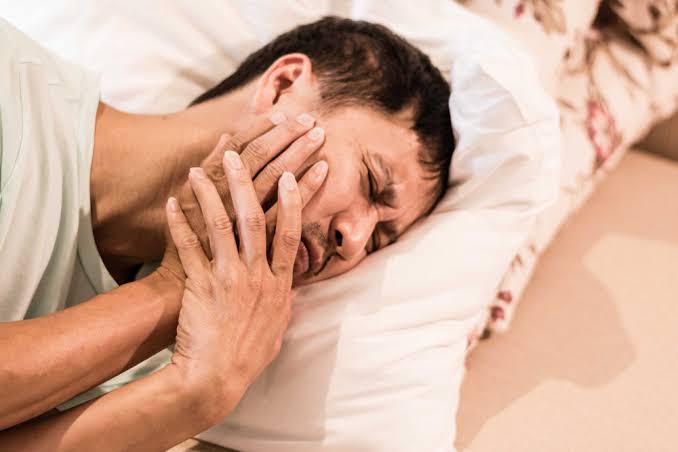
Gravity keeps blood evenly distributed through your body while you are upright. The moment you lie down, more blood rushes toward your head and face.
This extra circulation raises pressure inside any tooth that already has inflammation, decay, or infection. The nerve inside that tooth becomes more sensitive to this pressure change.
That is why a mild ache during the day can feel like sharp, throbbing pain once your head hits the pillow.
Fewer Distractions at Night
During the day, work, conversations, and daily tasks keep your mind occupied. Tooth pain often gets pushed to the background.
At night, the room goes quiet and your body starts to relax. With nothing left to distract you, even minor tooth pain feels much more noticeable.
Common Dental Causes of Tooth Pain When Lying Down
Several underlying dental issues become more painful when you lie flat. Understanding each one helps you figure out what might be happening in your mouth.
Tooth Decay and Cavities
Cavities expose the sensitive inner layers of your tooth as they grow deeper. Once decay reaches the nerve, pressure and temperature changes cause sharp pain.
Lying down increases blood flow around these exposed nerves. This makes cavity-related pain feel far worse at night than during the day.
Dental Abscess
A dental abscess is a pocket of infection at the root of a tooth or in the surrounding gum tissue. It causes deep, throbbing pain that rarely goes away on its own.
This pain typically intensifies when you lie down because of the added pressure from increased blood circulation. An abscess needs prompt professional treatment.
Gum Disease
Inflamed or infected gums can make your teeth feel sore, loose, or sensitive. Gum disease often gets worse overnight because saliva production drops while you sleep.
Lower saliva flow allows bacteria to multiply more freely. This can lead to swelling, soreness, and discomfort that peaks right when you lie down.
Cracked or Fractured Tooth
A cracked tooth may not hurt much when you are upright and chewing normally. But changes in pressure while lying down can aggravate the crack and irritate the nerve inside.
Sharp, sudden pain triggered by temperature or pressure is a common sign of a cracked tooth. This needs a dental exam to prevent further damage.
Teeth Grinding (Bruxism)
Many people clench or grind their teeth during sleep without realizing it. This places enormous strain on the jaw, gums, and tooth surfaces throughout the night.
Bruxism often causes a dull, widespread ache across several teeth. Pain is usually most noticeable right after waking up or while lying in bed.
Recent Dental Work Sensitivity
Teeth can feel extra sensitive after fillings, crowns, or extractions. The nerve endings are still healing and adjusting to the new dental work.
This sensitivity can flare up at night as the body relaxes and blood flow shifts. It usually settles down within a few days.
Non-Dental Causes That Can Trigger Tooth Pain
Not every case of tooth pain when lying down starts in the tooth itself. Some causes come from nearby areas of your body.
Sinus Pressure and Infections
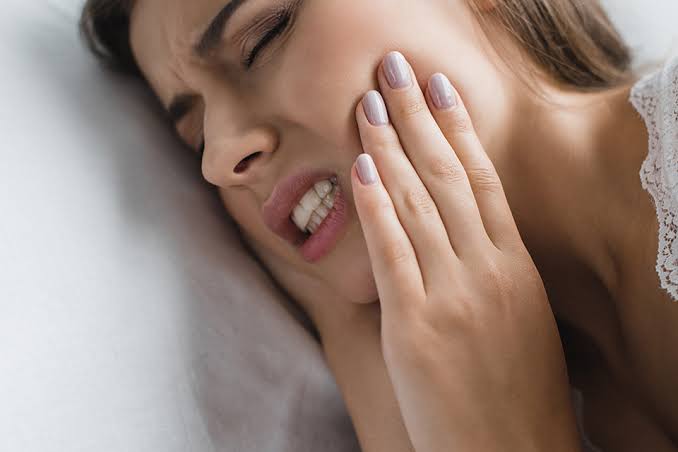
Your upper back teeth sit very close to your sinus cavities. A sinus infection or seasonal allergies can create pressure that feels exactly like tooth pain.
Lying flat can increase this sinus pressure even further. If only your upper teeth hurt and you also have congestion, sinus issues could be the real cause.
Dry Mouth at Night
Saliva naturally decreases while you sleep. Saliva helps wash away bacteria and neutralize acids that attack your teeth throughout the day.
With less saliva at night, bacteria can build up more easily. This can worsen existing sensitivity and increase overall discomfort.
Hormonal Changes
Hormonal shifts, including those during pregnancy or your menstrual cycle, can make gums more sensitive to inflammation. This sensitivity can translate into tooth discomfort at night.
If you notice a pattern connected to your cycle or pregnancy, mention this to your dentist during your next visit.
Table: Common Causes of Tooth Pain When Lying Down
| Cause | Type of Pain | Common Trigger |
|---|---|---|
| Tooth decay or cavity | Sharp, sensitive | Pressure, temperature |
| Dental abscess | Deep, throbbing | Lying flat, chewing |
| Gum disease | Sore, aching gums | Reduced saliva at night |
| Cracked tooth | Sudden, sharp | Pressure changes |
| Bruxism (grinding) | Dull, widespread ache | Waking up, clenching |
| Sinus infection | Pressure-like ache | Congestion, lying down |
| Dry mouth | Mild sensitivity | Nighttime, breathing through mouth |
How to Tell If It’s a Dental Problem or a Sinus Problem
Dental pain is usually limited to one tooth or a small cluster of teeth. It often reacts strongly to hot, cold, or sweet foods.
Sinus pain tends to affect several upper back teeth at once. It is usually paired with nasal congestion, facial pressure, or a headache.
If tapping on one specific tooth causes sharp pain, the issue is more likely dental. If pressing on your cheekbones or forehead hurts, sinus pressure may be the culprit.
Home Remedies to Ease Tooth Pain When Lying Down
While you wait for a dental appointment, several home remedies can help you manage discomfort. These are temporary solutions, not permanent fixes.
Elevate Your Head
Prop your head up with an extra pillow or two while sleeping. This small change reduces blood flow pressure around the sore tooth.
Try to avoid sleeping on the side where the painful tooth is located. Pressure from your pillow can make the pain worse.
Rinse With Warm Salt Water
Mix half a teaspoon of salt into a cup of warm water. Swish it gently around your mouth for about 30 seconds before spitting it out.
This rinse helps reduce bacteria and can calm mild gum inflammation. Repeat this two to three times a day for relief.
Use a Cold Compress
Apply a cold compress or ice pack wrapped in a cloth to your cheek near the painful area. Hold it in place for about 15 minutes at a time.
Cold therapy helps numb the area and reduces swelling. This is especially helpful for pain caused by inflammation or minor trauma.
Take Over-the-Counter Pain Relief
Medications like ibuprofen or acetaminophen can reduce pain and inflammation temporarily. Always follow the dosage instructions on the packaging.
These medications treat the symptom, not the underlying cause. You still need a dental evaluation if pain continues.
Try Clove Oil
Clove oil has natural numbing and antibacterial properties that have been used for dental pain for generations. Dab a small amount onto a cotton ball and apply it gently to the sore area.
Avoid swallowing clove oil and use it sparingly, as it can irritate soft tissue if overused.
Maintain Good Oral Hygiene Before Bed
Brush thoroughly and floss before sleeping to remove trapped food particles. Leftover food debris feeds bacteria overnight and can intensify pain.
A clean mouth before bed reduces the chances of bacteria buildup contributing to nighttime discomfort.
Table: Home Remedies at a Glance
| Remedy | How It Helps | Best For |
|---|---|---|
| Elevated pillow | Reduces blood pressure near tooth | Nightly pain relief |
| Salt water rinse | Reduces bacteria and inflammation | Gum irritation |
| Cold compress | Numbs area, reduces swelling | Sudden sharp pain |
| OTC pain relievers | Temporary pain and swelling relief | General discomfort |
| Clove oil | Natural numbing effect | Localized tooth pain |
| Good oral hygiene | Prevents bacteria buildup | Long-term prevention |
When Should You See a Dentist?
Home remedies can only offer short-term comfort. Ongoing pain almost always points to an underlying issue that needs professional treatment.
You should schedule a dental visit if your pain lasts more than one or two days. Waiting too long can turn a small problem into a major one.
Warning Signs That Need Urgent Attention
Seek emergency dental care if you notice swelling in your face or jaw. This can indicate a spreading infection that requires immediate treatment.
A fever combined with tooth pain is another red flag. This often signals a dental abscess that needs urgent care.
Persistent throbbing pain that does not respond to pain relievers should also be checked right away. The same applies to a bad taste in your mouth alongside the pain.
What Treatments Might Your Dentist Recommend?
Treatment depends entirely on what is causing your pain. Your dentist will examine the tooth, take X-rays if needed, and recommend the right next step.
Fillings
Fillings restore teeth affected by cavities before decay reaches the nerve. This is usually a quick, straightforward procedure.
Root Canal Therapy
When decay or infection reaches the inner pulp of a tooth, a root canal removes the damaged tissue. This stops severe pain while preserving the natural tooth structure.
Deep Cleaning for Gum Disease
Scaling and root planing remove bacteria and plaque beneath the gumline. This helps inflamed gum tissue heal properly.
Night Guards for Bruxism
A custom night guard cushions your teeth during sleep. This reduces pressure from grinding and protects your enamel over time.
Antibiotics for Infection
If an infection has spread, your dentist may prescribe antibiotics alongside other treatment. This helps control infection before or after a procedure.
Preventing Tooth Pain Before It Starts
Prevention is always easier than treatment. A few consistent habits can significantly lower your risk of nighttime tooth pain.
Brush twice daily using fluoride toothpaste and floss at least once a day. This removes plaque before it can cause decay or gum irritation.
Limit sugary snacks and drinks, especially close to bedtime. Sugar feeds the bacteria responsible for cavities and gum inflammation.
Visit your dentist for regular checkups and cleanings. Catching small issues early prevents them from turning into painful emergencies.
If you grind your teeth, ask your dentist about a custom night guard. This single step can prevent years of unnecessary tooth wear.
Foods and Drinks to Avoid at Night
Certain foods can make nighttime tooth pain noticeably worse. Being mindful of what you eat before bed can reduce discomfort significantly.
Sugary snacks and desserts feed the bacteria that cause decay and inflammation. Try to avoid them in the hours before you go to sleep.
Very hot or very cold foods and drinks can also trigger sharp pain in a sensitive tooth. Acidic drinks like soda or citrus juice can irritate exposed nerves as well.
Chewy or sticky foods, such as caramel or gummy candy, can get trapped between teeth. This trapped debris often worsens pain overnight.
Tooth Pain When Lying Down in Children
Children can also experience worse tooth pain at night for the same reasons as adults. Increased blood flow and fewer distractions apply to young patients too.
Baby teeth with untreated cavities can become quite painful once a child lies down to sleep. Parents should not ignore complaints of nighttime tooth pain in kids.
A pediatric dentist can assess whether the pain comes from decay, an emerging tooth, or another cause. Early treatment prevents complications with permanent teeth later.
Tooth Pain During Pregnancy
Pregnancy hormones can increase blood flow and gum sensitivity throughout the body. This can make existing dental issues feel more painful at night.
Pregnancy gingivitis is common and can cause swollen, tender gums. Gentle brushing, flossing, and regular dental visits remain safe and important during pregnancy.
Always tell your dentist that you are pregnant before any treatment. This helps them choose the safest options for both you and your baby.
Common Myths About Nighttime Tooth Pain
Many people believe tooth pain that fades on its own means the problem is gone. In reality, pain can stop because the nerve inside the tooth has died, which is often a sign of a worsening infection.
Another common myth is that only visible cavities cause pain. Decay and infection can develop deep inside a tooth long before any visible damage appears on the surface.
Some also assume mild tooth pain always resolves without treatment. While minor sensitivity can pass, ongoing or worsening pain almost always needs a professional evaluation.
Tips for a Better Night’s Sleep With Tooth Pain
Set up your pillows to keep your head slightly elevated before you get into bed. This small adjustment can meaningfully reduce pressure around a sore tooth.
Avoid eating or drinking anything sugary right before bedtime. A quick rinse with water or a gentle brushing session can help remove leftover debris.
Keep pain relief medication and a cold compress within easy reach. This way, you do not have to get up and disturb your sleep if discomfort flares up.
Try to relax your jaw consciously as you fall asleep. Clenching your jaw while trying to sleep can add unnecessary strain on an already sensitive tooth.
Also Read:
- Enjoy4Fun – Play Free Games Online Anytime
- Secrets to Winning Big on Online Slot Machines
- 145 One Liner Tree Puns
- 50+ Tree Puns That’ll Leaf You Laughing
- Leaf It to Us: Short & Funny Plant Puns
- Cud You Believe It? Funny Cow Puns
- 150+ One Liner & Short Chicken Puns
- 145 Funny Coffee Puns
- 130 Pirate Puns: Swashbuckling Humor Ahoy
- 100 Space Puns (One Liners)
- 100 Food Puns: A Feast of Fun and Laughter
- 50+ Book Puns That Will Make You LOL
- 145 Sunday Puns: Holy Smokes, It’s Pun-day
- Discover 15 Weather Puns That Will Storm Your Heart
- 160 Halloween Puns: A Touch of Wit for Spooky Season
- 160 Tuesday Puns to Bring Some Midweek Cheer
- Dinner Puns: A Feast of Fun with Food
- Teen Goon Captions: Unleashing the Bold Spirit
- Wrestling Chat Up Lines
- 15 Perfect Girl Quotes to Make You Believe in Love
- 140 Time Puns | Clockwise Comedy
- Into The Wild (Themes & Quotes)
- Top 15 Pun Names That Are Too Good to Miss
- Pun Creator: Generate Clever & Funny Puns in Seconds
- 100 Funny Terrible Puns (One Liners)
Frequently Asked Questions
Why does my tooth only hurt when I lie down?
Lying down increases blood flow to your head, adding pressure around inflamed or infected teeth. This pressure is what makes the pain feel stronger at night.
Can a sinus infection cause tooth pain when lying down?
Yes, sinus pressure can mimic tooth pain, especially in your upper back teeth. Lying flat often intensifies this sinus-related pressure.
Is tooth pain at night always a sign of a cavity?
Not always, since gum disease, bruxism, and sinus issues can all cause similar symptoms. A dental exam is the only way to know for sure.
How can I sleep with a toothache?
Elevate your head, use a cold compress, and take an appropriate pain reliever before bed. Avoid lying on the side of the painful tooth.
Should I see a dentist immediately for nighttime tooth pain?
If pain is severe, persistent, or paired with swelling or fever, seek dental care right away. Mild, occasional discomfort can often wait for a regular appointment.
Can stress cause my tooth to hurt at night?
Yes, stress commonly leads to teeth grinding or clenching during sleep. This places extra pressure on your teeth and jaw, causing soreness.
Is it safe to use a salt water rinse every night?
Yes, a warm salt water rinse used once or twice daily is generally safe. It helps reduce bacteria and soothe irritated gums.
Why does my tooth pain feel worse right after I wake up?
Waking pain is often linked to nighttime teeth grinding or prolonged pressure from lying flat. A night guard can help reduce this discomfort.
Can dehydration make tooth pain worse at night?
Yes, dry mouth from dehydration reduces saliva flow, allowing bacteria to build up. This can intensify existing sensitivity or pain.
What if my tooth pain goes away after a few days without treatment?
Pain that disappears can sometimes mean the nerve inside the tooth has died, not that the problem is resolved. A dental checkup is still strongly recommended.
Conclusion
Tooth pain that worsens when you lay down usually comes down to increased blood flow, fewer daytime distractions, or an underlying dental issue like decay, infection, or gum disease.
Non-dental causes such as sinus pressure, dry mouth, and bruxism can also play a role. Home remedies like elevating your head, rinsing with salt water, and using a cold compress can offer short-term relief.
However, these are temporary fixes, not permanent solutions. Persistent or worsening pain is your body’s way of signaling that something needs professional attention.
The safest step is always to book a dental appointment as soon as nighttime tooth pain becomes a regular pattern. Early treatment protects your tooth and prevents a minor issue from becoming a costly emergency.
