

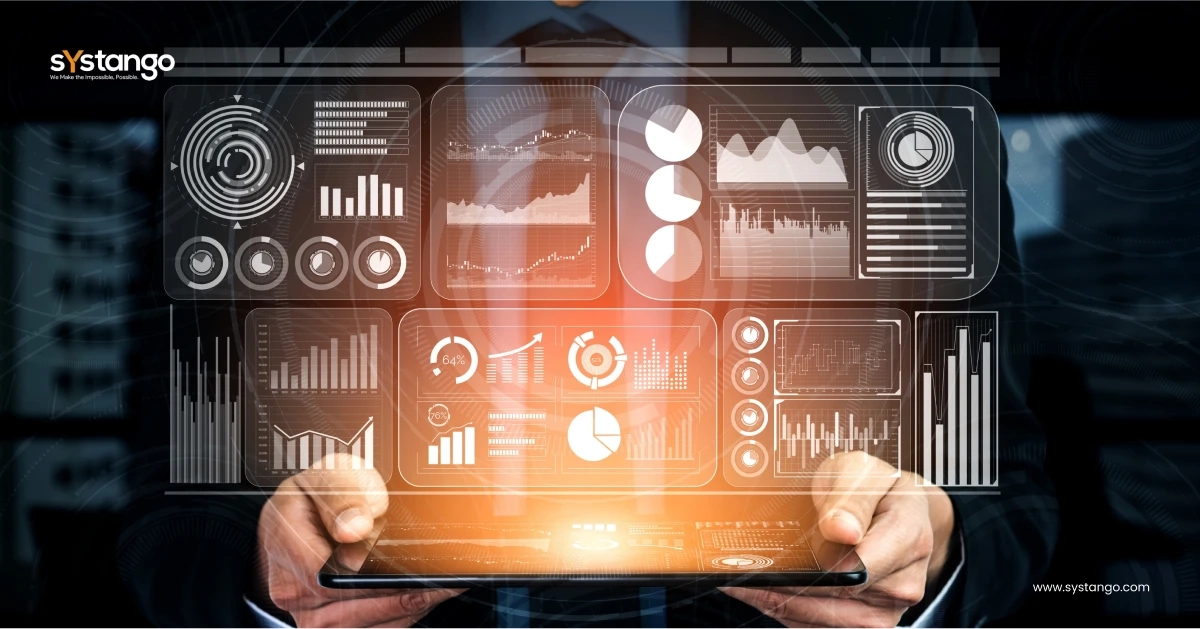
Operational efficiency has become a cornerstone of success. Companies are increasingly leveraging technology not only to streamline their processes but also to gain a competitive edge. Among the various technological advancements, Data Intelligence Platforms (DIPs) stand out as essential tools that enable organizations to optimize their operations through informed decision-making and enhanced data utilization.
Understanding Data Intelligence Platforms
At its core, a Data Intelligence Platform—such as Actian data solutions—is a sophisticated system that aggregates, analyzes, and visualizes data from various sources within an organization. This platform allows businesses to harness data more effectively, transforming raw information into actionable insights. By integrating disparate data streams, organizations can achieve a unified view of their operations, customer behavior, and market trends. This comprehensive understanding is vital for making strategic decisions that drive efficiency and growth.
Driving Informed Decision-Making
One of the most significant advantages of employing a Data Intelligence Platform is the ability it provides for informed decision-making. In traditional business models, decisions were often based on instinct or outdated information. However, in today’s fast-paced environment, businesses cannot afford to rely on guesswork. With access to real-time data analysis, organizations can make informed decisions that align with current market dynamics.
By utilizing predictive analytics, companies can anticipate market changes and consumer needs. For instance, a retail company can analyze purchasing patterns to forecast demand for specific products, allowing for better inventory management. This proactive approach minimizes waste and maximizes resource allocation, ultimately enhancing operational efficiency.
Enhancing Collaboration Across Departments
Operational efficiency is not solely about streamlining processes but also about fostering collaboration among different departments. A Data Intelligence Platform facilitates this by providing a centralized repository of information that all teams can access. When employees from various departments work off the same data, it reduces silos and encourages a culture of collaboration.
For example, the marketing department can share insights about customer preferences with the sales team, allowing them to tailor their pitch effectively. Similarly, the finance department can provide budgetary insights to help operational teams make cost-effective decisions. This interconnectedness ensures that all departments are aligned towards common goals, enhancing overall efficiency.
Automating Routine Tasks
Automation is a critical component of maximizing operational efficiency, and Data Intelligence Platforms play a pivotal role in this area. By automating routine data processing tasks, organizations can free up valuable human resources to focus on more strategic initiatives. For instance, automated reporting allows managers to receive real-time insights without spending hours compiling data manually.
Moreover, automation reduces the risk of human error, ensuring that decisions are based on accurate and reliable data. This accuracy is crucial in areas such as financial forecasting, where even minor discrepancies can lead to significant consequences. By leveraging automation through a Data Intelligence Platform, organizations can enhance their operational efficiency while minimizing risks.
Streamlining Customer Interactions
In today’s customer-centric marketplace, operational efficiency also extends to customer interactions. A Data Intelligence Platform enables businesses to analyze customer data and preferences, allowing for personalized communication and service delivery. By understanding customer behavior, companies can create tailored experiences that enhance satisfaction and loyalty.
For example, an e-commerce platform can use data analytics to recommend products based on previous purchases, creating a personalized shopping experience. Additionally, customer support teams can access historical data to resolve issues more efficiently, leading to faster response times. This streamlined approach not only improves customer satisfaction but also optimizes the use of resources, contributing to overall operational efficiency.
Facilitating Compliance and Risk Management
Regulatory compliance and risk management are crucial aspects of modern business operations. Data Intelligence Platforms can help organizations manage these areas more effectively by providing insights into compliance-related issues and potential risks. By continuously monitoring data and processes, businesses can identify anomalies that may indicate non-compliance or operational risks.
For instance, financial institutions can use data analytics to monitor transactions in real time, detecting fraudulent activities promptly. By addressing these issues proactively, organizations can mitigate risks and avoid costly penalties. This level of vigilance not only enhances operational efficiency but also protects the organization’s reputation and bottom line.
Investing in Future Growth
In a world where change is the only constant, investing in a Data Intelligence Platform is not just about improving current operations; it’s about positioning the organization for future growth. As the volume of data continues to increase, businesses that harness this information effectively will be better equipped to adapt to changing market conditions and consumer demands.
Moreover, organizations that prioritize data intelligence are more likely to innovate and discover new revenue opportunities. By analyzing market trends and customer feedback, businesses can identify gaps in the market and develop new products or services that meet those needs. This forward-thinking approach ensures that companies remain competitive and efficient in an ever-changing landscape.
Maximize Operational Efficiency
Maximizing operational efficiency in modern enterprises requires a strategic approach to data utilization. Data Intelligence Platforms play a crucial role in this process, enabling organizations to make informed decisions, enhance collaboration, automate processes, streamline customer interactions, and manage compliance and risks effectively. By investing in these platforms, businesses can not only improve their current operations but also position themselves for sustained growth in the future. As the market continues to evolve, those who embrace data intelligence will undoubtedly lead the way in operational excellence.
