

Why Does My Power Keep Going Out? Repeated power outages are almost always caused by one of two things: a problem inside your home (an overloaded circuit, a worn breaker, or faulty wiring) or a problem outside it (utility grid issues, storms, or equipment failures on your street).
The pattern of the outage — one room vs. the whole house, and whether your neighbors are affected too — tells you which one it is.
Key Takeaways
- Whole house + neighbors affected → it’s almost always the utility company’s grid, not your wiring.
- Whole house, neighbors fine → check your main breaker, meter, and service panel first.
- One room or one circuit → look at that circuit’s breaker, outlets, and connected appliances.
- Burning smell, buzzing, or a breaker that trips instantly on reset → stop troubleshooting and call an electrician immediately; these are fire-risk signs.
Why Does My Power Keep Going Out? Is It Your House or the Power Grid? Diagnose It in 60 Seconds
Before touching anything, figure out how widespread the outage is. This single check points you toward the right fix.
| What you observe | Likely source | What to do next |
|---|---|---|
| Only one room or outlet loses power | A single circuit or outlet fault | Check that circuit’s breaker and unplug devices on it |
| Whole house loses power, neighbors still have lights on | Your main breaker, meter, or service panel | Check the main breaker before calling the utility |
| Whole house and neighboring houses lose power | Utility grid outage | Report it to your utility company; no home fix needed |
| Power flickers when a large appliance turns on | Voltage sag from that appliance’s startup draw | Usually normal; call an electrician if it’s severe |
| Power goes out during a storm or high wind | Downed or damaged power lines | Wait for utility restoration; stay away from any downed lines |
1. A Tripped or Overloaded Circuit Breaker
The single most common reason the power keeps going out in one part of a house is a breaker tripping. Breakers are safety devices — they cut power on purpose when a circuit draws more current than it’s rated for, which prevents overheating and fire.
This typically happens when several high-draw appliances (space heaters, hair dryers, microwaves, window AC units) share one circuit and run at the same time. The fix is often as simple as spreading those devices across different circuits or dedicated outlets.
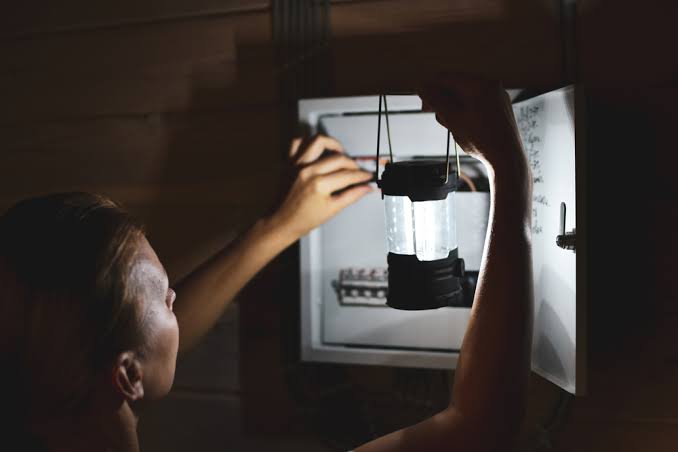
How to check: Open your electrical panel and look for a breaker switch sitting in the middle position rather than fully “on.” Reset it once by flipping it fully off, then back on.
2. A Worn-Out or Failing Circuit Breaker
Breakers don’t last forever. Most are built to last around 30–40 years, but some start misbehaving well before that — tripping under a normal load, refusing to reset, or feeling loose in the panel. If a breaker trips repeatedly even after you’ve unplugged everything on that circuit, the breaker itself may be the problem, not what’s plugged into it.
Warning sign: If resetting the breaker causes it to trip again immediately, don’t keep flipping it. That pattern usually means a short circuit or ground fault, and it calls for a licensed electrician, not another reset.
3. Old, Damaged, or Loose Wiring
Aging insulation, loose connections at outlets or switches, and wiring that was never rated for today’s appliance load can all cause intermittent power loss. This is especially common in homes built before the 1990s or in rooms that have had DIY electrical work done.
Loose wiring is dangerous because it can arc — creating heat and sparks inside a wall without any visible warning until a fire starts. If your home is older and outages are frequent, a wiring inspection is worth prioritizing even if nothing looks obviously wrong.
4. Rodent or Pest Damage to Wiring
Mice, squirrels, and rats chew through wire insulation, and it happens more often than most homeowners expect — especially in attics, crawl spaces, and around exterior wall penetrations. Chewed wiring can cause short circuits that trip breakers unpredictably, with no obvious pattern tied to appliance use.
Signs to look for: droppings near the panel or in the attic, gnaw marks on visible wiring, or a rodent problem elsewhere in the house. This kind of damage should be assessed by an electrician, since exposed chewed wiring is a fire hazard.
5. An Overloaded Electrical Panel
If your entire home routinely loses power — not just one circuit — and your panel is original to an older home, it may simply not have enough capacity for today’s electrical demand (central AC, EVs, home offices, multiple large appliances). A panel upgrade, done by a licensed electrician, resolves this by giving your home more usable amperage and modern breaker protection.
6. A Faulty Electrical Meter or Meter Base
Sometimes the problem sits right where the utility’s line meets your home: the meter or its base. Corrosion, loose connections, or a failing meter can cause partial or full power loss that looks like a utility problem but is actually on your side of the connection. This is a job for either your utility company or a licensed electrician, depending on which side of the meter the fault is on.
7. Weather and Storm Damage
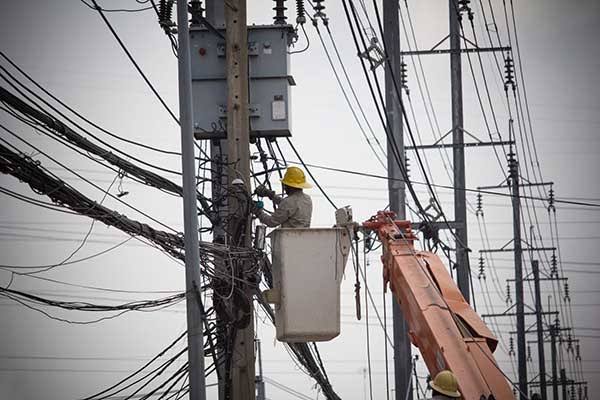
High winds, ice, lightning, and heavy snow are leading causes of outages nationwide, mostly because they bring down tree limbs onto power lines or damage utility poles and transformers. If your outage started during or right after severe weather and your neighbors lost power too, this is almost certainly the cause — and it requires utility repair, not a home fix.
8. Utility Grid Issues: Equipment Failure and Transformer Problems
Transformers, substations, and transmission lines fail sometimes, just like any equipment. When a fault occurs, protective relays on the grid automatically isolate that section of the line to prevent a larger, more dangerous failure — which is why outages sometimes affect a specific street or neighborhood rather than an entire city. If this is happening, report it to your utility; there’s no wiring fix on your end.
9. Scheduled or Planned Utility Maintenance
Utilities occasionally cut power intentionally to safely perform upgrades, tree trimming near lines, or equipment replacement. These outages are usually announced in advance through the utility’s website, app, or local alerts, so check for a maintenance notice before assuming something is broken.
10. Rolling Blackouts and Grid Demand Issues
During extreme heat or cold snaps, electricity demand can outpace what the grid can safely supply — think every air conditioner or heater running at once. To prevent a total grid collapse, utilities may implement rolling blackouts (also called load shedding), rotating short, controlled outages across neighborhoods. These are a last resort, not a malfunction, and they typically ease once demand drops or supply is restored.
11. Underground Line Damage or Construction Nearby
Digging, construction, or utility work near your property can nick or sever underground power lines, causing outages that seem to come out of nowhere. If construction has recently happened near your home or street, mention it when you report the outage — it helps the utility locate the fault faster.
12. A Damaged or Overloaded Neighborhood Transformer
The transformer serving your immediate area can overheat or fail under sustained heavy load, particularly during heat waves when every home’s AC is running. This usually affects a handful of houses on the same line rather than an entire town, which is a useful clue when you’re deciding whether to call an electrician or the utility.
Comparison: Circuit Breaker Problem vs. Utility Grid Problem
| Signal | Circuit Breaker / Home Wiring | Utility Grid |
|---|---|---|
| Affects neighbors too | No | Yes |
| Tied to a specific appliance turning on | Often | No |
| Breaker panel shows a tripped switch | Yes | No |
| Happens during a storm | Sometimes (surge) | Very likely |
| Fix | DIY reset or electrician | Report to utility, wait for restoration |
| Urgency if it recurs | High — possible fire risk | Low — usually resolves on its own |
Step-by-Step: What to Do When the Power Goes Out Again
- Check the scope. Look outside — do neighbors have power? Check your utility’s outage map or call their outage line.
- Check your main breaker and panel. Look for any switch sitting in the middle position.
- Reset once. Flip the tripped breaker fully off, then fully on. If it holds, note what was running when it tripped.
- Unplug high-draw devices on that circuit before resetting again if it trips a second time.
- Stop resetting if it trips immediately again. This is a short-circuit or ground-fault pattern — call an electrician.
- Check for smells or sounds. Any burning odor, buzzing, or scorch marks means stop immediately and call a licensed electrician.
- If it’s whole-house and neighbors are affected, report it to your utility company instead of troubleshooting your panel.
When to Call a Licensed Electrician Immediately
Stop DIY troubleshooting and call a professional right away if you notice any of these:
- A burning, fishy, or plastic smell near outlets, switches, or the panel
- A breaker that trips again the instant you reset it, even with nothing plugged in
- Scorch marks, melted plastic, or discoloration around the breaker or outlets
- Buzzing, crackling, or sizzling sounds from outlets or the panel
- Warm or hot outlet covers or switch plates
- Lights flickering across the entire house rather than one fixture
These are recognized fire-risk warning signs, not routine electrical noise — treat them as an emergency, not a maintenance item.
How to Prevent Recurring Power Outages

- Spread high-draw appliances (space heaters, hair dryers, microwaves) across different circuits instead of one outlet strip.
- Schedule a professional electrical inspection every few years, especially in homes over 25 years old.
- Upgrade an aging panel if you’ve added central AC, an EV charger, or other major loads since it was installed.
- Seal entry points that let rodents into attics and walls near wiring.
- Install surge protection at the panel level to reduce damage from voltage spikes during storms.
- Sign up for utility outage alerts so you instantly know whether an outage is on their end.
Frequently Asked Questions (FAQs)
Why does my power keep going off and coming back on?
This “blinking” pattern usually means a circuit breaker is tripping under load and then being reset — either by you, an AFCI/GFCI protection feature, or an unstable connection somewhere in that circuit.
Is it normal for lights to flicker when an appliance turns on?
A brief, mild flicker when a large appliance like an AC or refrigerator starts up is normal — it’s a short voltage dip from the sudden power draw. Severe or constant flickering is not normal and should be checked.
Why does only one room lose power, not the whole house?
That points to a single circuit issue: a tripped breaker, a loose connection, or a fault in an outlet or fixture on that specific circuit, rather than a whole-home or utility problem.
Why does the power go out for a second and then come right back on?
Momentary outages like this are often caused by the utility grid’s protective equipment reacting to a brief fault (like a tree branch grazing a line) and automatically restoring service within seconds.
How do I know if the outage is my problem or the utility’s?
Check whether your neighbors also lost power. If they did, it’s the grid. If only your home is affected, start with your main breaker and panel.
Can old wiring cause the power to keep going out?
Yes. Aging insulation, loose connections, and wiring not rated for modern loads are common causes of intermittent outages, especially in homes built before the 1990s.
Can rodents really cause power outages?
Yes. Mice and squirrels chewing through wire insulation is a well-documented cause of short circuits and unexplained breaker trips, particularly in attics and crawl spaces.
Should I keep resetting a breaker that keeps tripping?
Reset it once. If it trips again immediately, stop — that’s a sign of a short circuit or ground fault that needs a licensed electrician, not repeated resets.
What’s the difference between a blackout and a brownout?
A blackout is a complete loss of power. A brownout is a deliberate or unintentional reduction in voltage — lights dim and stay on, but at reduced power — often used by utilities to avoid a full blackout during high demand.
What are rolling blackouts and why do they happen?
Rolling blackouts are short, controlled, rotating outages utilities use as a last resort when electricity demand (often during extreme heat or cold) outpaces supply, to prevent a larger grid-wide failure.
Why does my power go out every time it storms?
High winds, lightning, and falling branches are leading causes of outages because they damage power lines, poles, and transformers directly.
Can construction near my house cause power outages?
Yes. Digging or construction work can accidentally damage underground power lines, causing sudden, unexplained outages in the area.
Why does my power go out only during extreme heat or cold?
This usually points to grid demand exceeding supply (rolling blackouts) or a local transformer being overloaded by everyone’s AC or heating running at once.
How long do rolling blackouts usually last?
They’re typically brief — often 40 minutes to a few hours per rotation — though severe weather events can extend them significantly.
Is a burning smell from my outlet an emergency?
Yes. Turn off power to that circuit at the breaker if it’s safe to do so, don’t touch the outlet, and call an electrician immediately — this is a fire-risk warning sign.
Why does my breaker trip when nothing seems to be plugged in?
This usually indicates a ground fault (often from moisture) or a short from damaged wiring inside the wall, not an overload — it needs a licensed electrician with a circuit tester to diagnose.
Do I need a panel upgrade if my power keeps going out?
Possibly, if your panel is original to an older home and can’t handle your current electrical demand. An electrician can test your panel’s capacity and recommend whether an upgrade is needed.
Can a bad electrical meter cause power outages?
Yes. A corroded or failing meter or meter base can cause partial or full power loss that looks like a utility issue but is actually at the connection point to your home.
How do I report a power outage to my utility company?
Most utilities offer an outage map, a dedicated outage phone line, and text/app alerts — check your utility’s website for the fastest reporting option in your area.
Should I unplug electronics during frequent outages?
Yes, especially sensitive electronics. Repeated outages and the power surges that can accompany restoration are a common cause of damaged devices; a surge protector reduces this risk.
Why does my power flicker but never fully go out?
This pattern often points to a loose connection somewhere in the circuit — at the panel, an outlet, or a fixture — rather than an overload, and is worth having checked before it worsens.
Conclusion
Recurring power outages are your electrical system’s way of flagging a real problem — the trick is figuring out whether that problem lives inside your walls or out on the utility’s grid.
Use the scope of the outage as your first clue, do the safe checks above, and don’t hesitate to call a licensed electrician the moment you see burning smells, instant re-trips, or scorch marks. Most causes are fixable; the goal is catching them before they become dangerous.
