

Why did my Rolex stop working is a question that usually starts with a moment of panic, followed by relief once the actual cause turns out to be simple.
In the vast majority of cases, a stopped Rolex just needs a manual wind, since these are mechanical watches that run on stored energy rather than a battery.
Why Did My Rolex Stop Working? How a Rolex Actually Keeps Running
The Perpetual Automatic Movement
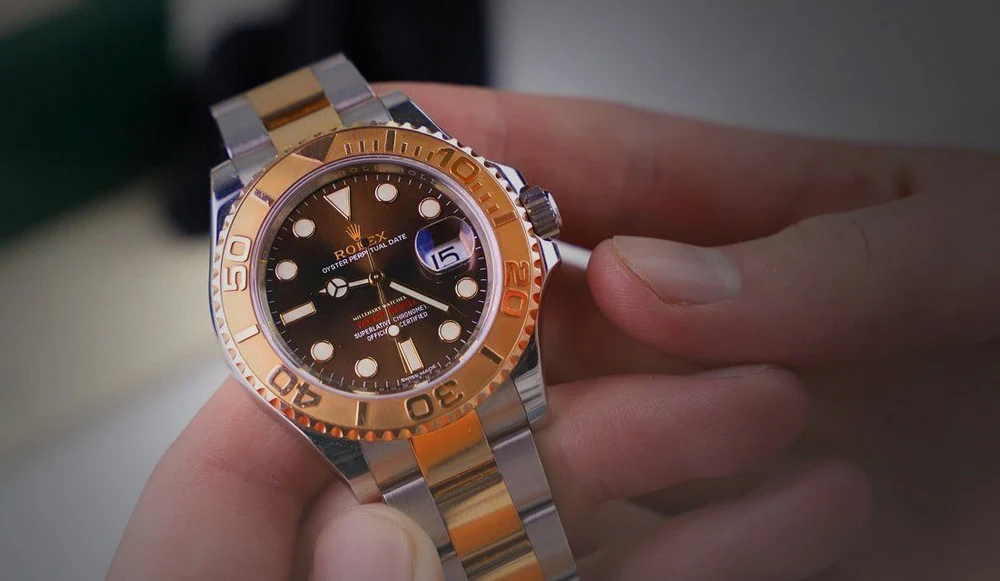
Most modern Rolex watches use a self-winding movement Rolex calls the Perpetual, powered by a weighted rotor that spins with the natural motion of your wrist. As you move throughout the day, that rotor winds a coiled mainspring, storing mechanical energy the same way a wound-up toy stores energy in its spring.
This stored energy is called the power reserve, and it is what keeps the watch ticking even when it is sitting still, such as overnight on a nightstand.
Why Power Reserve Runs Out
Most modern Rolex models hold a power reserve of roughly 48 to 72 hours, depending on the specific caliber inside. If a watch sits unworn for longer than that window, the mainspring fully unwinds and the watch simply stops.
This is by far the single most common reason a Rolex appears to stop working, and it is not a sign of any real problem with the watch itself.
Why This Confuses New Owners
People switching from battery-powered quartz watches often assume any stopped watch means something is broken, since quartz watches rarely stop unless the battery is dead. A mechanical Rolex behaves completely differently, since it has no battery at all and depends entirely on motion or manual winding to keep running.
Understanding this distinction upfront prevents unnecessary trips to a watchmaker for what is often a completely normal, expected behavior of a mechanical timepiece.
The Most Common Reason: Depleted Power Reserve
How to Confirm This Is the Cause
If the watch has not been worn in two or three days, a depleted power reserve is almost always the explanation. The second hand will simply be motionless, with no ticking or sweeping motion at all.
There is no damage indicator or warning light on a mechanical Rolex, so a fully stopped hand with no other symptoms is the clearest sign that the watch has just run out of stored energy.
How to Fix It
Manually winding the crown restores the power reserve and gets the watch running again within minutes. Unscrew the crown from the case, pull it out to the winding position, and turn it clockwise between 30 and 40 full rotations.
After winding, set the correct time and date, then wear the watch throughout the day so the automatic rotor can take over and keep it charged going forward.
Winding Frequency for Rarely Worn Watches
If a Rolex is not part of your daily rotation, giving it a full manual wind roughly once a month keeps the internal gears lubricated and prevents the mainspring from sitting fully unwound for extended stretches. This small habit meaningfully extends the time between full services on watches that spend most of their time stored away.
Setting a recurring reminder is a simple way to stay consistent, especially for people who own several watches and rotate between them.
Insufficient Wrist Motion
Why Wearing Time Alone Is Not Always Enough
An automatic movement depends on consistent wrist motion to stay charged, so wearing a Rolex only briefly each day, or wearing it very loosely, may not generate enough winding action. Sedentary days with minimal arm movement can have the same effect, even while the watch is on your wrist.
This is a common surprise for people who assume that simply wearing the watch guarantees it stays wound, when in practice the level of activity matters just as much as the hours worn.
Using a Watch Winder
A watch winder is a small motorized device that gently rotates an unworn automatic watch to simulate wrist motion and keep it fully charged. This is especially useful for people who rotate between multiple watches and do not wear the same one every day.
Choosing a winder with adjustable rotation settings, rather than a fixed generic cycle, helps match the winding pattern to your specific Rolex caliber.
Crown Position and Winding Habits
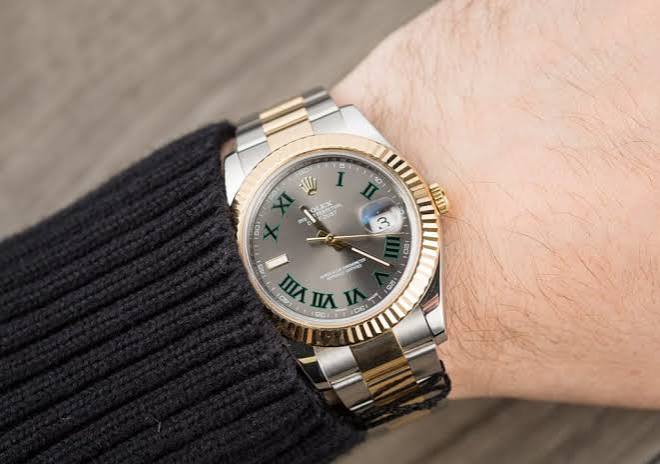
Leaving the crown slightly unscrewed or in the wrong position can interfere with both manual and automatic winding, even if the movement itself is functioning normally. Always confirm the crown is pushed in and fully screwed down after setting the time, since a loose crown also compromises water resistance.
Developing a quick habit of checking crown position each time you take the watch off helps prevent this simple but easily overlooked issue.
Physical Shock or Impact
A hard knock, drop, or impact can damage the delicate balance staff or other internal components that regulate timekeeping. Unlike a depleted power reserve, shock damage often causes the watch to run erratically rather than stop completely, though a severe impact can stop it outright.
If the watch was dropped or struck against a hard surface shortly before it stopped, this is worth mentioning specifically to a watchmaker, since it changes the diagnostic approach.
Common Situations That Cause Impact Damage
Everyday moments like bumping a wrist against a doorframe, setting the watch down too firmly, or an accidental drop while removing it are the most frequent sources of shock damage. Sports and physical labor without a protective strap or case also raise the risk considerably.
Being mindful during activities with a higher chance of impact, or removing the watch beforehand, is a simple way to reduce this risk over the years. A watchmaker examining a suspected impact will typically check the balance staff and pivots first, since these delicate components are the most likely to bend or fracture under sudden force.
Magnetic Interference
How Magnets Affect a Mechanical Movement
Modern life is full of magnets, from smartphone cases and speakers to laptop covers and handbag clasps, and prolonged exposure can magnetize the hairspring inside the watch. A magnetized hairspring can cause coils to stick together, making the watch run fast, run erratically, or stop entirely.
Newer Rolex movements use a Parachrom hairspring designed to resist magnetic interference far better than older calibers, though no mechanical watch is completely immune.
Signs of Magnetization
A Rolex that suddenly starts gaining several minutes a day, rather than the expected accuracy of about plus or minus two seconds per day, is a strong indicator of magnetization. This is different from a full stop and usually shows up as erratic timekeeping before the watch stops altogether.
Demagnetizing a movement is a quick, inexpensive procedure for most watchmakers and often resolves the issue without any parts replacement.
Everyday Sources of Magnetic Exposure
Common household and workplace items carry stronger magnets than most people realize, including tablet covers, laptop speakers, refrigerator door seals, and certain handbag clasps. Even brief, repeated contact over time can be enough to magnetize a hairspring.
Keeping the watch a reasonable distance from these items, and being especially cautious around industrial or medical equipment with strong magnetic fields, reduces this risk substantially.
Water or Moisture Damage
How Water Gets Inside
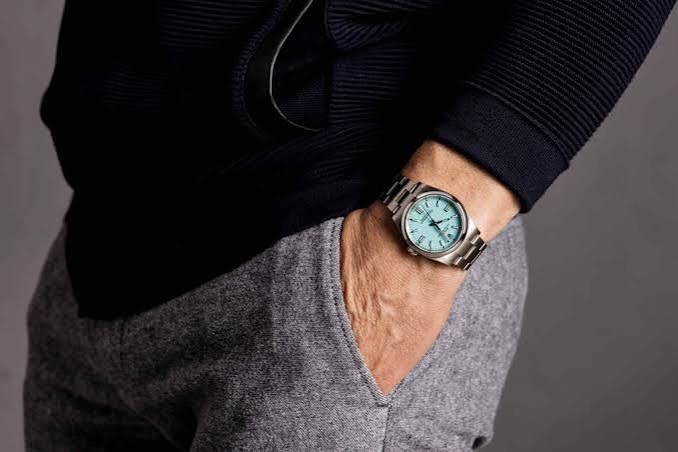
Rolex Oyster cases are designed to be water resistant, but gaskets and seals lose elasticity over time and can allow moisture to enter, especially if the crown was not fully screwed down before water exposure. Operating the crown or a chronograph pusher while the watch is wet or submerged can also compromise the seals.
Once moisture reaches the movement, it can cause rust, corrosion, or a stopped watch, and the damage tends to worsen the longer the water sits inside the case.
Warning Signs of Water Ingress
Condensation or fogging visible under the crystal is one of the clearest signs that moisture has entered the case and needs immediate professional attention. Waiting even a few days can allow rust to spread across delicate movement components.
If you notice fogging, stop wearing the watch and get it to a watchmaker as soon as possible rather than trying to dry it out at home.
Protecting Water Resistance Over Time
Water resistance is not a permanent, one-time feature, since gaskets naturally lose elasticity with age and exposure to temperature changes. Rolex recommends pressure testing water resistance every one to two years, particularly for dive watches like the Submariner or Sea-Dweller that see regular water exposure.
Rinsing the watch with fresh water after swimming in the ocean or a chlorinated pool helps remove salt, sand, and chemical residue that can accelerate gasket wear over time.
Worn or Aging Movement Components
Over years of use, the tiny amounts of lubricating oil inside a mechanical movement gradually break down, and internal components experience natural wear from friction. Even a watch that is never dropped or magnetized will eventually need this wear addressed through routine servicing.
Rolex generally recommends a full service approximately every 10 years for newer models, though older or heavily used watches may need attention closer to every 5 to 7 years.
Signs Your Movement Needs Servicing
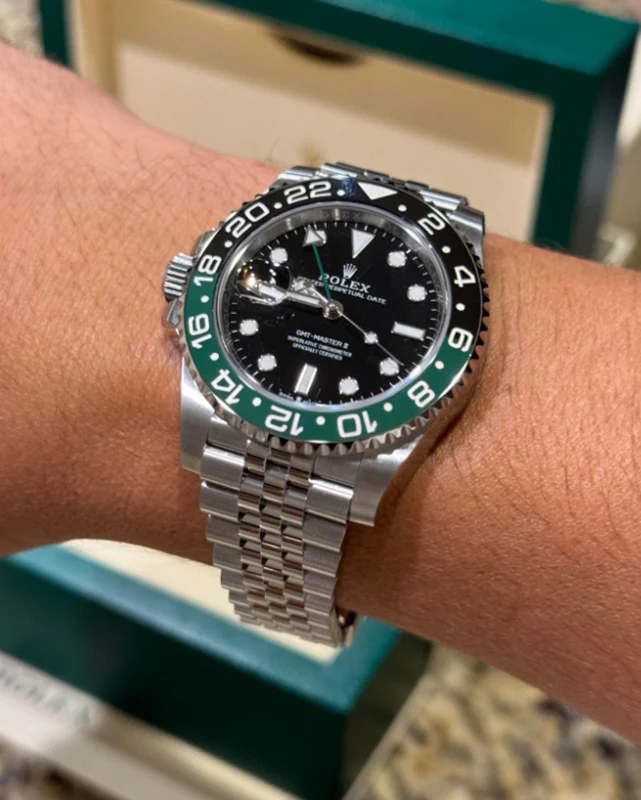
Gradual accuracy drift, beyond the expected plus or minus two seconds per day, is usually the first sign that internal wear has progressed enough to need attention. A watch that stops more frequently than it used to, even after a full manual wind, is another common indicator.
Catching these signs early through routine servicing tends to be far less costly than waiting until a component fails completely and needs full replacement.
Real-World Example
Consider an owner who wears their Rolex daily for a year without issue, then stores it in a drawer during a long vacation. Upon returning, the watch has stopped completely, and a quick manual wind combined with a day of wear resolves the issue immediately, confirming a simple depleted power reserve.
In a different scenario, a watch that continues gaining several minutes a day after winding, despite being worn consistently, points toward magnetization rather than a power issue, and a quick demagnetization visit resolves it without any deeper repair needed. Both owners avoided unnecessary anxiety, and unnecessary expense, simply by working through the likely causes methodically before assuming the worst.
Comparing the Common Causes
| Cause | Typical Symptom | Fix |
|---|---|---|
| Depleted power reserve | Watch fully stopped after 2 to 3 days unworn | Manual wind, 30 to 40 crown turns |
| Insufficient wrist motion | Stops despite being worn, especially if worn loosely | Wear more actively or use a watch winder |
| Physical shock or impact | Erratic timekeeping or sudden stop after a drop | Watchmaker inspection of balance staff |
| Magnetic interference | Watch runs unusually fast, then stops | Demagnetization by a watchmaker |
| Water or moisture damage | Fogging under the crystal, sudden stop | Immediate professional service, do not wear |
| Worn movement components | Gradual accuracy drift over months or years | Routine full service |
Best Practices vs Mistakes to Avoid
| Best Practice | Common Mistake |
|---|---|
| Manually winding a fully stopped watch before assuming it is broken | Assuming the watch needs repair without trying a manual wind first |
| Keeping the watch away from speakers, phone cases, and magnetic clasps | Storing the watch near magnetic phone accessories |
| Getting water resistance pressure-tested every 1 to 2 years for dive models | Swimming or showering with an unchecked, aging gasket |
| Screwing the crown down fully before any water exposure | Leaving the crown loose or unscrewed near water |
| Scheduling routine servicing on Rolex’s recommended interval | Ignoring gradual accuracy drift for years |
What to Do If Your Rolex Won’t Start
Step-by-Step Troubleshooting
Work through these steps in order, since they move from the simplest and most common cause to the ones that require professional help.
- Manually wind the crown 30 to 40 full turns and observe whether the second hand starts moving.
- Wear the watch actively for 24 to 48 hours to see whether it continues running or stops again.
- Check for any recent drops, knocks, or impacts that might explain erratic behavior.
- Consider recent exposure to magnets, such as phone cases, speakers, or bag clasps.
- Inspect the crystal closely for any fogging or condensation, which signals water ingress.
- If none of these explain the issue, or if you see fogging, contact a certified watchmaker.
When to See a Professional Watchmaker
Persistent stopping after a full wind and a day of active wear, visible fogging under the crystal, or a recent hard impact are all clear signs that home troubleshooting has reached its limit. Attempting to open the case or adjust internal components yourself risks further damage and can void any existing warranty.
An authorized Rolex service center or a certified independent watchmaker has the tools to diagnose issues like magnetization, worn gaskets, or mainspring damage accurately.
Choosing Between Authorized and Independent Service
An authorized Rolex service center uses genuine factory parts and maintains the watch’s full service history, which can matter for warranty coverage and future resale value. Certified independent watchmakers can often perform comparable work, sometimes at a lower cost, though it is worth confirming their experience specifically with Rolex movements.
Asking for documentation of the service performed, including any parts replaced and water resistance testing results, protects you regardless of which route you choose.
Preventing Future Stoppages
A few consistent habits go a long way toward avoiding repeat stoppages: wear the watch regularly or use a quality winder, keep it away from magnetic sources, avoid unnecessary impacts, and stay current on pressure testing and servicing. None of these habits require special expertise, just a bit of routine attention.
Treating a Rolex the way any precision mechanical instrument deserves, with regular use and periodic professional care, is the most reliable way to avoid unexpected stoppages altogether.
Key Takeaways
- A depleted power reserve, fixed with a simple manual wind, is the cause of the vast majority of stopped Rolex watches.
- Automatic movements need consistent wrist motion to stay wound, and a watch winder helps for watches worn only occasionally.
- Magnetic interference and physical shock both tend to cause erratic timekeeping before a full stop, unlike power depletion alone.
- Fogging or condensation under the crystal signals water damage and needs immediate professional attention.
- Routine servicing every 5 to 10 years addresses natural wear that no amount of home troubleshooting can fix.
- If a full manual wind and a day of active wear do not resolve the issue, it is time to see a certified watchmaker.
Frequently Asked Questions (FAQs)
Why did my Rolex suddenly stop ticking?
The most common reason is a depleted power reserve, which happens after the watch sits unworn for roughly 48 to 72 hours.
How do I restart a stopped Rolex?
Unscrew the crown, pull it to the winding position, and turn it clockwise 30 to 40 times, then set the time and wear the watch.
Can shaking a Rolex make it start running?
No, shaking does not reliably wind an automatic movement, and a proper manual wind through the crown is the correct method.
Does a Rolex need to be worn every day to keep running?
Not necessarily, but consistent wrist motion or a watch winder is needed to keep the power reserve from depleting.
Can magnets really stop a Rolex from working?
Yes, magnetic interference can cause the hairspring to stick together, leading to erratic timekeeping or a full stop.
What does it mean if my Rolex is fogging under the crystal?
Fogging indicates water has entered the case, and the watch needs immediate professional attention to prevent corrosion.
How often should a Rolex be serviced?
Rolex generally recommends servicing every 5 to 10 years, depending on the model, age, and how frequently the watch is worn.
Is it normal for a Rolex to gain or lose a few seconds a day?
Yes, accuracy within about plus or minus two seconds per day is considered normal for a well-maintained mechanical movement.
Can I fix a stopped Rolex myself?
Simple issues like a depleted power reserve can be fixed at home with a manual wind, but internal repairs should go to a certified watchmaker.
Will a watch winder damage my Rolex?
No, a quality watch winder with appropriate settings is safe and can help keep an automatic Rolex fully wound when not worn.
Conclusion
So, why did my Rolex stop working? A Rolex that stops working is usually not a sign of a serious problem, since the most common cause is simply a depleted power reserve that a manual wind fixes in minutes.
Other explanations, including insufficient wrist motion, magnetic interference, physical shock, water damage, and natural wear from aging components, each leave slightly different clues that help narrow down the cause.
Working through a full manual wind, a day of active wear, and a check for magnets, impacts, or fogging under the crystal covers most situations without needing a watchmaker.
When those steps do not resolve the issue, or when water damage is suspected, a certified professional is the safest next step to protect the watch’s long-term accuracy and value. Staying on top of routine servicing and basic care habits goes a long way toward keeping a Rolex reliable for decades.
