

You’re mid-cuddle, hand on your dog’s head, and out comes a big, dramatic yawn. It’s tempting to laugh it off as tiredness — but a yawn during petting is rarely about sleep at all. It’s your dog talking to you.
Why Does My Dog Yawn When I Pet Him? In most cases, a dog yawns while being petted because they’re either deeply relaxed and content, mildly overstimulated, or gently telling you the contact is a bit too much right now.
The real answer depends on the context: your dog’s body language, where you’re touching them, and what’s happening around you at that moment.
Why Does My Dog Yawn When I Pet Him?
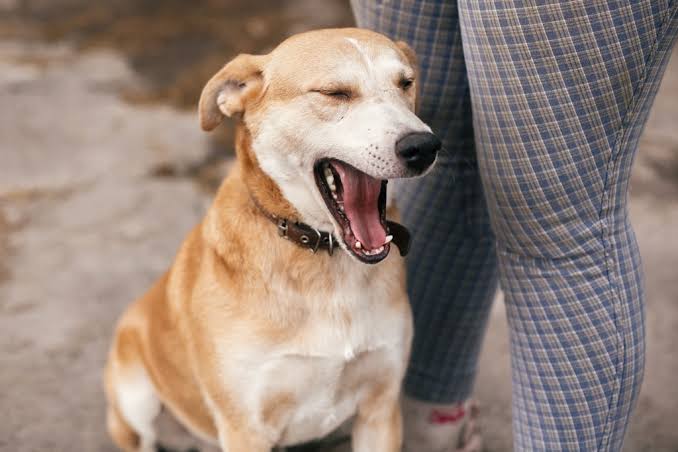
A dog yawning while being petted is almost always a form of canine calming signal — a piece of body language dogs use to regulate their own emotions or to communicate with you. It can mean contentment, excitement, mild anxiety, or a request for a little more space, depending on the rest of the dog’s posture.
Key Takeaways
- Dogs yawn for reasons far beyond tiredness — arousal, stress relief, and communication all play a role.
- A relaxed yawn is slow, paired with soft eyes, a loose body, and often a stretch.
- A stress yawn is tenser, repeated, and shows up alongside lip-licking, ears back, or turning away.
- Where you pet your dog matters — many dogs find head and face petting more overwhelming than chest or shoulder scratches.
- Frequent yawning in new or busy situations is one of the earliest, subtlest signs of canine stress.
- Occasional yawning is completely normal; only excessive or context-inappropriate yawning needs closer attention.
Why Dogs Yawn When You Pet Them: The Main Reasons
1. They’re Relaxed and Enjoying It
For many dogs, a yawn during petting is simply a release of tension — the canine equivalent of a contented sigh. When a dog trusts you and feels safe, their nervous system shifts out of alert mode, and yawning is one physical way that shift shows up. If your dog’s body is loose, their tail is relaxed, and they lean into your hand, the yawn is very likely a sign of comfort rather than concern.
2. It’s a Calming Signal
Norwegian dog trainer Turid Rugaas popularized the concept of “calming signals” — a set of more than 30 behaviors dogs use to soothe themselves or de-escalate a situation. Yawning is one of the most common signals on that list. Veterinary behavior researchers have since built on her original observations, and organizations like the American Veterinary Society of Animal Behavior now include calming signals in standard training for vets and trainers.
In this context, a yawn isn’t necessarily bad news. It’s your dog’s built-in way of managing arousal, whether that arousal comes from excitement, uncertainty, or affection. Dogs also yawn at each other, and sometimes at their owners, as a way of saying “let’s keep this calm.”
3. Mild Overstimulation or Discomfort
Some dogs simply don’t love certain types of touch, especially prolonged petting on the head, muzzle, or top of the skull, or being hugged and held closely. If the yawn shows up specifically when you touch a certain spot, it may be a polite request to ease off rather than a sign of distress. Many dogs are more comfortable being petted on the chest, shoulders, or side of the neck than on the head or face.
4. Excitement or Anticipation
Yawning isn’t only linked to calm — it also appears during moments of rising excitement, like right before a walk, a car ride, or a game of fetch. If your dog yawns while you’re getting their leash or right as playtime attention ramps up, it may reflect a spike in arousal rather than stress or sleepiness.
5. Contagious Yawning
Yawning is contagious among humans, and research suggests dogs can “catch” yawns too — especially from their own owners rather than strangers. If you happen to yawn while petting your dog, their yawn back may simply be a social echo of yours, another sign of the bond between you.
6. Genuine Tiredness
Sometimes a yawn really is just a yawn. If your dog yawns while settling in for a nap, right after waking up, or during a slow, sleepy cuddle session on the couch, it’s most likely ordinary drowsiness — the same reason people yawn.
7. An Underlying Medical Issue
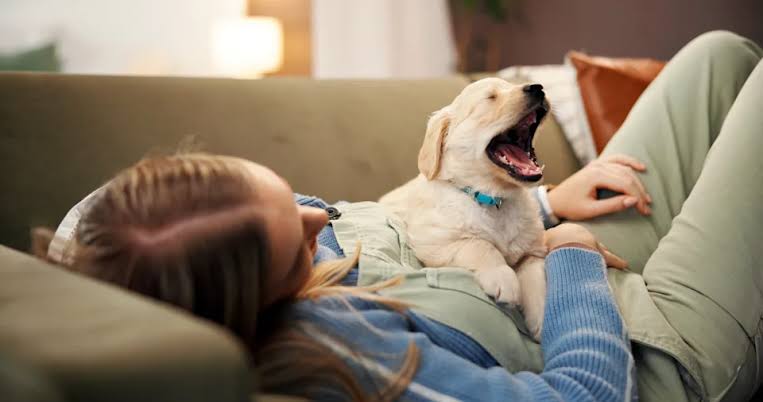
Occasionally, frequent or unusual yawning can point to nausea, pain, or discomfort rather than emotion. If yawning is paired with drooling, lip-smacking, restlessness, loss of appetite, or reluctance to be touched at all, it’s worth a veterinary check rather than a behavioral explanation.
Relaxed Yawn vs. Stress Yawn: How to Tell the Difference
Context is everything. The table below compares the body language that usually accompanies each type of yawn.
| Signal | Relaxed / Happy Yawn | Stress / Overstimulated Yawn |
|---|---|---|
| Body posture | Loose, leaning into your hand | Stiff, tense, or pulling away |
| Eyes | Soft, half-closed, or squinty | Wide, showing whites (“whale eye”) |
| Ears | Neutral or relaxed | Pinned back or flattened |
| Tail | Relaxed or gently wagging | Tucked or held stiffly |
| Timing | During calm cuddles, after waking up, before a fun activity | During unfamiliar handling, vet visits, loud noises, or intense petting |
| Accompanying behaviors | Stretching, sighing, settling down | Lip-licking, panting, pacing, turning head away |
| Repetition | A single, slow yawn | Repeated yawning in a short window |
How to Respond When Your Dog Yawns During Petting
- Pause and observe. Stop petting for a moment and watch the rest of your dog’s body language before deciding whether to continue.
- Check your hand placement. If you’re petting the head or muzzle, try switching to the chest, shoulders, or base of the ears instead.
- Give them an out. Let your dog move away if they want to. Forcing continued contact after a stress yawn can erode trust over time.
- Lower the intensity. If there’s a lot of noise, excitement, or new people around, a quieter environment often reduces stress yawning.
- Yawn back gently. Rugaas suggested that owners can mirror a dog’s yawn to help communicate calm, particularly in stressful settings like a vet’s office.
- Track the pattern. If yawning becomes constant across many situations, keep a simple log of when it happens to spot patterns worth discussing with a vet or trainer.
Common Mistakes Owners Make
- Assuming every yawn means the dog is bored or tired.
- Continuing to pet the same spot after repeated yawning and turning away.
- Ignoring yawning as a stress signal because it “looks cute.”
- Punishing or scolding a dog for yawning, licking lips, or pulling away, which can suppress these early warning signs and push dogs toward more obvious signals like growling.
- Overlooking yawning as a possible medical symptom when it’s paired with other unusual behavior.
Expert Insight
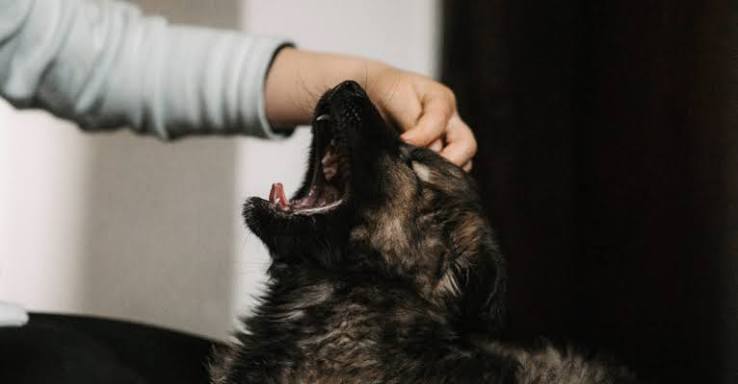
Veterinary behavior resources, including guidance published by the AKC and VCA Animal Hospitals, classify yawning alongside lip-licking as an “ambivalent” behavior — meaning it can reflect anything from mild caution to genuine anxiety, and should always be read together with the dog’s broader posture rather than in isolation. This lines up with Rugaas’s original calming-signals framework, which treats yawning as one of the clearest, earliest cues a dog gives before more obvious stress behavior appears.
When to Talk to a Vet or Trainer
Occasional yawning during petting is normal and not something to worry about. Consider reaching out to a veterinarian or certified trainer if you notice:
- Yawning that happens dozens of times a day, unrelated to touch.
- Yawning combined with drooling, pacing, whining, or hiding.
- A sudden increase in yawning alongside appetite changes or lethargy.
- Yawning that appears only with specific triggers, like being approached by strangers or children, which may point to a deeper fear or anxiety issue worth addressing with a professional.
Frequently Asked Questions (FAQs)
Is it normal for a dog to yawn when I pet him?
Yes. Occasional yawning during petting is completely normal and usually reflects relaxation, mild excitement, or a calming signal rather than anything concerning.
Does yawning mean my dog is happy?
It can. A slow yawn paired with a loose body, soft eyes, and leaning into your touch generally signals contentment.
Can yawning mean my dog is stressed?
Yes. A tense yawn paired with pinned ears, lip-licking, or turning away usually points to mild stress or overstimulation rather than happiness.
Why does my dog yawn when I pet his head specifically?
Many dogs find head and muzzle contact more intense than chest or shoulder petting, so a yawn in that moment may be a request to ease up.
Why does my dog yawn when I hug him?
Hugging restricts movement, which many dogs find mildly stressful even if they tolerate it well. Yawning during a hug is often a calming signal.
Do dogs yawn when they’re excited?
Yes. Rising excitement, like anticipation of a walk or a game, can trigger yawning just as easily as stress can.
Are dog yawns contagious like human yawns?
Research suggests dogs can catch yawns from people, especially their own owners, more readily than from strangers.
Should I yawn back at my dog?
It’s a reasonable, low-risk thing to try. Some trainers suggest mirroring a dog’s yawn can help reinforce a sense of calm, particularly in stressful settings.
Why does my dog yawn and then lick his lips?
Yawning paired with lip-licking is a classic combination of calming signals, often indicating mild stress or uncertainty about a situation.
What does it mean if my dog yawns a lot at the vet?
This is a very common stress response. Veterinary settings are unfamiliar and involve handling, which frequently triggers calming-signal yawning.
Can excessive yawning be a health problem?
In rare cases, yes. Persistent or unusual yawning paired with drooling, restlessness, or appetite loss warrants a veterinary visit to rule out pain or nausea.
Why does my puppy yawn so much when I pet him?
Puppies are still learning to process new experiences, and yawning is often one of the first calming signals they display when something feels new or overwhelming.
Is yawning a sign of submission in dogs?
It can function as an appeasement gesture in some contexts, especially between dogs, signaling that a dog isn’t a threat and wants to avoid conflict.
Why does my dog yawn when I talk to him closely?
Leaning in or maintaining intense eye contact can feel confrontational to some dogs, and yawning may be their way of diffusing that pressure.
Does breed affect how much a dog yawns?
Individual temperament tends to matter more than breed, though more sensitive or anxious dogs of any breed may yawn more frequently in new situations.
Why does my senior dog yawn more than he used to?
Increased yawning in older dogs can relate to normal aging, joint discomfort during handling, or reduced tolerance for stimulation, and is worth mentioning at a vet checkup if it’s a new pattern.
Can I train my dog to yawn less during petting?
You generally shouldn’t try to suppress the behavior directly. Instead, adjust how and where you pet your dog, since reducing the trigger usually reduces the yawning.
Why does my dog yawn during play instead of petting?
The same arousal-regulation function applies during play. A yawn mid-play is often a brief self-soothing pause rather than a sign your dog wants to stop.
Do cats yawn for the same reasons as dogs?
Cats also yawn for comfort, stress relief, and drowsiness, though the calming-signals framework was developed specifically around canine communication.
Why does my dog only yawn when certain people pet him?
This often points to comfort level. A dog may yawn more with unfamiliar people or children as a calming signal tied to uncertainty rather than with familiar family members.
Conclusion
A yawn during petting is rarely a random reflex — it’s a small but meaningful piece of your dog’s body language.
Read it alongside their posture, ears, and eyes, and you’ll usually know within seconds whether you’re looking at contentment or a gentle request for space.
Pay attention to the pattern over time, adjust how you pet accordingly, and you’ll build a stronger, more trusting relationship with your dog.
