

Why do I bite my tongue in my sleep is a question that usually shows up right after waking with a sore, swollen tongue and no memory of how it happened.
In most cases the cause is bruxism, the involuntary grinding or clenching of teeth during sleep, but a handful of other conditions can trigger it too.
Why Do I Bite My Tongue in My Sleep? What Nighttime Tongue Biting Actually Means?
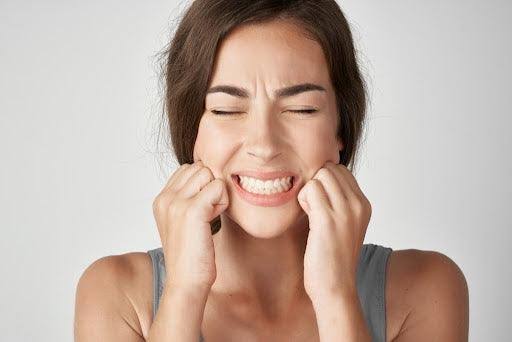
Tongue biting during sleep happens when the jaw clenches or moves unexpectedly while the tongue is caught between the teeth. Since it happens unconsciously, most people only discover it from soreness, swelling, or a partner mentioning strange nighttime noises.
Occasional, mild tongue biting is usually nothing to worry about. Frequent or severe biting, especially with deep marks on the sides of the tongue, is worth investigating further.
How Common Is Nighttime Tongue Biting
Sleep bruxism alone is estimated to affect a notable percentage of adults, and tongue biting is a frequent side effect of that grinding activity. Because it happens during sleep, the true number of people affected is likely higher than reported, since many cases go unnoticed until a dentist spots the wear pattern.
Children experience nighttime tongue biting too, though the underlying causes in kids often differ from what typically affects adults.
The Most Common Cause: Sleep Bruxism
What Bruxism Is
Bruxism is the medical term for grinding or clenching the teeth, and it can happen either while awake or during sleep. Sleep bruxism affects a meaningful share of adults and often goes unnoticed until a dentist spots the wear on the teeth.
When the jaw clenches forcefully during sleep, the tongue can get caught between the upper and lower teeth, leading to the bite marks people wake up with.
Why Bruxism Happens at Night
Stress and anxiety are among the most common triggers, since tension carries into the jaw muscles even after the rest of the body relaxes. Misaligned teeth or an uneven bite can also make it easier for the tongue to end up in the wrong place during clenching.
Caffeine, alcohol, and certain medications have all been associated with an increased likelihood of nighttime grinding, along with disrupted sleep in general.
Signs You May Have Bruxism
A dull, aching jaw upon waking, sensitive or worn teeth, and frequent tension headaches are all common signs of sleep bruxism. A dentist can often confirm this diagnosis just by examining the wear pattern on your teeth.
Partners sometimes report hearing a grinding sound during the night, even when the person doing the grinding has no memory of it.
Bruxism and Tooth Damage Over Time
Left unaddressed, chronic grinding can wear down tooth enamel, cause chipping, and eventually lead to more extensive dental work. Tongue biting is often the first noticeable symptom, well before the dental damage becomes visible to the person experiencing it.
Regular dental checkups help catch bruxism-related wear early, even in people who have no idea they grind their teeth at night.
Sleep-Disordered Breathing and Tongue Biting
Obstructive Sleep Apnea
Obstructive sleep apnea causes repeated pauses in breathing throughout the night, often accompanied by gasping, choking, or sudden jaw movements as the body works to reopen the airway. These reflexive movements can bring the teeth together on the tongue.
Loud snoring, daytime fatigue, and witnessed breathing pauses are common companion symptoms that point toward sleep apnea rather than bruxism alone.
The Overlap Between Apnea and Bruxism
Sleep apnea and bruxism frequently occur together, since the muscle activity involved in reopening a blocked airway can resemble clenching. Treating the underlying apnea, often with a CPAP machine or oral appliance, sometimes reduces nighttime tongue biting as a side effect.
Anyone with both loud snoring and frequent tongue injuries should mention both symptoms together during a medical evaluation, since treating only one may leave the other unresolved.
Other Sleep Apnea Symptoms to Watch For
Morning headaches, dry mouth upon waking, and difficulty concentrating during the day are additional signs that often accompany sleep apnea. Waking up gasping or choking is one of the more alarming symptoms and should be reported to a doctor promptly.
A home sleep study or an in-lab polysomnogram is typically used to confirm a sleep apnea diagnosis, after which treatment can often reduce related tongue injuries as a secondary benefit.
Rhythmic Movement Disorder
Rhythmic movement disorder involves repetitive, patterned movements of the head, neck, or body during sleep, most commonly seen in children. These movements can occasionally cause the tongue to get caught between the teeth.
Most children outgrow the disorder naturally, though a doctor may recommend monitoring or, in persistent cases, further evaluation if it continues into adolescence or adulthood.
Recognizing Rhythmic Movement Disorder

The movements typically appear as head banging, body rocking, or rhythmic leg movements that occur just as a child is falling asleep or during lighter stages of sleep. Parents often notice the pattern before any tongue injury shows up, since the movements themselves are usually the more obvious symptom.
A pediatrician can usually diagnose rhythmic movement disorder based on a description of the behavior alone, though a sleep study may be recommended if the movements are severe or persist well beyond the toddler years.
Facio-Mandibular Myoclonus
Facio-mandibular myoclonus is a lesser-known sleep disorder involving sudden, forceful jerks of the jaw and facial muscles during sleep. It can closely resemble bruxism or even a seizure on the surface, which makes an accurate diagnosis important.
A sleep study is typically needed to distinguish this condition from bruxism or nocturnal seizures, since the underlying muscle activity looks different on monitoring equipment even though the outward symptom, tongue biting, can look the same.
Other Less Common Causes
Certain medications, particularly some used for psychiatric conditions, have been associated with increased muscle activity during sleep, including jaw clenching. Restless sleep from an uncomfortable mattress, an unusual sleep position, or a recent change in dental work can also occasionally contribute to tongue biting.
Ruling out these less common contributors usually happens after the more frequent causes, like bruxism and sleep apnea, have already been considered.
Nocturnal Seizures: When Tongue Biting Signals Something More Serious
Why Lateral Tongue Biting Matters
Medical research has consistently found that biting on the side of the tongue, rather than the tip, is strongly associated with generalized tonic-clonic seizures. One well-known study found lateral tongue biting to be highly specific for this type of seizure activity.
By contrast, tip-of-the-tongue biting is more commonly linked to simple causes like a sudden jaw closure from being startled, rather than a seizure.
Other Signs of a Possible Nocturnal Seizure
Waking with no memory of the event, bedwetting, unusual soreness throughout the body, or finding yourself in a different position than when you fell asleep can all accompany a nocturnal seizure. A partner witnessing jerking movements or unusual sounds adds important information for a diagnosis.
Epilepsy affects millions of adults in the United States, and in some cases seizures occur exclusively during sleep, which makes tongue biting one of the only visible clues.
How Seizure-Related Biting Differs From Bruxism
Seizure-related tongue biting tends to be more severe and produces deeper wounds than typical bruxism-related biting. Research comparing the two found tongue biting to be highly specific, though not highly sensitive, for generalized seizures, meaning a positive finding is meaningful even though its absence does not rule seizures out entirely.
The presence of other seizure signs, such as confusion upon waking, muscle soreness throughout the body, or a partner witnessing convulsive movement, helps distinguish a seizure from ordinary grinding.
When to See a Neurologist
Deep, lateral tongue wounds with no memory of the event are a strong reason to seek a neurological evaluation rather than assuming bruxism is the cause. An electroencephalogram, sometimes combined with a sleep study, is the standard way doctors diagnose nocturnal seizure activity.
Bringing a partner’s observations to the appointment, including anything they have noticed about movements or sounds during the night, can meaningfully speed up an accurate diagnosis.
What Happens During a Sleep Study Evaluation
A diagnostic sleep study, called a polysomnogram, records brain waves, muscle activity, breathing, and heart rate throughout the night, often alongside video monitoring. This combination allows doctors to distinguish between bruxism, rhythmic movement disorder, facio-mandibular myoclonus, and true seizure activity, even when the outward symptom looks identical.
Some evaluations use an extended EEG over several days if a single overnight study does not capture enough episodes to reach a clear diagnosis.
Comparing the Main Causes
| Cause | Typical Bite Location | Key Accompanying Signs | Who to See |
|---|---|---|---|
| Sleep bruxism | Tip or sides of tongue | Jaw soreness, worn teeth, headaches | Dentist |
| Obstructive sleep apnea | Tip or sides of tongue | Loud snoring, gasping, daytime fatigue | Sleep specialist or doctor |
| Rhythmic movement disorder | Tip of tongue | Repetitive head or body movement, mostly in children | Pediatrician |
| Facio-mandibular myoclonus | Tip or sides of tongue | Sudden jaw jerks, resembles bruxism | Sleep specialist |
| Nocturnal seizures | Sides of tongue (lateral) | No memory of event, bedwetting, body soreness | Neurologist |
What to Do If You Bite Your Tongue at Night
Immediate Care for a Sore Tongue
Rinsing gently with cool water and avoiding acidic, spicy, or very hot foods for a day or two helps reduce irritation while the tissue heals. Most minor tongue injuries from clenching resolve on their own within a few days.
A cold compress held against the outside of the jaw can also help reduce swelling if the bite was forceful enough to cause noticeable soreness.
Preventing Infection After a Deep Bite
A deep tongue wound can occasionally become irritated or infected, particularly if it is repeatedly reopened by continued biting. Keeping the mouth clean with gentle saltwater rinses and avoiding tobacco or alcohol while the tissue heals lowers this risk considerably.
Persistent swelling, unusual discharge, or a wound that does not improve within a week should be evaluated by a doctor or dentist rather than treated at home indefinitely.
Protective Measures for Ongoing Biting
A custom-fitted night guard from a dentist is one of the most effective tools for reducing tongue injuries linked to bruxism, since it creates a physical barrier between the upper and lower teeth. Over-the-counter guards offer some protection but typically fit less precisely.
Addressing an underlying cause, whether that is stress, sleep apnea, or misaligned teeth, tends to reduce tongue biting far more effectively than treating the symptom alone.
Stress and Sleep Hygiene Adjustments
Reducing caffeine and alcohol in the hours before bed, keeping a consistent sleep schedule, and practicing relaxation techniques like deep breathing can all lower the muscle tension linked to stress-related grinding. These changes will not eliminate every cause of tongue biting, but they meaningfully reduce the stress-driven kind.
Journaling or briefly reviewing the day’s stressors before bed is a simple habit some people find helps loosen the jaw tension that builds up unconsciously overnight.
Expert Tips for Preventing Tongue Injuries
Sleep Position Matters
Sleeping face-down tends to compress the jaw against the pillow, which can increase the chance of the tongue getting caught between the teeth. Sleeping on your back or side generally keeps the jaw in a more neutral, relaxed position throughout the night.
A supportive pillow that keeps the neck aligned can also reduce the awkward jaw positioning that sometimes contributes to nighttime biting.
Working With Your Dentist on Bite Alignment
An uneven bite, where the upper and lower teeth do not meet evenly, can make it easier for the tongue to slip into the wrong place during clenching. Orthodontic treatment or minor bite adjustments are sometimes recommended when misalignment is a clear contributing factor.
A dentist can evaluate whether bite alignment is playing a role during a routine exam, often at the same visit where bruxism is first identified.
Real-World Example
Consider someone who wakes up several mornings in a row with a sore, slightly swollen tongue and no memory of anything unusual happening overnight. After ruling out any recent injury, a dentist notices visible wear on the back molars consistent with grinding, and a night guard resolves the tongue biting within a few weeks.
In a different scenario, someone with the same symptom but with lateral, deep bite marks and no dental wear at all is referred to a neurologist, where a sleep study eventually identifies nocturnal seizure activity. The same symptom, tongue biting, led to two very different diagnoses based on where the bite occurred and what else was happening around it.
Long-Term Outlook

Most people who bite their tongue at night see significant improvement once the underlying cause is identified and addressed. Bruxism-related biting typically responds well to a night guard and stress management within weeks, while sleep apnea-related biting often improves once breathing is properly treated.
For the smaller number of cases linked to a seizure disorder, appropriate neurological treatment usually reduces or eliminates the nighttime biting as seizure activity comes under control, underscoring why an accurate diagnosis matters more than simply managing the symptom.
Talking to Your Doctor or Dentist
Bringing specific details to an appointment, such as how often the biting occurs, where on the tongue it happens, and any accompanying symptoms, helps a provider narrow down the cause more quickly. A short written log kept over one or two weeks is often more useful than trying to recall details from memory during a rushed visit.
If a partner shares a bed with you, asking them beforehand whether they have noticed grinding sounds, snoring, or unusual movements adds valuable information that you would not otherwise have access to.
Best Practices vs Mistakes to Avoid
| Best Practice | Common Mistake |
|---|---|
| Getting a custom night guard fitted by a dentist | Relying only on a generic drugstore guard for chronic biting |
| Tracking bite location and frequency before an appointment | Assuming every instance is harmless bruxism |
| Mentioning a partner’s observations to your doctor | Dismissing witnessed jerking or unusual sounds |
| Treating sleep apnea if diagnosed | Ignoring loud snoring alongside tongue biting |
| Seeking a neurologist for lateral, unexplained bites | Waiting months after repeated severe injuries |
Key Takeaways
- Sleep bruxism, or unconscious teeth grinding and clenching, is the most common cause of nighttime tongue biting.
- Sleep apnea, rhythmic movement disorder, and facio-mandibular myoclonus can all cause similar symptoms.
- Lateral tongue biting, on the sides rather than the tip, is strongly associated with nocturnal seizures and deserves medical evaluation.
- A custom night guard is generally the most effective tool for protecting the tongue from bruxism-related injury.
- Addressing stress, sleep apnea, or misaligned teeth often reduces tongue biting more effectively than treating symptoms alone.
- Deep bites with no memory of the event, especially alongside bedwetting or body soreness, warrant a neurological evaluation.
Frequently Asked Questions (FAQs)
Why do I keep biting my tongue in my sleep?
The most common reason is sleep bruxism, where involuntary jaw clenching catches the tongue between the teeth during the night.
Is biting your tongue in your sleep a sign of a seizure?
It can be, particularly if the bite is on the side of the tongue rather than the tip, along with no memory of the event.
Can stress cause me to bite my tongue at night?
Yes, stress increases jaw muscle tension, which raises the likelihood of clenching and tongue biting during sleep.
Does sleep apnea cause tongue biting?
It can, since the muscle movements involved in reopening a blocked airway can resemble clenching and catch the tongue.
What does a night guard do for tongue biting?
A custom night guard creates a physical barrier between the teeth, reducing the chance of the tongue getting caught during clenching.
Should I see a dentist or a doctor for tongue biting in my sleep?
Start with a dentist if you suspect bruxism, but see a doctor or neurologist if bites are severe, lateral, or unexplained.
Can children bite their tongue in their sleep?
Yes, this is often linked to rhythmic movement disorder, a condition that most children naturally outgrow over time.
How do I know if my tongue biting is serious?
Deep, lateral bites, memory loss around the event, or accompanying symptoms like bedwetting suggest it is worth a medical evaluation.
Can medication cause nighttime tongue biting?
Certain medications have been associated with increased teeth grinding, so it is worth reviewing your prescriptions with a doctor if biting is frequent.
Will tongue biting during sleep go away on its own?
Mild, occasional biting linked to stress often improves with better sleep habits, but frequent or severe biting usually needs targeted treatment.
Conclusion
So, why do I bite my tongue in my sleep? Most nighttime tongue biting comes down to sleep bruxism, where involuntary jaw clenching catches the tongue between the teeth.
Sleep apnea, rhythmic movement disorder, and facio-mandibular myoclonus can all produce similar symptoms, which is why an accurate diagnosis matters before assuming it is simple grinding.
Lateral tongue bites, especially with no memory of the event, are strongly linked to nocturnal seizures and should prompt a conversation with a neurologist.
For most people, a custom night guard combined with better stress management and sleep habits significantly reduces how often this happens.
If tongue biting becomes frequent, severe, or comes with other unusual nighttime symptoms, a proper evaluation from a dentist, sleep specialist, or neurologist is the safest next step.
