

Why Do My Ear Piercings Smell? Ear piercing smell is almost always caused by a normal mix of sebum (skin oil), sweat, bacteria, and dead skin cells building up around the jewelry — not poor hygiene or anything seriously wrong.
It’s sometimes nicknamed “ear cheese.” In rare cases, a bad smell combined with pain, swelling, or discolored discharge can signal infection.
What Causes That Smell? The Real Reasons
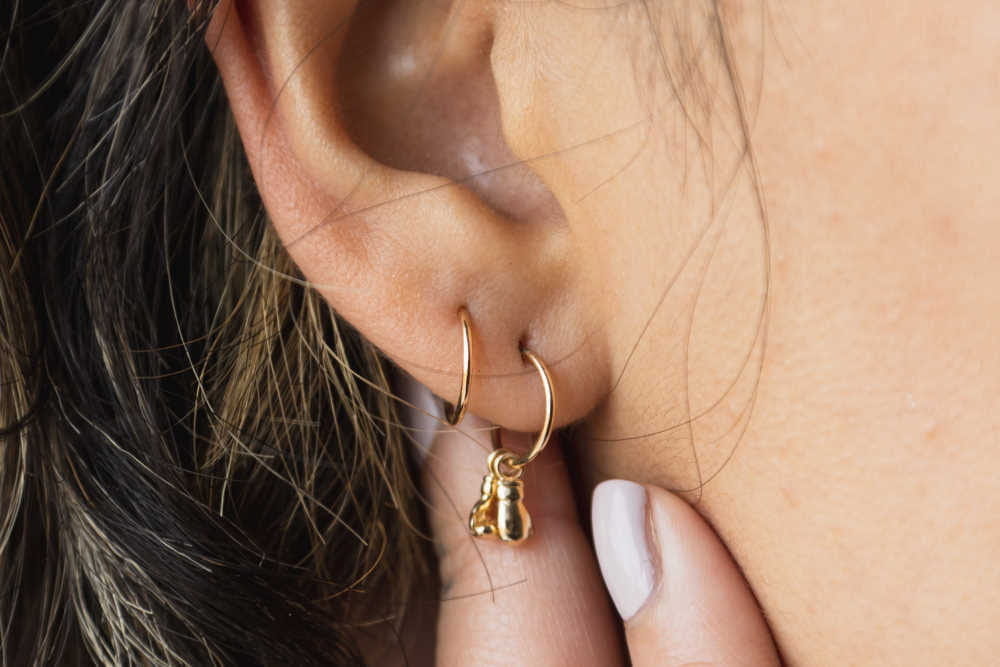
Several ordinary body processes combine at the piercing site to create odor. None of these, on their own, mean you’re doing anything wrong.
Sebum (Natural Skin Oil) Buildup
Your skin constantly produces sebum, a natural oil that keeps it moisturized. Around a piercing, sebum has nowhere to go, so it collects on the jewelry post and around the hole. Over a day or two, this oil develops a distinct, slightly cheesy smell.
Bacteria and Trapped Moisture
Bacteria live on everyone’s skin, and warm, moist environments — like the space behind an earring back — are ideal conditions for them to multiply. Showering, swimming, or sweating with earrings in traps extra moisture against the skin, giving bacteria more to work with.
Dead Skin Cell Accumulation
Skin around a piercing doesn’t shed as easily as skin elsewhere on the body. Dead skin cells build up in and around the hole, mix with oil and bacteria, and contribute to the smell.
Low-Quality or Cheap Metal Jewelry
Jewelry made from nickel, brass, or heavily plated cheap metals can irritate skin and trigger extra oil production, which worsens odor over time. Lower-quality metals are also more likely to react with sweat and cause discoloration.
Tight or Rarely Removed Jewelry
Jewelry that fits too snugly restricts airflow around the piercing, trapping moisture and buildup. Going long stretches without removing and cleaning earrings — especially earring backs — lets buildup accumulate undisturbed.
Is It Normal, or Is It Infected?
Smell alone is usually just biology, not a medical problem. But smell combined with certain other symptoms is one of the recognized signs of infection, so it’s worth knowing the difference.
| Sign | Normal / Irritated Piercing | Possible Infection |
|---|---|---|
| Smell | Mild, “cheesy” odor from buildup | Foul or sharply unpleasant smell |
| Discharge | Clear or whitish, dries into light crust | Thick yellow, green, or brownish pus |
| Redness | Confined to the piercing hole itself | Spreading beyond the piercing site |
| Swelling | Mild, temporary (e.g., after sleeping on it) | Increasing swelling that gets worse over days |
| Pain | Comes and goes, mild soreness | Throbbing pain that doesn’t improve |
| Touch | Normal skin temperature | Hot to the touch |
| Other symptoms | None | Fever, chills, hard lump under skin |
Rule of thumb: if cleaning improves things within a day or two, it’s normal buildup. If symptoms are getting worse instead of better, or you notice fever or spreading redness, that points to infection and warrants medical attention.
How to Clean Smelly Ear Piercings (Step-by-Step)
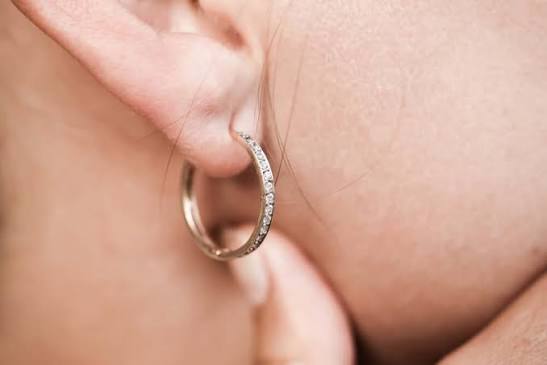
- Wash your hands first. Always start with clean hands to avoid introducing new bacteria.
- Rinse with saline solution or warm water. A sterile saline solution (or warm water with a bit of sea salt) gently loosens buildup without over-drying the skin.
- Wipe gently. Use a clean cotton pad or lint-free cloth to wipe around the jewelry — avoid scrubbing hard.
- Clean the jewelry separately. If the piercing is fully healed, remove the earring and wash it with warm water and mild soap; use a soft toothbrush for stubborn buildup on posts and backs.
- Dry thoroughly. Pat the area dry with a clean cloth before putting jewelry back in.
- Avoid harsh chemicals. Skip alcohol and hydrogen peroxide — they can dry out and irritate the skin, which often makes buildup and irritation worse, not better.
Expert tip: Don’t over-clean. Sebum plays a protective role for your skin, and cleaning more than once or twice a day can cause irritation that actually increases odor and discomfort.
Best Earring Materials to Prevent Smell
Jewelry material affects how much oil, moisture, and bacteria build up around your piercing — and how likely your skin is to react.
| Material | Odor Risk | Allergy Risk | Notes |
|---|---|---|---|
| Titanium | Low | Very low | Excellent for sensitive or new piercings |
| Surgical steel | Low | Low | Durable, widely recommended by piercers |
| 14K+ gold | Low-Moderate | Low (if high karat) | Higher karat gold is less reactive than plated gold |
| Sterling silver | Moderate | Low-Moderate | Can tarnish, which may worsen odor over time |
| Nickel / cheap alloys / heavily plated metal | High | High | Common cause of irritation, reaction, and increased odor |
Best practice: If smell persists despite good cleaning habits, switching to titanium or surgical steel is one of the most effective long-term fixes, especially for sensitive skin.
Cartilage, Gauges, and Stretched Piercings: Do They Smell Differently?
Cartilage piercings tend to heal more slowly than earlobes — often six months to a year — which means buildup has more time to accumulate around jewelry during healing. Stretched or gauged piercings have more surface area around the jewelry, so oil, sweat, and dead skin can collect more noticeably, sometimes with a stronger odor than a standard lobe piercing. The same cleaning principles apply to both, just with extra patience during longer healing periods.
How to Prevent the Smell From Coming Back
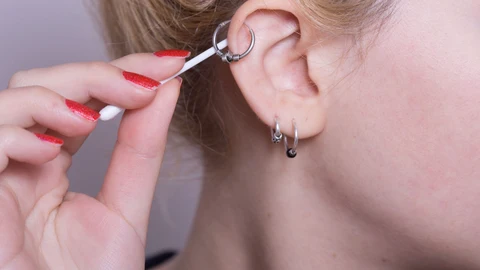
- Clean your piercings and jewelry a couple of times a week, or more often if you exercise heavily.
- Take earrings out before swimming or intense workouts when possible, once piercings are fully healed.
- Let your ears breathe overnight occasionally rather than wearing the same earrings 24/7.
- Avoid touching piercings with unwashed hands throughout the day.
- Choose titanium, surgical steel, or high-karat gold over cheap or heavily plated metals.
- Don’t wait too long between changing or cleaning earring backs — they trap the most buildup.
When to See a Doctor
Occasional mild odor that clears up with cleaning isn’t a medical concern. See a doctor or a professional piercer if you notice:
- Redness spreading beyond the piercing site
- Swelling that worsens instead of improving
- Thick yellow, green, or brownish discharge with a strong, foul smell
- The area feels hot to the touch
- Throbbing pain that doesn’t go away
- Fever, chills, or a hard lump forming near the piercing
Most piercing professionals, in line with Association of Professional Piercers guidance, recommend keeping jewelry in during treatment of a suspected infection so it can drain properly — but always follow your doctor’s specific instructions if they differ.
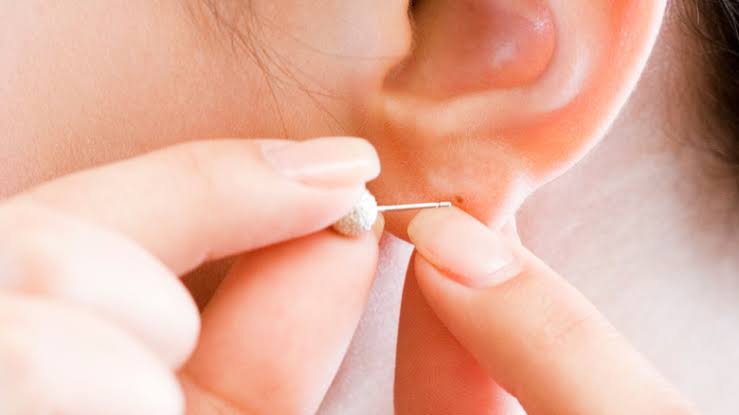
Frequently Asked Questions (FAQs)
Why do my ear piercings smell?
It’s usually a normal combination of sebum (skin oil), sweat, bacteria, and dead skin cells building up around the jewelry.
Is it normal for ear piercings to smell?
Yes, mild odor is extremely common and doesn’t necessarily mean poor hygiene or infection.
Why do my earrings smell like cheese?
The buildup of oil, bacteria, and dead skin cells creates a smell many people describe as cheesy — sometimes nicknamed “ear cheese.”
What causes “ear cheese”?
It’s a mix of natural skin oil (sebum), sweat, and dead skin cells that collects around the piercing and jewelry over time.
Why does my earring back smell worse than the front?
Earring backs sit close against the skin with little airflow, so buildup tends to accumulate there more than on the visible front of the earring.
Can a smelly piercing mean it’s infected?
Smell alone usually isn’t infection, but a strong foul odor combined with spreading redness, swelling, or thick colored discharge can be a sign of infection.
Why do my cartilage piercings smell?
Cartilage heals more slowly than earlobes, giving buildup more time to accumulate around the jewelry during the longer healing process.
How often should I clean my ear piercings?
A couple of times a week is generally enough for healed piercings; new piercings should follow your piercer’s specific aftercare schedule.
What’s the best way to clean smelly earring holes?
Use a saline solution or warm water with mild soap, gently wipe around the jewelry, and clean the earring itself separately if the piercing is fully healed.
Can I use alcohol or hydrogen peroxide to clean my piercing?
It’s not recommended — these can dry out and irritate the skin, often making buildup and discomfort worse.
What earrings are best to prevent smell?
Titanium and surgical steel are widely recommended for lower odor and allergy risk compared to cheap or plated metals.
Does titanium reduce piercing odor?
Yes, titanium is non-reactive and less likely to irritate skin, which helps reduce the buildup that causes odor.
Can cheap or nickel earrings cause smell?
Yes, low-quality metals can irritate the skin and increase oil production, which contributes to a stronger smell.
Why do my piercings smell worse in summer or after exercise?
Increased sweat and moisture during hot weather or exercise give bacteria more to feed on, intensifying odor.
Should I take my earrings out to shower?
For fully healed piercings, removing earrings before showering can help prevent shampoo and product residue from adding to buildup.
Should I remove my earrings overnight?
Occasionally letting healed piercings breathe overnight can help reduce buildup, though it’s a personal preference rather than a strict requirement.
What is the black or gray gunk around my piercing?
It’s typically oxidized buildup from dirt mixing with natural skin discharge, often linked to lower-quality jewelry materials.
What does yellow or green discharge from a piercing mean?
Thick, colored discharge — especially with a foul smell — is a common sign of infection and worth having checked.
What’s the difference between an irritated and an infected piercing?
Irritation usually stays localized with clear or whitish discharge, while infection involves spreading redness, thick colored pus, and worsening pain or swelling.
When should I see a doctor about a smelly piercing?
See a doctor if smell is paired with spreading redness, worsening swelling, thick discolored discharge, fever, or pain that isn’t improving.
Can a smelly piercing heal on its own?
Mild odor from normal buildup typically resolves with regular cleaning; true infections usually need medical treatment.
Key Takeaways
- Ear piercing smell is usually caused by sebum, sweat, bacteria, and dead skin cells — a normal, if unglamorous, part of having pierced ears.
- Gentle, regular cleaning with saline solution or mild soap resolves most odor within a day or two.
- Titanium and surgical steel jewelry significantly reduce both odor and allergy risk compared to cheap metals.
- Cartilage and stretched piercings may smell more noticeably due to slower healing and greater surface area.
- A strong foul smell paired with spreading redness, swelling, colored discharge, or fever points to infection and needs medical attention.
