

How to convert YouTube to MP3 legally is one of the most searched questions online, yet the answer remains surprisingly complex and often misunderstood.
The truth is that converting copyrighted YouTube content to MP3 format violates both YouTube’s Terms of Service and copyright law in most cases.
However, there are completely legal methods available in 2026, including using YouTube Premium’s offline download feature, converting your own uploaded content, downloading Creative Commons-licensed videos, accessing public domain materials, and utilizing fair use provisions for educational purposes.
This comprehensive guide explores every legal avenue for obtaining audio from YouTube, explains the risks of illegal conversion, and provides safe alternatives that respect content creators’ rights while meeting your offline listening needs.
Understanding How to Convert YouTube to MP3
YouTube to MP3 conversion exists in a complex legal landscape. The legality depends entirely on what content you’re converting and why you’re converting it.
Converting copyrighted content without permission violates two separate frameworks. First, it breaches YouTube’s Terms of Service, which explicitly prohibit downloading content through unauthorized means.
Second, it infringes copyright law by creating unauthorized copies of protected works. This dual violation creates both platform-specific and legal consequences.
YouTube’s Terms of Service Explained
YouTube’s Terms of Service clearly state that users cannot access content through any technology except the video playback pages, embeddable player, or other explicitly authorized means.
This means using third-party converters like YouTube-DL, 4K Video Downloader, or web-based conversion tools violates the platform’s rules. Even if content isn’t copyrighted, using these tools breaks YouTube’s terms.
Violations can result in account suspension, video removal, or permanent bans. While YouTube rarely sues individual users, they actively pursue legal action against converter tool developers.
Copyright Law and Stream Ripping
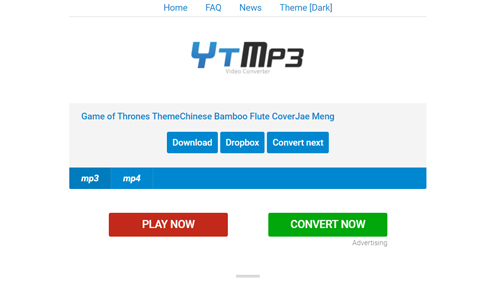
“Stream ripping” refers to using software to create downloadable copies from streaming data. The Digital Millennium Copyright Act (DMCA) in the United States makes this illegal for copyrighted content.
The DMCA prohibits circumventing technological protection measures to access copyrighted works. YouTube’s encryption counts as such protection.
Copyright holders own exclusive rights to reproduction and distribution. Creating MP3 copies without permission infringes these rights regardless of personal or commercial use.
The YouTube-MP3.org Case Study
YouTube-MP3.org was one of the world’s most popular conversion sites before shutting down in 2017. The platform faced extensive legal battles with record labels and YouTube.
The Recording Industry Association of America (RIAA) sued the site for copyright infringement. They argued the service enabled mass copyright violations.
The site eventually closed after years of legal pressure. This case established important precedents about stream ripping legality and converter tool liability.
Legal Ways to Convert YouTube to MP3
Despite the restrictions, several completely legal methods exist for obtaining audio from YouTube. These approaches respect both copyright law and platform terms.
The key is ensuring you have proper rights or permissions. Legal conversion requires either owning the content, obtaining explicit permission, or using content specifically designated as free.
Understanding these legal pathways helps you access audio content without risking legal consequences or ethical violations.
Method 1: YouTube Premium Offline Downloads
YouTube Premium provides the most straightforward legal option. This subscription service allows offline viewing within the YouTube app for personal use.
The service costs $13.99 per month (as of 2026) and includes ad-free viewing, background play, and access to YouTube Music. Over 100 million global subscribers use this service.
YouTube has licensing agreements with content creators and rights holders that permit these downloads. However, downloads remain locked within the YouTube ecosystem.
How YouTube Premium Works
Premium downloads save to your device but can only be played through the YouTube app. You cannot extract the audio files or convert them to MP3 format.
Downloads expire after 30 days if your device doesn’t connect to the internet. The app verifies your active subscription periodically.
This limitation ensures content remains protected while providing offline access. Converting these downloads to MP3 still violates terms and copyright law.
Advantages of YouTube Premium
Premium offers the most legally secure method for offline YouTube access. You support content creators through subscription fees.
No risk of malware, viruses, or legal issues exists. Downloads are high-quality and include video options beyond just audio.
Background play allows listening while using other apps. YouTube Music provides additional music streaming features comparable to Spotify or Apple Music.
Method 2: Converting Your Own Content
If you created and uploaded YouTube content yourself, you can legally download and convert it. You own the copyright and grant yourself permission.
YouTube Studio provides a built-in download button for your own videos. This official method respects platform terms while accessing your content.
After downloading, you can use any conversion software to extract audio. This represents perfectly legal use since you own all rights.
Accessing Your Own Videos
Sign into YouTube Studio and navigate to your Content tab. Each video has three-dot menu with a Download option.
Click Download to save the video file to your device. The file downloads in MP4 format at the quality you originally uploaded.
Use legitimate conversion software like Audacity, VLC Media Player, or FFmpeg to extract audio. These free tools don’t violate any terms since you’re converting your own content.
Method 3: Creative Commons Licensed Content
Creative Commons (CC) licenses allow creators to share work under specific conditions. YouTube supports Creative Commons Attribution (CC BY) licensing.
Videos with CC BY licenses can be legally downloaded, modified, and redistributed. You must provide proper attribution to the original creator.
This represents one of the few situations where downloading YouTube content through third-party tools might be permissible, though YouTube’s terms still technically prohibit it.
Finding Creative Commons Videos
YouTube’s search filters include a Creative Commons option. Click Filters in search results and select Creative Commons under Features.
This narrows results to only CC-licensed videos. Thousands of educational videos, music, and other content use these licenses.
Always verify the specific license details. Some CC licenses restrict commercial use or require derivative works share the same license.
How to Use Creative Commons Content
Proper attribution is essential when using CC content. Include the creator’s name, video title, and link to the original video.
Attribution can appear in your video description, on-screen text, or voiceover. The CC BY license specifically requires this credit.
You can legally download CC videos using tools, though YouTube’s general terms about third-party downloaders create ambiguity. The safest approach uses only authorized YouTube features.
Method 4: Public Domain Content
Public domain works have no copyright protection. The copyright expired, was forfeited, or never existed in the first place.
Content enters the public domain when copyright expires (typically 70 years after the author’s death). Works created by U.S. government agencies automatically enter public domain.
Downloading and converting public domain content is perfectly legal. No permission is needed since no one holds exclusive rights.
Sources of Public Domain Content
YouTube hosts extensive public domain collections. Classical music recordings, historical speeches, old films, and government videos are commonly available.
The Internet Archive maintains huge public domain video collections. Many educational institutions upload public domain lectures and archival footage.
Always verify public domain status before downloading. Copyright laws vary by country, and some works may be protected in certain jurisdictions despite U.S. public domain status.
Verifying Public Domain Status
No official comprehensive public domain list exists. Research is your responsibility before assuming content is free.
Resources like The Public Domain Review, Project Gutenberg, and Wikimedia Commons help identify public domain works. Duke University’s Center for the Study of the Public Domain publishes annual guides.
Copyright terms vary by creation date and country. Works published before 1929 in the U.S. are generally public domain, but newer works require careful analysis.
Method 5: Fair Use for Educational Purposes
Fair use allows limited copyrighted material use without permission for specific purposes. These include commentary, criticism, research, teaching, and news reporting.
Fair use is a legal defense, not an absolute right. Courts determine fair use case-by-case using four factors.
Using fair use for YouTube to MP3 conversion is risky. Most personal listening doesn’t qualify, but legitimate educational use might.
The Four Fair Use Factors
Purpose and character examines whether use is transformative and commercial versus nonprofit educational. Transformative uses add new meaning or purpose.
Nature of the copyrighted work considers whether the original is factual or creative. Using factual works weighs more favorably than creative works.
Amount and substantiality evaluates how much and what portion you use. Using small portions favors fair use, but even small amounts of “heart” content can fail this test.
Effect on the market assesses whether your use harms the copyright holder’s potential market. Substituting for purchases weighs against fair use.
When Fair Use Might Apply
A teacher downloading a short clip for classroom analysis might qualify. The use is educational, transformative (for teaching), limited in amount, and unlikely to harm the market.
A student converting a lecture for study purposes might have a fair use argument. However, if the lecture is available for purchase, this weakens the case.
Personal entertainment listening never qualifies as fair use. The purpose must be genuinely educational, critical, or transformative.
Method 6: Obtaining Direct Permission
Contacting content creators directly to request permission provides another legal path. Many creators grant permission when asked respectfully.
Explain your intended use clearly. Some creators allow personal use downloads but prohibit redistribution or commercial use.
Always get written permission you can prove. Email confirmations or messages provide documentation if questions arise later.
How to Request Permission
Find creator contact information in video descriptions, channel About sections, or social media links. Many creators list business email addresses.
Write a polite, specific request. Explain what video you want, how you’ll use it, and that you respect their copyright.
Accept “no” gracefully. Creators have no obligation to grant permission. Respect their decision and seek alternative legal sources.
Legal Alternatives to YouTube MP3 Conversion
If legal YouTube conversion proves too restrictive, numerous alternatives provide legitimate audio access. These services respect copyright while meeting offline listening needs.
Music streaming platforms, podcast apps, and legal download services offer vast content libraries. Many provide free tiers with advertising.
These alternatives often provide better audio quality, organization, and features than converted YouTube files. They support artists and creators financially.
Spotify Free and Premium
Spotify offers over 100 million songs and 5 million podcasts. The free tier includes ads and requires internet connection.
Spotify Premium ($10.99/month in 2026) allows offline downloads of up to 10,000 songs per device on five devices. Audio quality reaches 320 kbps, superior to most YouTube videos.
Premium includes ad-free listening, unlimited skips, and high-quality streaming. Family and student plans offer discounted rates.
Apple Music
Apple Music provides 100 million songs without ads for $10.99 monthly. Students pay $5.99, and family plans cover six people for $16.99.
Downloads work offline across Apple devices with iCloud Music Library syncing. Spatial audio and lossless quality exceed YouTube audio significantly.
Integration with Apple ecosystem provides seamless experience across iPhone, iPad, Mac, Apple Watch, and HomePod devices.
Amazon Music Unlimited
Amazon Music Unlimited offers 100 million songs ad-free for $10.99 monthly. Prime members pay only $9.99.
Family plans support six users for $16.99. Student plans cost $5.99 monthly.
Offline downloads work across unlimited devices. Amazon Echo integration provides voice-controlled listening throughout your home.
Free Music Resources
Free Music Archive provides thousands of legally downloadable songs. Artists upload music under Creative Commons and other free licenses.
Bandcamp allows artists to offer free downloads or name-your-price options. You can legally download and support independent musicians.
SoundCloud hosts millions of tracks, many available for free download when artists enable it. Look for the download button under tracks.
Podcast Platforms
Apple Podcasts, Spotify, Google Podcasts, and Pocket Casts provide free podcast access. Most podcasts allow offline downloads within apps.
Podcasts cover every imaginable topic including education, entertainment, news, and storytelling. Content is free and legal to download within podcast apps.
Creators monetize through ads, sponsorships, and listener support. You’re not circumventing creator income by using official podcast apps.
Risks of Illegal YouTube to MP3 Conversion
Using illegal conversion methods carries significant risks beyond legal consequences. Understanding these dangers helps you make informed decisions.
Many converter websites and tools contain malware, adware, or viruses. They profit from ads and data harvesting rather than legitimate services.
Legal risks include copyright strikes, lawsuits, and fines. While enforcement against individual users is rare, it’s not impossible.
Malware and Security Threats
Many YouTube converter sites bombard users with malicious pop-ups and redirects. These often install unwanted software or steal personal information.
Browser hijackers change your homepage and search engine without permission. Adware displays constant advertisements across your device.
Ransomware, trojans, and viruses can infect devices through malicious converter sites. These infections compromise personal data and system functionality.
Poor Audio Quality
YouTube videos often compress audio significantly. Converting compressed audio to MP3 results in quality loss.
You cannot improve audio quality through conversion. The output quality never exceeds the source quality, and conversion typically reduces it further.
Legitimate streaming services provide studio-quality audio. They access original files rather than compressed video streams.
Copyright Strikes and Account Penalties
YouTube’s Content ID system detects copyrighted material. If you upload converted content, you’ll receive copyright claims or strikes.
Three copyright strikes result in permanent account termination. You lose all uploaded videos, subscribers, and comments.
Some rights holders monetize claims rather than striking. Your video remains up, but all revenue goes to the copyright holder.
Potential Legal Consequences
Copyright holders can pursue civil lawsuits for infringement. Statutory damages range from $750 to $30,000 per work, or up to $150,000 for willful infringement.
While lawsuits against individual downloaders are rare, they’re not impossible. Record labels have sued thousands of individuals in the past.
Criminal copyright infringement charges apply for commercial-scale violations. Distribution of 10+ copies worth $2,500+ within 180 days can trigger criminal prosecution.
Safe Conversion Tools for Legal Content
If you have legitimate rights to convert content, using safe tools is essential. These recommendations apply only to legal conversion scenarios.
Always verify you have legal rights before converting any content. These tools are neutral—they can be used legally or illegally depending on circumstances.
Legitimate software developers maintain safe, malware-free tools. Avoid websites offering “free” online conversion, as these often contain threats.
Audacity (Free, Open-Source)
Audacity is professional audio editing software available free for Windows, Mac, and Linux. It can import audio from video files and export as MP3.
The software is completely safe and maintained by a reputable open-source community. No adware, malware, or hidden costs exist.
Audacity requires a video file on your device first. After legally obtaining the video, Audacity extracts and edits audio professionally.
VLC Media Player (Free, Open-Source)
VLC is a versatile media player that also converts between formats. It’s safe, respected, and completely free.
The software handles virtually any audio or video format. Conversion is simple through the Media > Convert/Save menu.
VLC provides high-quality conversions without quality loss (when using appropriate settings). It requires the source file on your device.
FFmpeg (Free, Open-Source)
FFmpeg is a powerful command-line tool for audio and video processing. It’s the backend technology many other tools use.
While requiring technical knowledge, FFmpeg provides maximum control over conversion quality and settings. It’s the gold standard for format conversion.
FFmpeg is completely safe and widely used by professionals. It works on Windows, Mac, and Linux systems.
4K Video Downloader (Freemium)
4K Video Downloader is reputable software for downloading videos. The free version limits daily downloads but includes core functionality.
Use this ONLY for content you have legal rights to download. The software itself is safe and malware-free.
Premium versions increase download limits and add features. However, the software cannot make illegal downloads legal.
Understanding Copyright in 2026
Copyright law continues evolving to address digital challenges. Understanding current copyright principles helps you navigate legal audio access.
Copyright automatically applies to original creative works fixed in tangible form. Registration isn’t required for protection, though it enables certain legal remedies.
Duration varies by jurisdiction, but generally extends 70 years past the author’s death. Corporate works last 95 years from publication or 120 years from creation.
What Copyright Protects
Copyright covers original literary, musical, dramatic, and audiovisual works. It protects the specific expression, not the underlying idea.
Musical compositions (melody, harmony, lyrics) and sound recordings (specific performance) both receive copyright protection. These are separate copyrights often owned by different parties.
Video includes separate copyrights for the visual content, audio track, and underlying compositions. Converting YouTube videos potentially infringes multiple copyrights.
What Copyright Doesn’t Protect
Facts, ideas, and concepts cannot be copyrighted. Only the specific expression receives protection.
Titles, names, and short phrases typically lack copyright protection. They might receive trademark protection instead.
Processes, systems, and methods fall outside copyright scope. Patent law potentially covers these innovations.
International Copyright Considerations
The Berne Convention ensures copyright protection across most countries. Works protected in one member country receive protection in all others.
Duration and specific rules vary by country. Some nations have shorter copyright terms or different fair use/fair dealing provisions.
Always consider applicable law based on where you are, where the content creator is, and where the content was published.
The Ethics of Audio Conversion
Beyond legality, ethical considerations matter when accessing online content. Content creators invest time, money, and creativity into their work.
Free YouTube access is supported by advertising revenue and platform partnerships. Circumventing this system undermines creator income.
Respecting creator rights fosters a sustainable creative ecosystem. Your choices impact whether creators can continue producing content.
Supporting Content Creators
Creators earn revenue through YouTube’s Partner Program. Views, watch time, and ad engagement generate income.
Converting and downloading circumvents ad views. This directly reduces creator earnings, even for free content.
Consider supporting creators through legitimate means: watching ads, joining memberships, buying merchandise, or contributing to crowdfunding.
The “Free Content” Misconception
Many people assume free viewing equals free downloading. This misunderstands the creator-platform-viewer relationship.
Content is free to stream because creators accept platform terms including ad revenue sharing. Downloading breaks this arrangement.
Creators choose YouTube’s terms despite not controlling all distribution. Respect their choice by consuming content as intended.
When Personal Use Still Harms
Arguments about personal, non-commercial use overlook cumulative impact. Millions of individual downloads significantly harm creator revenue.
Each person thinking “just this once” creates massive systemic harm. Personal use doesn’t eliminate ethical responsibility.
Consider whether your convenience justifies potentially harming someone’s livelihood. Often, legal alternatives exist that don’t require ethical compromises.
Common Myths About YouTube Conversion
Misinformation about YouTube to MP3 conversion is widespread. Clarifying these myths helps you make informed decisions.
Understanding what doesn’t make conversion legal prevents relying on false justifications. Only the circumstances outlined earlier provide genuine legal protection.
Don’t trust converter sites claiming their tools are “100% legal.” The tool might be legal, but using it for copyrighted content isn’t.
Myth 1: Personal Use Makes It Legal
Personal, non-commercial use doesn’t automatically make copying legal. Copyright law restricts reproduction regardless of commercial intent.
Fair use considers purpose, but personal entertainment fails the test. Non-commercial use is one factor among four, not a standalone justification.
You cannot legally copy copyrighted works simply because you won’t sell them. This is one of copyright law’s most persistent myths.
Myth 2: Disclaimers Provide Protection
Phrases like “no copyright intended” or “all rights to the author” provide zero legal protection. They don’t grant permission or invoke fair use.
Copyright holders’ rights don’t disappear because you claim not to intend infringement. Intention is irrelevant to infringement liability.
These disclaimers often make situations worse by proving you knew about copyright issues. Never rely on them for protection.
Myth 3: Giving Credit Makes It Legal
Attribution is required for some licenses (like Creative Commons), but doesn’t make unauthorized use legal. Copyright holders control reproduction and distribution.
Crediting the creator without permission is like stealing a car but leaving a thank-you note. The unauthorized taking remains illegal.
Only specific licenses and legal frameworks (like fair use in specific contexts) permit use with attribution. Default copyright requires permission, not just credit.
Myth 4: It’s Too Small to Matter
Individual downloads might seem insignificant, but they add up. Millions of people downloading create real economic harm.
Copyright law doesn’t have a “too small” exception. Even single-copy infringement technically violates rights, though enforcement priorities vary.
The cumulative effect of “everyone does it” thinking devastates creator income. Your individual choice contributes to systemic problems.
Myth 5: Nobody Gets Caught
While individual user prosecution is rare, it’s not impossible. Copyright holders have sued thousands of individuals historically.
Platform-level enforcement is common. YouTube removes content and terminates accounts for repeat infringement.
Legal risk isn’t the only concern. Malware, ethical considerations, and supporting creators matter regardless of enforcement likelihood.
Future of Audio Access
The audio access landscape continues evolving. Streaming services improve, and new licensing models emerge.
Legitimate access is easier and cheaper than ever. The financial barrier between consumers and legal content has dropped dramatically.
Future innovations will likely provide even better legal options. Supporting these systems encourages continued improvement.
Streaming Technology Improvements
Audio quality continues improving across streaming platforms. Lossless and spatial audio are becoming standard features.
Offline download capabilities expand across services. More content becomes available offline through legitimate means.
Bandwidth and storage improvements make streaming and official downloads more practical. Technical limitations that once justified conversion are disappearing.
New Licensing Models
Blockchain technology enables new creator compensation models. Direct artist-to-fan relationships reduce intermediary dependence.
Micro-licensing and usage-based payments may revolutionize content access. Consumers might pay tiny amounts per listen rather than subscription fees.
These innovations could make legal access even more flexible and affordable. Supporting them helps develop sustainable creative economies.
Platform Evolution
YouTube and competitors continue refining terms and features. Expect more official download options and improved creator tools.
Platform competition benefits consumers through better features and pricing. Legal options will likely become more attractive than illegal alternatives.
Creator tools for licensing and permissions may become more accessible. Direct permission requests could become easier and more common.
Frequently Asked Questions (FAQs)
Is converting YouTube to MP3 legal?
Converting copyrighted YouTube content to MP3 without permission is illegal and violates YouTube’s Terms of Service. Legal exceptions include converting your own content, Creative Commons-licensed videos, public domain works, or using YouTube Premium’s authorized offline feature.
Can I use YouTube Premium downloads as MP3 files?
No, YouTube Premium downloads remain locked in the YouTube app and cannot be converted to MP3 format. Converting Premium downloads violates both YouTube’s Terms of Service and copyright law, even though you paid for the subscription.
What is the safest way to download music legally?
The safest legal methods include using YouTube Premium for offline viewing, subscribing to Spotify/Apple Music/Amazon Music, downloading Creative Commons or public domain content, or purchasing music directly from artists through platforms like Bandcamp or iTunes.
Will I get sued for using YouTube to MP3 converters?
While individual lawsuits are rare, they’re possible. More likely consequences include YouTube account termination, copyright strikes, malware infections from converter websites, and ethical harm to content creators who depend on ad revenue and legitimate streaming.
What is Creative Commons on YouTube?
Creative Commons is a licensing system allowing creators to share work under specific conditions. YouTube’s CC BY license permits downloading, modifying, and redistributing videos with proper attribution to the original creator. Search filters help find CC-licensed content.
Can teachers legally convert YouTube videos for classroom use?
Teachers might have fair use protections for downloading short clips for educational commentary and criticism. However, this is a legal gray area determined case-by-case. Safer options include using YouTube’s embed feature or YouTube Premium’s offline downloads.
What happens if YouTube catches me using converters?
YouTube may remove videos you upload containing converted content, issue copyright strikes against your account, or permanently terminate your account after three strikes. You’ll lose all videos, subscribers, comments, and channel features.
Are there legal free alternatives to YouTube MP3 conversion?
Yes, including Free Music Archive, Bandcamp free downloads, SoundCloud downloads (when enabled), Internet Archive audio collections, podcast platforms, and free tiers of Spotify, YouTube Music, and Amazon Music with internet-connected listening.
Can I convert my own YouTube videos to MP3?
Yes, converting your own uploaded YouTube content is completely legal. You own the copyright and can download videos directly from YouTube Studio, then use software like Audacity or VLC to extract audio.
What’s the difference between YouTube Premium and YouTube Music Premium?
YouTube Premium ($13.99/month) includes ad-free YouTube, offline downloads, background play, and full YouTube Music access. YouTube Music Premium ($10.99/month) provides only music features without ad-free regular YouTube or video downloads.
Conclusion
How to convert YouTube to MP3 legally requires understanding both copyright law and YouTube’s Terms of Service, which prohibit unauthorized downloading in almost all circumstances.
The fundamental truth is that converting copyrighted content without permission is illegal regardless of personal or commercial intent, and millions of users unknowingly engage in copyright infringement daily through converter tools.
However, completely legal alternatives exist including YouTube Premium’s authorized offline feature, converting your own uploaded content, downloading Creative Commons-licensed or public domain materials, and utilizing fair use provisions for legitimate educational purposes.
Beyond legality, ethical considerations matter—content creators depend on ad revenue and legitimate streaming to earn income, and circumventing these systems harms their livelihoods even when enforcement seems unlikely.
