

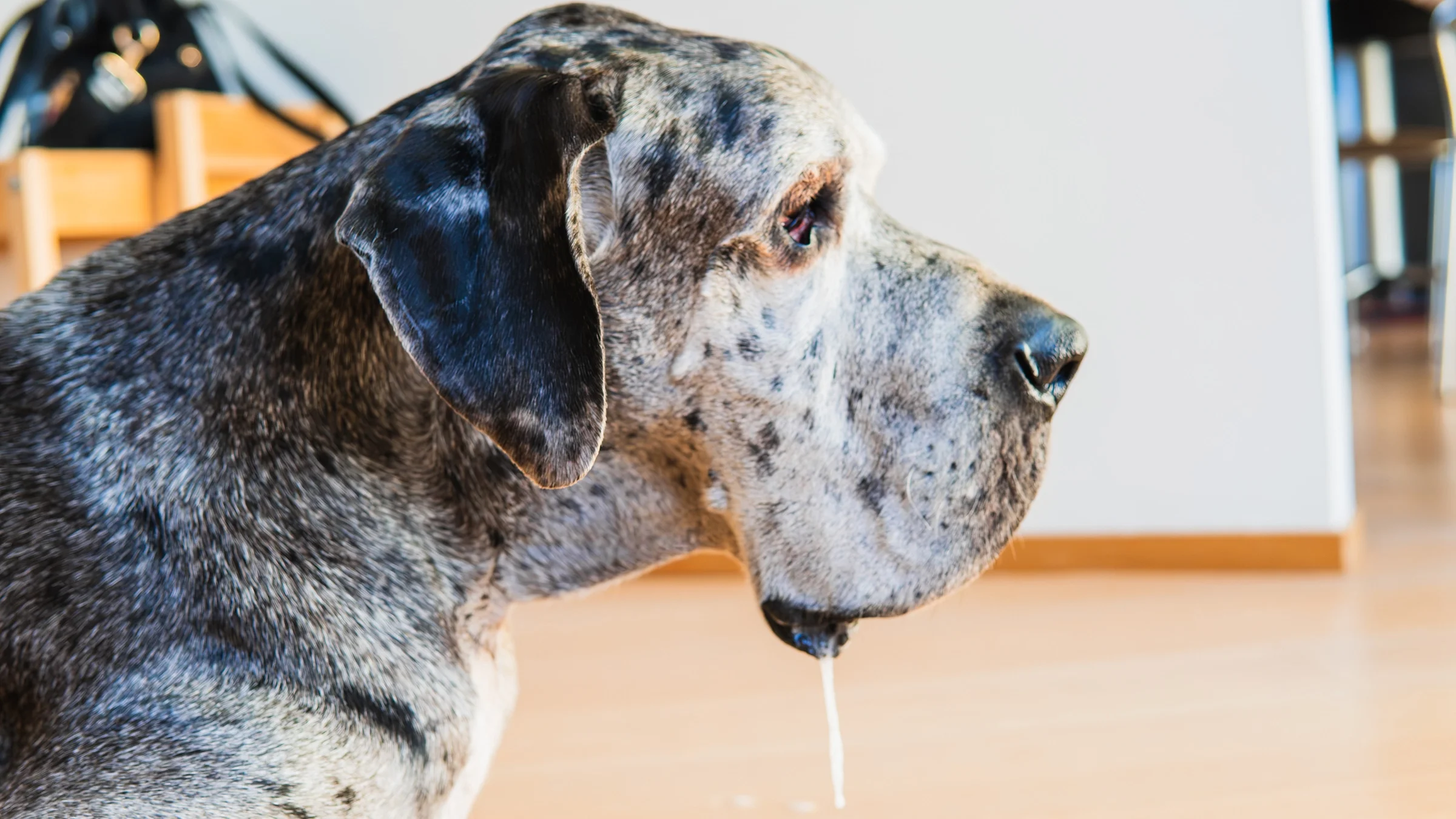
Why is my dog salivating so much all of a sudden? If you have noticed your dog leaving wet puddles on the floor, soaking their chest fur, or drooling in ways that feel very new and different, you are right to pay attention.
While some dogs naturally drool more than others, a sudden spike in saliva production is almost always your dog’s body sending you a signal.
It could be something simple like nausea after eating something unusual, or it could be a sign of a serious condition that needs urgent veterinary care.
Why Is My Dog Salivating So Much All of a Sudden
What Is Normal Salivation in Dogs?
Dog saliva is approximately 98% water. It also contains enzymes, antibacterial compounds, and electrolytes that play important roles in digestion and oral health. Saliva helps dogs break down food, swallow comfortably, and even cool down through evaporative panting.
A moderate amount of drooling is perfectly normal. It happens when dogs smell food, during meals, after play, and in warm weather.
What Counts as Excessive Drooling?
Excessive drooling, medically called hypersalivation or ptyalism, is when a dog produces significantly more saliva than their normal baseline. It becomes a concern when the drooling is sudden, continuous, comes with other symptoms, or represents a clear change from your dog’s usual behavior.
Pseudoptyalism is a related condition where the dog actually produces a normal amount of saliva but cannot swallow it properly due to a physical or neurological issue. The result looks identical to true hypersalivation.
Which Breeds Drool the Most?
Certain breeds naturally drool more because of the anatomy of their jaws, lips, and jowls. These dogs have loose, hanging lips that cannot contain saliva effectively.
| Breed | Reason for High Drool |
|---|---|
| Saint Bernard | Very loose, pendulous jowls |
| Bloodhound | Long, droopy lips and folds |
| Mastiff | Large, wide mouth with loose flews |
| Newfoundland | Loose lips and large jaw |
| Bulldog | Flat face and loose lower lip |
| Bernese Mountain Dog | Large jowls and wide muzzle |
| Basset Hound | Low-set ears and droopy mouth |
Even within these breeds, a sudden increase above their usual drool level still warrants attention.
Why Is My Dog Salivating So Much All of a Sudden? The Main Causes
Dental Disease and Oral Problems
Dental problems are among the most common reasons for sudden excessive drooling in dogs. Tartar buildup, infected gums, broken or abscessed teeth, and oral ulcers all cause mouth pain that triggers an increase in saliva production.
Dogs with dental disease often show bad breath, difficulty chewing, pawing at the face, and reluctance to eat alongside the drooling. If left untreated, dental disease can spread bacteria to the heart, liver, and kidneys.
Regular brushing, dental chews, and annual professional cleanings are the best ways to prevent this cause of drooling.
Foreign Object in the Mouth or Throat
A stick fragment, bone splinter, toy piece, or even a grass seed lodged in the mouth, between teeth, or in the throat can trigger immediate, constant drooling. The body ramps up saliva production in an attempt to dislodge or flush out the foreign object.
Signs include sudden drooling, pawing repeatedly at the mouth, gagging, head shaking, and obvious discomfort. Check your dog’s mouth carefully, but never try to force an object out yourself if it is lodged deeply.
Nausea and Gastrointestinal Upset
Nausea is one of the most frequent triggers of sudden drooling. When a dog feels sick to its stomach, the salivary glands go into overdrive. This is a pre-vomiting response that prepares the digestive tract.
Common causes of nausea-related drooling include eating too fast, dietary indiscretion (eating garbage, spoiled food, or non-food items), gastritis, pancreatitis, and intestinal obstruction. Motion sickness from car travel is also a very common trigger.
If your dog drools heavily during car rides and then recovers quickly once home, motion sickness is likely the explanation.
Toxic Plant or Substance Ingestion
Exposure to toxins is one of the most serious and urgent causes of sudden excessive drooling. Many common household plants, garden chemicals, cleaning products, and medications are highly toxic to dogs.
The body uses saliva as a flushing mechanism when it detects a harmful substance. Drooling after potential toxin exposure is a medical emergency. Do not wait to see if it improves.
| Toxic Plants Causing Drooling | Household Toxins Causing Drooling |
|---|---|
| Azalea | Cleaning products |
| Sago palm | Rodenticides |
| Foxglove | Certain medications |
| Oleander | Fertilizers and pesticides |
| Dieffenbachia | Antifreeze |
| Rhododendron | Xylitol (artificial sweetener) |
| Lily of the Valley | Mothballs |
If you suspect your dog has ingested any of these, contact your veterinarian or a pet poison helpline immediately.
Anxiety and Stress
Stress and anxiety are very common behavioral causes of sudden drooling. Dogs may drool excessively in response to separation anxiety, thunderstorms, fireworks, visits to the vet, new environments, new people, or unfamiliar animals.
Anxiety-related drooling is usually accompanied by other stress signals: lip licking, yawning, panting, restlessness, trembling, or a tucked tail. The drooling typically resolves once the stressor is removed.
If your dog regularly drools from anxiety, behavioral training, calming pheromones, or veterinary-prescribed anti-anxiety support can help.
Heatstroke and Overheating
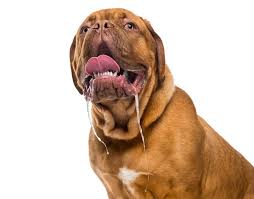
When a dog overheats, it uses panting and salivation as its primary cooling mechanisms. Excessive drooling in hot weather, especially combined with heavy panting, red gums, weakness, and confusion, is a sign of heat exhaustion or heatstroke.
Heatstroke is a life-threatening emergency. Move your dog to a cool area immediately, offer water, apply cool (not ice cold) water to the body, and get to a veterinarian as fast as possible.
Never leave a dog in a parked car, even briefly in mild temperatures.
Gastric Dilatation-Volvulus (GDV / Bloat)
GDV, commonly called bloat, is one of the most dangerous emergencies in veterinary medicine. The stomach fills with gas and then twists on itself, cutting off blood flow to vital organs.
Sudden excessive drooling alongside a visibly swollen abdomen, repeated unsuccessful retching, restlessness, and weakness is a classic GDV presentation. This condition can turn fatal within one to two hours without surgical intervention.
Deep-chested breeds such as Great Danes, German Shepherds, Standard Poodles, Boxers, and Weimaraners are at highest risk. If you see these signs together, do not wait. Go directly to an emergency veterinary clinic.
Seizures and Neurological Disorders
Many dogs drool excessively before, during, and after a seizure. The drooling is caused by the involuntary activation of salivary glands during the neurological event.
Other neurological conditions that affect swallowing or nerve signals to the salivary glands can also cause sudden hypersalivation. If your dog drools with muscle twitching, loss of coordination, blank staring, or collapsing episodes, neurological evaluation is essential.
Kidney Disease and Liver Disease
Organ diseases, particularly kidney failure and liver disease, can trigger excessive drooling as toxins build up in the bloodstream. The body attempts to expel these substances through increased saliva.
Dogs with kidney or liver disease typically show other signs: increased thirst and urination, lethargy, loss of appetite, vomiting, and weight loss. Annual veterinary checkups help catch these conditions early before drooling becomes one of the presenting symptoms.
Salivary Gland Disorders
The salivary glands themselves can become diseased or damaged. Salivary mucoceles (cysts that form when a duct is damaged and saliva leaks into surrounding tissue), sialadenitis (infection of the salivary gland), and salivary gland tumors can all cause abnormal drooling patterns.
These conditions often produce swelling under the jaw or neck alongside the drooling. Veterinary diagnosis through physical exam and imaging is required.
Medications and Vaccinations
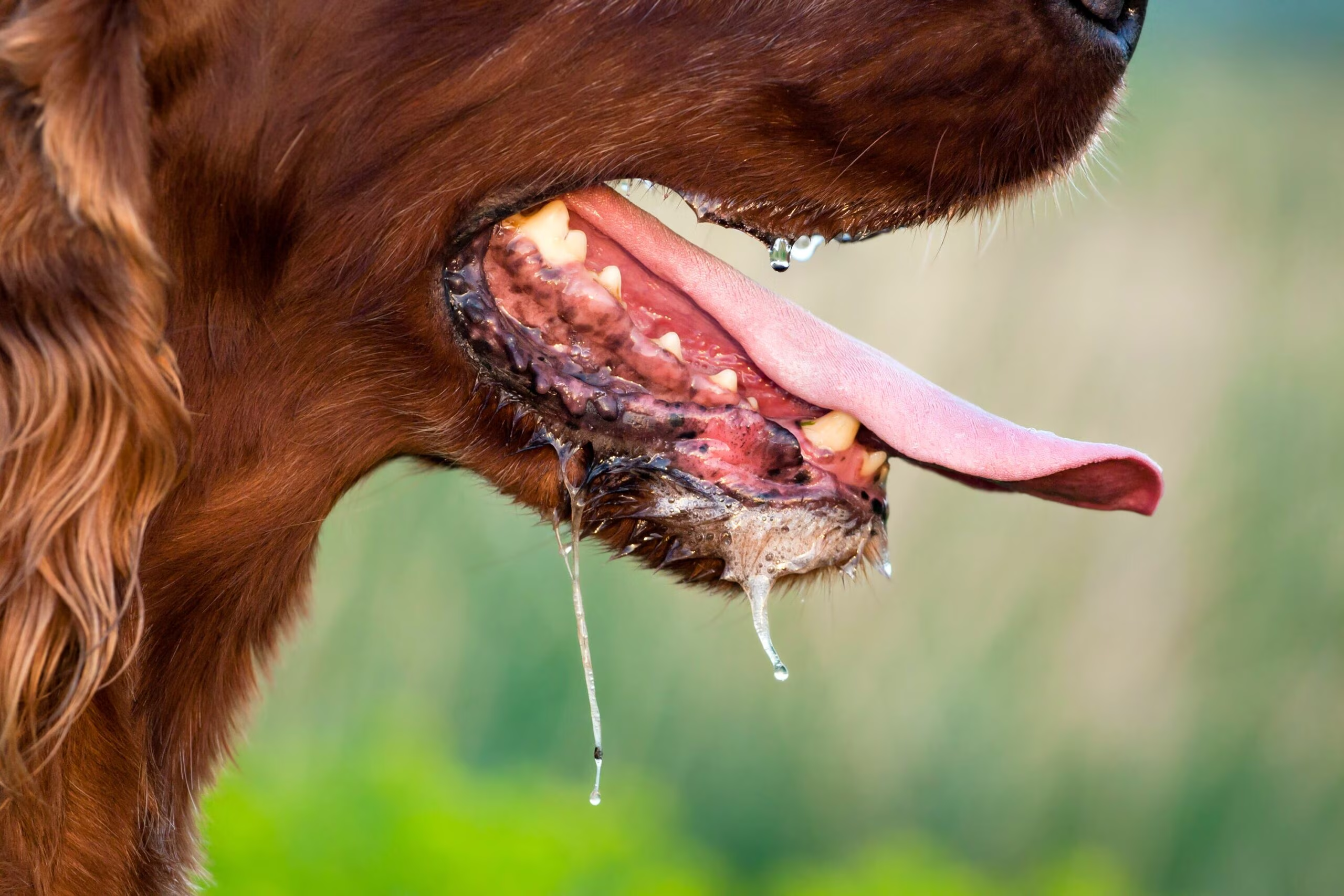
Some medications cause excessive drooling as a side effect. Certain antibiotics, anti-parasitic drugs, and topical flea treatments applied near the mouth can trigger a temporary hypersalivation response.
Drooling within an hour or two of giving medication, particularly if the medication was applied topically, is often a direct reaction to the taste or chemical composition. Consult your vet about switching formulations or administration methods if this is a recurring issue.
Warning Signs That Mean You Need the Vet Right Now
Emergency Symptoms to Watch For
Not all drooling requires a vet visit today, but some combinations of symptoms mean you need to go immediately. These are the red flags that signal a genuine veterinary emergency.
Sudden drooling alongside a swollen belly and unsuccessful vomiting attempts is GDV until proven otherwise. Rush to an emergency clinic without delay.
Drooling with extreme lethargy, pale or blue gums, difficulty breathing, or collapse is a sign of severe internal distress. Call the emergency vet on the way there.
Drooling following known or suspected toxin ingestion, even if your dog seems okay, should always be treated as urgent. The effects of many poisons have a delayed onset.
| Symptom Combination | Likely Cause | Urgency |
|---|---|---|
| Drooling + swollen belly + retching | GDV / Bloat | Emergency — go immediately |
| Drooling + known toxin exposure | Poisoning | Emergency — call vet now |
| Drooling + seizure activity | Neurological event | Emergency |
| Drooling + red gums + panting in heat | Heatstroke | Emergency |
| Drooling + pawing at mouth | Foreign object | Urgent — same day |
| Drooling + bad breath + difficulty eating | Dental disease | Urgent — within days |
| Drooling during car rides only | Motion sickness | Non-emergency |
| Drooling around storms/fireworks | Anxiety | Non-emergency, monitor |
How Vets Diagnose Sudden Excessive Drooling
What to Expect at the Vet Appointment
Your vet will start with a thorough physical exam, including a careful inspection of the mouth, gums, teeth, throat, and salivary glands. They will look for foreign objects, oral injuries, tumors, dental disease, and swelling.
Tell your vet exactly when the drooling started, whether it came on suddenly or gradually, and what your dog was doing before it began. Mention any potential toxin exposure, recent dietary changes, new medications, or behavioral changes.
Diagnostic Tests That May Be Ordered
Depending on the initial exam findings, your vet may recommend bloodwork to assess kidney and liver function, X-rays to check for foreign objects or GDV, and urinalysis to screen for organ disease.
Ultrasound can help evaluate the salivary glands, abdominal organs, and stomach. Neurological assessment may be recommended if seizure activity or nerve dysfunction is suspected.
Home Remedies and Management Strategies
These Are Only for Non-Emergency Drooling
Home remedies are appropriate only after serious causes have been ruled out by a veterinarian. Never attempt to manage excessive drooling at home if your dog shows any of the emergency warning signs listed above.
For mild, non-urgent drooling from manageable causes, the following strategies can help.
Improve Dental Hygiene
Brush your dog’s teeth daily using dog-safe toothpaste. Use dental chews approved by the Veterinary Oral Health Council (VOHC). Provide safe chew toys to support mechanical cleaning.
Schedule professional dental cleanings with your vet annually, or more frequently if your dog is prone to tartar buildup. Good dental hygiene directly reduces drooling caused by oral disease.
Manage Anxiety and Stress
Identify and reduce your dog’s anxiety triggers where possible. Use calming pheromone diffusers or sprays designed for dogs. Create a safe, quiet space for your dog during storms or other stressful events.
For car sickness, gradually desensitize your dog to car travel. Start with short, calm sessions in a stationary car, then slowly progress to short trips. Speak to your vet about anti-nausea or anti-anxiety medication if behavioral approaches are insufficient.
Hydration and Diet
Always provide access to fresh, clean water. Dehydration can paradoxically increase saliva production as the body compensates.
Feed your dog a high-quality diet appropriate for their age, breed, and health status. Avoid feeding table scraps, spoiled food, or foods known to cause GI upset. Slow feeder bowls can reduce the gulping that leads to nausea and GDV risk.
Keep Toxins Out of Reach
Store all cleaning products, medications, pesticides, and fertilizers in locked cabinets. Know which plants in your home and garden are toxic to dogs and remove or restrict access to them.
Check your yard for toxic plant species before letting your dog roam freely. Rinse your dog’s paws after walks on treated grass or sidewalks to prevent licking ingestion.
Physical Activity
Regular moderate exercise helps regulate overall health including saliva production. Daily walks improve circulation, reduce stress hormones, and support healthy digestion.
Avoid vigorous exercise immediately after meals, particularly for large, deep-chested breeds. Waiting at least an hour after feeding before exercise significantly reduces GDV risk.
Keep the Mouth and Chin Area Clean
For heavy droolers, regularly wiping the face and chin with a clean cloth prevents skin irritation, rashes, and secondary infections. Leaving wet skin folded against more wet skin creates an environment for bacterial and yeast overgrowth.
Use a mild, pet-safe cleanser on skin folds if recommended by your vet.
Excessive Drooling by Cause: Quick Reference
| Cause | Key Accompanying Signs | Home Manageable? | Vet Visit Needed? |
|---|---|---|---|
| Dental disease | Bad breath, difficulty eating, pawing at mouth | Partial (hygiene) | Yes |
| Foreign object | Gagging, head shaking, pawing at mouth | No | Yes — urgent |
| Nausea / GI upset | Vomiting, loss of appetite | Sometimes | If persistent |
| Motion sickness | Drooling only in car, resolves after | Yes | If severe |
| Anxiety / stress | Panting, trembling, hiding | Yes | If severe |
| Heatstroke | Heavy panting, red gums, weakness | No | Emergency |
| GDV / Bloat | Swollen belly, failed vomiting | No | Emergency |
| Toxin exposure | Vomiting, tremors, drooling foam | No | Emergency |
| Seizures | Twitching, disorientation, collapse | No | Emergency |
| Kidney / liver disease | Lethargy, weight loss, increased thirst | No | Yes |
| Salivary gland disorder | Neck swelling, lopsided jaw | No | Yes |
| Medication reaction | Follows recent medication | Sometimes | Consult vet |
Preventing Sudden Excessive Drooling
Daily Habits That Protect Your Dog
Brush teeth daily and schedule professional cleanings. Keep toxic plants, chemicals, and medications completely out of reach. Feed measured meals rather than free feeding to reduce GI upset.
Use slow feeder bowls for dogs that eat too fast. Avoid exercise for at least one hour after meals. Ensure shade and water are always available in hot weather.
Routine Veterinary Checkups
Annual wellness exams allow vets to catch dental disease, early organ dysfunction, and salivary gland problems before they escalate. Senior dogs benefit from biannual checkups because age-related conditions develop more quickly.
Keeping your dog’s vaccinations current, including rabies, is also an important prevention step since rabies causes severe neurological dysfunction including uncontrolled drooling.
Know Your Dog’s Normal
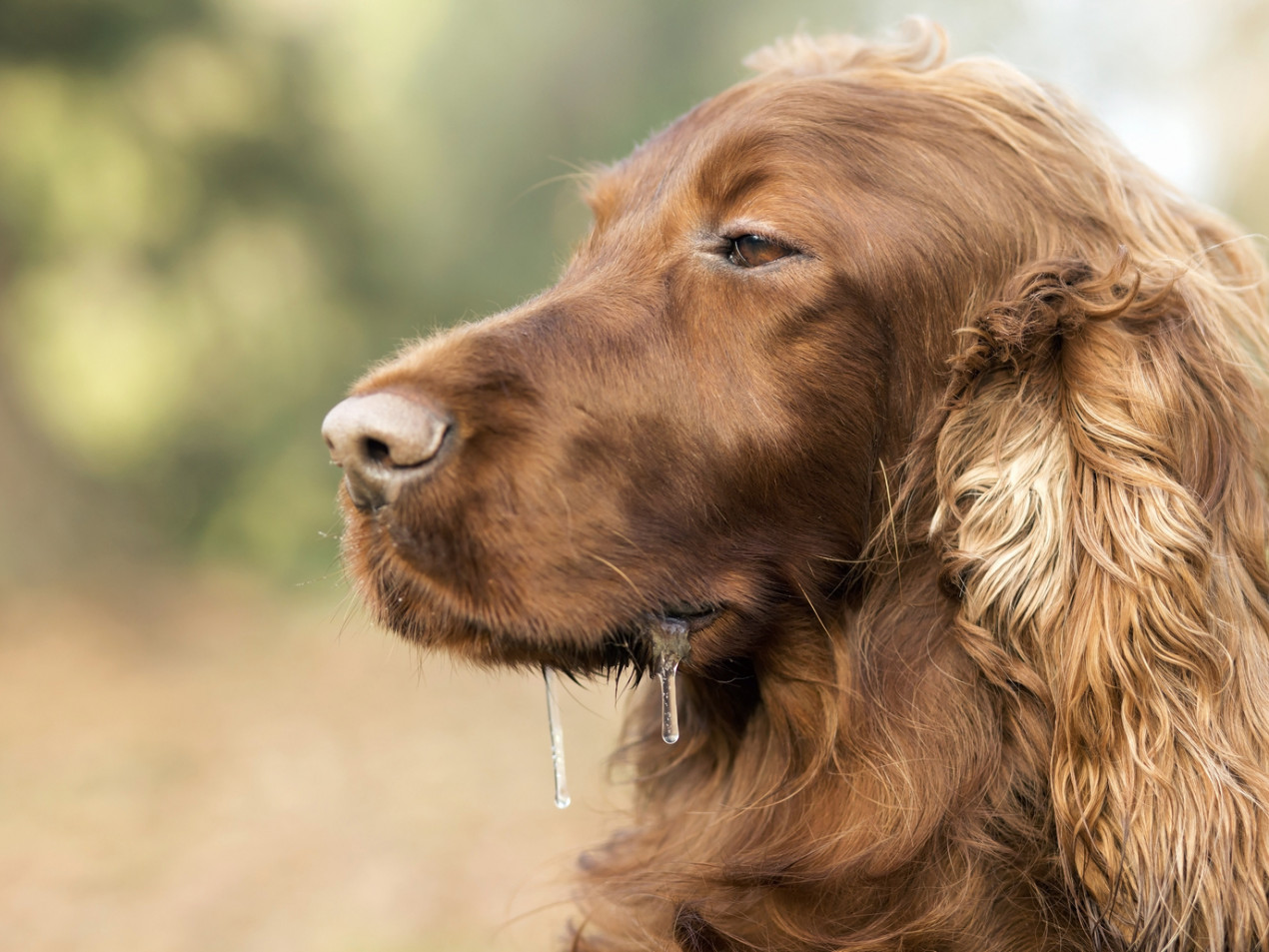
The most important prevention tool is knowing your dog’s individual baseline. Track how much your dog normally drools. Note the color, consistency, and volume.
When you know what is normal for your specific dog, any deviation becomes immediately obvious. Early detection of a change leads to faster veterinary evaluation and better outcomes.
Frequently Asked Questions (FAQs)
Why is my dog salivating so much all of a sudden?
Sudden excessive drooling is commonly caused by nausea, a foreign object in the mouth, dental pain, anxiety, toxin ingestion, or heatstroke. If it came on fast and will not stop, contact your vet the same day.
Is sudden drooling in dogs an emergency?
It can be. If the drooling is paired with a swollen belly, retching, tremors, collapse, pale gums, or known toxin exposure, treat it as an emergency and go to the vet immediately.
Can anxiety cause my dog to drool suddenly?
Yes. Stress from thunderstorms, car rides, separation, new people, or vet visits can trigger sudden hypersalivation. It usually resolves once the stressor is removed.
What toxins cause sudden excessive drooling in dogs?
Common culprits include certain houseplants (sago palm, azalea, oleander), cleaning products, pesticides, antifreeze, xylitol, and some medications. All cases of suspected toxin ingestion require immediate veterinary care.
Can dental problems cause sudden drooling?
Yes. A broken tooth, infected gum, or oral abscess causes pain that triggers increased saliva production. Other signs include bad breath, reluctance to eat, and pawing at the face.
What is GDV and how does drooling relate to it?
GDV (gastric dilatation-volvulus) is a life-threatening condition where the stomach twists on itself. Sudden drooling alongside a distended belly and unsuccessful retching are early warning signs and require emergency surgery within hours.
Why does my dog drool so much in the car?
Car travel triggers motion sickness in many dogs, causing nausea and excessive drooling. Behavioral desensitization and vet-prescribed anti-nausea medications are effective solutions.
Can kidney or liver disease cause my dog to drool more?
Yes. As these organs fail, toxins accumulate in the bloodstream, and the body tries to expel them through increased saliva. Other signs include lethargy, weight loss, increased thirst, and vomiting.
How can I stop my dog from drooling so much at home?
For non-emergency drooling, improve dental hygiene, manage anxiety triggers, ensure fresh water is always available, and feed a quality diet. Always consult a vet before assuming home management is appropriate.
When should I take my dog to the vet for drooling?
Go immediately if drooling is paired with any emergency signs. Schedule a same-day or next-day visit for sudden drooling with no obvious cause, pawing at the mouth, changes in eating, or drooling that does not resolve within a few hours.
Conclusion
Why is my dog salivating so much all of a sudden? As this guide has shown, the answer ranges from something as manageable as car sickness or pre-meal excitement to emergencies like GDV, heatstroke, or toxin poisoning.
The key is learning to read the whole picture: what other symptoms are present, when the drooling started, and whether anything changed in your dog’s environment or routine.
For many dogs, the cause of sudden drooling is treatable and completely reversible with prompt attention. Dental disease improves with cleaning.
Nausea resolves with appropriate medication.
Anxiety drooling fades once the stressor is gone.
But the conditions that can turn fatal, like GDV and poisoning, move fast.
Knowing the difference between a wait-and-see situation and a rush-to-the-vet emergency is the most important takeaway from everything covered here.
When in doubt, always call your vet. Your dog cannot tell you what is wrong.
Being the one who notices and acts is the most important thing you can do.
