

Why do my earrings smell is one of the most common questions people ask after wearing the same pair for a few days.
That faint, cheesy odor around your earlobes or earring backs is usually nothing to worry about.
It happens because of natural body oils, sweat, dead skin cells, and bacteria that build up in the small, low-airflow space between your earring and your skin.
The good news is that this smell, often called “ear cheese,” is easy to clean and even easier to prevent.
What Causes Earrings to Smell? (Common Reasons)
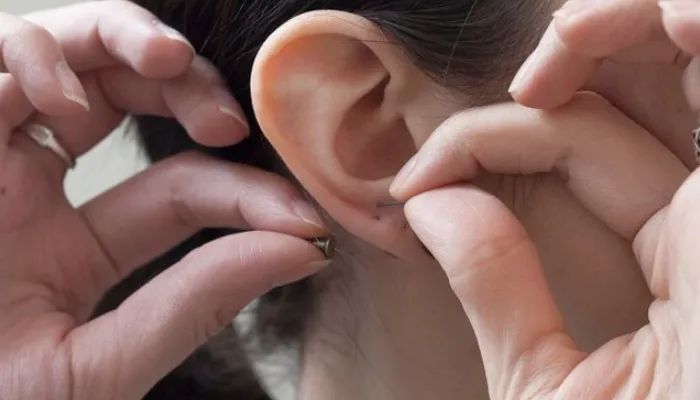
Earring odor almost never appears out of nowhere. It builds up slowly from a few natural processes happening on and around your skin every day.
Natural Skin Oils (Sebum)
Your skin constantly produces sebum, a natural oil that keeps it soft and protected. Around your earlobe, this oil has nowhere to go, so it collects on the earring post and backing.
Over a few days, this oil mixes with air and bacteria, creating a waxy film with a distinct smell. This is completely normal and happens to almost everyone who wears earrings regularly.
Dead Skin Cells
Unlike other parts of your body, the skin around a piercing doesn’t shed dead cells as easily. These cells get trapped between the earring and your earlobe.
When dead skin combines with oil and sweat, it forms a soft, off-white gunk. This buildup is the main ingredient in what people jokingly call “ear cheese.”
Sweat and Moisture
Sweat from exercise, hot weather, or even sleeping can soak into the small gap behind your earring. Moisture is the perfect environment for bacteria to multiply quickly.
If earrings stay damp for long periods, the smell tends to get stronger and can return faster even after cleaning.
Bacterial Growth
Bacteria naturally live on your skin, but they thrive when oil, sweat, and dead skin pile up in one spot. As bacteria break down this buildup, they release the sulfur-like compounds responsible for the smell.
This is the same basic process that causes body odor elsewhere, just concentrated in a tiny area.
Lack of Airflow
Earring backs, especially flat or large designs, press tightly against the earlobe. This blocks airflow and traps everything underneath.
Hoops, studs with large backings, and gauges are more likely to smell because they cover more skin and reduce ventilation the most.
Is “Ear Cheese” Normal or a Sign of Infection?
In most cases, a mild cheesy smell is simply biological buildup, not an infection. However, it helps to know the difference so you don’t ignore a real problem.
Normal buildup feels waxy, looks grayish or off-white, and improves quickly with basic cleaning. Infection symptoms are more intense and don’t go away with a simple wash.
| Sign | Normal “Ear Cheese” | Possible Infection |
|---|---|---|
| Smell | Mild, cheesy, waxy | Sharp, foul, or sweet-sick odor |
| Discharge | Off-white or gray gunk | Yellow, green, or bloody discharge |
| Skin Around Piercing | Slightly oily, no redness | Red, warm, swollen, or painful |
| Response to Cleaning | Smell fades after cleaning | Smell and symptoms return quickly |
| Pain Level | None or very mild | Throbbing or increasing pain |
If you notice redness, swelling, pus, or ongoing pain along with the smell, it’s best to speak with a doctor or dermatologist rather than relying on home cleaning alone.
Does the Metal of Your Earrings Make a Difference?
Yes, the material of your earrings plays a big role in how quickly they start to smell. Some metals react with skin oils and sweat more than others.
Cheaper alloys and metals containing nickel are more likely to cause irritation, which leads to more dead skin and, in turn, more odor. Higher-quality metals reduce this reaction significantly.
| Earring Material | Odor Risk | Notes |
|---|---|---|
| Surgical Steel | Low | Hypoallergenic, easy to clean, great daily option |
| Titanium | Low | Very skin-friendly, minimal reaction |
| Solid Gold (14k+) | Low to Medium | Soft metal, clean gently to avoid scratches |
| Gold-Filled | Medium | Durable, but needs regular cleaning |
| Sterling Silver | Medium | Can tarnish, which adds to the smell |
| Nickel or Mixed Alloys | High | Common cause of irritation and odor |
| Plastic | Medium to High | Traps moisture, harder to disinfect |
If you’ve noticed the smell gets worse with certain earrings specifically, it’s a good sign that the metal itself is part of the problem, not just buildup.
How to Clean Smelly Earrings (Step-by-Step)
Cleaning smelly earrings doesn’t require anything fancy. A few household items are usually enough to remove odor safely and effectively.
Method 1: Mild Soap and Warm Water
This is the gentlest and safest method for almost all earring materials, including gemstones and pearls.
Soak the earrings in warm water with a drop of mild soap for a few minutes. Gently scrub the backs and posts with a soft toothbrush, then rinse and dry completely.
Method 2: Isopropyl Alcohol Wipe-Down
For metal earrings without delicate stones, 70% isopropyl alcohol is excellent for cutting through oily buildup and disinfecting the surface.
Dip a cotton swab or soft cloth in alcohol and wipe down the post, back, and any crevices. Let the earring air dry fully before wearing it again.
Method 3: Hydrogen Peroxide Soak
Hydrogen peroxide can help dissolve stubborn gunk on metal earrings, especially around tight backings or gauges.
Soak the earring in a small bowl of hydrogen peroxide for one to two minutes, then rinse thoroughly with water and dry. Avoid this method on pearls, opals, or other porous stones.
Method 4: Tea Tree Oil Touch-Up
Tea tree oil has natural antibacterial properties and leaves a light, pleasant scent that helps keep odor away between deeper cleans.
Dilute a drop in water and apply it to the earring post or lobe with a cotton swab. Always do a patch test first, since some people are sensitive to it.
| Method | Best For | Avoid On |
|---|---|---|
| Soap & Water | All materials, daily use | Nothing major |
| Isopropyl Alcohol | Metal posts and backs | Pearls, opals, delicate stones |
| Hydrogen Peroxide | Stubborn buildup, gauges | Porous gemstones |
| Tea Tree Oil | Light maintenance, odor control | Sensitive or broken skin |
How to Clean the Piercing and Earlobe Itself
Cleaning the earrings is only half the job. The skin around your piercing needs attention too, since buildup forms on both sides.
Wash your hands before touching your ears, then gently clean the front and back of your earlobe with mild soap and warm water. Pat the area dry instead of rubbing.
For new or sensitive piercings, a sterile saline solution is the safest option. Avoid using alcohol or hydrogen peroxide directly on broken or healing skin, as it can slow healing.
A simple habit many people use is washing their ears every time they wash their hair, since this naturally keeps the area clean without extra effort.
How Often Should You Clean Your Earrings and Ears?
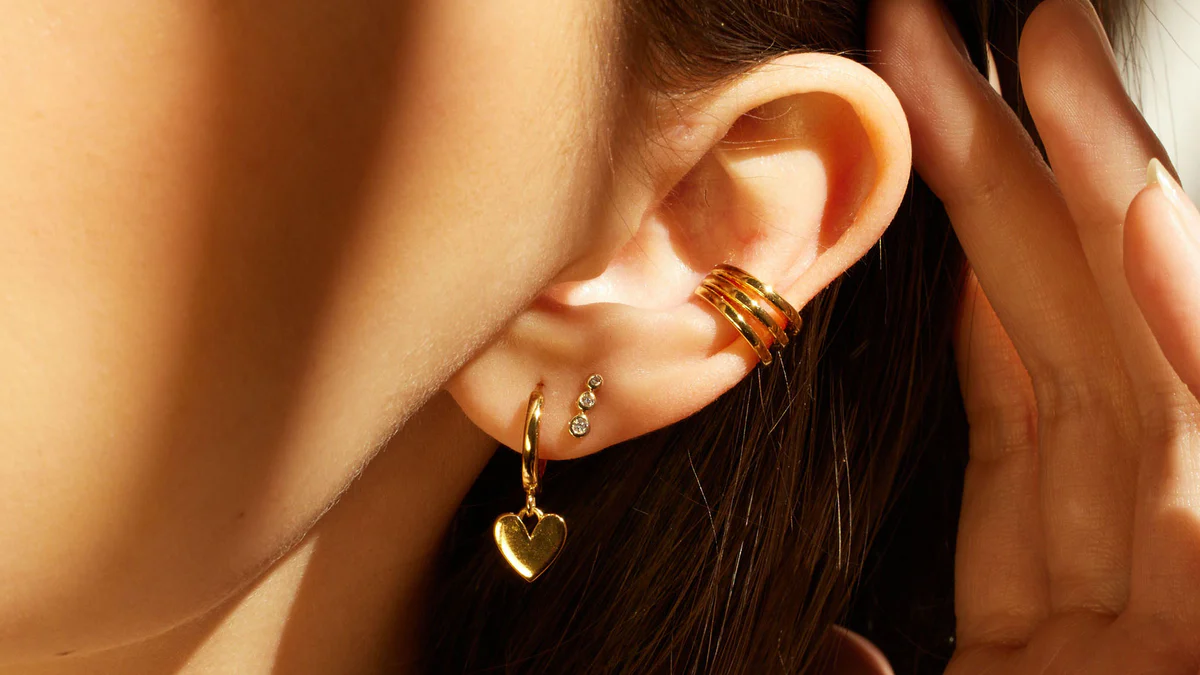
Cleaning frequency depends on how often you wear your earrings and whether your piercing is new or fully healed.
| Situation | Recommended Cleaning Frequency |
|---|---|
| New piercing (first 6-8 weeks) | Once or twice daily with saline |
| Daily-wear earrings (healed piercing) | Once a week, minimum |
| Earrings worn occasionally | Before and after each wear |
| Gauges or stretched piercings | Two to three times a week |
| Earlobe and behind the ear | Every time you shower or wash hair |
Sticking to a simple weekly routine is usually enough to prevent strong odor from building up between cleanings.
How to Prevent Earring Smell From Coming Back
Once your earrings are clean, a few small habits can keep the smell from returning quickly.
Remove Earrings Before Sleeping
Giving your earlobes a break overnight allows the skin to breathe and shed naturally without trapping oil or sweat under the backing.
Take Earrings Off Before Exercise
Sweat is one of the biggest triggers for odor. Removing earrings before workouts and cleaning your ears afterward helps a lot.
Switch to Hypoallergenic Materials
If you notice frequent smell, irritation, or discoloration, switching to surgical steel, titanium, or solid gold can reduce buildup significantly.
Choose Breathable Earring Backs
Smaller, more open backings allow better airflow than large, flat designs that seal tightly against the skin.
Store Earrings in a Clean, Dry Place
Damp jewelry boxes or pouches can encourage bacteria growth even when earrings aren’t being worn. Keep storage areas dry and clean.
Replace Old or Worn-Out Earrings
If earrings are scratched, tarnished, or made from low-quality metal, replacing them every six to twelve months can help avoid ongoing odor issues.
New Piercings and Smell – What’s Normal?
If you recently got your ears pierced, some odor is expected as part of the natural healing process. Healing skin produces more discharge and dead cells than usual.
During healing, you may notice a thin, crusty buildup around the piercing. This is normal as long as it’s not accompanied by intense redness, swelling, or pain.
Follow your piercer’s aftercare instructions closely, and avoid removing new piercings too early, since this can trap bacteria inside and worsen the smell.
Most piercings fully heal within six weeks to a few months, depending on the location. The smell usually decreases significantly once healing is complete.
When to See a Doctor
While most earring odor is harmless, certain signs mean it’s time to get professional advice rather than relying on home cleaning.
Seek medical attention if you notice increasing pain, spreading redness, warmth around the piercing, fever, or discharge that is yellow, green, or has an unusual color.
A metal allergy can also cause persistent odor along with itching or a rash. A doctor can confirm this and recommend safer earring materials for your skin.
Catching infections early makes them much easier to treat, so don’t hesitate to get checked if the smell doesn’t improve after a few days of proper cleaning.
Why Do Some People Get Smellier Earrings Than Others?
Not everyone experiences earring odor at the same level. A few personal factors can make the smell stronger or appear faster for some people.
Skin Type
People with oilier skin naturally produce more sebum, which means more buildup around the earring post in a shorter amount of time.
Climate and Activity Level
Hot, humid weather and frequent sweating speed up bacterial growth. People who exercise often or live in warm climates may need to clean more frequently.
Earring Design
Large, flat-backed studs and tight hoops trap more oil and dead skin than open, lightweight designs that allow air to circulate around the lobe.
Age of the Piercing
Older piercings tend to have slightly stretched channels, which can collect more debris over time compared to newer, tighter piercings.
Skincare and Makeup Products
Lotions, sunscreen, and hair products can transfer onto earrings throughout the day, adding another layer of residue that contributes to odor.
Earring Smell in Gauges and Stretched Piercings
Stretched ears, also known as gauges, are more prone to noticeable odor because the larger surface area inside the piercing collects more buildup.
During stretching, dead skin cells and natural fluids accumulate inside the channel as it heals. This is a normal part of the process but can smell stronger than a standard piercing.
To manage this, clean both the jewelry and the inside of the stretched piercing gently with saline or mild soap. Avoid harsh scrubbing, which can irritate healing tissue.
Choosing lightweight, breathable plugs made from glass, steel, or organic materials like wood can help reduce moisture buildup inside larger gauges.
Helpful Products to Keep On Hand
Having a few simple items ready makes earring cleaning quick and stress-free. Most of these are inexpensive and easy to find at any pharmacy.
| Product | Purpose |
|---|---|
| Mild, fragrance-free soap | Everyday cleaning for earrings and earlobes |
| 70% isopropyl alcohol | Disinfecting metal posts and backs |
| Hydrogen peroxide | Removing stubborn buildup from metal jewelry |
| Saline solution | Safe cleaning for new or healing piercings |
| Soft-bristled toothbrush | Gently scrubbing crevices and earring backs |
| Tea tree oil (diluted) | Light antibacterial touch-ups between cleans |
| Microfiber cloth | Drying earrings fully before storage |
Keeping these items together in one small bag or drawer makes it easier to stick to a regular cleaning routine without extra effort.
Quick Daily and Weekly Care Checklist
A short routine goes a long way toward keeping odor under control without taking up much time.
Each night, gently wipe your earring posts and backs with a clean cloth before removing them, if your piercing allows removal.
Each morning, give your earlobes a quick wash with soap and water during your regular shower routine to remove overnight buildup.
Once a week, do a deeper clean with alcohol or a hydrogen peroxide soak, then dry your earrings completely before storing them.
Once a month, check your earring collection for any pairs that look discolored, scratched, or worn out, and consider replacing them if needed.
Common Mistakes That Make Earring Smell Worse
A few everyday habits can accidentally make earring odor stronger or cause it to come back faster after cleaning.
Sharing Earrings With Others
Sharing earrings spreads bacteria and oils between different people’s skin, which can increase odor and even raise infection risk for new piercings.
Wearing Earrings in the Shower Without Drying Them
Water trapped under earring backs creates a damp environment that bacteria love. Always dry your earrings and earlobes after showering or swimming.
Using Strong Perfume or Hairspray Near Your Ears
These products can leave sticky residue on earrings, which mixes with skin oils and creates extra buildup over time.
Ignoring Tarnished or Discolored Jewelry
Tarnish on silver or low-quality metals can trap bacteria more easily and often comes with a stronger, more metallic odor.
Forgetting to Clean Storage Boxes
Putting clean earrings back into a dirty jewelry box can quickly transfer bacteria and odor right back onto freshly cleaned pieces.
Earring Smell Myths vs Facts
A lot of misinformation exists around earring odor, which can lead people to either ignore real problems or overreact to normal ones.
| Myth | Fact |
|---|---|
| Smelly earrings always mean poor hygiene | Buildup happens to almost everyone, even with regular cleaning |
| You must throw away smelly earrings | Most earrings can be fully cleaned and reused safely |
| Only cheap jewelry smells | Even gold and silver can develop odor without cleaning |
| Ear cheese is dangerous | It’s normal buildup unless paired with infection symptoms |
| Alcohol is safe for every earring | It can damage pearls, opals, and other soft gemstones |
Understanding the difference between myths and facts helps you respond calmly instead of panicking over a smell that’s usually easy to fix.
Frequently Asked Questions (FAQs)
Is it normal for earrings to smell?
Yes, it’s very common and usually caused by natural oils, sweat, and dead skin. Regular cleaning easily resolves the smell in most cases.
How do I get rid of “ear cheese” smell?
Soak your earrings in warm water with mild soap, scrub gently, and dry fully. Cleaning your earlobes the same way removes the rest.
Why do my earring backs smell worse than the front?
Backs sit closer to the skin with less airflow, so oil and dead skin collect there faster than on the visible front part.
Can a metal allergy cause earring smell?
Yes, metals like nickel can irritate skin and increase oil and dead skin production, which leads to a stronger, more persistent odor.
How often should I clean my earrings?
Clean daily-wear earrings at least once a week, and new piercings once or twice daily with a saline solution until fully healed.
Does earring smell mean I have an infection?
Not usually. A mild, cheesy smell is normal buildup, but redness, swelling, pain, or colored discharge can signal an infection.
What’s the best metal to avoid earring odor?
Surgical steel, titanium, and solid gold are best, since they’re hypoallergenic and don’t react much with skin oils or sweat.
Can I use hydrogen peroxide on all earrings?
No, hydrogen peroxide works well on solid metal but should be avoided on pearls, opals, and other porous or delicate gemstones.
Why do new piercings smell more than older ones?
Healing skin produces extra discharge and dead cells, which is normal. The smell usually fades as the piercing fully heals.
Should I remove earrings every night?
Yes, removing earrings before bed lets your skin breathe and reduces the buildup that causes odor, especially for daily-wear pairs.
Conclusion
So, why do my earrings smell? In almost every case, it comes down to a natural mix of skin oils, dead skin cells, sweat, and bacteria building up in a small, low-airflow space.
This “ear cheese” is normal, common, and easy to manage with simple home cleaning methods like soap and water, alcohol wipes, or a gentle hydrogen peroxide soak.
Cleaning both your earrings and your earlobes weekly, choosing hypoallergenic materials like titanium or surgical steel, and giving your ears a break overnight can prevent most odor before it starts.
Watch for signs of infection like redness, swelling, or unusual discharge, and check in with a doctor if the smell persists despite proper cleaning. With a simple routine, fresh-smelling, healthy ears are easy to maintain in 2026 and beyond.
